Support

Museum of the Occupation of Latvia

About

The Museum of the Occupation of Latvia, located in Riga, the capital of Latvia, is a significant historical museum. It is dedicated to one of the most challenging periods in the country's history – from 1940 to 1991, when Latvia was under successive Soviet and German regimes. The museum aims to preserve the memory of these events and their impact on the Latvian people.
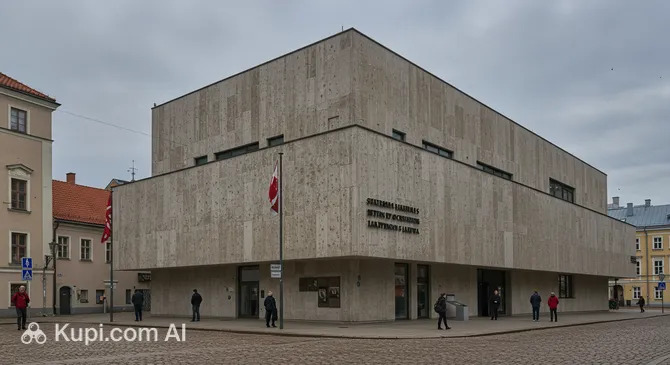
Museum of the Occupation of Latvia. Illustration.
Source: Kupi.com AI

Traveler photos:

The museum's exhibition details various aspects of the lives and fates of Latvia's residents during these decades. Visitors can view documents, photographs, personal belongings, and eyewitness accounts that reveal the political, social, and cultural consequences of the occupation regimes. The museum serves not only as a place of memory for the victims of those times, but also as an important educational center striving to bring historical facts to a wide audience.

Notably, the Museum of the Occupation of Latvia is a private non-governmental organization accredited by the state, and its activities are supported by sponsors and patrons. Located in the historical part of the city on Latvian Riflemen Square, it attracts many tourists as well as official delegations from various countries wishing to gain a deeper understanding of this complex stage of Latvian history.

Contacts

To get the latest information about the Museum of the Occupation of Latvia, including details on current exhibitions, tours, opening hours, and ticket prices, it is recommended to contact official sources directly. These contacts will help you plan your visit and obtain the most up-to-date information.

How to contactContact
AddressLatviešu strēlnieku laukums 1, Centra rajons, Rīga, LV-1050, Latvia
Phone number+371 67 229 255
Websiteokupacijasmuzejs.lv

What to Do

Visiting the Museum of the Occupation of Latvia in Riga provides an opportunity to deeply immerse yourself in a complex period of Latvia's history. In the museum's halls, you can examine numerous historical documents, photographs, and personal items that tell the story of life in the country during the three occupations of the 20th century: the German and two Soviet occupations. These exhibits serve as silent witnesses to the events of those times, allowing visitors to form their own understanding of the past.

The museum's exhibition covers various aspects of life under the occupation regimes in detail. Visitors can study materials dedicated to government policies, learn about places of imprisonment and mass deportations, and trace the path of the Latvian people in their struggle for independence. Special attention is paid to daily life, culture, and the trials faced by the residents of Latvia during that difficult period.

In addition to the main collection, the Museum of the Occupation of Latvia regularly hosts temporary exhibitions and offers educational programs that broaden the understanding of the events covered. This makes the visit not only informative but also engaging, allowing visitors to get a more complete picture of this important stage in the country's history. The museum's significance as a cultural and historical center is further emphasized by the frequent visits of official delegations and diplomats.

Getting There

The Museum of the Occupation of Latvia is located in the heart of Riga, on Latvian Riflemen Square, making it very convenient to visit. Due to its central location, if you are staying in the city center, the museum is easily accessible on foot. Such a walk will also allow you to enjoy the architecture of the capital of Latvia.

For those who prefer public transport, there are several stops near the Museum of the Occupation of Latvia. You can reach them by various buses and trams whose routes pass through the center of Riga. From the nearest public transport stops, it is just a few minutes' leisurely walk to the museum entrance.

If you are planning to travel by car, keep in mind that the museum is located in a busy part of the city. While there are parking zones nearby, the center of Riga can be quite congested, especially during peak hours. Therefore, it might be more convenient to park a bit further from the very center or use a taxi or public transport.

Nearest city: Riga

History & Facts

The Museum of the Occupation of Latvia in Riga has an interesting history. It was founded on July 1, 1993, not as a state institution, but as a private non-governmental organization, ensuring its independence from political and financial influence. The initiative came from Professor Paulis Lazda of the University of Wisconsin, and was actively supported by Latvian scholars and individuals who sought to preserve the memory of difficult periods in the country's history.

The primary goal of the museum, as stated at its founding, is to visually present and tell the story of the Latvian people who suffered under Nazi terror during World War II and under the Soviet regime in the post-war period. Over time, the Museum of the Occupation of Latvia received state accreditation and is now recognized as an important cultural and educational institution in the capital of Latvia.

The museum building also has its own history. In 2012, due to the need for large-scale renovation and restoration, the exhibition was temporarily moved to 7 Raiņa Boulevard. In 2022, the museum reopened its doors to visitors in a renovated and restored building, ready to present its collections in a modern format. The museum's international significance is highlighted by the fact that it has been visited by many prominent world leaders, reflecting its role in the global dialogue about the past.

Time Needed

When planning a visit to the Museum of the Occupation of Latvia in Riga, it is recommended to allocate approximately 1.5-2 hours. This is usually enough time to carefully examine the museum's main exhibitions and get a general overview of the materials presented.

During this period, you will be able to view the key sections of the exhibition and study the documents, photographs, and artifacts on display. If there are temporary exhibitions or guided tours available during your visit, you will also have the opportunity to attend them without rushing.

Of course, the pace of exploration and the depth of interest vary for each visitor. However, a guideline of one and a half to two hours will allow most tourists to gain a sufficiently comprehensive impression of the Museum of the Occupation of Latvia and its collection.

Working Hours

The Museum of the Occupation of Latvia in Riga is typically open to visitors daily, from Monday to Sunday, from 10:00 to 18:00. However, it is always recommended to check the current schedule on the museum's official website before planning your visit, as opening hours may change on holidays or due to special events. This precaution will help you avoid surprises and plan your visit effectively.

While the museum generally operates year-round, it is also best to verify information regarding the need for advance ticket booking or tour registration through the museum's official channels. This is especially relevant if you plan to visit during the peak tourist season or as part of a large group.

10:00 – 18:00

Nearby

Visiting the Museum of the Occupation of Latvia in Riga is undoubtedly an important and educational experience. However, to make your journey even more enriching and complete, it is worth exploring the attractions located in the immediate vicinity. Getting to know the surroundings will allow you to dive deeper into the city's atmosphere and see it from different perspectives.

Exploring nearby sites will help you build a more comprehensive picture of Riga, its history, and culture. Often, it is these small walks and discoveries that make a trip truly unforgettable. Below is a list of some interesting places located near the Museum of the Occupation of Latvia.

NameDistance
House of the Black Heads0 km
Fashion Museum Riga0.1 km
St. Peter's Church0.1 km
Riga Black Magic Bar0.2 km
Riga Cathedral0.2 km
Dome Square0.3 km
Three Brothers0.4 km

Have you reached the end of the page?

So the route has been studied inside and out