Support

Latvian National Opera

About

The Latvian National Opera (Latvijas Nacionālā opera un balets, abbreviated as LNOB) is a magnificent state institution located in the heart of Riga, the capital of Latvia. This theater is a true cultural hub that proudly develops and presents opera, ballet, and classical music, playing a key role in the country's cultural life and attracting art lovers.
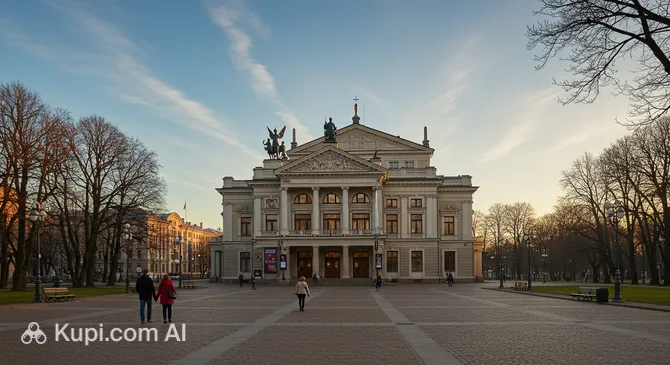
Latvian National Opera. Illustration.
Source: Kupi.com AI

Traveler photos:

The Latvian National Opera building itself is one of the outstanding architectural gems of central Riga and symbolically greets guests right at the entrance to charming Old Riga. Originally built in 1863, it survived a major fire about two decades later. After this tragic event, the building was carefully restored and rebuilt, preserving its historic grandeur and unique appearance.

Today, the Latvian National Opera is rightfully considered one of the notable opera houses in the world, with a rich history and deep traditions. It is famous for its diverse repertoire, high level of productions, and talented artists who give audiences unforgettable experiences. Visiting the opera in Riga is a wonderful opportunity to experience high art and enjoy the magic of music and dance in a truly historical atmosphere.

Contacts

To find the latest information on the repertoire, opening hours, and to purchase tickets for the Latvian National Opera, we recommend visiting the theater's official website. You can also find details at the Riga tourist information centers or directly at the opera's box office before your visit.

How to contactContact
AddressAspazijas bulvāris 3, Centra rajons, Rīga, LV-1050, Latvia
Phone number+371 67 073 777
Websitewww.opera.lv

What to Do

A visit to the Latvian National Opera is, above all, an opportunity to enjoy high-quality opera and ballet productions. The theater is proud of its diverse repertoire, which satisfies the tastes of both lovers of eternal classics and fans of modern interpretations. Special attention is paid to the works of the great composer Richard Wagner, whose creative biography is closely linked to the musical life of Riga, which gives his productions within these walls a special atmosphere.

In addition to immersing yourself in the world of music and dance, guests of the Latvian National Opera can also appreciate the theater building itself. It is not just a stage for performances, but a significant historical and architectural monument in Riga. A walk through its halls and foyers will allow you to admire the exquisite decor and feel the spirit of the time. One of the unusual architectural details that attracts attention is the preserved huge chimney of the former power plant, skillfully integrated into the modern look of the opera complex and becoming its distinctive hallmark.

Getting There

The Latvian National Opera is conveniently located in the very center of Riga, making it easily accessible for visitors. There are several ways to reach the theater, depending on your preferences and starting point.

One of the most popular options is public transport. In Riga, there is a well-developed network of bus and tram routes, many of which pass in the immediate vicinity of the opera house or have stops within a few minutes' walk. It is recommended to check the current schedules and routes on the official Riga public transport website or use mobile apps for route planning. Stops are usually named "Nacionālā opera" or are located near the Freedom Monument, which is just a stone's throw away from the opera.

For those who prefer comfort and speed, taxi services are always available. A taxi ride from most hotels in central Riga to the Latvian National Opera takes very little time and is moderately priced. You can also order a taxi from the central railway station or the bus station, which are relatively close by.

If you are staying in the central part of Riga, especially in the Old Town, a walk to the Latvian National Opera can be a pleasant part of your evening. The theater is located on Aspazijas Boulevard, next to a picturesque park and the City Canal, making the walking route especially attractive in good weather.

Nearest city: Riga

History & Facts

The history of opera in Latvia dates back to the 18th century, when the first musical performances were held in the Duchy of Courland, and the first opera productions took place in Riga. The majestic building that houses the Latvian National Opera today began its construction in 1860. The project was designed by architect Ludwig Bohnstedt, with construction work supervised by Riga architects. The grand opening of the theater took place in 1863, providing the city with a new cultural landmark.

An important stage in the development of the national opera was the creation of a Latvian opera troupe in 1912, known as Latviešu Opera, under the direction of Pāvuls Jurjāns. The period of World War I brought its own changes—the troupe was evacuated, but by 1918 they were able to return to Riga. The official birth date of the Latvian National Opera is considered to be January 23, 1919. On this day, a landmark first post-war performance took place—Richard Wagner's opera "The Flying Dutchman," which laid the foundation for future triumphs.

After the war, the opera house was headed by Professor Jāzeps Vītols, a prominent figure in Latvia's musical life, who is also known as the founder and first rector of the Latvian Academy of Music. Interestingly, the Latvian National Opera played an unexpected but important role in the development of the city's infrastructure. During restoration work, the largest power plant in Riga at that time was built next to the theater. Originally intended for the opera's needs, it gradually began to provide electricity to other city buildings, contributing to its modernization.

Time Needed

To fully enjoy a visit to the Latvian National Opera, including watching a performance, an average spectator will need approximately 2.5 to 4 hours. The duration of opera or ballet productions is typically between two and three and a half hours, including intermissions. This time will allow you to leisurely immerse yourself in the world of art and enjoy the performance.

If you plan to not only attend a performance but also pay attention to the theater building itself, its history, and architecture, you should set aside additional time. Exploring the majestic foyers, grand staircases, and other public areas before the start of the performance or during intermission can take another 30-60 minutes. Some theaters also offer building tours that can last about an hour or an hour and a half; however, it is recommended to check the availability of such tours at the Latvian National Opera in advance.

Therefore, for a full visit that includes both watching a production and seeing the theater's interiors, it is better to plan for 3-4 hours. If your goal is strictly an architectural introduction to the building (for example, as part of a special tour, if one is held), then 1-1.5 hours may be sufficient.

Working Hours

The Latvian National Opera operates according to a repertoire schedule, so there are no fixed daily opening hours for visitors like in a museum. Performance start times are usually in the evening, but there may also be matinee performances, especially on weekends or during festivals. The theater's box offices are typically open during the day, but to get the most accurate information on the performance schedule, box office hours, and ticket availability, it is highly recommended to visit the official Latvian National Opera website. There, you can also check the playbill for your preferred dates and purchase tickets online.

Given the popularity of the theater and high demand for many productions, it is highly recommended to book tickets in advance, especially if you plan to visit the opera during the peak tourist season or on premiere days. The theater season usually runs from autumn to spring, but individual concerts or special events may also take place during the summer. Information on seasonal operations and summer repertoire is also best checked on the theater's official resources.

Nearby

A visit to the Latvian National Opera will undoubtedly be a highlight of your trip to Riga. However, to make your experience even more complete and rich, it is worth paying attention to the attractions located in the immediate vicinity. The area surrounding the opera house is full of interesting places that will allow you to get to know the history, culture, and atmosphere of this amazing city more deeply.

A walk through the nearby streets and squares after a magnificent performance or before it begins can reveal new facets of Riga. This is a great opportunity to combine cultural leisure with an informative tour without spending much time on travel.

NameDistance
Riga Black Magic Bar0.3 km
Freedom Monument0.3 km
Latvian War Museum0.4 km
St. Peter's Church0.4 km
Cat House0.4 km
House of the Black Heads0.5 km
Bergs Bazaar0.5 km

Have you reached the end of the page?

So the route has been studied inside and out