Support

Bergs Bazaar

About

Bergs Bazaar, also known as Berga Bazārs, is a charming historical shopping arcade nestled in the heart of Riga, the capital of Latvia. This architectural ensemble, named after the prominent 19th-century Riga entrepreneur Kristaps Bergs, retains its commercial significance and unique atmosphere of the past to this day.
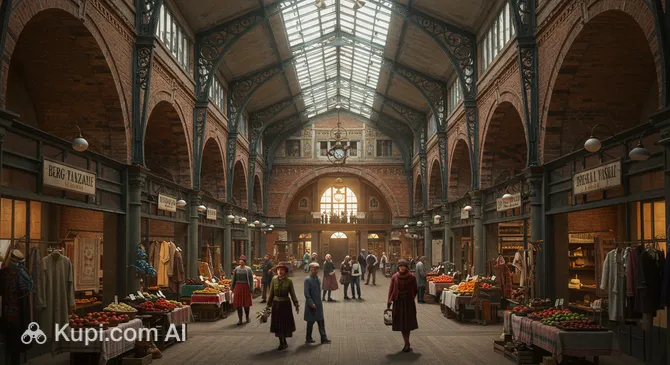
Bergs Bazaar. Illustration.
Source: Kupi.com AI

Traveler photos:

Architecturally, Bergs Bazaar is a striking example of urban development from the late 19th century. A stroll through its paved courtyards and covered galleries allows you to dive into the commercial history of Riga from that period. Originally conceived as a modern shopping complex, it still impresses today with its thoughtfulness and historical authenticity.

Today, Bergs Bazaar is not just a historical landmark but a living public space. Here you can find small shops, craft boutiques, cozy cafes, and restaurants. It is a wonderful place for a leisurely walk, a cup of coffee, or looking for original souvenirs, where you can feel the special charm of old Riga.

Contacts

For the latest information on the opening hours of individual shops and restaurants or events taking place at Bergs Bazaar, we recommend consulting the official tourism resources of Riga or checking the details directly on-site. As a historical complex, Bergs Bazaar does not have a single centralized contact service.

Getting to Bergs Bazaar is easy: it is located in the central part of Riga and is easily accessible on foot from many of the city's popular tourist areas.

How to contactContact
AddressElizabetes iela 83-85, Centra rajons, Rīga, LV-1050, Latvia
Websitewww.bergabazars.lv

What to Do

Visiting Bergs Bazaar is, above all, an opportunity to touch history and enjoy a unique atmosphere. While walking through its grounds, you can examine the historical architecture of this shopping arcade, built in the late 19th century, in detail. Note the architectural solutions and original decorative elements characteristic of that time, which will transport you back to the days of old Riga.

This place will especially appeal to history and architecture enthusiasts, as well as those interested in the commercial past of Riga. You can take many atmospheric photos of this picturesque historical complex. Furthermore, it is a great chance to learn more about the life and work of Kristaps Bergs, the famous Riga entrepreneur after whom the bazaar was named, and whose vision was realized in this landmark location for the city.

Getting There

Bergs Bazaar is located in the very heart of Riga, so getting there is quite simple. Public transport is the most convenient option for many. Numerous bus and tram routes pass through the city center, and you will easily find a stop within walking distance of the bazaar. We recommend checking the route numbers heading to this area in advance to make your trip as comfortable as possible.

For those who prefer exploring the city on foot, a walk to Bergs Bazaar from the central districts of Riga will be a pleasant addition to your experience. You can enjoy the historical architecture and the atmosphere of the streets while immersing yourself in the charm of Latvia's capital. Additionally, taxi services and popular ride-hailing apps are always available in Riga to quickly take you to this charming location.

Nearest city: Riga

History & Facts

The history of Bergs Bazaar is inextricably linked with the name of Kristaps Bergs (1843-1907), one of the key figures in the commercial life of late 19th-century Riga. This visionary entrepreneur and developer initiated the creation of the bazaar, which became one of his landmark projects and still bears his name today. Founded during a period of rapid urban development, the bazaar was designed as a modern and functional shopping complex to meet the needs of the growing city.

Bergs Bazaar became a vivid embodiment of the centuries-old trading traditions of Riga, which has historically been an important commercial hub in the region. Its appearance coincided with the active formation of urban infrastructure and the flourishing of trade, when such markets and shopping arcades played a key role in the economic and social life of the city's residents. Although detailed chronicles of every stage of the bazaar's development may be obscured by time, its existence alone is a testament to the dynamic entrepreneurial spirit of that era in Latvia.

Notably, Bergs Bazaar is not the only historical market gracing Riga. For example, the famous Central Market, which opened later in 1930, is impressive in its scale and is considered one of the largest indoor markets in Northern Europe. Also noteworthy is the Āgenskalns Market, built in the rationalist Art Nouveau style by architect Reinhold Schmaeling. However, Bergs Bazaar retains its unique intimate atmosphere and charm, standing as one of the city's early examples of thoughtful commercial architecture that reflects its founder's vision.

Time Needed

To explore Bergs Bazaar, feel its atmosphere, and take some photos, most visitors usually need about 1-2 hours. This time will be enough to leisurely stroll through its paved courtyards and covered galleries, admire the architectural details of the late 19th-century buildings, and get a general impression of this unique place in Riga.

If you plan to not just look around but also browse the shops that interest you, pick out souvenirs, or enjoy a cup of coffee or lunch at one of the local cafes or restaurants, then it is worth setting aside a bit more time for your visit to Bergs Bazaar – perhaps 2-3 hours or even longer. The duration of your visit will depend on your interest in shopping and your desire to relax at one of the establishments.

Overall, Bergs Bazaar is a place that invites you to spend your time slowly. There is no need to rush here, and everyone can enjoy its charm at their own pace, immersing themselves in the historical atmosphere of this corner of Latvia.

Working Hours

Bergs Bazaar is a complex consisting of many individual shops, boutiques, cafes, and restaurants. Because of this, the bazaar itself does not have strictly fixed opening hours as a single entity – each establishment on its territory operates according to its own schedule. You can usually walk through the bazaar's streets and courtyards throughout the day, but access to specific shops or restaurants will depend on their individual opening and closing times.

Since accurate information about the opening hours of each individual place in Bergs Bazaar can vary and change, we strongly recommend checking the latest details on the official websites of the establishments you are interested in or on Riga's tourism portals before visiting. Most businesses within the bazaar are generally open year-round, but their schedules may be adjusted depending on the season or public holidays. No advance booking or ticket purchase is required to visit the bazaar itself and stroll through its grounds, but it may be wise to book a table in advance for visits to popular restaurants.

9:00 – 22:00

Nearby

Visiting Bergs Bazaar is a wonderful opportunity to dive into the historical atmosphere of Riga, but you shouldn't limit yourself to just this spot. Exploring the surrounding area will allow you to discover even more interesting places, complement your impressions, and gain a deeper understanding of the multifaceted character of this amazing city. Numerous other attractions, parks, and cultural sites that deserve your attention are located in the immediate vicinity of the bazaar.

A walk through the neighboring streets can turn into a fascinating journey, where every corner holds its own story. This is a great chance to see more than standard tourist routes offer and to feel like a true explorer of Latvia. Below is a list of some interesting places located near Bergs Bazaar, with the distance to them indicated.

NameDistance
Palladium Riga0.3 km
Freedom Monument0.5 km
Latvian National Opera0.5 km
Digital Art House0.7 km
VR.LV0.8 km
Riga Black Magic Bar0.8 km
Latvian National Museum of Art0.8 km

Have you reached the end of the page?

So the route has been studied inside and out