Support

Cité du Train

About

Cité du Train (City of Trains) in Mulhouse is not just a museum, but a true journey through time across the history of France's railways. As the largest railway museum in Europe, it is a must-visit destination for anyone interested in technology, history, and industrial heritage. It is a unique space where the legends of the steel tracks come to life.
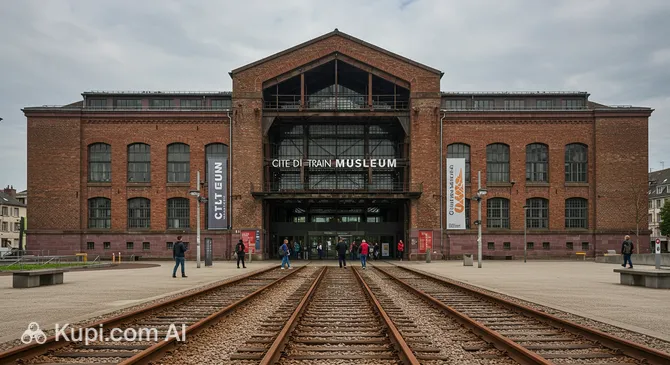
Cité du Train. Illustration.
Source: Kupi.com AI

Traveller photos:

On a vast territory of about 50,000 m², one of the world's most impressive collections of rolling stock has been gathered. The exhibition covers all eras of railway transport development: from the first clunky 19th-century steam locomotives that sparked the industrial revolution to the elegant and ultra-fast TGV trains that have become a symbol of modern engineering. Visitors can take a close look at luxurious salon cars, mail cars, and powerful locomotives, each telling its own unique story.

The museum offers more than just a static viewing of exhibits; it provides a complete immersion into the atmosphere. Interactive displays, sound effects, and carefully recreated scenes from railway life allow you to feel like a passenger or a driver from the past. Cité du Train is an exciting adventure for both adults and children, vividly demonstrating how railways changed the world.

Contacts

To plan your visit to Cité du Train (City of Trains) and get the most up-to-date information on opening hours, ticket prices, and current exhibitions, it is recommended to visit the museum's official website. There you will find all the necessary details for your trip.

How to contactContact
Address2 Rue Alfred de Glehn, 68200 Mulhouse, France
Phone+33 3 89 42 83 33
Websitewww.citedutrain.com

What to Do

Visiting Cité du Train in Mulhouse is an exciting journey into the world of railways that will interest both adults and children. In Europe's largest railway museum, an impressive collection of more than 100 historical locomotives, passenger and freight cars, and other unique railway equipment awaits you. Many exhibits are not just standing in the halls but are part of carefully recreated scenes telling the story of different eras of transport development in France.

The main feature of the museum is its interactivity and attention to detail. You can do more than just look at the trains; you can feel like a real passenger of the past. For example, in one of the metro cars, you can take a virtual trip from station to station thanks to animation and sound effects. Especially impressive is the installation recreating the atmosphere of a night railway station, where mannequins in historical costumes and special effects immerse you in the atmosphere of a bygone era.

The museum's exhibition is divided into thematic zones dedicated to the history of railways, engineering achievements, and the daily life of railway workers. Special entertainment is provided for the youngest visitors: you can ride the "Mini-Express of Alsace" mini-train, which runs through the museum grounds, or watch with delight as trains move on huge model layouts. In addition to the permanent exhibition, Cité du Train regularly hosts temporary exhibitions, workshops, and educational tours.

Getting There

The Cité du Train museum is located on the outskirts of Mulhouse, making it easily accessible for both residents and visitors. The most convenient way to reach it from the city center is by public transport. You can take tram line 3 towards Lutterbach or the tram-train towards Thann. Both routes will take you directly to the museum.

Get off at the stop called "Musées" (which is French for "Museums"). From here, it is just a few minutes' stroll to the entrance of Cité du Train. If you prefer traveling by car, there is a spacious parking lot for visitors next to the museum. Thanks to Mulhouse's convenient location in the Alsace region, a trip to the museum can be a great addition to a travel itinerary through France or even neighboring countries.

Nearest city: Mulhouse

History & Facts

Cité du Train in Mulhouse is not just a museum, but a true journey through time across the history of France's railways. The idea for its creation arose back in the 1960s, but it took a whole decade to assemble the unique collection and prepare the exhibition. The first visitors were able to see these treasures of railway engineering in 1971. Later, in 1983, the museum expanded significantly, moving into the spacious halls of an old city depot, where historical locomotives and carriages from all over the country began to be brought together.

A true transformation occurred in 2005 when the museum was completely renovated and received its modern name — Cité du Train. Today, it serves as the official guardian of France's national railway heritage (SNCF). The exhibition spans several eras, from the birth of steam power to modern high-speed trains, allowing you to trace how technology changed not just transport, but the entire country.

Among the gems of the collection, truly unique exhibits stand out. Here you can see the Buddicom "Saint-Pierre" steam locomotive, dating back to 1844, which is considered the oldest surviving locomotive in continental Europe. Another iconic locomotive is the elegant Crampton n°80 "Le Continent" from 1852, which is striking for its design and high speed for that era. These and many other exhibits tell fascinating stories of engineering breakthroughs and the people behind the development of the railways.

Time Needed

When planning a visit to Cité du Train (City of Trains), one of Europe's largest railway museums, it is worth setting aside enough time for your tour. For a general overview of the main exhibition and the most iconic exhibits, you will need at least 3–4 hours. This will allow you to walk through the main halls without rushing and get a complete impression of the museum's rich collection.

However, if you are a big railway fan, traveling with children, or simply want to dive deeper into history, it is recommended to allow half a day or even a full day for your visit. The museum features many interactive zones, temporary exhibitions, and detailed dioramas that take quite a bit of time to explore. Such a leisurely approach will allow you to fully enjoy the unique atmosphere of Mulhouse and its premier railway treasury.

Working Hours

The Cité du Train museum in Mulhouse is generally open to visitors year-round, but its opening hours may vary depending on the season. Usually, the exhibition is accessible daily from morning until evening, allowing guests to leisurely explore the history of French railways.

Since the exact schedule can vary, it is highly recommended to check the current opening hours on the museum's official website immediately before your visit. This will also help you find out if advance booking is required, which is especially important during peak tourist seasons or during special events.

10:00 – 18:00

Nearby

A visit to Cité du Train is an unforgettable immersion into railway history, but your experience in Mulhouse would be incomplete without paying attention to the city's other treasures. Exploring the surrounding area will allow you to gain a deeper understanding of the rich industrial and cultural heritage of this unique Alsace region. Many interesting places are located very close by, and visiting them can easily be added to your itinerary to complement your impressions of the main museum.

Near Cité du Train, you'll find many other attractions, from technical museums to cozy restaurants and historical buildings. To help you plan your time, we have compiled a list of interesting places located nearby.

NameDistance
Electropolis Museum0.1 km
Team Factory Escape Game and Board Game Bar1.7 km
Covered Canal Market of Mulhouse2.6 km
National Automobile Museum2.9 km
Zum Sauwadala Restaurant3 km
Saint Stephen's Church (Église Saint-Étienne) Mulhouse3.2 km
La Maison Hotel Mulhouse Centre3.3 km

Reached the bottom of the page?

Looks like you know this route inside out