Support

Atuona

About

Nestled at the foot of imposing mountains on the island of Hiva Oa, Atuona is a destination that captivates travelers with its raw beauty and profound cultural legacy. As the administrative center of the southern Marquesas Islands, this peaceful settlement offers a unique glimpse into the slower, more traditional pace of life in French Polynesia.
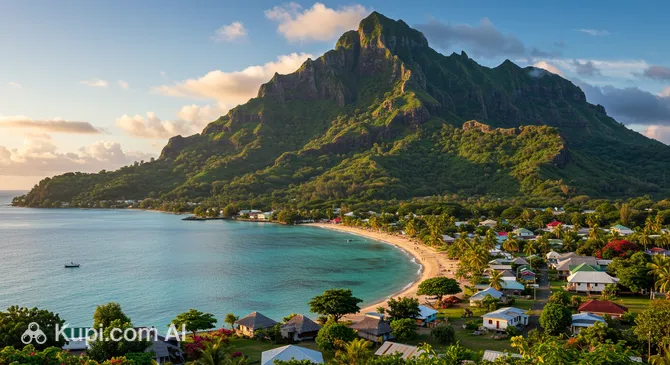
Atuona. Source: Kupi.Binoculars

The geography of Atuona is defined by its dramatic backdrop, dominated by the lush peaks of Mount Temetiu and Mount Feani which form a natural amphitheater around the village. With a modest population of approximately 350 residents, the town maintains an intimate and welcoming atmosphere. The climate here is tropical and humid, nurturing the vibrant vegetation that surrounds the black sand beaches of Atuona Bay.

Despite its small size, the town holds a significant place on the world map due to its famous former residents. The history of Atuona is forever linked to the French Post-Impressionist painter Paul Gauguin and the Belgian singer Jacques Brel, both of whom sought refuge and inspiration on these shores. A visit to the Calvary Cemetery, where both artists are buried, offers not only a moment of reflection but also panoramic views of the harbor below.

Travelers are drawn to Atuona to explore the Paul Gauguin Cultural Center, which houses replicas of the artist's works and a reconstruction of his "Maison du Jouir." Whether you are an art enthusiast tracing the steps of legends or a nature lover seeking the rugged charm of the Marquesas, Atuona invites you to experience its timeless mana and breathtaking scenery.

Weather Overview

The climate in this part of the Marquesas Islands is characteristically tropical, offering warm and stable conditions throughout the year. Visitors planning a trip can check the detailed weather in Atuona to pack accordingly, but generally, the weather remains pleasant with very little seasonal variation.

Temperatures are remarkably consistent, with daily averages staying comfortably between 25°C and 27°C. March and April tend to be the warmest months, seeing highs around 28°C, while August is slightly cooler with minimums dipping to about 24.4°C. Rainfall is a regular occurrence regardless of the season, with 10 to 15 wet days recorded each month, so expect warm days mixed with frequent, though often brief, showers.

Interesting Facts

Beyond the famous graves and museums, Atuona holds fascinating stories that reveal the depth of its history and the resilience of its island community. Here are some intriguing facts about this remote settlement:

  • The Singer Who Became a Pilot: While the world knows Jacques Brel for his music, the locals of Atuona knew him as "Monsieur Jacques," a dedicated pilot. He used his private Beechcraft Twin Bonanza, affectionately named "Jojo," to operate a lifeline for the islanders, frequently flying sick residents to hospitals in Tahiti. The restored plane is now displayed in a hangar in the town as a tribute to his generosity.

  • Secrets in the Well: When Paul Gauguin's property was being restored, archaeologists discovered an old well that had been filled in and forgotten. Excavating it revealed a candid glimpse into the artist's final struggles; the well contained empty absinthe bottles, morphine ampoules, and broken teeth, physical evidence of the pain and addiction that marked his last years in the tropics.

  • The Bay of Traitors: The picturesque bay that Atuona overlooks is historically known as the Baie des Traîtres (Bay of Traitors). This ominous name likely stems from early European explorers who were deceived by the bay's calm appearance, only to find that hidden currents and sudden winds made it a treacherous place to anchor ships.

How to Get There

Traveling to the Marquesas Islands is a journey into one of the most remote and captivating corners of the world. While the voyage requires some planning, the destination is well worth the effort. You can find more about how to get to Atuona and the specific travel logistics to help organize your trip to this lush paradise.

The primary gateway for visitors is Hiva Oa Airport (AUQ), which is conveniently located within Atuona itself. This small but vital facility connects the island to Tahiti and other parts of the archipelago. Since the airport is situated just 5.3 km from the main settlement, the transfer is straightforward; a taxi or shuttle ride typically takes approximately 30 minutes.

Travelers may also find themselves transiting through Nuku Hiva Airport (NHV), located on the island of Nuku Hiva. Although it is about 172 km away from Atuona, it serves as a major regional hub for the Marquesas group, often acting as a connecting point for inter-island flights.

For clarity, here is a summary of the main airports:

Airport Name City Passenger Traffic (Annual) Km from City
Nuku Hiva Airport Nuku Hiva 52,685 171.7
Hiva Oa Airport Atuona 35,000 5.3

Main Attractions

While Atuona is a small settlement, it is rich in history and culture, offering visitors a profound connection to the artistic legends who once called this island home. The main points of interest are centered around the lives of Paul Gauguin and Jacques Brel, as well as the impressive ancient heritage of the Marquesas Islands.

The Paul Gauguin Cultural Center is an essential stop for art lovers. Located in the heart of the village, this museum pays tribute to the French Post-Impressionist painter who spent his final years here. The site features a faithful reconstruction of his famous "Maison du Jouir" (House of Pleasure), giving tourists a tangible sense of his daily life. Inside the museum, you can admire high-quality copies of the masterpieces he created on the island, as the originals are scattered in museums worldwide. It is a moving experience to stand in the very environment that inspired his vibrant and primitive style.

Just a short distance away, the Espace Jacques Brel honors the Belgian singer and poet who also fell in love with Hiva Oa. The centerpiece of this attraction is "Jojo," Brel's restored Beechcraft airplane, which hangs proudly in a dedicated hangar. The exhibit includes photographs, excerpts of his lyrics, and recordings of his songs, creating an emotional atmosphere that celebrates his connection to the local community. It provides a fascinating look at how the artist spent his final years as a pilot and neighbor to the islanders.

For a mix of history and panoramic scenery, a visit to Calvary Cemetery is a must. Perched on a hill overlooking Atuona Bay, this peaceful burial ground is the final resting place of both Gauguin and Brel. The walk up can be steep, but the reward is a breathtaking view of the harbor and the surrounding volcanic peaks. Gauguin’s grave is marked by a replica of his "Oviri" statue, while Brel’s is adorned with a plaque featuring his profile. It is a place of quiet reflection and one of the most photographed spots on the island.

A short drive from Atuona leads to the Tohua Upeke in the valley of Taaoa. This is one of the largest and most significant archaeological sites in French Polynesia. The complex consists of extensive stone platforms (paepae) and ceremonial grounds surrounded by towering trees. Unlike the museums in town, this site offers a raw and atmospheric encounter with the ancient Marquesan civilization. The mystical ambiance and the sheer scale of the stone structures make it a captivating excursion for those interested in history and anthropology.

Local Cuisine

Dining in Atuona offers a flavorful journey into the heart of the Marquesas, where the abundance of the land and sea defines every meal. The local cuisine is a delightful blend of traditional Polynesian recipes and French culinary techniques, relying heavily on fresh, locally sourced ingredients. Due to the fertile volcanic soil of Hiva Oa, fruit and vegetables grow with exceptional flavor, making the dining experience here both healthy and indulgent.

Seafood lovers will be in paradise, as the ocean provides a daily bounty of tuna, mahi-mahi, and succulent lobster. The most iconic dish to try is Poisson Cru (raw fish), marinated in lime juice and fresh coconut milk, often served with crunchy vegetables. For a taste of something uniquely Marquesan, look for Kaaku, a dense and comforting paste made from pounded breadfruit (*uru*) mixed with creamy coconut milk. Meat eaters should not miss the local wild goat (*chèvre*), which is frequently slow-cooked in a rich curry or coconut sauce, highlighting the island's hunting traditions.

To quench your thirst, the local fruit juices are unbeatable. The Marquesas are famous for their sweet and large grapefruits (*pamplemousse*), often served as fresh juice at breakfast or as a starter. Coconut water is available straight from the nut, providing natural hydration in the tropical heat. For those looking to relax after a day of exploring, a cold Hinano beer, the quintessential lager of the islands, or a glass of French wine pairs perfectly with the sunset views.

The food culture in Atuona is laid-back and intimate. Unlike bustling cities, you won't find large chains or crowded food courts here. Instead, most visitors enjoy meals at "Snacks"—small, casual eateries serving hearty plates for lunch—or at the dining tables of local guesthouses and hotels. Dining at your accommodation is common and offers a wonderful opportunity to taste home-cooked regional specialties while chatting with hosts about island life.

Travel Tips

Visiting Atuona is an adventure into the heart of the Marquesas, where rugged landscapes meet warm hospitality. To ensure your journey to this remote corner of the world is as smooth as it is memorable, here are some essential practical tips to keep in mind.

  1. Clothing and Gear: The climate is tropical and humid, so pack light, breathable fabrics like cotton or linen. However, sudden rain showers are common, so a lightweight waterproof jacket is essential. Since the terrain is steep and rugged, bring sturdy hiking boots or comfortable walking shoes, especially if you plan to visit the Calvary Cemetery or archaeological sites. Crucially, pack a strong insect repellent; the local sandflies, known as nonos, are prevalent on beaches and their bites can be very itchy.

  2. Transportation: There is no public transport system like buses or metros in Atuona. The village center is small enough to explore on foot, but to see the rest of Hiva Oa, renting a 4x4 vehicle is highly recommended due to the steep, winding, and sometimes unpaved roads. Alternatively, hiring a local guide with a car is a great way to navigate the island safely while learning about its history.

  3. Finances: The currency used is the Pacific Franc (XPF). While major hotels and the Paul Gauguin Cultural Center may accept credit cards, cash is absolute king in Atuona. You will need cash for small grocery stores ("magasins"), snack bars, and buying crafts from artisans. There is a bank with an ATM in the village, but it is wise to withdraw cash in Tahiti before arriving, as the local machine can occasionally be out of service.

  4. Health and Safety: Atuona has a medical center and a pharmacy, but facilities are basic compared to larger cities. Bring a sufficient supply of any personal prescription medications you require. The tap water is generally not recommended for drinking unless boiled, so stick to bottled water. The town is very safe, but always use common sense and avoid walking alone in unlit areas at night.

  5. Communication: French is the official language, and Marquesan is the local tongue. English is not widely spoken outside of hotels and tour agencies. Learning a few basic French phrases or the local greeting "Kaoha" (Hello) will help you connect with residents. Wi-Fi is available in most guesthouses but can be slow; for mobile data, a Vini SIM card typically offers the best coverage in the Marquesas.

  6. Local Etiquette: Politeness is highly valued here. Always greet people when entering a shop or passing on the street. When visiting ancient stone platforms (paepae) or tikis, treat them with the utmost respect; do not climb, sit, or stand on these sacred structures. Dress modestly when walking through the village—swimwear is appropriate only for the beach or pool.

  7. What to Avoid: diverse fruit trees line the roads, but never pick fruit without asking permission first. These trees usually belong to a nearby family, and taking from them is considered theft. Also, avoid being loud or boisterous in public places, as the local culture is generally reserved and quiet.

  8. Island Rhythm: Be prepared for the "island time" schedule. Many shops and businesses close for a long lunch break (siesta) from around 12:00 PM to 2:00 PM or 3:00 PM. On Sundays, Atuona is extremely quiet as most locals attend church and spend the day with family; few shops will be open, so plan your meals and activities in advance.

By packing the right gear and embracing the local customs, you will be fully prepared to enjoy the magic of Hiva Oa without worry. Atuona is a place to disconnect from the rush of the modern world and immerse yourself in the timeless beauty and mana of the Marquesas.

Entertainment & Nightlife

Entertainment and nightlife in Atuona are defined by the town's remote location and small population. Travelers accustomed to bustling cities with neon-lit clubs and late-night discos will find a very different pace here. The "nightlife" in this quiet village revolves around tranquility, nature, and intimate social gatherings. The evenings are less about partying and more about enjoying a relaxed dinner, watching the sunset over the bay, and soaking in the incredible silence of the Marquesas under a canopy of stars.

The main hub for evening activity is undoubtedly the Hanakee Pearl Lodge. Perched high on a ridge overlooking the ocean and Mount Temetiu, the lodge's restaurant and bar offer the most sophisticated setting in town. It is the perfect spot to enjoy a cocktail while watching the sun dip below the horizon. On select evenings, the lodge hosts "Polynesian Nights," featuring traditional Marquesan dance performances and buffet dinners. These events are the closest you will get to a vibrant nightlife scene and are a fantastic way to experience local culture.

For a more casual and authentic local experience, visitors often head to Snack Make Make in the village center. While primarily a lunch spot, it is a popular gathering place where you can enjoy a hearty meal and mingle with residents. Another option is the restaurant at Relais Moehau, known for its friendly atmosphere and stunning views of the bay. In Atuona, the "nightclubs" are essentially the communal dining tables of local guesthouses (pensions), where travelers and hosts share stories over home-cooked meals well into the evening.

Practicality is key when planning an evening out in Atuona. The town shuts down early; most shops close by late afternoon, and restaurants typically stop serving dinner around 8:30 PM or 9:00 PM. The dress code is universally casual—shorts, sandals, and light shirts are acceptable everywhere, even in the nicest hotel bars. Prices for drinks and meals are comparable to Tahiti, though imported alcohol can be expensive due to the remoteness of the island.

Safety in Atuona is generally not a concern regarding crime, but the environment requires caution. The streets are dimly lit or completely dark after sunset. If you decide to walk back to your accommodation, carrying a flashlight or using your phone's torch is essential to avoid tripping on uneven roads. Be aware of local dogs, which roam freely and can be territorial at night. There are no taxis cruising the streets for passengers; if you are dining away from your hotel, you must arrange a return transfer with the restaurant or your host in advance.

While the nights are quiet, daytime entertainment in Atuona is rich with cultural and natural exploration. There are no cinemas or amusement parks; instead, the "theaters" of the island are its museums and archaeological sites. Visitors spend their days exploring the Paul Gauguin Cultural Center or hiking the rugged trails of Hiva Oa. The contrast between the active, sun-drenched days and the peaceful, starry nights is exactly what makes a stay in Atuona so restorative.

Parks & Museums

While Atuona is not a city of manicured urban parks in the traditional sense, its entire landscape serves as a breathtaking natural reserve. The village is embraced by towering emerald peaks and faces a dramatic bay, creating a setting where culture and nature are inextricably linked. Visitors here will find that the "green spaces" are the wild valleys and volcanic slopes, while the museums serve as poignant tributes to the artistic giants who sought solace in this remote paradise.

Atuona Bay acts as the town's natural front yard. Framed by the imposing Mount Temetiu, the bay features a striking beach of volcanic black sand. While it is not typically a swimming destination due to the presence of sharks and strong currents, it is a magnificent spot for a coastal walk. The raw, untamed beauty of the shoreline, with waves crashing against the dark sands and coconut palms swaying in the trade winds, offers a perfect example of the rugged Marquesan landscape.

Although it is a burial ground, the Calvary Cemetery functions as one of the most serene and scenic parks in the area. Located on a promontory above the village, this site is maintained with the care of a botanical garden, filled with frangipani trees and blooming tropical flowers. It offers a quiet retreat where visitors can sit and admire the panoramic views of the bay and the Taaoa valley. The peaceful atmosphere makes it a favorite spot for contemplation and photography, blending history with the island's lush vegetation.

The cultural heart of the village is the Paul Gauguin Cultural Center. Built on the very land where the artist lived, this museum is more than just a gallery; it is an immersive experience into his final years. The complex includes a meticulous reconstruction of his "Maison du Jouir" (House of Pleasure), complete with carved wooden panels and the famous well found on the property. Inside the main building, visitors can view high-quality reproductions of the works Gauguin created in French Polynesia, arranged to tell the story of his search for a primitive paradise.

Adjacent to the center is the Espace Jacques Brel, a touching tribute to the Belgian chansonnier. The museum is centered around a large hangar housing "Jojo," the artist's beloved Beechcraft Twin Bonanza airplane. Unlike a traditional silent museum, this space is filled with the sound of Brel's music, creating an emotional ambiance. Exhibits display his flight logs, photographs, and personal letters, highlighting his role not just as a celebrity, but as a community member who used his plane to help the islanders.

For a lesser-known cultural experience, head towards the Tohua Pepeu. While the massive Tohua Upeke is more famous, Pepeu is located closer to the center of Atuona and serves as a community gathering place. It features a restored ceremonial platform and modern wood carvings that reflect ancestral styles. It is often the venue for local festivals and dance rehearsals, offering a glimpse into the living culture of the Marquesas beyond the museum walls.

Getting Around

Travelers accustomed to the complex transit networks of major global capitals will find a refreshing simplicity in Atuona. Due to its small size and remote location, the town does not have a formal public transport system. There are no subways, trams, or scheduled municipal buses operating within the village or connecting it to other parts of the island. Instead, getting around relies on a mix of walking, private arrangements, and vehicle rentals.

The closest equivalent to public transportation is the local taxi service, though it operates quite differently from what you might expect in a bustling metropolis. Taxis here are generally privately owned vehicles and do not cruise the streets looking for passengers. You cannot simply flag one down on the roadside. Instead, rides must be booked in advance, usually by asking your hotel or guesthouse host to call a driver for you. These services are reliable but limited, often centering around airport transfers or specific day trips rather than short hops within the village.

Regarding payment, the system is strictly cash-based. There are no travel passes, smart cards, or mobile transport apps available in Atuona. You will need to pay the driver directly in the local currency, the Pacific Franc (XPF). Prices are generally fixed for standard routes, such as the trip from the airport to the town center, but for custom journeys, it is wise to agree on the fare before setting off. Do not expect drivers to have card terminals; carrying small change is highly recommended.

For tourists, the most practical advice is to plan your movements ahead of time. Since there is no scheduled transport to rely on, you cannot leave your logistics to the last minute, especially for evening dining. "Operating hours" for taxis are informal; drivers may not be available late at night unless a pickup has been pre-arranged. If you are dining at a restaurant away from your accommodation, ensure you have a confirmed return ride before you finish your meal.

Given the lack of buses, the most popular alternative for exploring beyond the village limits is renting a vehicle. A 4x4 is considered essential if you plan to tour the island of Hiva Oa, as the roads can be steep and winding. For those staying strictly within Atuona, walking is a viable and pleasant option, as the main attractions, shops, and the waterfront are all located within a relatively small area. Recently, electric bicycle rentals have also become an option, offering a breezy way to tackle the local hills without the need for a car.

Accommodation

Accommodation in Atuona reflects the authentic and secluded nature of Hiva Oa. Travelers should not expect sprawling international resort chains or high-rise hotels. Instead, the town offers a modest selection of lodgings that prioritize intimacy, local hospitality, and integration with the surrounding landscape. The options primarily consist of family-run guesthouses, known locally as pensions, along with a few small-scale hotels that provide comfortable amenities amidst the wild beauty of the Marquesas.

Most places to stay are situated on the hillsides overlooking the village and Atuona Bay. This elevation is strategic; not only does it offer breathtaking panoramic views of Mount Temetiu and the ocean, but it also captures the cooling trade winds, which are a welcome relief in the tropical climate. While staying on the heights provides scenery and serenity, it does mean that a rental car or arranged transfer is often necessary to reach the village center or the beach.

For visitors seeking a balance of comfort and spectacular vistas, the Hanakee Pearl Lodge is the premier choice in the area. Perched high on a ridge, it offers bungalow-style accommodation with private terraces that command sweeping views of the bay and the volcanic peaks. It is well-known for its infinity pool and on-site restaurant, making it a favorite for travelers who want a touch of luxury in this remote setting. Another popular option is Relais Moehau, a friendly establishment appreciated for its warm welcome and excellent pizza restaurant, offering a comfortable base for exploring the island.

A significant portion of the accommodation market is made up of traditional guesthouses (pensions). These establishments offer a more immersive experience, often allowing guests to dine with the hosts and learn about island life firsthand. Facilities are generally simple but clean and comfortable. It is standard practice for these lodgings to offer "half-board" (demi-pension) rates, which include breakfast and dinner, as dining options in the town can be limited in the evenings.

Booking Tip: Because the total number of rooms in Atuona is quite low, availability can disappear quickly, especially during local festivals or the peak tourist season (July and August). It is highly recommended to book your accommodation several months in advance to secure your preferred spot.

Regarding costs, prices in Atuona generally range from mid-range to premium. The remoteness of the island increases the cost of operations, so budget backpacker hostels with dormitory beds are virtually non-existent. Booking can often be done through online travel platforms for the larger properties, but many smaller pensions still rely on direct email or phone reservations. While the main hotel accepts credit cards, some smaller guesthouses may prefer cash or local bank transfers, so it is wise to clarify payment methods before arrival.

Nearby Cities

For those looking to explore the surroundings, Atuona serves as an excellent base for day trips to several interesting nearby locations:

One of the most popular excursions is to the village of Puamau, located on the northeastern tip of the island of Hiva Oa. The journey itself is a scenic adventure, winding through lush valleys and along dramatic coastal cliffs. Puamau is famous for hosting the Iipona archaeological site, home to the largest ancient stone tikis in French Polynesia. Standing over 2.4 meters tall, the impressive Takaii tiki is a masterpiece of Marquesan art and a must-see for history enthusiasts.

Just a short drive west of Atuona lies the quaint village of Taaoa. Known for its rugged black sand bay and the massive Tohua Upeke ceremonial complex, this area offers a quieter, more atmospheric experience. Visitors can wander through the village to see the charming local church and enjoy the raw power of the ocean crashing against the volcanic shore, making it a perfect spot for a relaxing half-day visit.

For those willing to travel a bit further, the neighboring island of Nuku Hiva offers a spectacular change of scenery. Although it requires a short inter-island flight, it is the administrative capital of the Marquesas and boasts the towering Vaipo Waterfall and the dramatic Hakaui Valley. It serves as the primary regional hub and offers a different perspective on the archipelago's geology and culture.

City Population Distance (km)
Papeete 131695 1423
Moorea 18000 1447
Huahine 6000 1506
Nuku Hiva 3000 160
Rangiroa 2500 1105

These nearby destinations offer a glimpse into the diverse culture and landscapes of the region.

Shopping & Souvenirs

Shopping in Atuona is a delightful reflection of the town's intimate and remote character. Travelers should not expect bustling high streets, luxury brand boutiques, or duty-free complexes. Instead, the shopping experience here is authentic and small-scale, focused primarily on daily essentials for residents and exquisite handicrafts for visitors. It is an opportunity to purchase goods directly from the artisans who make them, ensuring a genuine connection to the local culture.

The commercial heart of the village is concentrated along the main road that runs through the center of Atuona. Here, you will find a few general stores, locally known as "magasins." These shops are the lifeline of the community, stocking everything from fresh baguettes and canned goods to flip-flops and basic hardware. A stroll down this street offers a glimpse into the slow-paced island life, where shopping is as much about social interaction as it is about purchasing necessities.

There are no shopping malls or large department stores in Atuona. The retail landscape is defined by standalone family-run businesses. If you are looking for specific luxury items or extensive electronics, it is best to purchase them in Tahiti before traveling to the Marquesas.

The highlight of shopping in Atuona is undoubtedly the Fare Artisanal (Artisan Center). The Marquesas Islands are famous throughout French Polynesia for the superior quality of their craftsmanship, and this center is the best place to view and buy local works. Visitors can find intricate wood carvings made from rosewood or oceanic walnut (tou), featuring traditional motifs like tikis, turtles, and lizards. It is also a prime spot to find Tapa, a traditional bark cloth painted with geometric designs, which makes for a unique and lightweight wall hanging.

When looking for souvenirs, authentic Marquesan handicrafts are the most prized items to bring home. Beyond wood and stone carvings, look for jewelry made from bone, seeds, or shells. For a taste of the island, Hiva Oa honey is renowned for its floral complexity and makes a sweet gift. Additionally, the gift shop at the Paul Gauguin Cultural Center offers high-quality art prints, books, and pareos inspired by the painter's works, perfect for art enthusiasts.

Understanding local business hours is crucial for a frustration-free experience. Stores typically open early, around 7:30 AM or 8:00 AM, but almost all businesses observe a strict "siesta" closure during the middle of the day, usually from 12:00 PM to 2:00 PM or 3:00 PM. On Saturday afternoons and all day Sundays, the town is virtually asleep, with most shops closed. Plan your shopping errands for weekday mornings to ensure everything is open.

Regarding payment, cash is the absolute standard in Atuona. The currency is the Pacific Franc (XPF). While the Paul Gauguin museum and perhaps a major hotel might accept credit cards, the artisan center, small grocery stores, and snack bars almost exclusively deal in cash. There is an ATM in the village, but it can occasionally be out of service or out of cash, so arriving with a sufficient supply of local currency is highly recommended.

Nearby cities

Reached the end of the page?

That means the route is fully explored