Support

Papeete

About

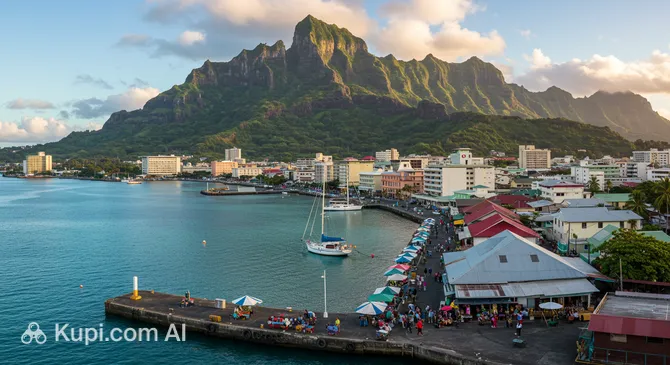
Papeete serves as the vibrant heartbeat of the South Pacific and the capital city located on the island of Tahiti. It offers a unique blend of French sophistication and relaxed island charm, acting as the primary gateway for travelers exploring the stunning archipelago of French Polynesia. Unlike the quiet seclusion of the outer islands, this city buzzes with energy, serving as the economic, administrative, and cultural center of the region.

Papeete. Source: Kupi.Binoculars

The city is characterized by its busy streets, colorful harbor, and a lush backdrop of green volcanic peaks. With a population of over 130,000 in its urban area, it is a lively hub in the midst of a tropical paradise. Visitors interested in the past can explore the history of Papeete to understand how it evolved from a quiet port into a modern city while retaining its Polynesian heritage.

Travelers will find plenty to see and do within the city limits. The iconic Marché de Papeete is a sensory delight, filled with vendors selling fresh tropical fruit, fish, and handcrafted souvenirs. In the evenings, the waterfront area at Place Vai'ete comes alive with "roulottes" (food trucks), offering a delicious taste of local cuisine in a casual setting. The city is also renowned for its jewelry boutiques, making it the perfect place to shop for exquisite Tahitian black pearls.

Whether you are stopping over before heading to more remote lagoons or staying to soak up the local urban culture, Papeete offers a warm and dynamic welcome. It is an essential stop to experience the authentic rhythm of Tahitian life and enjoy the conveniences of a modern city in a spectacular setting.

Weather Overview

Papeete enjoys a tropical climate with consistent warmth throughout the year, making it an inviting destination regardless of the season. Average temperatures remain quite stable, generally ranging from a comfortable 23°C in the cooler months to around 26°C during the peak of summer. This steady warmth is perfect for enjoying the island's outdoor activities and lush scenery.

Travelers should note that rainfall patterns vary more significantly than the temperature. The period from December through April typically sees a higher frequency of rain, with January often experiencing up to 27 wet days. In contrast, the months from June to September are generally drier and slightly cooler, with August recording the fewest wet days. For a more detailed breakdown of what to expect during your stay, you can consult the guide to the weather in Papeete.

Expect warm, tropical temperatures year-round with frequent showers during the humid summer months and clearer, slightly cooler days in the winter season.

Interesting Facts

Beyond the main attractions, Papeete holds many fascinating secrets that reveal its depth as a cultural capital. This bustling city is more than just a transit hub; it is a place where ancient traditions and modern urban life intertwine in unexpected ways.

  • The name "Papeete" translates to "water from a basket." Historically, the area was a gathering place where Tahitians came to fill their calabashes with fresh spring water, a vital resource that established the location's importance long before it became a modern city.

  • While often celebrated for its traditional Polynesian culture, the city has transformed into a vibrant canvas for contemporary street art. Thanks to the international Ono'u Festival, the downtown streets are adorned with massive, colorful murals created by world-renowned graffiti artists, turning the urban landscape into an open-air museum.

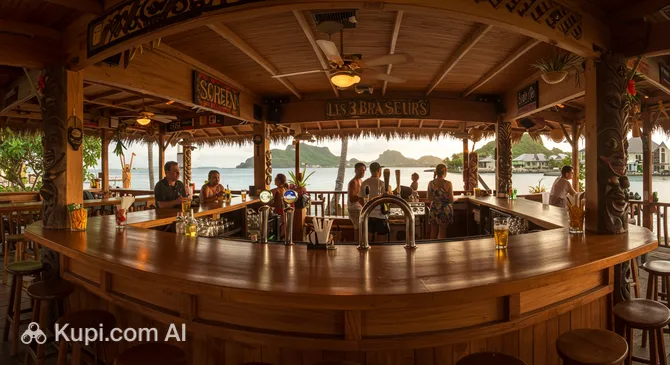
  • Beer enthusiasts might be surprised to discover a genuine microbrewery operating in the heart of the tropics. Les 3 Brasseurs brews its own craft beers on-site, offering a unique fusion of French brewing expertise and local island vibes.

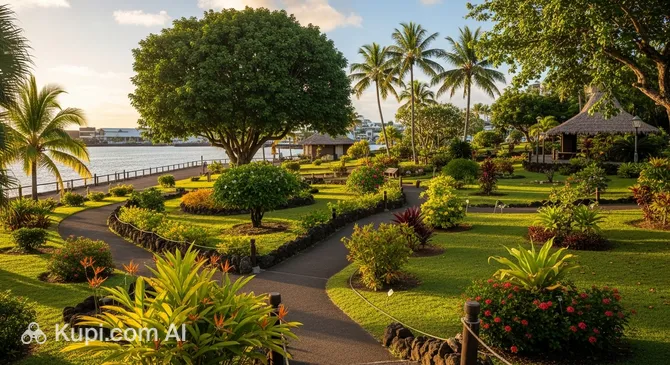
  • The city features a stunning green oasis known as Pā'ōfa'i Gardens, which stretches along the waterfront. This park is not only a botanical showcase of endemic plants and coconut palms but also a prime spot for watching locals practice va'a (outrigger canoeing) in the lagoon.

Pā'ōfa'i Gardens. Source: Kupi.Binoculars

How to Get There

Reaching the vibrant capital of French Polynesia is the first step of an unforgettable tropical journey. Whether you are arriving from an international destination or hopping over from a neighboring island, you can find all ways to reach the city and plan your route in detail. The city serves as the primary transportation hub for the entire archipelago, connecting Tahiti to the world by air and sea.

The most direct and common entry point is Tahiti Faa'a Airport (PPT), the only international airport in the territory. It is conveniently located in Papeete (specifically in the Faa'a commune), just 4.8 km from the city center. As the main gateway, it handles a large volume of passengers and offers essential services for travelers. A trip from the airport to downtown Papeete typically takes about 27 minutes by taxi or bus, depending on traffic conditions.

For those exploring the region, Temae Airport (MOZ) is another nearby hub, although it is located in the city of Moorea on the adjacent island, approximately 21.2 km from Papeete. While you cannot drive directly from there, it is a key connection point for visitors who often take a short ferry ride or flight to reach the capital. Travelers coming from further afield within the archipelago might transit through other regional airports, but all international flights land at Tahiti Faa'a.

For clarity, here is a summary of the main airports:

Airport Name City Passenger Traffic Km from City
Tahiti Faa'a Airport Papeete Large 4.8
Motu Mute Airport Bora Bora Medium 261.9
Raiatea Airport Raiatea Medium 221.0
Huahine Airport Huahine Medium 180.8
Temae Airport Moorea Medium 21.2

Since there are no railway services in French Polynesia, the only other major way to arrive in Papeete is by sea. The city's port is a bustling stop for cruise ships touring the South Pacific and serves as the main terminal for ferries connecting Tahiti with Moorea and other islands.

Main Attractions

Papeete offers a delightful mix of cultural experiences, culinary adventures, and scenic spots that reflect the island's unique character. While many visitors use the city as a transit point, taking the time to explore its streets reveals a vibrant atmosphere where French influence meets Polynesian tradition. From bustling markets to serene waterfront parks, there are several key locations that every traveler should visit.

One of the most beloved gathering spots in the city is Place Vai'ete. Located right on the waterfront, this square transforms as the sun sets, becoming the heart of Papeete's casual dining scene. It is famous for its "roulottes" (food trucks), which serve everything from fresh tuna tartare and Chinese dishes to savory crêpes. Tourists flock here not just for the affordable and delicious food, but for the lively, communal atmosphere that captures the essence of local life.

Place Vai'ete. Source: Kupi.Binoculars

For a relaxing escape from the urban buzz, Pā'ōfa'i Gardens is the perfect destination. This beautifully landscaped park stretches along the coast, offering paved paths for walking and jogging, as well as lush green spaces for picnics. It is an excellent place to watch the sunset over Moorea or to observe locals paddling their outrigger canoes in the lagoon. The gardens provide a tranquil green oasis in the middle of the city, making it a favorite for families and nature lovers.

Those looking to experience a piece of the city's social history should stop by Le Retro. Situated on the busy Boulevard Pomare, this iconic restaurant and bar exudes a nostalgic charm with its colonial-style architecture and classic ambiance. It is a prime location for people-watching, allowing visitors to enjoy a coffee or a meal while observing the hustle and bustle of the harbor front. Its enduring popularity makes it a staple of the Papeete dining landscape.

Le Retro. Source: Kupi.Binoculars

If you are in the mood for a refreshing drink, Les 3 Brasseurs offers a unique experience as the Pacific's well-known microbrewery. Located centrally, this establishment brews its own craft beers on-site, providing a distinct taste that contrasts with the typical island lagers. With a festive pub atmosphere and a menu of hearty dishes, it is a popular venue for both locals and tourists looking to unwind after a day of exploration.

Les 3 Brasseurs. Source: Kupi.Binoculars

Local Cuisine

The culinary landscape of Papeete is a mouthwatering fusion of traditional Polynesian flavors, classic French techniques, and significant Chinese influences. At the heart of the local diet is fresh seafood, caught daily from the surrounding ocean. The undisputed star of the table is Poisson Cru au Lait de Coco (raw fish with coconut milk). This refreshing national dish typically consists of fresh red tuna marinated in lime juice and mixed with diced vegetables and freshly squeezed coconut milk, offering a perfect balance of acidity and creaminess.

Beyond seafood, the city's food scene is heavily defined by its diversity. You will frequently find dishes like Chao Men (stir-fried noodles) and other Cantonese-style specialties, reflecting the island's strong Chinese heritage. Meanwhile, the French connection is unmistakable in the abundance of crusty baguettes, delicate pastries, and rich cheeses available throughout the city. Breakfast often features firi firi, delicious coconut-milk donuts dipped in coffee or hot chocolate.

For a truly authentic dining experience, travelers should head to the waterfront after sunset. The famous food trucks, known locally as "roulottes," gather at Place Vai'ete to serve generous portions of grilled fish, steaks, savory crêpes, and pizza. Eating here is a social event where locals and visitors sit together at communal tables, enjoying the cool evening breeze and the casual, lively atmosphere.

For those preferring a sit-down meal with a view of the bustling street life, Le Retro offers a quintessential brasserie experience. Located along the main boulevard, it serves classic French bistro fare and local seafood dishes, making it a popular spot to watch the world go by. The city's restaurants range from high-end gastronomic establishments to casual eateries, ensuring there is something to satisfy every palate.

No culinary tour is complete without sampling the local beverages. Freshly squeezed fruit juices, particularly pineapple and papaya, are staples, as is the refreshing water from young coconuts. Beer lovers can enjoy the ubiquitous Hinano lager or visit Les 3 Brasseurs, a microbrewery that crafts unique beers on-site using local ingredients. Whether sipping a tropical cocktail or a cold draft, the drink selection perfectly complements the island's warm climate.

Travel Tips

Welcome to the bustling capital of French Polynesia! Navigating Papeete is a breeze with a little local know-how, ensuring you can seamlessly enjoy its unique blend of urban energy and island relaxation.

  1. Dress for the Tropics and the Town. The climate is warm and humid year-round, so pack lightweight, breathable fabrics like cotton or linen. However, unlike the beach resorts, Papeete is a working city; wearing swimwear or revealing beach attire in downtown streets and shops is considered disrespectful. Always carry a light raincoat or umbrella, as tropical showers can occur suddenly, especially between November and April.
  2. Getting Around. The city center is compact and best explored on foot. For longer distances, the modern Tere Tahiti buses are an affordable way to travel along the coast, though schedules can sometimes be flexible. Taxis are available but can be quite expensive; always check the fare or ask for an estimate before hopping in. If you plan to tour the whole island of Tahiti, renting a car for a day is often the most convenient option.
  3. Managing Your Money. The local currency is the Pacific Franc (XPF). While credit cards are widely accepted in hotels, larger restaurants, and boutiques, cash is king at the Marché de Papeete and the famous food trucks (roulottes). ATMs are readily available throughout the city. Tipping is not a standard practice in Polynesian culture and is not expected, though a smile and a warm "thank you" are always valued.
  4. Health and Safety Essentials. Papeete is generally safe, but standard precautions against petty theft apply, especially in crowded market areas. The tropical sun is stronger than it feels, so high-SPF sunscreen and a hat are non-negotiable. Mosquitoes can be a nuisance and carry tropical viruses, so apply repellent regularly, especially at dusk. Pharmacies are marked with a green cross and carry high-quality French medications.
  5. Language and Connection. French is the official language, and Tahitian is widely spoken. While English is understood in most tourist establishments, learning a few local phrases goes a long way in earning smiles. Say Ia ora na (Hello) to greet people and Mauruuru (Thank you) to show appreciation. Buying a local SIM card (Vini or Vodafone) at the airport or in town is recommended for reliable navigation and internet access.
  6. Local Etiquette. Polynesians are incredibly warm and welcoming. It is polite to greet shopkeepers or hotel staff when you enter. If you are invited into a local home or certain traditional spaces, remember to remove your shoes before entering. Life here moves at "island time," so patience and a relaxed attitude are key when waiting for service or transport.
  7. What to Avoid. Do not haggle aggressively at the markets. Unlike in some other parts of the world, bargaining is not a strong local tradition, except perhaps for higher-value items like black pearls where a polite negotiation might be acceptable. For produce and handicrafts, the price listed is usually the final price.
  8. Sunday Quiet Time. Be aware that Papeete transforms on Sundays. While the market is vibrant and busy in the very early morning (starting around 4:00 AM), most shops, restaurants, and businesses in the city center close by midday. Plan your Sunday afternoon for relaxing at your hotel, visiting a beach outside the city, or exploring nature, as the urban streets will be very quiet.

By keeping these tips in mind, you will be well-prepared to dive into the colorful rhythm of Papeete. Embrace the local customs, savor the fresh flavors, and enjoy the warm hospitality that makes this city such a memorable start to your Polynesian adventure.

Entertainment & Nightlife

Entertainment in Papeete offers a distinct blend of relaxed island vibes and lively urban energy, quite different from the typical resort experience found elsewhere in French Polynesia. As the sun sets, the city does not shut down; instead, it shifts gears. The nightlife here is concentrated primarily along the waterfront and the busy Boulevard Pomare, where locals and visitors mingle to enjoy music, food, and conversation under the tropical sky.

The evening often begins at the famous Place Vai'ete. While known for its dining, this square acts as an open-air entertainment hub where the atmosphere is buzzing with families, musicians, and travelers. It is the perfect spot to start the night, soaking in the local culture before heading to a bar or club. The dress code here is casual, with shorts and flip-flops being perfectly acceptable.

For those seeking a more classic pub atmosphere, Les 3 Brasseurs is a cornerstone of Papeete's evening scene. As a microbrewery, it offers a lively setting where you can enjoy locally brewed craft beers and often catch live sports broadcasts or music. Just a short walk away, Le Retro provides a nostalgic backdrop for night owls. With its colonial-style architecture and prime location facing the harbor, it is an ideal venue to sip a cocktail and watch the city's nightlife unfold.

Travelers looking to dance will find a selection of nightclubs and lounge bars that typically open around 10:00 PM and stay busy until the early morning hours, especially on Fridays and Saturdays. These venues often play a mix of international hits and local Tahitian jams. The crowd is usually a mix of young locals, military personnel, and tourists. For clubs, the dress code tends to be slightly smarter; men are often required to wear long trousers and closed shoes.

When planning a night out, safety and logistics are important. The waterfront area is generally well-lit and safe for walking in the early evening, but it is advisable to avoid unlit backstreets late at night. Taxis can be scarce and expensive after dark, so it is highly recommended to arrange transport in advance or have a venue call a taxi for you. Alcohol prices are comparable to major European cities, so budget accordingly.

During the daylight hours, entertainment in Papeete takes a more cultural and leisurely turn. Visitors can explore the Robert Wan Pearl Museum to learn about the region's gem or enjoy a peaceful stroll through Pā'ōfa'i Gardens. While the city lacks large amusement parks, the vibrant markets and waterfront promenades provide ample amusement for those looking to experience the authentic daily rhythm of the capital.

Parks & Museums

While Papeete is the bustling urban center of French Polynesia, it carefully preserves pockets of tranquility and culture amidst its busy streets. The city offers a delightful contrast between lush, manicured green spaces and institutions that celebrate both the natural treasures and the artistic spirit of the islands. For travelers, exploring these parks and museums provides a deeper understanding of the Tahitian lifestyle beyond the beaches.

The crown jewel of the city's green spaces is undoubtedly Pā'ōfa'i Gardens. Spanning several hectares along the waterfront, this park is a beautifully landscaped haven filled with endemic trees, coconut palms, and flowering plants. It features paved pathways perfect for a leisurely stroll or a morning jog, as well as playgrounds for children. Visitors love this spot not just for its botanical beauty, but for the front-row seat it offers to watch outrigger canoes (va'a) gliding across the lagoon, set against the dramatic backdrop of Moorea island.

Another significant green oasis is Parc Bougainville, located in the heart of the downtown area near the Post Office. Named after the French explorer Louis-Antoine de Bougainville, this park is a historic landmark centered around a massive banyan tree that provides ample shade. A small stream runs through the park, and it houses a statue of Bougainville as well as two historic cannons. It is a popular resting spot for locals during their lunch breaks and offers a quiet, shady retreat from the tropical midday sun.

When it comes to museums, the Robert Wan Pearl Museum (Musée de la Perle) is a must-visit cultural institution dedicated to the region's most famous export: the Tahitian black pearl. Located on the seafront, this museum educates visitors on the history, mythology, and intricate cultivation process of these gems. It showcases a stunning collection of rare pearls and jewelry, making it fascinating even for those who do not intend to buy. It is the only museum in the world entirely dedicated to pearls.

Papeete itself can be considered an open-air museum thanks to the Ono'u International Graffiti Art Festival. Over recent years, the city's concrete walls have been transformed into vibrant canvases by world-renowned street artists. Wandering through the streets to spot these massive, colorful murals depicting Polynesian legends and modern island life has become a cultural activity in its own right, blending contemporary art with traditional storytelling.

For architecture enthusiasts, the Mairie de Papeete (Town Hall) is a splendid example of colonial architecture inspired by the palace of Queen Pomare IV. Its gardens are impeccably maintained and open to the public. Nearby, the Cathedral of the Immaculate Conception stands as the oldest Catholic church in Tahiti, offering a glimpse into the island's religious history with its distinctive red steeple and serene interior.

For a lesser-known experience, take a short walk up to the Mission District behind the cathedral. This area is quieter than the main boulevards and offers charming views of old colonial buildings and lush vegetation creeping into the urban landscape. It provides a more authentic, residential feel of the city away from the cruise ship crowds.

Getting Around

Navigating the capital is relatively straightforward, as the city center is compact enough to be explored largely on foot. However, for those wishing to venture further into the urban area or explore the surrounding coastline, the public transport system relies entirely on road connections. There are no subways, trams, or trains in the city, making buses and taxis the primary modes of motorized transit for visitors.

The backbone of the local public transport is the bus network known as Tere Tahiti. In recent years, this modern fleet of coaches has largely replaced the iconic, open-air wooden vehicles known as "Le Truck," offering a more comfortable, air-conditioned, and reliable service. The buses operate on specific routes that usually originate from the city center near the waterfront and the market, fanning out along the east and west coasts of the island.

Payment for bus travel is simple and traditional. You typically purchase your ticket directly from the driver upon boarding. It is essential to carry cash in the local currency, and having small change is highly recommended, as drivers may not always be able to break large bills. Fares are generally very affordable and are calculated based on the distance traveled or the specific zone. Currently, there are no complex digital travel passes or mobile ticketing apps widely used for tourists, so keeping coins handy is the best strategy.

For travelers, practical timing is key. The bus service is efficient during the day, often starting very early in the morning to accommodate local workers and students. However, the frequency drops significantly in the late afternoon, and services often stop running by early evening. On Sundays and public holidays, the bus schedule is extremely limited or non-existent. If you plan to enjoy the nightlife or have a late dinner, you should not rely on public buses for your return journey.

Taxis serve as the main alternative when buses are not running. They are available at designated stands found at key locations such as the Vaima Centre, the market, and the ferry terminal. Taxis here can be quite expensive compared to other destinations, and while many are equipped with meters, it is often common practice to agree on a fare before starting a longer journey. Be aware that surcharges typically apply for night rides, Sundays, and heavy luggage.

For those seeking more independence, car rentals are a popular choice and are widely available in the city. Renting a vehicle allows you to explore beyond the city limits without being constrained by the bus timetable. Additionally, while not strictly urban transport, the passenger ferries docked at the waterfront are a vital part of the local transit ecosystem, acting as a "sea bus" for commuters traveling between Papeete and the nearby island of Moorea.

Accommodation

Accommodation:

Accommodation in Papeete caters largely to travelers in transit, offering a practical range of options that differ slightly from the overwater bungalow luxury found on the outer islands. The city provides a mix of standard business hotels, mid-range boutique lodgings, and a few budget-friendly hostels. For a more authentic and affordable experience, visitors can also find "pensions" (family-run guesthouses), which are a staple of Polynesian hospitality and offer a warmer, more personal stay than large chains.

The most convenient area to stay is undoubtedly downtown Papeete, particularly near the waterfront. staying here places you within walking distance of the ferry terminal, making it ideal for those catching an early boat to Moorea or a cruise ship. This central location also offers easy access to the vibrant Marché de Papeete and the famous food trucks at Place Vai'ete, allowing you to enjoy the city's dining scene without the need for a taxi.

Unlike the secluded resorts of Bora Bora, hotels in Papeete are generally designed for convenience and urban comfort. You will find establishments offering modern amenities like swimming pools, air conditioning, and Wi-Fi, often situated along the main Boulevard Pomare. These hotels serve as excellent bases for exploring the island's interior or resting after a long international flight before moving on to other parts of the archipelago.

Booking Tips and Prices: Accommodation prices in French Polynesia are generally higher than in many other tropical destinations. While Papeete has some budget options, "budget" here is relative. It is highly recommended to book well in advance, especially if you plan to visit during the peak season of July and August or around the Heiva festival. Most bookings can be made easily via major online platforms, but for smaller family pensions, contacting the owners directly can sometimes secure a better rate or a more personalized arrangement.

Nearby Cities

For those looking to explore the surroundings, Papeete serves as an excellent base for day trips to several interesting nearby locations. The most accessible and popular destination is Moorea, often referred to as Tahiti's sister island. Visible from the Papeete waterfront, it is reached by a scenic ferry ride that takes only about 30 to 45 minutes. Moorea is famous for its jagged volcanic peaks, lush pineapple fields, and the twin bays of Cook and 'Ōpūnohu. It offers a perfect escape for snorkeling in crystal-clear lagoons or hiking through tropical forests, allowing visitors to experience a slower island pace and return to the capital by evening.

For those willing to take a short flight, Huahine offers a deeply authentic Polynesian experience. Known as the "Garden Island," it is celebrated for its untamed tropical vegetation and relaxed atmosphere. Visitors can explore ancient archaeological sites (marae) and enjoy pristine beaches that feel worlds away from the city. Similarly, Raiatea serves as the cultural heart of the archipelago. It is home to the UNESCO-listed Taputapuatea Marae, making it a significant stop for those interested in the history and spiritual heritage of the Polynesian people.

City Population Distance (km)
Moorea 18000 28
Raiatea 12500 216
Bora Bora 10605 258
Huahine 6000 181
Rangiroa 2500 337

These nearby destinations offer a glimpse into the diverse culture and landscapes of the region.

Shopping & Souvenirs

Shopping in Papeete offers a vibrant mix of French sophistication and Polynesian tradition, making it the primary commercial hub of the archipelago. Visitors will not find endless rows of mega-malls here; instead, the city provides a unique selection of boutiques, curio shops, and busy market stalls. The capital is world-renowned for its exquisite Tahitian black pearls and locally produced handicrafts, offering travelers the chance to take home authentic treasures rather than mass-produced trinkets.

The main shopping activity is concentrated in the downtown area, particularly along the bustling Boulevard Pomare which runs parallel to the waterfront. This avenue is lined with high-end jewelry stores, souvenir shops, and boutiques selling island fashion. Just behind the waterfront, the streets of the Quartier du Commerce offer a dense grid of shops where visitors can explore everything from surf gear to French perfumes. Walking these streets provides a lively atmosphere, especially during the cooler morning hours.

For a more concentrated shopping experience, the Centre Vaima is the city's most notable shopping complex. Located in the heart of town, this multi-level, open-air center features a variety of stores ranging from fashion outlets and bookstores to travel agencies and pearl boutiques. It serves as a convenient one-stop destination for visitors looking to browse different brands in a modern setting while remaining close to the city's main landmarks.

The undisputed highlight of the local shopping scene is the Marché de Papeete (Papeete Market). Spanning two floors, this historic hall is a sensory explosion of colors and scents. The ground floor is dedicated to fresh produce, flowers, and local snacks, while the upper level is a treasure trove for souvenir hunters. Here, artisans sell hand-carved wooden tikis, woven pandanus bags, and colorful fabrics. It is the best place to interact with locals and find unique, handcrafted gifts.

When it comes to souvenirs, the Tahitian Black Pearl is the ultimate keepsake. Visitors will find them set in jewelry or sold loose in shops ranging from the market stalls to luxury boutiques. Other popular items include Monoi oil (coconut oil infused with tiare flowers), vanilla beans from nearby islands, and bright, hand-painted pareos (sarongs). These items perfectly capture the essence of the islands and are widely available throughout the city.

Store hours in Papeete generally follow a tropical schedule. Most shops are open from Monday to Friday, typically from 8:00 AM to 5:00 PM, with a lunch break often taken between noon and 1:30 PM. On Saturdays, businesses usually close by noon, and Sundays are very quiet with almost all retail stores closed, except for the market which bustles in the very early morning. Payment is primarily made in Pacific Francs (XPF). While credit cards are widely accepted in hotels, malls, and jewelry stores, it is essential to carry cash for the market and smaller vendors.

Tourists should also be aware of the tax-free shopping opportunities. Many shops, particularly those selling pearls and luxury goods, offer a tax refund (Détaxe) for visitors. If you purchase items above a certain value, you can request a tax-free form from the retailer, which you will need to present at the customs desk at the airport before your departure.
Reached the end of the page?

That means the route is fully explored