Support

Ahe

About

Nestled in the northern part of the Tuamotu Archipelago, Ahe is a stunning atoll that captivates travelers with its raw beauty and authentic charm. Often referred to as a "closed" atoll because its lagoon is almost entirely surrounded by coral reef, it offers a sense of seclusion and tranquility that is becoming increasingly rare. Unlike the more bustling tourist hubs, Ahe preserves a traditional Paumotu lifestyle, making it an ideal destination for those seeking a genuine connection with nature and local culture.

Geographically, this ring of coral is located within the vast and spectacular waters of French Polynesia. The atoll is unique for its lush vegetation; unlike many of its neighbors, Ahe still possesses remnants of primary forest, including impressive Pisonia grandis trees. The climate is tropical and warm year-round, with refreshing trade winds that breeze through the coconut palms, creating a perfect atmosphere for relaxation. With a small population living primarily in the village of Tenukupara, the community is tight-knit and welcoming.
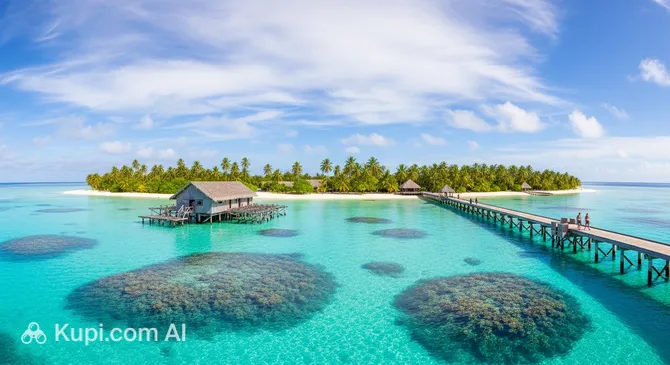
Ahe. Source: Kupi.Binoculars

While the island feels timeless, the history of Ahe is deeply rooted in Polynesian exploration and legend. Today, the atoll is renowned for its thriving black pearl industry. Visitors have the unique opportunity to tour local pearl farms to see how these lustrous gems are cultivated and harvested from the pristine waters of the lagoon. The lagoon itself is a vibrant aquarium, accessible via the Tairapa Pass, where snorkelers and divers can encounter a dazzling array of marine life.

Whether you are looking to explore the underwater wonders, learn about the intricate process of pearl farming, or simply unwind on a deserted motu (islet), Ahe promises an unforgettable experience. It is a destination that invites you to slow down, breathe in the fresh ocean air, and appreciate the simple, breathtaking beauty of the Pacific.

Weather Overview

Travelers planning a trip to this atoll can look forward to a remarkably stable and pleasant climate. The temperatures remain consistent throughout the year, generally hovering between 23°C and 26°C, creating a comfortable environment for exploring the lagoon or relaxing on the beaches. The warmest period typically occurs around March with averages reaching 25.8°C, while the coolest months are August and September, dipping slightly to an average of 23.6°C.

Rainfall here follows a unique pattern characterized by frequent but very light precipitation. Although the number of "wet days" can be quite high—peaking at 28 days in January—the actual accumulation is minimal, often totaling just a few millimeters per month. This means you might encounter brief, refreshing mists rather than heavy downpours. For a more detailed breakdown of these conditions, you can check the weather in Ahe to help pack accordingly. Overall, expect warm, tropical days year-round with frequent, passing showers that rarely disrupt outdoor activities.

Interesting Facts

Beyond the main attractions, Ahe holds many fascinating secrets that enrich its character as a remote paradise. While known for its pearls, the atoll possesses a unique cultural and ecological history that sets it apart from its neighbors in the archipelago.
  • Home to a Sailing Legend: Ahe was once the chosen refuge of the renowned French sailor and author Bernard Moitessier. After his world-famous voyages, he spent several years living a simple life on the atoll, attempting to cultivate the coral soil and engaging with the local community, a chapter of his life famously chronicled in his book Tamata and the Alliance.

  • The King George Islands: Historically, Ahe and its closest neighbor, Manihi, are grouped together under the name "King George Islands." This title was bestowed by the British explorer Commodore John Byron in 1765, who was among the first Europeans to chart these waters, linking the two atolls by name long before modern administration.

  • A Rare Ecological Sanctuary: Unlike many atolls in French Polynesia where native vegetation was entirely cleared for coconut plantations, Ahe has managed to preserve significant pockets of ancient primary forest. These groves of giant Pisonia grandis (Puka) trees serve as a vital and noisy nesting ground for large colonies of seabirds, such as the red-footed booby and the black noddy.

How to Get There

Reaching the secluded atoll of Ahe is a journey that immerses you in the geography of the South Pacific. As a remote destination within the Tuamotu Archipelago, it is not directly accessible by international flights. Visitors must first travel to the region's main gateway and then connect via a domestic route. For a detailed overview of flight schedules and travel logistics, you can read more about how to get to Ahe.

The primary entry point for international travelers is Tahiti Faa'a Airport (PPT), located in the city of Papeete. Since Ahe is separated from the main island of Tahiti by open ocean, there are no ground transfer options such as taxis or buses between these locations. Upon arrival at Tahiti Faa'a, you will need to board a domestic flight, typically operated by Air Tahiti, to reach the atoll. This airport is the busiest in the territory and serves as the essential hub for connecting to the outer islands.

Other major airports in the region, such as Temae Airport (MOZ) in Moorea, serve their respective islands but do not offer direct boat or road access to Ahe. Travelers currently exploring other parts of the archipelago, like Moorea or Bora Bora, will generally need to fly back to Tahiti or catch an inter-island flight to continue their journey to the Tuamotus.

Here is a summary of the major regional hubs that facilitate travel throughout the islands:

Airport Name City Passenger Traffic
Tahiti Faa'a Airport Papeete Large
Motu Mute Airport Bora Bora Medium
Raiatea Airport Raiatea Medium
Huahine Airport Huahine Medium
Temae Airport Moorea Medium

Given the maritime nature of French Polynesia, there is no railway infrastructure on Ahe or the surrounding islands. Trains are not a mode of transport in this part of the world. Movement between the atoll's islets (motus) is usually conducted by small boats, while travel to Ahe itself relies strictly on air connections and occasional maritime supply routes.

Main Attractions

While Ahe is a remote atoll, its attractions are deeply rewarding for those who seek authenticity and natural beauty. The island does not feature commercial theme parks or bustling shopping districts; instead, its highlights are rooted in the pristine environment and the unique Paumotu culture. Here are the key places and experiences that define a visit to this Tuamotu gem.

Pearl Farms are arguably the most significant attraction on the atoll. Ahe is famous throughout the region for the quality of its black pearls, and the lagoon is dotted with working farms. Visiting one of these establishments offers a fascinating glimpse into the intricate process of pearl cultivation, from the grafting of the oyster to the final harvest. It is a unique opportunity to learn about the local economy and, for many tourists, the perfect chance to acquire a lustrous gem directly from the source.

For underwater enthusiasts, the Tairapa Pass is the center of action. As the only opening connecting the lagoon to the open ocean, the pass is a highway for marine life. Depending on the tide, visitors can enjoy exhilarating drift snorkeling or diving experiences. The nutrient-rich waters attract a variety of species, including gray reef sharks, rays, and schools of colorful fish, making it a world-class spot for observing the underwater ecosystem in its rawest form.

Ahe is also distinct for its Primary Forest located on specific motus (islets). Unlike many other atolls where native vegetation was replaced by coconut plantations, Ahe has preserved ancient groves of Pisonia grandis, locally known as Puka trees. Walking through this rare forest feels like stepping back in time. The dense canopy provides a sanctuary for large colonies of seabirds, making it an exceptional location for birdwatching and nature photography.

Finally, a visit to the main village of Tenukupara provides a heartwarming cultural connection. This small settlement is the lifeblood of the atoll, featuring a picturesque pier and a charming local church. Strolling through the village allows travelers to experience the slow, peaceful rhythm of daily life in the Tuamotus, meet the friendly inhabitants, and appreciate the simple architectural style that withstands the elements of the Pacific.

Local Cuisine

The local cuisine of Ahe is a direct reflection of its environment: simple, fresh, and almost entirely reliant on the bounty of the surrounding lagoon. Being a remote atoll, the culinary scene here is far removed from the fine dining of larger international resorts. Instead, it offers an authentic taste of the Tuamotu lifestyle, where the catch of the day dictates the menu. Seafood lovers will find themselves in paradise, as fish and shellfish are harvested daily and prepared with ingredients like lime, coconut milk, and breadfruit.

The most iconic dish to try is the Polynesian staple, Poisson Cru au Lait de Coco (raw fish marinated in lime juice and coconut milk). While found throughout the country, the version in Ahe is exceptionally fresh, often made with fish caught just hours before serving. A delicacy specific to pearl-farming atolls like Ahe is Korori. This is the muscle of the pearl oyster, which can be eaten raw with a splash of lime or lightly cooked. It has a delicate texture similar to scallops and offers a unique gastronomic link to the island's main industry. You might also encounter Pahua (giant clam), served raw or cooked in creamy curries.

Dining in Ahe is a communal and intimate affair. There are very few independent restaurants or street food stalls on the atoll. Instead, the heart of the food culture is found within the family pensions (guesthouses). Meals are typically included with your stay and are served family-style, allowing guests to mingle with hosts and other travelers. These home-cooked feasts often feature grilled parrotfish, lobster, or mahi-mahi, accompanied by rice and root vegetables. For a truly memorable experience, many pensions organize motu picnics, where lunch is grilled over an open fire on a secluded islet.

When it comes to drinks, nature provides the best refreshment. Fresh coconut water, drank straight from the nut, is abundant and perfect for the tropical climate. For something stronger, the local Hinano beer is a popular choice to enjoy while watching the sunset. Since imported goods are limited, fruit juices are seasonal, often made from grapefruit or papaya grown in the village gardens.

Travel Tips

Visiting the secluded atoll of Ahe is a true escape from the modern world, but its remote nature requires a bit more foresight than a trip to the main islands. To ensure your stay in this Tuamotu paradise is as relaxing and seamless as possible, here are some essential practical tips to keep in mind.

  1. Clothing and Gear: Pack light, breathable fabrics like cotton or linen suitable for the tropical heat. Reef shoes are an absolute must-have here; the lagoon floor is scattered with sharp coral and potentially stonefish, so you should never wade barefoot. Don't forget high-SPF, reef-safe sunscreen, a wide-brimmed hat, and a good pair of sunglasses to combat the strong glare off the water.

  2. Transportation: Forget about taxis, buses, or car rentals—they simply do not exist on Ahe. The main village, Tenukupara, is small enough to explore entirely on foot. For reaching your guesthouse (pension) or exploring different parts of the lagoon, travel is exclusively by boat. Many pensions also provide bicycles or kayaks for guests to use freely.

  3. Finances: Cash is king on this atoll. The local currency is the Pacific Franc (XPF). There are no ATMs or full-service banks on Ahe, so you must withdraw ample cash in Tahiti before boarding your flight. While some family pensions may accept credit cards, you will need cash for small shops, buying local crafts, or tipping, and you cannot rely on electronic payment terminals working due to internet fluctuations.

  4. Health and Safety: Ahe is extremely safe regarding crime, but environmental hazards exist. Bring a well-stocked personal first-aid kit, as the local infirmary has limited resources and operating hours. Mosquito repellent is essential, especially at dawn and dusk. Always drink bottled or filtered water, as tap water is typically rainwater collected in cisterns and may not be potable without treatment.

  5. Communication: The primary languages are French and Paumotu. English is usually spoken by hosts at guesthouses, but interacting with villagers may require some basic French phrases or a translation app. Wi-Fi is generally available at pensions but can be slow or intermittent. If you need mobile data, purchase a Vini SIM card in Tahiti, as coverage from other providers might be weak or non-existent here.

  6. Local Etiquette: Polynesians are warm and welcoming; always greet people with a smile and a cheerful "Ia Orana" (Hello). When entering a home or a pension bungalow, it is customary to remove your shoes. Dress modestly when visiting the village or the church—save your bikinis and swimwear for the beach or the private motu.

  7. What to Avoid: Do not touch or stand on live coral while snorkeling; it is fragile, and cuts can easily become infected in the tropical climate. Also, avoid wasting fresh water. On remote atolls like Ahe, fresh water is a precious resource often collected from rain, so keep showers short and be mindful of your usage.

  8. Shopping Tip: Shops in the village are small family-run "magasins" with limited stock that depends entirely on the arrival of the supply ship (goelette). If you have specific dietary requirements or need specific toiletries, bring them with you from home or Tahiti, as you likely won't find them on the atoll.

By packing the right gear and embracing the slower, simpler pace of island life, you will find Ahe to be a welcoming sanctuary. These small preparations allow you to focus entirely on the stunning turquoise waters and the incredible hospitality of the Paumotu people.

Entertainment & Nightlife

Entertainment and nightlife in Ahe are defined by tranquility and connection rather than the high-energy party scenes found in larger tourist hubs. Travelers should be aware that there are no nightclubs, discos, or dedicated commercial bars on the atoll. The "nightlife districts" simply do not exist here; instead, the evening atmosphere is characterized by the soothing sound of the ocean, the rustle of palm trees, and some of the most spectacular stargazing opportunities in the South Pacific. The lack of light pollution makes the night sky an entertainment venue in itself.

The social heart of the evening is almost exclusively found within the family pensions (guesthouses). Since there are no independent restaurants open late, the dining rooms and small bars of these lodges become the gathering spots where guests and hosts mingle. Establishments like Cocoperle Lodge or Pension Raita offer a warm, communal atmosphere where travelers share stories over a cold Hinano beer or a glass of punch. The "crowd" is intimate and friendly, consisting of fellow adventurers and local families.

For a glimpse of local life, a walk through the main village of Tenukupara in the early evening can be charming. While there are no bustling boulevards, the area near the pier serves as a quiet community hub where locals might gather to fish by the dock lights or chat in the cool evening air. The vibe is incredibly laid-back, and the dress code is always casual—shorts, t-shirts, and flip-flops are the standard attire for any "night out" on the atoll.

Practical advice for evenings in Ahe is simple: the island sleeps early. Dinner is typically served between 6:30 PM and 7:30 PM, and most generators or lights might be dimmed by 9:00 PM or 10:00 PM at eco-lodges. Prices for drinks at pensions are reasonable, but it is wise to carry cash as credit card machines are rare. There is no public transport or taxi service at night; if you are staying on a motu (islet) away from the village, your boat transfer back to your room will likely be your final journey of the night.

Safety is hardly a concern in terms of crime, as the community is small and tight-knit. However, physical safety is important due to the lack of street lighting. It is essential to carry a flashlight or headlamp when walking paths at night to avoid tripping over coral or tree roots. You do not need to worry about calling a taxi; your feet or a pre-arranged boat from your host are your only means of getting around.

During the daytime, entertainment shifts to the natural wonders of the lagoon. While there are no museums, theaters, or amusement parks, the "attractions" are the living culture and environment. Visitors can tour the famous black pearl farms, watch local artisans weave palm fronds, or explore the underwater world through snorkeling. The daily rhythm is slow, revolving around the sun and the tides, preparing you perfectly for the peaceful, star-filled nights.

Parks & Museums

As a remote atoll in the Tuamotu Archipelago, Ahe does not follow the traditional urban blueprint of city parks and formal museums. Instead, the entire island serves as a living natural reserve, and its culture is exhibited through daily life and industry rather than in glass display cases. Visitors come here to immerse themselves in an environment where the boundaries between "park" and "wild" are nonexistent, and where heritage is preserved in the practices of the people rather than in galleries.

Parks and Natural Areas

The most significant natural "park" on Ahe is undoubtedly the Primary Forest of Pisonia Grandis. Unlike many neighboring atolls where native vegetation was cleared for coconut copra plantations, Ahe has retained pockets of this ancient, indigenous forest. Walking among these giant Puka trees is a rare experience in French Polynesia. The forest serves as a vital sanctuary for seabirds, including boobies and noddies, making it a premier spot for birdwatching and appreciating the atoll's original ecological state before human settlement.

Beyond the forest, the Motus (Islets) themselves act as the atoll's recreational green spaces. These small islands ringing the lagoon offer pristine, white-sand beaches and shaded coconut groves that are perfect for picnicking and exploration. Unlike manicured city parks, these areas are wild and untouched. A day trip to a deserted motu allows tourists to experience the "Robinson Crusoe" fantasy, surrounded by crystal-clear water and lush tropical vegetation, free from crowds or fences.

Museums and Cultural Venues

Travelers should be aware that there are no formal museums or art galleries on Ahe. However, the Pearl Farms scattered across the lagoon function as fascinating "living museums." These working farms offer guided tours that educate visitors on the biology of the pearl oyster and the intricate grafting techniques passed down through generations. For tourists, this is the most authentic way to understand the economic and cultural history of the Tuamotus, providing insight that no static exhibit could match.

The Village of Tenukupara serves as the cultural heart of the atoll. While not a museum, the village offers a window into the Paumotu way of life. The architectural highlight is the local church, often decorated with shell craft and woven pandanus, reflecting the artistry and devotion of the community. A walk through the village allows visitors to observe traditional craftsmanship, such as weaving and fishing, which are kept alive by the local residents.

Insider Tip

For a truly unique natural experience, ask your host about visiting the reef flats at low tide. This area, where the ocean meets the coral ring, reveals a fascinating world of small marine creatures, shells, and geological formations that are usually hidden underwater, offering a different perspective on the atoll's fragile ecosystem.

Getting Around

Travelers arriving in Ahe should immediately adjust their expectations regarding public transportation. As a remote and sparsely populated atoll, the city does not possess a public transport network in the traditional sense. There are no subways, buses, trams, or trains operating here. The infrastructure is minimal, designed for a small island community rather than mass transit, meaning you will not find ticket machines, route maps, or transport apps.

The primary form of "public" transport is maritime. Since the airport and many guesthouses are located on different islets (motus) separated by the lagoon, small motorboats are the essential lifeline for getting around. Upon arrival at the airport, there is typically a collective boat shuttle organized by the local pensions to pick up guests. This service acts as the atoll's main connector, ferrying visitors from the airstrip to their respective accommodations or the main village of Tenukupara.

Regarding payment and tickets, the system is informal and usually integrated into your accommodation costs. There are no travel passes, reloadable cards, or validation machines. Transfers from the airport are often arranged in advance by your host, and the fee is either included in your room rate or added to your final bill. If you need to hire a boat for a specific trip across the lagoon that is not part of a tour, you will likely negotiate a price directly with a local boatman or your pension host. In these cases, cash is the only accepted method of payment.

For land transport within the main village of Tenukupara, walking is the most practical and common option. The village is compact, with a single main road and sand paths that are easily navigable on foot. You can walk from one end of the settlement to the other in a short time, making motorized transport largely unnecessary for daily activities like visiting the store or the church.

Alternatives to walking are limited but enjoyable. Bicycles are the most popular substitute for cars. Many guesthouses provide bikes for their guests, either for free or for a small daily rental fee. This is an excellent way to explore the shaded paths of the main motu. There are no car rental agencies, taxi services, or ride-sharing apps like Uber available on the atoll. The few cars and trucks you see belong to locals for utility purposes and are not available for public hire.

A unique aspect of transport here is the reliance on the "lagoon highway." Since roads do not connect the entire ring of the atoll, the water itself serves as the main thoroughfare. Tourists should rely heavily on their accommodation hosts to facilitate any movement. It is crucial to communicate your travel plans with your host in advance, as you cannot simply flag down a boat or vehicle on a whim. Operating hours for transfers are dictated by daylight and the specific needs of guests, rather than a fixed timetable.

Accommodation

Accommodation in Ahe offers a refreshing departure from the polished luxury of French Polynesia's more famous islands. Travelers will not find sprawling international resorts, high-rise hotels, or branded overwater bungalow chains here. Instead, the atoll specializes in family pensions (guesthouses) and authentic eco-lodges. These intimate establishments provide a genuine connection to the local Paumotu culture, ranging from simple rooms within a family home to charming, standalone bungalows built with natural materials like wood and woven pandanus.

When choosing where to stay, visitors generally have two distinct options regarding location. Some pensions are situated near the main village of Tenukupara, offering easy access to the local pier, the church, and the general store. This is convenient for those who wish to observe daily village life and interact more frequently with locals. However, many travelers prefer the seclusion of accommodations located on private motus (islets) scattered around the lagoon. These remote spots are accessible only by boat and offer a true castaway experience, surrounded by coconut palms and pristine beaches with the lagoon right at your doorstep.

The hospitality style in Ahe is distinctively communal and centers on the dining experience. Most accommodations operate on a half-board (demi-pension) or full-board basis. Since there are no independent restaurants on the atoll, your hosts play the role of chef, providing breakfast and dinner. This arrangement is a highlight of the stay, featuring fresh seafood and local produce served family-style, allowing guests to mingle with their hosts and other travelers. The atmosphere is relaxed and informal, with a strong emphasis on sustainability; many eco-lodges rely on solar power and rainwater harvesting.

Booking accommodation in Ahe requires some planning. Due to the limited number of rooms on the atoll, it is highly recommended to book well in advance, especially during the peak season from June to October. Prices typically fall into the mid-range category for French Polynesia; while generally more affordable than the luxury resorts of the Society Islands, costs reflect the logistics of operating in a remote location. Reservations can often be made through major online travel platforms or by contacting the pensions directly, though patience with email response times is advised due to the island's variable internet connectivity.

Nearby Cities

For those looking to explore the surroundings, Ahe serves as an excellent base for day trips to several interesting nearby locations:

Papeete is the vibrant capital of French Polynesia, known for its lively atmosphere and rich cultural heritage. Visitors can explore the colorful municipal market, admire colonial architecture, or enjoy the famous food trucks, known as "Roulottes," which offer a delicious taste of local cuisine in the evenings.

Another captivating destination is Moorea, famous for its dramatic volcanic peaks and stunning turquoise lagoon. This island offers a perfect mix of relaxation and adventure, with opportunities for snorkeling, hiking through lush rainforests, and relaxing on pristine white-sand beaches.

City Population Distance (km)
Papeete 131695 24
Moorea 18000 47
Huahine 6000 204
Raiatea 12500 238
Bora Bora 10605 281

These nearby destinations offer a glimpse into the diverse culture and landscapes of the region.

Shopping & Souvenirs

Shopping in Ahe is a reflection of the atoll's remote and authentic lifestyle. Visitors should adjust their expectations before arriving, as this is not a destination for retail therapy, luxury boutiques, or browsing extensive fashion collections. Instead, the shopping experience here is focused on essential supplies and unique, locally crafted treasures. The options are limited but charming, offering a glimpse into how the islanders sustain themselves in the middle of the Pacific.

The primary and effectively only "shopping district" is located within the main village of Tenukupara. There are no commercial streets or promenades; instead, you will find a few small, family-run general stores known as "magasins." These modest shops stock a variety of basic goods, ranging from canned foods and frozen meats to toiletries and simple clothing items like pareos and flip-flops. They serve as the lifeline for the local community, and their inventory relies heavily on the schedule of the supply ships that visit the atoll periodically.

It is important to note that there are absolutely no shopping malls or large department stores on Ahe. The infrastructure is strictly rural and traditional. Travelers looking for branded goods, electronics, or extensive souvenir shops will need to do their shopping in Papeete on the main island of Tahiti before traveling to the Tuamotus. In Ahe, the retail landscape is purely functional and small-scale.

Unlike larger islands in French Polynesia, Ahe does not have a formal, bustling municipal market. You will not find a central hall filled with produce stalls. However, an informal trade of fresh goods does exist. The "market" here is often the local pier or the roadside where fishermen might sell their fresh catch of the day, such as mahi-mahi or parrotfish. Occasionally, locals may sell seasonal fruits or homemade coconut bread, but these transactions are spontaneous rather than organized.

Despite the lack of conventional shops, Ahe offers one of the world's most exclusive souvenir shopping experiences: Tahitian Black Pearls. The atoll is renowned for its numerous pearl farms. Visiting a farm allows you to buy loose pearls or jewelry directly from the source, often at better prices than in international stores. Beyond pearls, look for local handicrafts made by the villagers. Skilled artisans create beautiful shell necklaces (kea), woven pandanus hats, and baskets, which make for authentic and meaningful keepsakes.

Practicality is key when planning purchases. Opening hours are generally limited and relaxed. Shops in the village typically open early in the morning, close for a long lunch break (siesta) from around 12:00 PM to 2:00 PM, and reopen for a few hours in the late afternoon. Most places are closed on Sunday afternoons. Regarding payment, cash is absolute king. There are no ATMs on the atoll, and credit cards are rarely accepted outside of perhaps a major pearl farm or a large pension. You must bring sufficient Pacific Francs (XPF) with you.

Tax-free shopping is not applicable on Ahe. The tax refund schemes available for tourists in French Polynesia generally apply to purchases made in participating stores in Tahiti or Moorea. On a remote atoll like Ahe, transactions are simple, direct, and usually devoid of the paperwork required for tax rebates.

Reached the end of the page?

That means the route is fully explored