Support

Raiatea

About

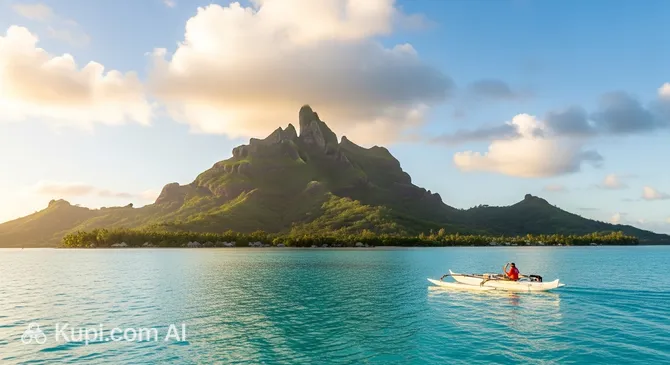
Raiatea, often revered as the "Sacred Island," holds a truly special place in the heart of the South Pacific. As the second-largest of the Society Islands, it offers a captivating blend of lush landscapes, deep cultural roots, and a serene atmosphere that sets it apart from its more bustling neighbors. Known as the cultural and religious center of French Polynesia, this island invites travelers to explore a destination where legends and nature intertwine seamlessly.

Geographically, Raiatea serves as the administrative center of the Leeward Islands, with the charming town of Uturoa acting as its main hub. Home to a population of approximately 12,500 residents, the island shares a stunning translucent lagoon with its sister island, Taha'a. The climate is tropical and inviting, nurturing the verdant valleys and rugged peaks that define the island's dramatic silhouette.

Raiatea. Source: Kupi.Binoculars

The island is perhaps best known for the Taputapuatea Marae, a UNESCO World Heritage site that stands as a testament to the rich history of Raiatea. This ancient temple complex was once the central gathering place for Polynesian navigators and is considered the cradle of Polynesian civilization. Beyond its historical significance, nature lovers are drawn to Mount Temehani, the only place on Earth where the rare and delicate tiare apetahi flower blooms.

Whether you are sailing through its renowned deep bays, hiking up its emerald slopes, or simply soaking in the mana (spiritual power) that locals believe pervades the land, Raiatea promises an unforgettable journey. It is a destination that offers not just a vacation, but a profound connection to the origins of the Pacific culture.

Weather Overview

Raiatea experiences a warm, tropical climate year-round, characterized by consistent temperatures and a generous amount of rainfall that keeps the island lush and green. Whether you visit in January or July, the weather remains invitingly warm, creating the perfect atmosphere for enjoying the lagoon and the emerald valleys.

The temperature range is remarkably stable, with average highs generally staying between 26°C and 28°C. March is typically the warmest month, averaging 27.0°C, while August is the coolest, with an average of 25.2°C. Nighttime temperatures are equally mild, rarely falling below 24°C, which makes for pleasant evenings regardless of the season.

Rainfall is a frequent occurrence, which is typical for the Society Islands. The wettest period usually spans from December to January, seeing rain on up to 27 days per month. The months from June to September offer slightly drier conditions, with August averaging about 16 wet days. To better plan your outdoor adventures, it is useful to review the current weather in Raiatea before your trip. Expect warm days with occasional rain showers throughout the year, with slightly more frequent precipitation during the austral summer.

Interesting Facts

Beyond its reputation as a sailing paradise, Raiatea holds fascinating secrets that distinguish it from the rest of the archipelago. From unique botanical wonders to geographical oddities, here are some surprising facts about the "Sacred Island."

  • Raiatea is home to the Faaroa River, the only navigable river in all of French Polynesia. While most visitors stick to the lagoon, adventurous travelers can paddle kayaks or take small boats deep into the island's interior, winding through dense rainforests and lush valleys.

  • The rare Tiare Apetahi, found on Mount Temehani, is steeped in legend. According to local folklore, the flower's five delicate petals represent the hand of a heartbroken girl who perished on the mountain, and the faint popping sound the petals make when opening at dawn is said to be the sound of her breaking heart.

  • Before it was known as Raiatea, the island was called Havai'i. It is widely considered the spiritual homeland of the Māori people and the starting point for the great Polynesian migrations that eventually settled Hawaii and New Zealand.

  • Unlike its neighbors, the main island of Raiatea has almost no sandy beaches along its coastline. The stunning white sands that tourists expect are instead found almost exclusively on the motus (small coral islets) scattered across the lagoon, leaving the main island's coast rugged and wild.

How to Get There

Reaching this beautiful destination in the Society Islands is primarily done by air, offering stunning views of the lagoons upon approach. For a detailed overview of travel options, you can read more about how to get to Raiatea. The island is directly served by Raiatea Airport (RFP), which is the most convenient entry point for visitors. Located approximately 10.4 km from the main points of interest on the island, a transfer by taxi or shuttle typically takes around 36 minutes. As a key regional hub, it welcomes a significant number of travelers each year, facilitating easy connections from Tahiti and neighboring islands.

Travelers exploring the wider archipelago might also transit through nearby hubs such as Motu Mute Airport (BOB) in Bora Bora or Huahine Airport (HUH) in Huahine. It is important to note that these airports are located on separate islands, approximately 52 km and 48 km away from Raiatea respectively. While they do not offer direct road access to Raiatea, they are vital links in the inter-island network, and travel between them is usually conducted via short domestic flights or boat transfers.

For clarity, here is a summary of the main airports:

Airport Name City Passenger Traffic Km from City
Motu Mute Airport Bora Bora Large 51.9
Raiatea Airport Raiatea Medium 10.4
Huahine Airport Huahine Medium 48.4
Temae Airport Moorea Medium 194.9
Maupiti Maupiti Small 94.6

Main Attractions

Raiatea offers a diverse array of sights, ranging from deeply spiritual archaeological sites to natural wonders that are unique in the Pacific. Visitors can immerse themselves in the island's rich heritage or explore its untamed interior, making it a destination that goes far beyond the typical beach vacation.

Taputapuatea Marae is undoubtedly the island's most significant landmark. Recognized as a UNESCO World Heritage site, this vast archaeological complex was once the political and religious center of Eastern Polynesia. Tourists are drawn here not only for the impressive stone structures and altars dedicated to the god 'Oro but also for the palpable sense of mana, or spiritual power, that permeates the area. It is a place to reflect on the incredible navigational feats of the ancestors who set sail from this sacred point to colonize the Pacific triangle.

For those seeking adventure on land, Mount Temehani offers a challenging yet rewarding hiking experience. This emerald peak is famous for being the exclusive habitat of the Tiare Apetahi, a rare and delicate white flower that cannot be transplanted elsewhere. Trekking up the slopes leads you through pine forests and onto a plateau with panoramic views of the lagoon and neighboring islands, providing a perfect mix of physical activity and botanical discovery.

A journey down the Faaroa River provides a completely different perspective of the island. As the only navigable river in the Society Islands, it allows visitors to drift silently through a cathedral of lush rainforest and wild hibiscus. Kayaking or taking a small boat tour here feels like entering a hidden world, where the calm fresh waters offer a serene escape from the salty ocean breeze, showcasing the island's fertile volcanic soil.

Finally, the charming town of Uturoa serves as the bustling heart of Raiatea. It is a fantastic place to mingle with locals, especially at the vibrant covered market where fresh produce, catch of the day, and handcrafted souvenirs are sold. In recent years, the town has also become known for its colorful street art murals depicting Polynesian legends and lifestyle, turning a simple stroll through the streets into an open-air gallery tour.

Local Cuisine

The culinary landscape of Raiatea is a mouthwatering reflection of its cultural heritage, blending traditional Polynesian ingredients with French sophistication and Chinese influences. At the heart of the local diet is the abundance of fresh seafood, harvested daily from the lagoon and the deep ocean. The undisputed star of the table is Poisson Cru au Lait de Coco, a refreshing dish consisting of raw tuna marinated in lime juice and mixed with fresh vegetables and creamy coconut milk. It is a staple that visitors will find in almost every eatery, from high-end restaurants to casual roadside stalls.

Due to the presence of the Faaroa River, Raiatea also offers a delicacy that is harder to find on the drier atolls: freshwater shrimp, known locally as chevrettes. These are often prepared in a rich curry or sautéed with garlic and vanilla sauce, the latter being a nod to the neighboring island of Taha'a, which is famous for its vanilla production. For a true taste of the islands, look for dishes accompanied by staples like breadfruit (uru), taro, or sweet potatoes, which replace rice or bread in many traditional meals.

When it comes to beverages, the choices are just as tropical and refreshing. Fresh coconut water, often drunk straight from the nut, is the ultimate thirst quencher on a hot day. For something with a bit more kick, the local Hinano lager is iconic throughout French Polynesia and is the go-to beer for a relaxing sunset. You will also find an array of freshly squeezed fruit juices, with pineapple and mango being particularly popular when in season.

The dining culture in Raiatea is famously laid-back, centered largely around the town of Uturoa. While there are several charming restaurants along the coast, the authentic local experience is found at the Roulottes (food trucks) that gather near the harbor in the evenings. These mobile kitchens serve generous portions of steak frites, grilled fish, and Chinese dishes in a convivial, open-air atmosphere. During the day, the bustling Uturoa Market is the perfect spot to grab fresh fruit, pastries, or a quick snack while mingling with the residents.

Travel Tips

Visiting Raiatea is a journey into the spiritual heart of the Pacific, and while it shares the tropical beauty of its neighbors, it has a quieter, more authentic rhythm. To help you navigate the "Sacred Island" with ease and respect for its traditions, here are some practical tips for your adventure.

  1. Pack for Land and Sea. Since Raiatea is famous for its hiking trails like Mount Temehani and its lack of sandy beaches on the main island, your packing list needs to be versatile. Bring sturdy hiking boots for the slippery trails and reef shoes for swimming, as the lagoon floor can be rocky or full of coral. A lightweight rain jacket is also essential, as tropical showers can occur suddenly, even on sunny days.
  2. Rent Your Own Transportation. Unlike some major cities, public transport in Raiatea is virtually non-existent for tourists. The local "Le Truck" buses run on irregular schedules suited for school children and locals, not travelers. To truly explore the island, renting a car or a scooter in Uturoa is highly recommended. Taxis are available but can be expensive and difficult to hail on the street.
  3. Carry Cash for Local Spots. The local currency is the Pacific Franc (XPF). While hotels, large supermarkets, and car rental agencies in Uturoa accept credit cards, many smaller vendors, snack bars, and the popular roulottes (food trucks) operate on a cash-only basis. ATMs are available in Uturoa, so it is wise to withdraw money there before heading to more remote parts of the island. Tipping is not a standard custom in French Polynesia, though it is appreciated for exceptional service.
  4. Health and Safety Essentials. Raiatea is generally very safe, but the tropical environment requires some precautions. Mosquitoes can be a nuisance, so bring a strong insect repellent. Pharmacies are located in Uturoa and usually follow standard business hours; for emergencies, there is a hospital in the main town. Always stick to bottled water if you have a sensitive stomach, although tap water in Uturoa is often treated.
  5. Language and Connectivity. French and Tahitian are the primary languages. English is widely spoken in hotels and by tour operators, but less so in small village shops. Learning a few local phrases like Ia Orana (Hello) and Mauruuru (Thank you) will earn you warm smiles from the locals. Wi-Fi is standard in accommodations, but for reliable mobile data while exploring, you can purchase a prepaid SIM card at the post office or mobile shops in town.
  6. Respect Sacred Spaces. Raiatea is the cultural center of Polynesia, home to the Taputapuatea Marae. When visiting these ancient temples, dress modestly and behave respectfully. Never move stones, climb on the stone platforms (ahu), or leave trash. These are not just ruins; they are active spiritual sites for the Polynesian people.
  7. What to Avoid. Do not walk on the reef without protection or touch the coral; it damages the ecosystem and can cause nasty cuts or infections. Also, avoid loud or boisterous behavior when visiting villages or religious sites. The pace of life here is slow and polite, and rushing or being demanding is considered rude.
  8. Plan Around Sundays. Like much of the region, Raiatea slows down significantly on Sundays. Most shops, restaurants, and services in Uturoa close as locals attend church and spend time with family. If you arrive or plan to be out on a Sunday, ensure you have arranged your transport and meals in advance, or book a hotel that offers dining options.

By keeping these practicalities in mind, you will be well-prepared to embrace the mana of Raiatea without the stress of logistical surprises. The island's charm lies in its raw beauty and deep history, and a little preparation ensures you can focus entirely on the magic of your surroundings.

Entertainment & Nightlife

Nightlife in Raiatea is far removed from the thumping bass of international party destinations; instead, it offers a warm, convivial atmosphere where the evening entertainment centers around good food, acoustic music, and the company of locals. The island’s rhythm slows down significantly after sunset, making it the perfect place to unwind and enjoy a more authentic Polynesian evening. You will not find neon-lit nightclub districts here, but rather a selection of cozy spots that celebrate the "sweet life" of the islands.

The hub of evening activity is undoubtedly the town of Uturoa. As the sun dips below the horizon, the area around the Gare Maritime (ferry terminal) comes alive with the opening of the Roulottes. These traditional food trucks are the social heart of the island, where families and travelers gather at plastic tables to enjoy affordable meals under the stars. The atmosphere is casual and friendly, with a dress code that rarely exceeds shorts and flip-flops. It is the best place to mingle with residents and experience the local vibe without any pretense.

For those seeking a cocktail or a glass of wine in a more refined setting, hotel bars are the primary venues. The Raiatea Lodge Hotel is a popular choice for both guests and visitors, often featuring live local bands playing ukulele and guitar in the evenings. It offers a relaxed yet sophisticated ambiance where you can enjoy a drink while recounting the day's adventures. Another notable spot is the restaurant and bar at Fish & Blue, located near the water, which provides a romantic setting for a nightcap with the sound of the lagoon lapping nearby.

Practical planning is essential for a night out in Raiatea. Most venues, including restaurants, close relatively early compared to Western standards, often by 9:00 PM or 10:00 PM. Prices are generally moderate, though imported alcohol can be expensive. Transportation is the biggest challenge at night; public transport does not run in the evenings, and taxis are scarce and must be booked in advance. If you are staying outside of Uturoa, it is highly advisable to have a rental car or arrange a transfer with your restaurant or hotel.

Safety is rarely a concern in Raiatea, as the island is peaceful and the crime rate is low. Walking around the Uturoa harbor area at night is generally safe, though the streets can be dimly lit. The main annoyance for night walkers is often stray dogs, which can be territorial; it is usually best to ignore them and keep walking. Always carry a flashlight or use your phone's light if you venture off the main roads.

While the nights are quiet, daytime entertainment on the island focuses on cultural and natural immersion rather than urban amusements. You will not find large movie theaters, amusement parks, or shopping malls here. Instead, daytime leisure revolves around visiting pearl farms to see how the famous black pearls are cultivated, exploring the small art galleries in Uturoa, or simply enjoying the natural "amusement park" of the lagoon and mountains.

Parks & Museums

In Raiatea, the concept of a museum or a park extends far beyond the walls of a building or a fenced garden. Here, the entire island acts as a living exhibition of Polynesian culture and botanical splendor. While you will not find sprawling urban parks or massive national museums, the "Sacred Island" offers intimate galleries and lush botanical sanctuaries that allow visitors to connect deeply with the land and its artistic heritage.

Faaroa Botanical Garden is a hidden gem located in the southern part of the island, nestled within the verdant Faaroa Valley. This tranquil green space is a perfect stop for nature lovers exploring the island by car. The garden showcases a wide variety of tropical flora, including massive banyan trees, exotic bamboo groves, and vibrant heliconias. It serves as a peaceful retreat where you can walk among the diverse plant species that thrive in Raiatea’s fertile volcanic soil, offering a quiet counterpoint to the more adventurous jungle hikes found elsewhere on the island.

For a more social outdoor experience, the Uturoa Coastal Esplanade (Place du Marché area) functions as the town's central "park." Recently renovated, this waterfront promenade offers beautifully landscaped walkways, shaded seating areas, and stunning views of the lagoon and the neighboring island of Taha'a. It is a favorite spot for families to gather in the late afternoon and for visitors to watch the sunset while enjoying the cooling trade winds. The area often hosts small craft fairs and local events, making it a vibrant public space that blends nature with community life.

Culturally, the Galerie Anuanua in Uturoa stands out as a key venue for appreciating the island's artistic soul. This well-regarded art gallery displays and sells works by local and resident artists, ranging from oil paintings and watercolors capturing the lagoon's colors to intricate wood carvings and mother-of-pearl jewelry. It is more than just a shop; it is a cultural window into the creative minds of the Leeward Islands, offering a curated look at contemporary Polynesian aesthetics.

Another unique cultural stop is the Fare des Coquillages (Shell Museum), located near the airport. This private museum is the result of a lifetime of passion by a local collector. Though modest in size, it houses an impressive and colorful collection of sea shells found in the waters of French Polynesia and beyond. It provides a fascinating educational insight into the marine biodiversity of the region, with the owner often on hand to share stories about the rarest specimens on display.

Regarding historical architecture, the Uturoa Protestant Temple is a significant landmark that dominates the town center. With its white facade and red roof, it is a classic example of the colonial-style religious architecture found throughout the Society Islands. The church is not only a place of worship but also a central pillar of local history and community gatherings, reflecting the strong influence of Christianity in modern Polynesian society.

For an authentic insider experience, consider visiting one of the small Vanilla Plantations tucked away in the valleys. While not a "museum" in the traditional sense, these family-run farms offer guided tours that explain the labor-intensive process of pollinating and curing vanilla. It is a sensory experience that teaches you about the agricultural heritage of the region, often ending with a chance to taste the fragrant product that is a staple of the local economy.

Getting Around

Navigating Raiatea requires a shift in expectations, as the island does not possess a conventional urban public transport system like a metro, tram, or extensive city bus network. The primary form of collective transportation is known locally as "Le Truck." These are iconic, open-air buses—often converted lorries with wooden benches in the back—that serve the local population. They primarily operate to transport residents and schoolchildren from the outlying villages into the main town of Uturoa in the early morning and return them in the late afternoon.

For travelers wishing to experience "Le Truck," the system is informal and runs on a schedule dictated largely by school hours and market activity rather than a fixed tourist timetable. There are no designated bus stops with maps; instead, you simply wave at the driver from the roadside to board. Payment is straightforward and cash-only. You pay the driver directly upon entering or exiting, and the fare is very affordable, usually requiring small change in the local currency. However, relying on this service for sightseeing is challenging, as services stop running by late afternoon and are virtually non-existent on Sundays and holidays.

Given the limitations of the bus service, most visitors find that renting a vehicle is the most practical solution for exploring the island at their own pace. Car rental agencies are located at the airport, the ferry wharf, and in the town center of Uturoa. For those comfortable on two wheels, renting a scooter is a popular and breezy way to navigate the coastal road that circles the island. Bicycles are also an option, particularly for short trips around the flat terrain of the main town, though the tropical heat can make longer rides demanding.

Taxis are available but function differently than in major metropolitan areas; you cannot simply hail them on the street. Taxis are typically found at the airport or the Uturoa town center, and for trips from hotels or restaurants, they must be booked in advance by phone. Fares are generally government-regulated but can be quite high compared to other options. It is advisable to agree on the price before starting the journey, especially for longer distances or island tours.

A unique and essential component of the local transport network is water transportation. Since Raiatea shares its lagoon with the neighboring island of Taha'a, boat shuttles and water taxis are frequently used to travel between the two islands or to reach the motus (small islets) scattered across the reef. Regular shuttle boats operate from the Uturoa quay, acting as a marine bus service that connects the communities. For tourists, renting a small boat without a license is also a possible alternative for exploring the lagoon independently.

Accommodation

Accommodation in Raiatea differs significantly from the ultra-luxury resort scene found on neighboring Bora Bora. Instead of sprawling chains and endless rows of overwater bungalows, the island specializes in authentic, intimate hospitality. The primary lodging options here are "Pensions de Famille" (family-run guesthouses) and small boutique hotels. These establishments offer a warmer, more personal connection to the local culture, often providing home-cooked meals and direct interaction with your hosts. While you can find comfortable and stylish stays, the overall vibe is low-key, blending seamlessly with the island's lush natural environment.

When choosing where to stay, geography plays a key role. The town of Uturoa and its immediate surroundings are the most convenient for travelers who want easy access to the airport, the ferry terminal, shops, and the market. Staying here means you are close to the hub of activity and can easily arrange excursions. Conversely, the West Coast is popular for its tranquil atmosphere and stunning sunsets, offering a quiet retreat that is still relatively accessible. For those seeking complete seclusion and proximity to historical sites like the Taputapuatea Marae, the southern tip of the island near Opoa provides a remote and peaceful sanctuary, though a rental car is highly recommended for stays in this area.

Although Raiatea is not known for massive resorts, it is home to several well-regarded establishments that provide excellent service and comfort. The Raiatea Lodge Hotel on the west coast is a favorite for its colonial-style architecture and fine dining, serving as a comfortable base for exploring the island. In the south, the Opoa Beach Hotel offers a charming boutique experience with bungalow-style accommodation nestled in a coconut grove, perfect for travelers looking to disconnect. Another popular option is the Sunset Beach Motel, which features individual bungalows set within a vast palm-fringed garden right by the lagoon, ideal for families and independent travelers.

Booking Tips: Because the accommodation inventory is smaller than on the more tourist-heavy islands, the best guesthouses and hotels can fill up quickly, especially during the peak season (June to October). It is highly advisable to book your stay several months in advance. Additionally, since many guesthouses are located away from restaurants, consider booking a "half-board" option (breakfast and dinner included) to simplify your dining logistics.

Price Range and Booking: Prices in Raiatea are generally more moderate than in Bora Bora, falling largely into the mid-range category. Budget travelers can find affordable rooms in simpler pensions, while the boutique hotels offer a higher standard of luxury without the exorbitant price tags of five-star resorts. Booking can be done through major online travel platforms, but for smaller family pensions, contacting the owners directly or using a specialized Tahiti travel agent can sometimes secure better rates and clearer communication regarding transfers and meals.

Nearby Cities

For those looking to explore the surroundings, Raiatea serves as an excellent base for day trips to several interesting nearby locations:

Because Raiatea shares its lagoon with Taha'a and sits in close proximity to other Leeward Islands, island hopping is a popular activity. Bora Bora, often called the "Pearl of the Pacific," is located just a short distance to the northwest. Famous worldwide for its stunning turquoise lagoon and the dramatic Mount Otemanu, it offers a glamorous contrast to the quieter nature of Raiatea. A day trip here allows visitors to experience its legendary luxury and snorkeling spots before returning to the tranquility of their base.

Another fantastic option is Huahine, situated to the east. Known as the "Garden Island," it is celebrated for its lush, wild vegetation and authentic Polynesian atmosphere. Huahine is less developed and deeply traditional, making it an ideal spot for those who wish to explore ancient archaeological sites and enjoy a slower, more rustic pace of life. Both islands are easily accessible via short inter-island flights or boat transfers.

City Population Distance (km)
Papeete 131695 216
Moorea 18000 191
Bora Bora 10605 46
Huahine 6000 47
Rangiroa 2500 449

These nearby destinations offer a glimpse into the diverse culture and landscapes of the region, allowing travelers to experience the unique character of each island in the Society archipelago.

Shopping & Souvenirs

Shopping in Raiatea is a delightfully authentic experience that reflects the island's laid-back lifestyle. Unlike the bustling commercial hubs of larger cities, the retail scene here is centered around local craftsmanship, daily necessities, and unique island treasures. Visitors will not find high-end fashion chains or sprawling department stores; instead, the charm lies in discovering family-run boutiques, general stores, and artisanal stalls that offer a genuine taste of Polynesian culture.

The primary destination for any shopping excursion is the town of Uturoa. As the administrative capital of the Leeward Islands, its downtown area serves as the commercial heart of the region. The main streets running parallel to the waterfront are lined with a variety of shops, ranging from traditional "Chinese stores" selling everything from fabric to fishing gear, to small boutiques offering island-style clothing and surf wear. A stroll through this compact district allows travelers to browse for souvenirs while observing the daily rhythm of local life.

Travelers looking for a more modern retail experience will find the Centre Commercial Champion located within Uturoa. While it does not compare to Western-style mega-malls, this commercial complex is the largest on the island. It features a well-stocked supermarket along with a small gallery of shops, including a pharmacy, a bookstore, and stores selling electronics and apparel. It is a convenient stop for stocking up on supplies or finding practical items during your stay.

The undisputed highlight of the shopping scene is the Uturoa Market (Marché d'Uturoa). Situated right next to the ferry terminal, this covered market is a vibrant hub of activity, especially in the early morning. While the ground floor is dedicated to fresh produce, catch-of-the-day seafood, and tropical fruits, the upper level and surrounding stalls feature local artisans selling hand-woven hats, baskets, and shell jewelry. It is the perfect place to interact with residents and find one-of-a-kind handmade gifts.

When it comes to souvenirs, Raiatea offers several distinct specialties. Tahitian black pearls are a top choice, with several reputable jewelry shops and pearl farms located on the island offering high-quality gems. Due to the island's proximity to Taha'a, known as the Vanilla Island, you can also find excellent vanilla beans and extract. Other popular keepsakes include colorful hand-dyed pareos (sarongs), intricate wood carvings, and bottles of Monoi oil, a fragrant coconut oil infused with tiare flowers used for skincare.

Store opening hours in Raiatea are generally from around 7:30 AM to 5:00 PM on weekdays, with a lunch break often taken between noon and 1:30 PM. On Saturdays, most shops close by noon, and Sunday is a day of rest with almost all businesses remaining closed. While larger supermarkets, hotels, and established pearl shops accept credit cards, it is essential to carry Pacific Francs (XPF) in cash when visiting the market, food trucks, or smaller roadside vendors.

For visitors making significant purchases, particularly for jewelry or black pearls, a tax-free scheme (détaxe) may be available at participating merchants. If you spend over a certain threshold in a single store, you can request a tax refund form to present to customs upon your final departure from French Polynesia. It is advisable to ask the shop assistants about this option before making a high-value purchase.
Reached the end of the page?

That means the route is fully explored