Support

Huahine

About

Huahine, often referred to as the "Garden Island," is a lush and captivating destination that offers a truly authentic experience in French Polynesia. Known for its wild vegetation, pristine lagoons, and relaxed atmosphere, it stands apart from its more developed neighbors as a sanctuary of peace and traditional Polynesian life. The island exudes a mysterious charm, inviting travelers to slow down and immerse themselves in its verdant landscapes and warm local culture.

Geographically, Huahine is part of the Leeward Islands within the Society archipelago. It is actually composed of two islands, Huahine Nui (Big Huahine) to the north and Huahine Iti (Little Huahine) to the south, separated by a narrow channel and connected by a bridge. With a population of approximately 6,000 inhabitants, the island maintains a close-knit community feel, where life revolves around fishing, farming, and the rhythms of nature.
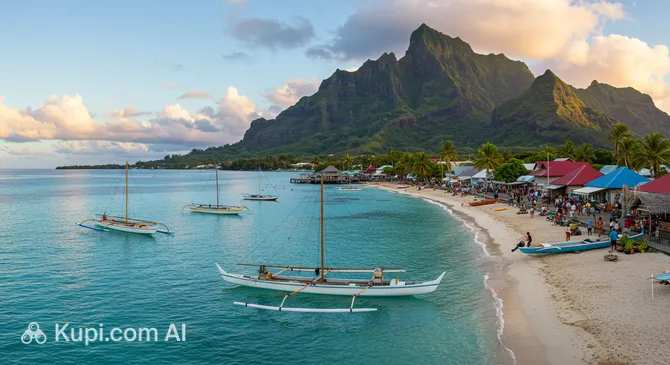
Huahine. Source: Kupi.Binoculars

The island is not only a natural paradise but also a place of significant cultural importance. It was once home to powerful royal families, and traces of this legacy are scattered throughout the landscape. Visitors interested in the past can explore the history of Huahine by visiting the village of Maeva, which houses one of the most extensive concentrations of pre-European archaeological sites, or marae, in the Pacific. These stone structures offer a fascinating glimpse into the ancient spiritual and social life of the Polynesians.

Beyond its historical heritage, Huahine offers unique natural attractions that delight every visitor. A popular stop is the village of Faie, famous for its sacred blue-eyed eels, which are fed by locals and tourists alike in the river. The island's lagoon is perfect for snorkeling and swimming, while the interior offers scenic roads winding through vanilla plantations and melon fields.

Whether you are seeking a romantic getaway or an adventure off the beaten path, Huahine provides an enchanting escape. Its blend of breathtaking scenery, rich heritage, and genuine hospitality makes it a must-visit destination for those looking to discover the heart of the South Pacific.
Weather Overview

Huahine enjoys a consistent tropical climate, making it a warm and inviting destination throughout the year. The island is known for its stable temperatures, with monthly averages generally hovering between 25°C and 27°C. This warmth ensures that the ocean remains pleasant for swimming and water activities regardless of the season, although travelers should be prepared for high humidity which supports the island's lush, green landscapes.

Rainfall is a regular feature of the climate here, contributing to the vibrant vegetation of the "Garden Island." To help plan your activities, it is useful to consult the detailed guide on the weather in Huahine. The period from November to March is typically wetter, with rain occurring on up to 26 days per month and temperatures peaking around 27.2°C in April. In contrast, the months from June to September are slightly cooler and relatively drier, with August seeing the fewest wet days. Overall, visitors can expect warm tropical days mixed with frequent, often passing, showers.

Interesting Facts

Beyond its lush landscapes and welcoming atmosphere, Huahine holds many fascinating secrets and legends that add depth to its beauty. From mythological origins to enduring ancient traditions, the island offers curious travelers a wealth of stories to discover.
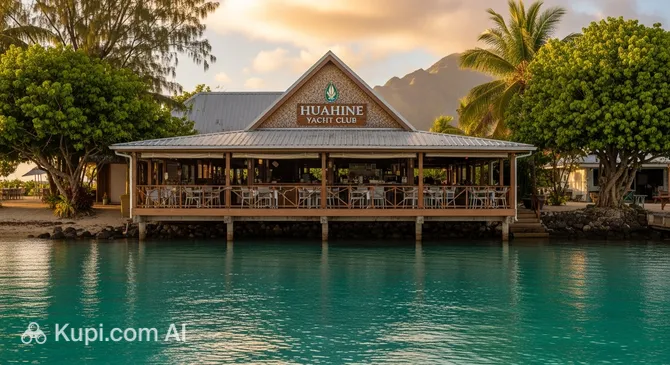
Huahine Yacht Club. Source: Kupi.Binoculars
  • According to local mythology, the island was originally a single landmass until the god Hiro, a prominent figure in Polynesian legends, split it in two with his massive canoe. This divine event is said to have created the deep Maroe Bay, which now separates the two main islands, Nui and Iti.

  • The island's skyline is famous for resembling the silhouette of a pregnant woman lying on her back, particularly when viewed from the town of Fare. This natural formation is deeply symbolic, reinforcing Huahine's reputation as a place of fertility and abundance.

  • In the village of Maeva, residents still utilize ancestral engineering to catch their dinner. The lagoon is dotted with V-shaped stone fish traps that have been maintained for centuries, trapping fish as the tide recedes in a sustainable practice passed down through generations.

  • The island is a cherished stopover for trans-Pacific sailors, who often congregate at the Huahine Yacht Club. This spot has become legendary among the boating community for its relaxed vibe and prime location for watching the sunset over the lagoon.

How to Get There

Reaching this serene destination in the Society Islands is relatively straightforward, thanks to its well-connected local airport and proximity to other major hubs in French Polynesia. Most travelers arrive by air, enjoying breathtaking views of the lagoons and reefs during the approach. For a comprehensive guide on logistics and travel options, you can read more about how to get to Huahine.

The primary entry point for visitors is Huahine Airport (HUH), located directly on the island in the commune of Fare. It is a small but efficient facility that welcomes flights from Tahiti and neighboring islands. Since the airport is situated just 1.9 km from the main town, the transfer to your accommodation is quick and convenient. A taxi or hotel shuttle ride to the center typically takes about 5 minutes, making the transition from the runway to the beach almost seamless.

If you are exploring multiple islands in the archipelago, you might also pass through or connect via nearby aviation hubs. Raiatea Airport (RFP), located in the city of Raiatea about 46.6 km away across the water, and the famous Motu Mute Airport (BOB) in Bora Bora, roughly 82.2 km away, are significant regional nodes. While these airports are on separate islands and require a connecting flight or boat transfer to reach Huahine, they are vital parts of the transport network for tourists island-hopping through the Leeward group.

For clarity, here is a summary of the main airports:

Airport Name City Passenger Traffic Km from City
Motu Mute Airport Bora Bora High 82.2
Raiatea Airport Raiatea Medium 46.6
Huahine Airport Huahine Medium 1.9
Temae Airport Moorea Medium 160.5
Maupiti Maupiti Low 133.2

Main Attractions

Huahine is a treasure trove of cultural and natural wonders, offering visitors a chance to explore the authentic side of Polynesia. From ancient archaeological sites to unique wildlife encounters, the island's attractions are diverse and deeply rooted in local tradition. Here are some of the top places to experience during your stay.

Maeva Village and Archaeological Sites
Located on the shores of Lake Fauna Nui, Maeva is one of the most significant cultural sites in the Pacific. It was once the seat of royal power, and today, visitors can walk through an open-air museum scattered with numerous marae (stone temples). A hiking trail leads up Matairea Hill, offering not only a closer look at these sacred structures but also panoramic views of the lagoon and the surrounding lush landscape. It is a fascinating place to connect with the island's ancestral history.

Sacred Blue-Eyed Eels of Faie
In the small village of Faie, a freshwater stream is home to a population of sacred blue-eyed eels. These creatures, which can grow quite large, are revered by the locals and are considered guardians of the water. Tourists can stop by the bridge to watch them glide through the river and even participate in feeding them. It is a quick but memorable stop that highlights the unique bond between the islanders and their natural environment.

Huahine Pearl Farm
For those interested in the famous treasures of the South Pacific, a visit to a local pearl farm is a must. Accessible by a short boat ride, the farm floats in the middle of the lagoon, providing a hands-on education on how Tahitian black pearls are cultivated and harvested. Visitors can watch the grafting process, browse a selection of loose pearls and jewelry, and enjoy the stunning aquatic surroundings, often with opportunities to snorkel nearby.

Huahine Yacht Club
Situated in the main town of Fare, this establishment is more than just a place to eat; it is a legendary social hub for locals, expatriates, and sailors traversing the Pacific. Known for its relaxed "feet in the sand" atmosphere, it offers a prime location for watching the sunset over the harbor while enjoying fresh seafood and refreshing drinks. It captures the laid-back spirit of the island perfectly and serves as a welcoming gathering spot for travelers.

Local Cuisine

The culinary scene in Huahine is a direct reflection of its nickname, the "Garden Island." Thanks to its incredibly fertile soil, the local cuisine is defined by an abundance of fresh agricultural produce, including taro, breadfruit (uru), bananas, and watermelons, paired with the daily catch from the pristine lagoon. Dining here is less about fine dining and more about authentic, farm-to-table experiences where the flavors are natural and robust.

No visit to the island is complete without trying the national dish of French Polynesia, poisson cru au lait de coco. This refreshing meal consists of raw tuna marinated in lime juice and mixed with fresh vegetables and creamy coconut milk. Given Huahine's status as a major vanilla producer, you will also find many savory dishes, particularly grilled mahi-mahi or tuna, served with a rich and aromatic vanilla sauce. For dessert, look for po'e, a sweet, pudding-like treat made from taro or fruit and topped with coconut cream.

To quench your thirst, the options are as tropical as the landscape. Fresh coconut water is widely available and often served straight from the nut. For something stronger, the local Hinano beer is the go-to choice for a relaxing evening, while tropical cocktails like the Maitai take advantage of the island's sweet pineapples and mangoes. Freshly squeezed fruit juices are also a staple at breakfast or as a midday refreshment.

The dining culture in Huahine is casual and laid-back, centered largely around the main town of Fare. In the evenings, the waterfront comes alive with roulottes (food trucks), which offer a variety of affordable meals ranging from grilled steaks and fries to Chinese-influenced stir-fries and fresh fish. These mobile eateries are popular with both locals and tourists, providing a friendly atmosphere to mingle and enjoy a hearty meal under the stars.

For a sit-down meal with a view, the Huahine Yacht Club remains a favorite institution. While it is a hub for sailors, it is equally renowned for its excellent seafood and prime location for sunset dining. Whether you are grabbing a quick snack at a roadside stand or enjoying a dinner by the water, the food in Huahine offers a delicious taste of the island's generous spirit.

Travel Tips

Preparing for a trip to Huahine means embracing a slower pace of life and respecting the island's deep connection to nature and tradition. To help you navigate the "Garden Island" with ease and enjoy a hassle-free vacation, here are some practical tips to keep in mind.

  1. Clothing and Gear
    Given the tropical humidity, pack lightweight, breathable fabrics like cotton or linen. A waterproof jacket is useful for sudden showers. Crucially, bring sturdy reef shoes for swimming and snorkeling to protect your feet from sharp coral and stonefish. While swimwear is fine for the beach, always cover up with a T-shirt or pareo when entering shops or walking through villages.
  2. Transportation
    There is no public transport system on the island. To explore the archaeological sites and hidden bays of both Huahine Nui and Huahine Iti, renting a car or scooter is highly recommended. For shorter distances around the main town of Fare, bicycles are a popular and eco-friendly option.
  3. Finances
    The local currency is the Pacific Franc (XPF). While hotels and larger restaurants accept credit cards, cash is king for small grocery stores, roadside fruit stands, and food trucks. Be sure to withdraw sufficient money at the ATMs in Fare, as banking facilities are scarce elsewhere on the island.
  4. Health and Safety
    Huahine is generally very safe, but mosquitoes can be a nuisance and carry tropical diseases. Pack a strong insect repellent and use it especially at dawn and dusk. Tap water is typically safe in the main town, but drinking bottled water is advisable for short-term visitors to avoid any stomach issues.
  5. Communication
    French and Tahitian are the primary languages. English is widely understood in tourist establishments, but less so in remote areas. Locals appreciate it when visitors try a few words in Tahitian; a friendly Ia Orana (Hello) and Mauruuru (Thank you) will always be met with a smile.
  6. Local Etiquette
    Polynesian culture places high value on courtesy. It is polite to greet people you pass on the street. If you are invited into a local home, remember to remove your shoes before entering. Life here moves at "island time," so patience and a relaxed attitude are essential when waiting for service.
  7. What to Avoid
    Do not walk on the reef or touch the coral. It is a fragile living ecosystem that takes years to grow, and damaging it affects the local fish population. Additionally, avoid picking fruit from trees along the road without asking, as they almost certainly belong to a local family's garden.
  8. Sunday Shutdown
    Plan your schedule carefully around Sundays. Most shops, restaurants, and services close for the day. The only bustling activity is the Sunday morning market in Fare, which is a must-visit cultural experience. After the market closes, the rest of the day is best spent relaxing on the beach or at your hotel.

By following these simple guidelines, you will find it easy to slip into the rhythm of daily life on Huahine. The island's charm lies in its authenticity, and a respectful, well-prepared visitor is sure to be welcomed with open arms by the local community.

Entertainment & Nightlife

Nightlife in Huahine is a reflection of the island's overall character: relaxed, intimate, and deeply connected to the natural rhythms of the day. Travelers expecting the thumping bass of nightclubs or neon-lit discos will be surprised to find a much quieter, yet equally enchanting, evening scene. Here, entertainment revolves around "sundowners," casual dining under the stars, and socializing with locals in a laid-back atmosphere. The action typically winds down early, often by 9:00 PM or 10:00 PM, encouraging visitors to rest up for the next day's adventures.

The heartbeat of the island's evening activity is undoubtedly the main town of Fare. As the administrative and commercial center, this is where locals and tourists converge as the sun begins to dip below the horizon. The street along the waterfront becomes the primary district for socializing. The dress code is universally casual; shorts, T-shirts, and flip-flops are the standard attire, even in the nicest establishments. The vibe is welcoming and unpretentious, making it easy to strike up a conversation with sailors docked in the harbor or residents unwinding after work.

For a classic Huahine experience, the Huahine Yacht Club is the undisputed go-to venue. Located right on the waterfront in Fare, it serves as the island's premier watering hole. It is famous for its Happy Hour, usually from 5:00 PM to 6:00 PM, which coincides perfectly with the sunset. The atmosphere is lively yet relaxed, with sand floors and open walls allowing the sea breeze to drift through. It is the best place to sip a Maitai, listen to the water lapping against the shore, and enjoy the company of a diverse international crowd.

Another excellent option for an evening drink is the bar at the Maitai Lapita Village. Situated just a short walk from the center of Fare, this venue offers a slightly more polished setting near a white sand beach. It is a fantastic spot to enjoy a cocktail in a serene environment, often accompanied by local music. For those staying on the southern part of the island (Huahine Iti), the Hotel Le Mahana often hosts Polynesian evenings with traditional music and dance, providing entertainment without the need to travel all the way to Fare.

Dining at the roulottes (food trucks) in Fare is an essential part of the nightlife culture. These mobile kitchens set up near the port and offer a bustling, communal dining experience. It is where the local community gathers for affordable and delicious meals, ranging from steak-frites to chow mein. The atmosphere is family-friendly and vibrant, offering a glimpse into the authentic lifestyle of the islanders.

Practicality is key when planning a night out in Huahine. Public transport does not exist at night, and taxis are virtually impossible to hail after dark unless pre-arranged. If your accommodation is far from Fare, such as in the south of the island, you will likely need a rental car to get to town. However, be mindful that roads are unlit and can be winding. Many visitors choose to dine at their hotel or a nearby restaurant that offers a shuttle service to avoid driving. The island is extremely safe for walking, but carrying a flashlight or using your phone's torch is recommended due to the lack of streetlights in many areas.

While the nights are quiet, the daylight hours offer their own form of entertainment. Before the sun sets, visitors can explore the rich heritage of the island at the Fare Potee museum in Maeva, located in a traditional overwater meeting house. Daytime is also perfect for exploring the lagoon on a boat tour or visiting the pearl farms, ensuring that by the time evening rolls around, you are ready to relax and enjoy the tranquility of the "Garden Island."

Parks & Museums

Huahine is frequently described as an "open-air museum," where the line between nature and heritage is beautifully blurred. Unlike bustling cities with enclosed exhibition halls, the cultural and recreational spaces here are largely integrated into the lush landscape. Visitors will find that the island's green spaces are defined by wild botanical gardens and pristine beaches, while its history is preserved in reconstructed traditional buildings and art galleries that celebrate the Polynesian way of life.

Fare Potee (Maeva Museum)
Located in the historic village of Maeva, the Fare Potee is the cultural heart of the island. Housed in a beautifully reconstructed traditional meeting house built on stilts over the lagoon, this museum offers a rare glimpse into ancient Polynesian society. Inside, you can view a collection of artifacts such as stone pestles, fish hooks, intricate tools, and paddles, alongside educational panels about the royal families of Huahine. It is an essential stop for anyone wanting to understand the deep history that permeates the island.

Galerie 'Umatatea
For art lovers, this charming gallery located near the Maeva bridge is a hidden gem. Run by the artist Melanie Dupre, the gallery showcases vibrant oil paintings that capture the soul of Huahine—its people, landscapes, and daily rhythms. It serves not only as an exhibition space but also as a cultural touchstone where visitors can purchase high-quality prints and original works that reflect the serene beauty of the "Garden Island."

Eden Parc
Situated on Huahine Iti, Eden Parc is a private botanical garden and organic fruit farm that immerses visitors in the island's incredible biodiversity. Accessible primarily by boat or a rugged track, it feels like a secret sanctuary. The garden is filled with exotic fruit trees, medicinal plants, and vanilla vines. A walk through this verdant space is often accompanied by tasting sessions of fresh seasonal fruit, making it a sensory experience that highlights the island's agricultural richness.

Marae Manunu
While the entire village of Maeva is an archaeological site, Marae Manunu stands out as a specific monument of immense power. Located on the motu just across the bridge from Maeva, it is a massive stone structure dedicated to the god Tane. Standing before its slab walls, surrounded by the sound of the ocean and the wind in the ironwood trees, provides a profound connection to the spiritual past of the Society Islands. It is less crowded than the main complex, offering a quiet space for reflection.

Avea Bay
While not a formal park, Avea Bay on the southwestern tip of Huahine Iti serves as the island's premier natural recreational area. The beach here features soft white sand and calm, shallow waters protected by the coral reef, making it perfect for a relaxing afternoon picnic or snorkeling. It is arguably the most picturesque coastal spot on the island, framed by coconut palms and offering a tranquil escape from the already quiet pace of the main towns.

For a truly authentic experience, look for the small, unmarked trails leading up Mount Pohue or the Belvedere Lookout on Mount Turi. These spots are not manicured parks but offer the best panoramic views of the lagoons and bays. Exploring these natural vantage points often requires a bit of effort, but the reward is an untouched vista that captures the wild, green essence of Huahine.

Getting Around

Travelers accustomed to bustling cities with complex networks of subways and trams will find the transport situation in Huahine refreshingly simple, though it requires a bit of planning. The island does not possess a formal public transport system. There are no trains, metros, or scheduled public buses circulating around the island for tourists. The famous "Le Truck"—the colorful converted lorries found elsewhere in the region—are primarily used here for school transport or organized excursions rather than as a reliable hop-on-hop-off service for independent travelers.

Given the lack of public buses, the most common alternative for getting around is renting a vehicle. This is effectively the primary mode of transport for visitors. Rental agencies are concentrated almost exclusively in the main town of Fare and near the airport. You can choose from standard cars, 4x4 vehicles (useful for steeper driveways), and increasingly popular scooters. For those who prefer a slower pace, bicycles and e-bikes are an excellent way to navigate the relatively flat coastal roads, allowing you to take in the scents of vanilla and flowers as you ride.

Taxis are available but operate differently than in major metropolitan areas. You cannot simply hail a cab on the street. Taxis must be booked in advance by phone or arranged through your hotel or restaurant. There are only a limited number of taxi drivers on the island, and they are often busy with airport transfers or private tours. It is highly advisable to have your accommodation organize your rides, especially for dinner outings, to ensure a driver is available to pick you up afterwards.

Regarding payment, cash is the most reliable method. While established car rental agencies in Fare will accept credit cards, independent taxi drivers and smaller bike rental stands often deal exclusively in the local currency. Fares for taxis are generally fixed based on the destination rather than metered, and prices can be relatively high compared to other regions. It is always best to confirm the price with the driver before starting your journey.

For a smooth experience, tourists should plan their transport logistics immediately upon arrival or even before landing. During peak seasons, the supply of rental cars and scooters can run out quickly. If you choose to drive, remember that there are only two petrol stations on the entire island, both located in Fare. If you are staying in the southern part of the island (Huahine Iti), be sure to fill up your tank before leaving town, as there are no fuel facilities in the south.

Accommodation

Accommodation in Huahine reflects the island’s low-key, authentic character. You will not find high-rise mega-resorts or sprawling international chains here. Instead, the lodging landscape is dominated by intimate boutique hotels, family-run guesthouses (known locally as pensions), and vacation rentals that blend seamlessly with the natural environment. The choices generally fall into two categories: staying near the main village of Fare for convenience, or retreating to the southern island, Huahine Iti, for seclusion and superior beaches.

Hotels and Resorts
For travelers seeking full-service amenities, there are a few well-established hotels that offer a comfortable mix of Polynesian tradition and modern convenience. These properties typically feature bungalows scattered through gardens or positioned along the water, though overwater bungalows are less common here than in Bora Bora.

  • Maitai Lapita Village Huahine: Located just a short distance from the main town of Fare, this hotel is built around a natural freshwater lake filled with water lilies. Its proximity to the town makes it an excellent choice for those who want easy access to shops, dining, and the yacht club without needing a rental car for every outing. The bungalows are designed to resemble traditional canoe houses, adding a touch of cultural heritage to the stay.
  • Hotel Le Mahana: Situated on the southern tip of Huahine Iti in Avea Bay, this hotel is often favored by travelers looking for a classic beach vacation. The bay offers some of the clearest water and best snorkeling on the island. Because of its remote location, the atmosphere is incredibly quiet, making it ideal for relaxation.
  • Royal Huahine: Accessible primarily by boat, this resort is located in a secluded area and is one of the few places on the island offering overwater bungalows facing the lagoon. It provides a sense of isolation and immersion in nature, suitable for honeymooners or those wishing to disconnect completely.

Guesthouses (Pensions)
To truly experience the "Garden Island," many visitors choose to stay in a pension. These family-operated lodgings range from simple rooms in a local home to separate bungalows with private bathrooms. Staying in a pension often provides a deeper connection to the local culture, as hosts are usually eager to share tips, organize excursions, and serve home-cooked meals. Options like Fare Maeva or Pension Tupuna are popular examples where hospitality is personal and warm.

Practical Advice for Booking
Due to the limited number of rooms on the island, it is highly recommended to book accommodation well in advance, especially during the peak season from June to October. If you choose a hotel or pension in the south (Huahine Iti), be aware that you are about 30 to 40 minutes away from the airport and the main town. Most properties offer transfer services, which should be arranged prior to arrival. Additionally, because dining options can be scarce in remote areas, many travelers opt for a "half-board" plan (breakfast and dinner included) when staying outside of Fare.

Whether you prefer the convenience of the main village or the tranquility of a hidden bay, the accommodation in Huahine is designed to help you slow down and appreciate the island's serene pace of life.

Nearby Cities

Huahine is strategically positioned within the Leeward Islands of the Society archipelago, serving as a peaceful bridge between the bustling administrative hubs and the more famous resort destinations. Its central location makes it an excellent base for island-hopping, with several iconic Polynesian islands located just a short flight or boat ride away.

The closest neighbor is Raiatea, situated approximately 47 km to the west. Known as the "Sacred Island," it shares a similar lush, mountainous geography with Huahine and is the cultural heart of the region. Slightly further along the same chain lies the world-renowned Bora Bora (79 km), famous for its spectacular turquoise lagoon and luxury overwater bungalows.

To the southeast lie the Windward Islands. Moorea, located about 158 km away, is a favorite for its dramatic volcanic peaks and pineapple plantations. Beyond it lies Papeete (181 km) on the island of Tahiti, the vibrant capital where most international travelers arrive. It offers a lively city atmosphere with markets, shopping, and dining that contrasts sharply with the quiet charm of the outer islands.

For a complete change of scenery, travelers can venture further to the Tuamotu Archipelago to visit Rangiroa. Although it is 402 km away, it is one of the largest atolls in the world and a premier destination for diving, offering a vast, flat landscape of coral and ocean that is distinct from the high islands of the Society group.

Below is a summary of the nearby cities and islands, sorted by their distance from Huahine:

Destination Population Distance (km)
Raiatea 12,500 47
Bora Bora 10,605 79
Moorea 18,000 158
Papeete 131,695 181
Rangiroa 2,500 402

Shopping & Souvenirs

Shopping in Huahine is a refreshing departure from the commercialized experience of larger tourist destinations. You will not find sprawling shopping complexes, designer boutiques, or duty-free chains here. Instead, the island offers a quaint and authentic retail scene centered on local craftsmanship and agricultural bounty. Visitors can expect to find unique, handmade treasures and fresh produce that reflect the "Garden Island's" rich soil and creative spirit. It is an experience best enjoyed by strolling slowly and engaging with the friendly local vendors.

The primary hub for all commerce on the island is the main town of Fare. This bustling waterfront village serves as the commercial heart of Huahine, where almost all stores are concentrated along the main street facing the harbor. Here, you can wander between small, family-owned boutiques, surf shops, and grocery stores. The atmosphere is relaxed, with the sound of the ocean always nearby, making it a pleasant place to browse for essentials or gifts without the stress of crowds.

Travelers looking for a traditional shopping mall will not find one in Huahine. The closest equivalent is the large supermarket in the center of Fare, often referred to as Super U or Super Fare Nui. It is the largest building in town and serves as the primary spot for groceries, general supplies, and imported goods. While it functions as a practical stop for self-catering travelers rather than a fashion destination, it is a vital part of daily life on the island.

The highlight of the local shopping scene is undoubtedly the Fare Market. Located near the port, this open-air market is vibrant and colorful, especially in the early mornings. It is the best place to find fresh tropical fruits like bananas, mangoes, and the island's famous watermelons. On Sunday mornings, the market expands significantly, becoming a social event where locals sell not only produce but also prepared foods and artisanal crafts. It is an unmissable cultural experience that offers a taste of true Polynesian life.

When it comes to souvenirs, Huahine is famous for its high-quality vanilla. As a major producer in the region, the island offers vanilla beans, extracts, and powders that are aromatic and potent, often sold directly by farmers or in small specialty shops. Other excellent keepsakes include Pareos (hand-painted sarongs), Monoï oil (coconut oil infused with flowers), and intricate shell jewelry. For a more significant investment, Tahitian black pearls are available, often sold at pearl farms or specialized jewelry stores in Fare.

Opening hours in Huahine follow the relaxed "island time." Most shops in Fare open around 7:30 AM or 8:00 AM and close relatively early, typically by 5:00 PM or 5:30 PM. Many businesses also close for a lunch break between 12:00 PM and 1:30 PM. On Saturdays, shops often close by noon, and on Sundays, almost everything is closed except for the morning market and the supermarket, which may have limited hours.

regarding payment, cash is essential. While the main supermarket and some larger boutiques in Fare accept credit cards, smaller vendors, market stalls, and roadside fruit stands deal exclusively in the Pacific Franc (XPF). There are ATMs available in Fare, but it is wise to carry sufficient cash when exploring the rest of the island. Tax-free shopping is generally not a feature of the small local shops, although reputable pearl sellers may provide forms for tax refunds upon departure from French Polynesia for significant purchases.

Reached the end of the page?

That means the route is fully explored