Support

Bora Bora

About

Often referred to as the "Pearl of the Pacific," Bora Bora is widely considered one of the most beautiful islands in the world. This small South Pacific island northwest of Tahiti is part of the Leeward group of the Society Islands in French Polynesia. Known for its turquoise waters and luxury resorts, it offers an atmosphere of tranquility and romance that attracts travelers from across the globe.
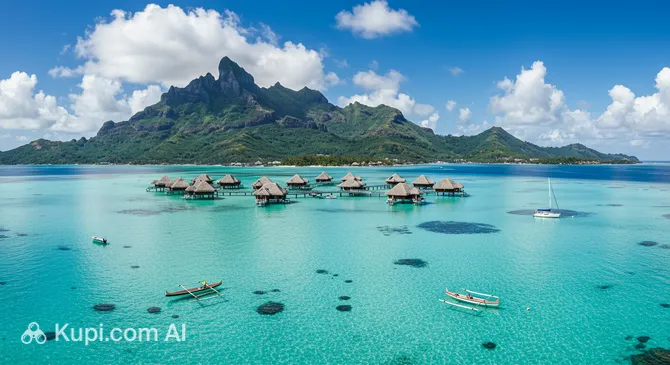
Bora Bora. Source: Kupi.Binoculars

The island's geography is truly unique, featuring a dormant volcano rising sharply from the center of a stunning lagoon, which is surrounded by a barrier reef and small islets known as motus. Despite its immense fame, the island maintains a cozy feel with a population of approximately 10,605 residents. The climate is tropical and warm year-round, making it an ideal destination for sun-seekers at any time.

Beyond its breathtaking scenery, the island has a fascinating past. Exploring the history of Bora Bora reveals stories of ancient Polynesian mariners and its role as a military supply base during World War II. Today, however, the focus is firmly on nature and leisure. Visitors are drawn to the iconic Mount Otemanu, which dominates the skyline, and the vibrant coral gardens where one can snorkel with rays and reef sharks.

Whether you are staying in an overwater bungalow or exploring the lush interior by 4x4, Bora Bora promises an unforgettable escape. It is the perfect place to disconnect from the busy world and immerse yourself in the natural splendor of the Pacific.
Weather Overview

The climate in Bora Bora is consistently tropical and inviting, characterized by warm temperatures that vary little throughout the year. Average temperatures generally hover between 25°C and 27°C, making it a comfortable destination for beach lovers regardless of the season. March and April tend to be the warmest months, reaching averages of around 27°C, while August and September are slightly cooler, dipping to about 25°C.

Rainfall patterns shift slightly during the year, with a higher frequency of precipitation occurring around the holiday season. The period from December to January typically sees the most rain activity, with January experiencing up to 27 wet days. In contrast, the middle of the year offers relatively drier conditions; August, for instance, records the fewest wet days, averaging about 16 per month. For a more comprehensive breakdown of conditions for your specific travel dates, you can view the detailed weather in Bora Bora.

Overall, visitors can expect warm days year-round with occasional showers that are more frequent in the summer months. Even during the wetter periods, the rain is often interspersed with sunshine, ensuring that the island's beauty remains accessible.

Interesting Facts

Beyond the postcard-perfect beaches and iconic overwater bungalows, Bora Bora holds fascinating secrets that add depth to its tropical allure. Digging a little deeper reveals a destination rich in history, linguistic quirks, and unique local customs.

  • Despite its world-famous name, the letter "B" does not actually exist in the local Tahitian language. The island was originally named Pora Pora, which translates to "First Born," but early European explorers misheard the pronunciation, leading to the moniker used today.

  • The island served as a strategic military supply base during World War II under the code name "Operation Bobcat." Although no combat took place here, adventurous visitors can still discover massive naval cannons hidden in the lush hills, standing as silent sentinels of the past.

  • Local tradition involves a subtle "flower language" using the Tiare blossom. Wearing a flower behind your left ear signals that your heart is taken, while placing it behind your right ear indicates that you are single and open to romance.

  • Geologically, the island is slowly sinking. Bora Bora is a classic example of a "semi-atoll," representing an intermediate stage between a high volcanic island and a coral atoll, with the extinct volcano Mount Otemanu gradually subsiding into the lagoon over millions of years.

How to Get There

Reaching this iconic island destination is an exciting part of the journey, with air travel being the primary method for international and domestic visitors. You can read more about how to get to Bora Bora and the specific transfer details to plan your arrival smoothly.

The principal gateway is Motu Mute Airport (BOB), situated directly in Bora Bora. This unique airport is located on a motu (islet) approximately 6.3 km from the main island's center. Unlike typical airport transfers, arriving here usually requires a boat shuttle to the mainland or your resort, followed by a taxi or bus ride; the entire transfer typically takes around 30 minutes. As a key regional hub, it handles a significant volume of passenger traffic annually.

Another option for travelers exploring the archipelago is Raiatea Airport (RFP), located in the city of Raiatea. It lies about 38.3 km away from Bora Bora. While it is not on the same island, it serves as an important connecting point within the Society Islands, allowing for transfers between the neighboring destinations.

For clarity, here is a summary of the main airports:

Airport Name City Passenger Traffic Km from City
Motu Mute Airport Bora Bora High 6.3
Raiatea Airport Raiatea Medium 38.3
Huahine Airport Huahine Medium 79.5
Temae Airport Moorea Medium 237.5
Maupiti Maupiti Low 54.3

Main Attractions

Top Attractions:

While the entire island of Bora Bora feels like one giant sightseeing destination, there are specific landmarks and locations that define the experience. From towering volcanic peaks to legendary waterfront establishments, the island offers a mix of natural wonders and inviting social hubs that capture the essence of Polynesian paradise.

Dominating the island's skyline is the majestic Mount Otemanu. Rising 727 meters above the lagoon, this jagged remnant of an ancient volcano is the most photographed landmark in the region. While the brittle rock makes the very summit inaccessible, guided hikes to the lower shoulders offer breathtaking panoramic views. For many, simply admiring its changing colors from a boat during a lagoon cruise is a highlight of their trip, as the mountain creates a dramatic backdrop against the turquoise waters.

For those seeking the perfect stretch of sand, Matira Beach is widely regarded as one of the best beaches in the world. Located at the southern tip of the main island, it is the largest public access beach in Bora Bora. Visitors are drawn to its powder-soft white sand and shallow, crystal-clear waters that stretch far out toward the reef. It is also a prime location for watching the sunset, as the sky turns into a vibrant canvas of oranges and purples reflecting off the lagoon.

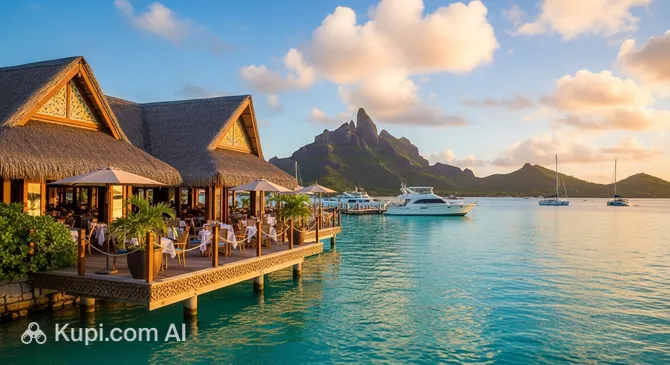
A staple of the island's social scene is the Bora Bora Yacht Club. Situated just north of the main village of Vaitape, this establishment is more than just a place to eat; it is a piece of local history. Known for its relaxed atmosphere and friendly service, it offers a quintessential waterfront experience where you can enjoy fresh seafood while watching sailboats glide by. It is particularly interesting to tourists looking for a casual yet iconic spot to unwind after a day of water activities.

Bora Bora Yacht Club. Source: Kupi.Binoculars

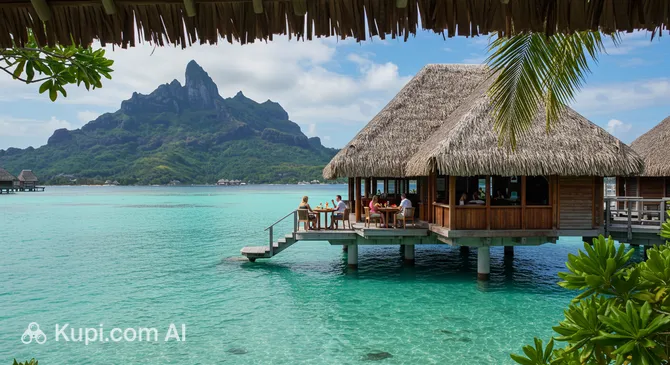
Another culinary landmark that doubles as a sightseeing stop is the Saint James Restaurant. Located in Vaitape, this venue is renowned for its intimate setting and overwater terrace. What makes it truly fascinating for visitors is the opportunity to dine while observing marine life; reef sharks and rays are often visible swimming in the illuminated waters directly beneath the deck. Combining French cuisine with Polynesian flavors, it offers a sensory experience that perfectly complements the island's romantic reputation.

Saint James Restaurant. Source: Kupi.Binoculars

Local Cuisine

The culinary landscape of Bora Bora is a delightful fusion of traditional Polynesian ingredients and sophisticated French techniques. Given the island's location, it comes as no surprise that fresh seafood is the star of the show, with catch-of-the-day specials featuring yellowfin tuna, mahi-mahi, and lagoon fish appearing on almost every menu. The food here is characterized by its freshness, often utilizing vanilla, coconut milk, and tropical fruits to enhance savory dishes.

The most iconic dish you must try is Poisson Cru (ia ota), which is often considered the national dish of French Polynesia. It consists of raw red tuna marinated briefly in lime juice and then mixed with diced vegetables and fresh coconut milk, creating a refreshing and creamy flavor profile. Another local favorite is Poulet Fafa, a comforting stew made with chicken, taro leaves (which taste somewhat like spinach), and coconut cream. For dessert, look for dishes incorporating Po’e, a sweet fruit pudding made from bananas, papaya, or pumpkin mixed with starch and coconut milk.

When it comes to beverages, the options are as tropical as the setting. Fresh coconut water is widely available and provides the perfect hydration under the sun. For those looking to enjoy a local alcoholic drink, Hinano is the quintessential Tahitian lager found everywhere from beach shacks to luxury resorts. Cocktail lovers should sip on a Maitai, which, while global, has a distinct local twist here often using fresh pineapple and local rums.

The food culture in Bora Bora offers a mix of high-end dining and casual local experiences. While many visitors dine in their resort restaurants, heading to the main village of Vaitape offers a taste of authentic island life. Here, you can find roulottes (food trucks) serving generous portions of grilled fish, steak and fries, and chow mein at very affordable prices. These mobile eateries are popular gathering spots for locals and provide a lively, informal atmosphere that contrasts beautifully with the quiet luxury of the overwater bungalows.

Travel Tips

Welcome to the mesmerizing world of Bora Bora! To help you navigate this island paradise with ease and focus on pure relaxation, here are some essential practical tips to ensure your journey is as smooth as the lagoon waters.

  1. Clothing and Gear: The climate is tropical and humid, so pack lightweight, breathable fabrics like cotton or linen. While swimwear is perfect for the beach, "resort casual" is the standard for evening dining. A critical item to bring is a pair of reef shoes; the coral can be sharp, and they are essential for protecting your feet while snorkeling. Don't forget a universal travel adapter, as outlets typically use French-style plugs (Type E) or sometimes US-style (Type A/B).

  2. Transportation: Getting around Bora Bora is unique because the airport and many resorts are located on motus (islets), making boat transfers the primary mode of travel upon arrival. On the main island, there is no structured public metro or extensive bus system, though a local bus called "Le Truck" operates occasionally. The best way to explore the main island is by renting a bicycle, scooter, or a small electric buggy. Taxis are available but can be quite expensive.

  3. Finances: The local currency is the CFP Franc (XPF). While major credit cards are widely accepted at hotels, restaurants, and larger boutiques, it is wise to carry some cash for small purchases at local markets, snack shops, or for tipping. ATMs are available in the main village of Vaitape. Tipping is not mandatory in Polynesian culture, as service is included, but leaving a small amount for exceptional service is always appreciated.

  4. Health and Safety: Bora Bora is a very safe destination with low crime rates. The main health concern is usually the sun and mosquitoes; bring reef-safe sunscreen and strong insect repellent to protect against mosquito-borne viruses. There is a pharmacy and a medical center in Vaitape, and for serious emergencies, medical evacuation to Tahiti is available. Tap water in major resorts is generally safe, but bottled water is recommended elsewhere.

  5. Communication: The official languages are French and Tahitian. However, English is widely spoken in all tourist areas, hotels, and activity centers. Learning a few local words like Ia Orana (Hello) and Mauruuru (Thank you) goes a long way with locals. Wi-Fi is standard in resorts, but if you need connectivity around the island, you can purchase a prepaid SIM card from Vini or Vodafone at the post office or authorized dealers.

  6. Local Etiquette: Polynesians are incredibly warm and welcoming. It is polite to greet people with a smile and a nod. When entering a local home or certain traditional establishments, check if you should remove your shoes. Dress modestly when you are not on the beach; walking around the village in just swimwear is considered disrespectful.

  7. What to Avoid: Do not touch or step on the coral reefs. Coral is a living organism that is easily damaged and can also cause nasty cuts that are slow to heal. Also, avoid rushing; the island operates on "island time," so embrace the slower pace and don't expect instant service everywhere.

  8. Sunday Slowdown: Be aware that Sunday is a day of rest and family time in French Polynesia. Most shops, grocery stores, and local restaurants on the main island will be closed or have very limited hours. If you are staying in a rental home rather than a full-service resort, plan your meals and shopping ahead of time for Sundays.

By keeping these practicalities in mind, you will be well-prepared to embrace the magic of the islands. Bora Bora is a place to disconnect and unwind, so pack your spirit of adventure and get ready for the trip of a lifetime!

Entertainment & Nightlife

Entertainment and nightlife in Bora Bora are defined by a relaxed, romantic, and intimate atmosphere rather than high-energy partying. Unlike destinations known for sprawling nightclubs and neon lights, the evening scene here revolves around sunset cocktails, refined dining, and cultural immersion. The pace is slow, aligning with "island time," making it the perfect place to unwind after a day in the sun. Most evening activities conclude relatively early, with venues typically quieting down around midnight.

The main hub for nightlife outside of the private resorts is the village of Vaitape and the area surrounding Matira Point. Here, you will find a selection of local bars and restaurants that offer a lively mix of tourists, expatriates, and locals. A legendary spot to experience the island's social side is the Bora Bora Yacht Club. Located just north of Vaitape, this venue is famous for its friendly, casual vibe and is arguably the best place to enjoy a sunset drink while watching sailboats sway in the harbor.

For those seeking a more sophisticated evening, the Saint James Restaurant offers an elegant setting on the lagoon side of Vaitape. It is an ideal location for a romantic night out, where you can enjoy fine wines and cocktails in a chic atmosphere. Beyond individual venues, many travelers spend their evenings at the major resorts, which regularly host spectacular Polynesian dance shows (Ori Tahiti). These events often feature fire dancing and traditional drumming, providing a captivating glimpse into local culture alongside buffet dinners.

When planning a night out, it is important to consider logistics. Transportation can be challenging after dark; public transport does not run at night, and taxis can be expensive and difficult to hail on the street. It is highly recommended to arrange a taxi in advance or use the shuttle services that many restaurants provide for their dinner guests. The island is generally very safe for walking, but the roads are often poorly lit, so carrying a flashlight or staying within well-populated areas like Matira Beach is advisable.

While the island focuses heavily on nature and relaxation, daytime entertainment offers a change of pace for those looking to stay dry. Visitors can explore small art galleries and pearl shops scattered around the island, or visit the modest maritime museum to learn about ancient navigation. However, travelers should not expect large amusement parks, multiplex cinemas, or grand theaters, as the island's charm lies in its preservation of natural beauty and tranquility.

Parks & Museums

Bora Bora is a destination where nature itself serves as the grandest gallery, and the surrounding lagoon acts as a vast, living park. While you will not find sprawling urban botanical gardens or massive national museums here, the island offers intimate cultural venues and spectacular natural areas that preserve its rich Polynesian heritage and ecological beauty.

The most significant natural area is undoubtedly the Lagoon of Bora Bora. Often described as an underwater garden, it effectively functions as a protected marine park. Specific spots, such as the Coral Gardens located near the barrier reef, allow visitors to snorkel among vibrant coral structures and tropical fish in a pristine, natural aquarium setting. On land, the island's lush interior serves as a wild botanical reserve. The trails around the base of Mount Otemanu and Mount Pahia guide hikers through dense tropical vegetation, wild fruit trees, and blooming hibiscus, offering a green escape that feels worlds away from the coast.

For a glimpse into the island's voyaging past, the Musée de Marine (Marine Museum) in Faanui is a fascinating stop. This small, private museum is dedicated to the maritime history of the region, displaying intricate models of ancient Polynesian voyaging canoes (va'a), historical maps, and artifacts related to the famous explorers who navigated the Society Islands. Art enthusiasts should also explore the various local art galleries found in Vaitape and within major resorts. These intimate spaces showcase the work of resident artists, featuring vibrant paintings and sculptures that capture the vivid colors and spirit of island life.

History is also etched into the landscape through open-air landmarks. Marae Fare Opu, located in Faanui Bay, is one of the most accessible ancient temples on the island. It is particularly known for its stone slabs featuring petroglyphs of turtles, which were considered sacred animals in ancient Polynesian culture. Another unique historical feature is the presence of World War II Coastal Guns. These massive American cannons, remnants of Operation Bobcat, still sit atop the hillsides, creating a unique open-air museum experience that combines military history with panoramic views of the lagoon.

For a truly authentic experience off the beaten path, venture into the Faanui Valley. This area is far less developed than the resort-heavy southern tip and offers a look at the wilder, agricultural side of Bora Bora. Walking through this quiet valley reveals small fruit plantations and deep jungle scenery, providing a serene atmosphere that few tourists take the time to discover.

Getting Around

Public transport in Bora Bora is quite different from what you might expect in a bustling metropolis. There is no metro, tram, or train system on the island. Instead, the public transportation network is modest and informal, perfectly reflecting the laid-back pace of island life. The primary form of shared transit on the main island is known as Le Truck, a colorful, open-air lorry converted into a bus with wooden benches in the back.

Le Truck operates along the single main road that circles the island, stopping at major points of interest and the main village of Vaitape. However, it does not run on a strict or frequent timetable like a city bus. Its schedule is generally aligned with school hours and the arrival of the Air Tahiti ferry, making it somewhat unpredictable for tourists trying to stick to a specific itinerary. While it is an authentic and inexpensive way to travel, it is best used for casual exploration rather than urgent appointments.

Given the island's unique geography, with the airport and many resorts located on separate islets (motus), water transport is a critical part of the system. The most famous example is the free catamaran shuttle that operates between the airport and the Vaitape harbor. For travel between the main island and the motus outside of arrival and departure, visitors often rely on water taxis. These operate much like regular taxis but on the lagoon, and while efficient, they can be costly depending on the distance and time of day.

The payment system for public options like Le Truck is strictly cash-based. There are no travel passes, smart cards, or mobile ticketing apps available. You simply pay the driver directly upon boarding or disembarking. Fares are generally low and fixed, but you must have local currency (Pacific Francs) on hand, as foreign currency and credit cards are rarely accepted for these small transactions. For water taxis and regular land taxis, prices are significantly higher and are often set based on zones or flat rates rather than meters.

For tourists, the most popular alternatives to public transport are rental vehicles and bicycles. Renting a bicycle or an e-bike is a fantastic way to see the island, as the coastal road is relatively flat and spans only about 32 kilometers (20 miles). For those who prefer an engine, renting a two-seater buggy or a scooter provides freedom to explore at your own pace without waiting for a bus. Standard taxis are also available and can be hailed at hotels or the Vaitape taxi stand, but it is advisable to book them in advance, especially for evening dining.

A crucial piece of advice for visitors is to plan your transport ahead of time, particularly in the evenings. Public transport effectively ceases operations after sunset, and Le Truck services are virtually non-existent on Sundays and public holidays. If you plan to dine out at a restaurant away from your accommodation, ask the venue if they offer a complimentary shuttle service, as this is a common perk offered by many establishments to compensate for the limited public transit options.

Accommodation

Where to Stay:

Accommodation in Bora Bora is legendary, often setting the global standard for tropical luxury. The island is most famous for its iconic overwater bungalows, which offer direct access to the turquoise lagoon from private decks. However, the range of places to stay is broader than many travelers realize, spanning from ultra-exclusive private island resorts to charming, family-run guesthouses known as pensions.

The location of your stay largely determines the type of experience you will have. The most luxurious resorts are typically located on the motus (small islets) surrounding the main island. Staying here offers maximum privacy, stunning views of Mount Otemanu across the water, and a sense of seclusion, as these resorts are often accessible only by boat. This is the ideal choice for honeymooners or those seeking a complete resort experience with on-site dining and spas.

For travelers who prefer more freedom to explore and a connection to local life, the main island is the best place to be. The area around Matira Beach is particularly popular, offering easy access to the island's most beautiful public beach, as well as nearby shops and casual eateries. The main village of Vaitape also has accommodation options, mostly in the form of smaller hotels and vacation rentals, which are convenient for accessing the ferry quay and essential services.

While the private resorts on the motus cater to the high-end market with premium amenities, the main island offers a variety of mid-range hotels and vacation rentals that provide a comfortable stay at a more accessible price point. These options often allow visitors to experience the island's culture more intimately, as you are not confined to a single resort property.

Booking Tips: Bora Bora is a dream destination for many, and the most sought-after overwater bungalows and affordable guesthouses fill up quickly. It is highly recommended to book your accommodation several months in advance, especially if you plan to visit during the peak season from June to October. Additionally, keep in mind that "budget" in Bora Bora is relative; even modest accommodations can be pricier than in other parts of the world due to the remote location.

The general price range leans towards the higher end, particularly for the full resort experience. Booking is typically done through major online travel platforms or directly through resort websites. For smaller pensions, direct communication via email or their specific websites is often the best way to secure a room and arrange transfers from the airport.

Nearby Cities

For those looking to explore the surroundings, Bora Bora serves as an excellent base for day trips or short excursions to several interesting nearby locations:

City Population Distance (km)
Papeete 131,695 258
Moorea 18,000 234
Raiatea 12,500 46
Huahine 6,000 79
Rangiroa 2,500 464

Among the closest neighbors is Raiatea, often referred to as the "Sacred Island." Located just a short flight or boat ride away, it is historically significant as the cultural heart of French Polynesia. Visitors here can explore the Marae Taputapuatea, a UNESCO World Heritage site and a massive ancient temple complex that was once the center of Polynesian voyaging. Raiatea also shares its lagoon with the island of Taha'a, known for its fragrant vanilla plantations.

Another captivating destination nearby is Huahine, known as the "Garden Island." It offers a lush, green landscape that feels incredibly authentic and untouched by mass tourism. With its dense tropical forests, abundant agriculture, and slower pace of life, Huahine provides a perfect contrast to the luxury resort atmosphere of Bora Bora. It is an ideal spot for travelers seeking to connect with nature and experience traditional village life.

Although slightly further afield, Moorea is a favorite for its dramatic volcanic peaks and vibrant bays. Known for its jagged mountains and extensive pineapple fields, it offers excellent hiking opportunities and a wide range of water activities. Its proximity to Tahiti makes it a bustling yet scenic hub that attracts many visitors looking for adventure.

These nearby destinations offer a glimpse into the diverse culture and landscapes of the region, allowing travelers to experience the broader beauty of the Society Islands.

Shopping & Souvenirs

Shopping in Bora Bora is a delightful but distinct experience that reflects the island's laid-back lifestyle. Rather than sprawling commercial centers and designer outlets, visitors will find charming boutiques, art galleries, and local craft stalls. The shopping scene here is focused on quality over quantity, offering unique treasures that embody the spirit of French Polynesia, from exquisite jewelry to vibrant textiles.

The primary destination for shopping is the main village of Vaitape. This is the island's commercial heart, where the main street is lined with a variety of small shops. Here, you can wander between high-end pearl showrooms, souvenir stores, and supermarkets. It is a walkable area where you can easily spend a few hours browsing for gifts while enjoying the bustling atmosphere of the harbor.

Travelers should not expect to find large, Western-style shopping malls in Bora Bora. The retail landscape is composed of smaller arcades and standalone boutiques. The closest equivalent to a shopping center is the Centre Commercial Le Pahia in Vaitape, which houses a few essential services and shops. Generally, the "malls" here are modest plazas that serve the local community's daily needs rather than serving as major tourist attractions.

For a more authentic glimpse into local culture, the artisanal markets are a must-visit. Located primarily near the Vaitape wharf, especially when cruise ships are in port, these open-air stalls are where local "mamas" sell their handmade crafts. It is the perfect place to find woven hats, baskets made from pandanus leaves, and shell jewelry, directly supporting the local artisans.

When it comes to souvenirs, the Tahitian Black Pearl is undoubtedly the most famous and coveted item to bring home. Cultured in the pristine lagoons of French Polynesia, these pearls come in a spectrum of colors from dark green to peacock blue. Other popular keepsakes include bottles of Monoi oil (coconut oil infused with tiare flowers), vanilla beans from the neighboring island of Taha'a, and colorful hand-dyed pareos (sarongs) that are essential for beachwear.

Store hours in Bora Bora operate on "island time." Most shops in Vaitape open around 8:00 AM or 9:00 AM and close by 5:00 PM on weekdays. Many businesses close for a few hours during lunch and often shut down early on Saturdays, with almost everything being closed on Sundays. While major pearl shops and boutiques accept credit cards, it is advisable to carry local currency (CFP Francs) for purchases at smaller market stalls and grocery stores.

Tourists making significant purchases, particularly for jewelry and black pearls, may be eligible for a tax refund (détaxe). If you purchase goods over a certain value at a participating duty-free store, you can request a tax exemption form to present at the customs office at the airport upon your departure from French Polynesia. Be sure to ask the shop assistants about this service before buying.

Reached the end of the page?

That means the route is fully explored