Support

Moorea

About

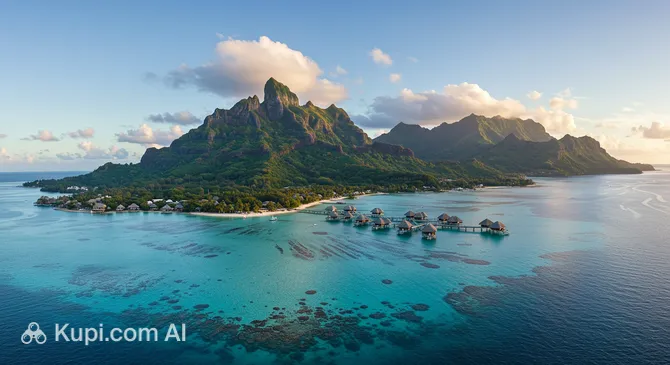
Rising dramatically from the ocean with its emerald peaks and crystal-clear lagoon, Moorea is often described as one of the most striking islands in the South Pacific. Located just a short ferry ride northwest of Tahiti, this heart-shaped island is a true jewel of French Polynesia, offering a perfect blend of relaxation and adventure without the hustle of a busy metropolis.

Moorea. Source: Kupi.Binoculars

Home to a population of approximately 18,000 residents, the island maintains a laid-back, village-like atmosphere despite its popularity among travelers. The geography is dominated by eight jagged volcanic mountains, lush rainforests, and deep inlets that shape its unique coastline. While exploring the history of Moorea, visitors will discover a rich tapestry of Polynesian legends and a deep connection to the land and sea that continues to define the local way of life.

Travelers are drawn here by iconic natural wonders such as Cook's Bay and Opunohu Bay, which offer spectacular scenery against the backdrop of Mount Rotui. For panoramic views, the Belvedere Lookout provides an unforgettable vantage point over the island's lush interior and ancient crater. Whether you are snorkeling with rays in the shallow turquoise waters or hiking through pineapple plantations, Moorea promises an enchanting and memorable escape.

Weather Overview

Moorea enjoys a tropical climate defined by consistent warmth and lush surroundings throughout the year. The weather in Moorea is generally split into a warmer, humid season and a slightly cooler, drier season, though the temperature variations are quite subtle. Visitors can look forward to a comfortable atmosphere where the ocean breeze often moderates the heat.

Temperatures are remarkably stable, with monthly averages hovering between 24.0°C in the cooler months of August and September and peaking at around 26.2°C in March. Rainfall is a frequent occurrence, keeping the island's vegetation vibrant; January is typically the wettest month with rain recorded on up to 26 days. Expect warm tropical conditions year-round with frequent showers, especially from November to April, while the period from June to October offers slightly cooler days and a reduction in rainy weather.

Interesting Facts

Beyond the stunning turquoise lagoons and emerald peaks, Moorea holds a collection of intriguing stories and unique features that often go unnoticed by the casual visitor. This heart-shaped island offers more than just scenic beauty; it is a place rich in history, legends, and agricultural surprises.

  • The island's name literally translates to "Yellow Lizard" (Mo'o means lizard and Rea means yellow) in the local Tahitian dialect. This name stems from an ancient legend involving a giant yellow lizard that was believed to be the offspring of the gods.

  • Despite its name, Captain James Cook never actually anchored his ship in the famous Cook's Bay during his voyages. Historical records indicate he moored in the adjacent Opunohu Bay, yet the misnomer has persisted for centuries.

  • Moorea is widely known as the "Pineapple Island" of French Polynesia. Its fertile volcanic crater serves as the primary cultivation site for the sweet "Queen Tahiti" pineapples found throughout the archipelago.

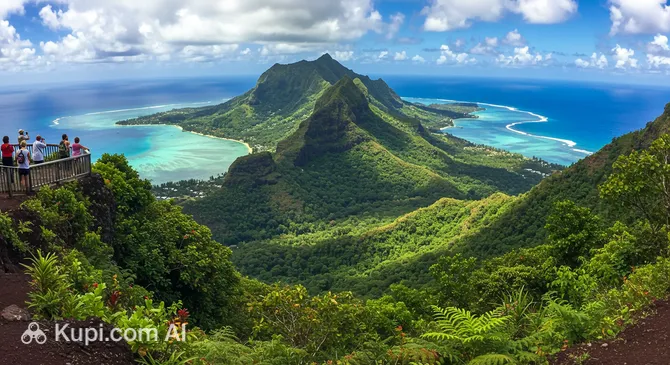
  • The striking silhouette of Mount Mou'a Roa, which can be admired from the Belvedere Lookout, is so iconic that it is featured on the back of the 100 Pacific Franc coin used across the region.

Belvedere Lookout. Source: Kupi.Binoculars

How to Get There

Reaching this tropical paradise is a seamless part of the adventure, with convenient connections linking it to the rest of the archipelago and the world. Whether you prefer a scenic flight or a short boat ride across the channel, the journey offers stunning views of the lagoon and mountains. For a comprehensive guide on all available transport options, you can read more about how to get to Moorea.

The island is directly served by Temae Airport (MOZ), which is located approximately 9 km from the center of the main activity hubs. This regional airport connects the island with other destinations in French Polynesia. A trip from the airport to the central areas by taxi or shuttle typically takes around 35 minutes. While small, it is a vital link for island-hopping travelers.

For international arrivals, the primary gateway is Tahiti Faa'a Airport (PPT), located in the city of Papeete, about 24 km away from Moorea. Since Moorea does not handle long-haul international flights directly, visitors fly into Papeete and then transfer. From Tahiti Faa'a Airport, you can easily reach Moorea via a quick 15-minute connecting flight or by taking a taxi to the ferry terminal for a scenic 30 to 45-minute catamaran ride across the channel.

For clarity, here is a summary of the main airports in the region:

Airport Name City Passenger Traffic Km from City
Tahiti Faa'a Airport Papeete High 23.7
Motu Mute Airport Bora Bora Medium 237.8
Raiatea Airport Raiatea Medium 196.2
Huahine Airport Huahine Medium 158.1
Temae Airport Moorea Medium 9.1

Since there are no railway networks on the islands of French Polynesia, the most popular alternative to flying is the ferry service from Tahiti. Fast catamarans and ferries run frequently between the docks in Papeete and the ferry terminal in Vaiare on Moorea, making it an accessible and enjoyable day-trip destination or vacation spot.

Main Attractions

Moorea is a destination where the mountains are as inviting as the sea, offering a diverse range of activities that cater to adventurers, nature lovers, and culture enthusiasts alike. From soaring peaks to protected underwater gardens, the island's attractions allow visitors to fully immerse themselves in the Polynesian landscape.

The Belvedere Lookout is arguably the island's most essential stop for sightseeing. Easily accessible by road, this panoramic point stands in the center of the ancient volcanic crater. It offers a breathtaking, symmetrical view of both Cook's Bay and Opunohu Bay, separated by the majestic Mount Rotui. It is the perfect spot to appreciate the island's lush geography without needing a strenuous hike.

For an intimate encounter with marine life, the Moorea Lagoonarium is a standout experience located on a small islet (motu) just off the coast. This protected area creates a safe natural aquarium where visitors can snorkel amidst vibrant coral gardens. It is famous for offering the chance to swim alongside blacktip reef sharks and stingrays in shallow, clear waters, supervised by experienced guides.

Travelers seeking spectacular 360-degree views should venture to Magic Mountain. Situated on the northern tip of the island, this high vantage point overlooks the lagoon's mesmerizing shades of blue and the fringing reef. Access is typically via a steep path best navigated by 4x4 vehicles or ATVs, making the journey to the top a thrilling part of the experience.

Temae Beach is widely considered one of the most beautiful public beaches on the island. Located near the airport, this expansive stretch of white sand is fringed by palm trees and offers easy access to a thriving coral garden. It is a favorite spot for both locals and tourists to relax, swim, and enjoy excellent snorkeling right from the shore.

To dive deep into local traditions, the Tiki Village Cultural Centre provides a comprehensive look at Polynesian heritage. Reconstructed as a traditional village, it hosts artisans demonstrating weaving, carving, and pareo dyeing. The center is also renowned for its evening spectacles, which feature fire dancing and authentic Tahitian feasts cooked in an earth oven.

Local Cuisine

The culinary landscape of Moorea is a delightful reflection of its cultural heritage, blending fresh Polynesian ingredients with French culinary finesse and hints of Chinese influence. As the "Pineapple Island," Moorea is renowned for its sweet, golden fruit, which features heavily in everything from refreshing desserts to savory glazes. The island's fertile soil and bountiful lagoon ensure that every meal is centered around the freshest produce and seafood imaginable.

No visit to Moorea is complete without trying the national dish of French Polynesia, Poisson Cru (ia ota). This refreshing delicacy consists of raw tuna marinated in lime juice and coconut milk, tossed with diced cucumbers, tomatoes, and onions. It is a staple found everywhere, from high-end resorts to roadside stalls. Another signature flavor is the use of Tahitian vanilla; you will often find freshly caught fish, such as Mahi Mahi or Tuna, grilled to perfection and served with a rich, aromatic vanilla cream sauce that perfectly balances savory and sweet notes.

When it comes to beverages, the island offers plenty of tropical refreshment. Fresh coconut water is widely available at roadside stands, often sipped directly from the nut. Since Moorea is a hub for fruit production, locally made pineapple and exotic fruit juices are exceptionally sweet and popular. For those seeking an alcoholic option, Hinano is the iconic Tahitian lager enjoyed by locals and tourists alike, while sunset hours are best accompanied by a classic Maitai cocktail made with local rum.

The dining culture in Moorea is relaxed and varied. For a casual and authentic experience, visitors should seek out the roulottes (food trucks) that typically open in the evenings. These mobile kitchens serve generous portions of grilled steaks, fresh fish, and crepes in a friendly, communal atmosphere. For lunch, local "Snacks" offer affordable meals right by the beach, while Sunday mornings are traditionally reserved for the Ma'a Tahiti, a massive feast cooked in an earth oven (ahima'a), featuring taro, breadfruit, and slow-cooked meats.

Travel Tips

Planning a trip to Moorea is the first step toward an unforgettable island escape, but knowing a few local nuances can turn a good vacation into a seamless adventure. To help you navigate the "Magical Island" with ease and confidence, here are some essential practical tips designed for visitors.

  1. Clothing and Gear: Given the tropical climate, pack lightweight, breathable fabrics like cotton or linen to stay cool in the humidity. Casual attire is the norm almost everywhere, even in high-end resorts. Crucially, bring a pair of sturdy reef shoes to protect your feet from sharp coral and stonefish while swimming. Don't forget a universal travel adapter (types C and E are standard) and high-SPF, reef-safe sunscreen to protect both your skin and the marine ecosystem.

  2. Transportation: Public transport on Moorea is limited to a bus service that generally aligns with ferry arrivals but can be infrequent and unreliable for touring. The best way to explore the island's 60-kilometer perimeter road is by renting a scooter, car, or e-bike. Taxis can be quite expensive and are not always readily available to flag down on the street, so arranging a rental vehicle gives you the freedom to discover hidden beaches at your own pace.

  3. Finances: The local currency is the Pacific Franc (XPF). While major hotels, restaurants, and activity centers accept credit cards, cash is absolute king at small "Snacks," fruit stands, and the popular evening food trucks (roulottes). ATMs are available, primarily in the districts of Maharepa and Haapiti, so it is wise to withdraw cash when you are in these main hubs. Tipping is not mandatory in Polynesian culture, but it is always appreciated for exceptional service.

  4. Health and Safety: Moorea is generally very safe, but mosquitoes can be a nuisance and carry dengue fever, so carrying a strong insect repellent is highly recommended. Tap water is generally treated in the main resort areas, but sticking to bottled water is a safer bet for short-term visitors. Pharmacies are well-stocked (look for a green cross sign) but are not open 24/7; they are mostly found in Maharepa and near the ferry terminal.

  5. Communication: French and Tahitian are the official languages. While English is widely spoken in hotels and tourist spots, it is less common in small village shops. Learning a few local phrases like Ia Orana (Hello) and Mauruuru (Thank you) will earn you warm smiles from the locals. For connectivity, you can purchase a prepaid SIM card (Vini or Vodafone) at the airport or local post offices, as Wi-Fi speeds can vary outside of major resorts.

  6. Local Etiquette: Polynesians are incredibly friendly and welcoming. It is polite to greet people with a smile and a nod, even if you don't know them. Life here moves at "island time," so patience is a virtue; service may be slower than you are used to, but it is rarely intentional. If invited into a local home, always remember to remove your shoes before entering.

  7. What to Avoid: Please do not touch, stand on, or break the coral reefs. They are living organisms and are vital to the island's health; touching them can kill the coral and result in nasty cuts for you. Additionally, avoid loud or boisterous behavior in public places, as the local vibe is reserved and respectful.

  8. Sunday Slowdown: Be aware that Sunday is a day of rest and family time in Moorea. Most shops, grocery stores, and many restaurants close very early or remain closed all day. Plan your meals and shopping needs in advance, or book a Sunday brunch at a hotel to ensure you aren't caught without options.

By keeping these practicalities in mind, you will be well-equipped to relax and embrace the slow, rhythmic pace of island life. Moorea is a place to disconnect from stress and reconnect with nature, and a little preparation ensures your focus remains entirely on the stunning lagoons and lush mountains.

Entertainment & Nightlife

Unlike the bustling nightlife of large cities, entertainment in Moorea is defined by a relaxed, romantic, and culturally rich atmosphere. The island does not have high-energy nightclubs or thumping discos that stay open until dawn. Instead, the evening scene revolves around sunset cocktails, refined dining with lagoon views, and mesmerizing Polynesian dance shows. The vibe is sophisticated yet unpretentious, encouraging visitors to unwind and soak in the tropical serenity under the stars.

The main hubs for evening activity are located in the districts of Maharepa and Hauru (Haapiti). Maharepa, often considered the commercial center of the island, features a cluster of restaurants and bars where you can enjoy live acoustic music and locally inspired drinks. Hauru, situated on the northwest coast, is home to several major resorts and independent eateries that create a lively pocket of activity after dark. In these areas, the dress code is almost exclusively "island casual"—shorts, polo shirts, and summer dresses are perfect, even for dinner.

For a truly iconic evening experience, the Tiki Village Cultural Centre is a must-visit. This venue reconstructs a traditional Polynesian village and hosts a spectacular evening show complete with fire dancing, Tahitian music, and a massive feast cooked in an earth oven. Another popular spot for a lively evening is the Moorea Beach Cafe in Maharepa, known for its stunning sunset views, extensive champagne list, and vibrant atmosphere that often extends later into the night than other local establishments. Many travelers also frequent the bars within major resorts like the Manava Beach Resort or the Hilton, which regularly host "Polynesian Nights" open to non-guests, offering a safe and festive environment to enjoy local culture.

Practical planning is essential for a night out in Moorea. Most venues close relatively early, often by 10:00 PM or 11:00 PM, though some hotel bars may stay open until midnight. Prices can be on the higher side, with cocktails averaging between 1,500 and 2,000 XPF. Transportation is the biggest challenge; taxis are extremely scarce at night and rarely ply the roads looking for passengers. It is highly recommended to arrange a transfer with your restaurant or have your hotel book a taxi in advance for both legs of your journey. Walking along the road at night is not recommended due to poor lighting and lack of sidewalks.

While the nights are calm, the daytime offers endless opportunities for exploration. Visitors can immerse themselves in the island's natural beauty by hiking through lush trails or visiting the Belvedere Lookout, which offers one of the most famous panoramas in the South Pacific. For those seeking cultural enrichment during the day, small art galleries and pearl shops scattered around the island provide a pleasant diversion from the sun and sand.

Parks & Museums

While Moorea is celebrated primarily for its turquoise lagoons and volcanic peaks, the island also offers a fascinating array of green spaces and cultural sites that provide a deeper understanding of Polynesian heritage. Unlike major cities with vast indoor museum complexes, Moorea's "museums" are often found outdoors—in the lush valleys where ancient history sleeps and in the vibrant centers that celebrate the living culture of the islands.

The Opunohu Valley serves as the island's most significant natural and historical park. Stretching inland from the bay, this lush amphitheater is a sanctuary of biodiversity and archaeology. Visitors can explore a network of hiking trails that wind through chestnut forests and pineapple plantations, eventually leading toward the famous Belvedere Lookout. The valley is not just a natural wonder but an open-air museum, housing some of the best-preserved marae (ancient stone temples) in French Polynesia, where travelers can walk among the moss-covered stones of Marae Titiroa and Marae Afareaito.

For those interested in local flora, the Moorea Tropical Garden offers a delightful sensory experience. Perched on a hillside overlooking the lagoon, this botanical garden is a showcase of the island's fertile abundance. Visitors can stroll through vanilla vines, exotic flowers, and fruit trees, learning about the plants that are essential to Polynesian cuisine and medicine. The garden also features a small terrace where you can sample homemade jams and fresh fruit juices while admiring the panoramic views of the bay below.

In terms of cultural institutions, Te Fare Natura (The Ecomuseum) is a standout facility located in Opunohu Bay. This modern museum is dedicated to the biodiversity of the island and the deep connection between the Polynesian people and their environment. Through interactive exhibits and aquariums, it educates visitors on the coral reef ecosystems, local legends, and the importance of conservation. It is an excellent stop for families and anyone wishing to understand the scientific and cultural significance of the landscape they are exploring.

Art lovers will find that Moorea acts as a magnet for painters and sculptors, resulting in several small art galleries and studios scattered around the island, particularly near Cook's Bay and Maharepa. These intimate spaces display works ranging from traditional wood carvings and pearl jewelry to contemporary paintings that capture the vibrant light and colors of the South Pacific. Visiting these galleries offers a chance to meet local artists and purchase unique, authentic souvenirs that support the creative community.

History enthusiasts should not miss the Papetoai Church, an architectural landmark with a unique story. Built in 1822, it is the oldest European building in use in the South Pacific. The church is octagonal and was constructed directly on top of an ancient royal marae, symbolizing the island's conversion to Christianity. Its coral-stone walls and historical significance make it a poignant site for understanding the colonial and religious shifts in the region's past.

For a truly authentic local experience, venture beyond the beaches to the Rotui Juice Factory. While not a traditional museum, it offers a glimpse into the island's agricultural heart. You can learn how the famous Queen Tahiti pineapples are processed and enjoy tastings of fresh juices and fruit liqueurs, providing a flavorful connection to the land's produce.

Getting Around

Navigating Moorea requires a shift in expectations, as the island does not possess the complex public transport networks found in major cities. There are no subways, trams, or trains here. Instead, the public transportation system is quite simple, relying primarily on a limited bus service that connects the main villages and tourist areas. For most visitors, this simplicity is part of the island's charm, though it does require some planning to get around efficiently.

The local bus service acts as the backbone of public transit and is specifically designed to coordinate with the arrival and departure of ferries from Tahiti. The buses are generally modern coaches or older style vehicles that wait at the Vaiare ferry terminal. Once a ferry docks, two buses typically depart: one heading north (clockwise) toward Maharepa and Cook’s Bay, and the other heading south (counter-clockwise) toward Haapiti and the major resorts. If you are not arriving by ferry, catching a bus mid-route can be challenging due to their infrequent schedules, which are mostly limited to daytime hours.

Payment on Moorea’s buses is straightforward and old-fashioned. There are no travel cards, apps, or digital ticketing machines. You simply pay the driver in cash upon boarding. The fare is very affordable, usually costing around 350 XPF for a one-way trip to most destinations on the island. It is essential to carry local currency (Pacific Francs) in small denominations or coins, as drivers may not have change for large bills. Tickets are not pre-purchased; the transaction happens directly on the vehicle.

For tourists relying on the bus, practical timing is key. The buses do not run on a strict, frequent loop throughout the day like a city metro; they are most reliable immediately after a ferry arrival. If you are waiting along the road, look for designated bus stops, which are often simple shelters or marked signs. However, in many areas, it is acceptable to wave clearly at the driver to flag the bus down. Be aware that services wind down early in the evening, often stopping completely after the last afternoon ferry, so this is not a viable option for night outs or dinner plans.

Taxis offer a more flexible but significantly more expensive alternative. Unlike in busy metropolises, you cannot simply hail a taxi on the street. Taxis are stationed primarily at the airport and the ferry terminal. To use one from your hotel or a restaurant, you must book it in advance by phone or have the concierge arrange it for you. Fares are generally fixed based on the destination rather than metered, and rates can be quite high, especially on Sundays and at night.

Given the limitations of buses and taxis, the most popular option for visitors is renting personal transport. The island is perfectly suited for independent exploration, and numerous rental agencies offer scooters, compact cars, and increasingly popular "fun cars" (small roadsters). Additionally, e-bikes have become a favorite way to see the island; the coastal road is relatively flat and scenic, making cycling a breezy and enjoyable experience. Renting a vehicle provides the freedom to visit hidden beaches and inland viewpoints that public transport simply does not reach.

Accommodation

Accommodation in Moorea offers a delightful spectrum of choices that cater to diverse tastes and budgets, ranging from some of the world’s most luxurious resorts to charming, family-run guesthouses. Unlike the high-rise hotel strips found in other destinations, the lodging landscape here is low-rise and blends harmoniously with the lush tropical environment. Whether you dream of waking up in an iconic overwater bungalow or prefer the authentic hospitality of a local host, the island provides a setting that feels intimate and serene.

When choosing a location, the northern and northwestern coasts are generally the most popular areas for tourists. The district of Maharepa is a convenient hub, offering proximity to a variety of boutiques, banks, and restaurants, making it an excellent choice for those who want easy access to amenities. Further west, the Hauru area in Haapiti is renowned for its concentration of resorts and beautiful beaches, offering stunning sunset views and a slightly more secluded resort atmosphere. For those seeking dramatic scenery, staying near Cook’s Bay places you in the shadow of majestic mountains, though the beaches there are fewer compared to the lagoon-side stretches of Hauru.

For the ultimate romantic experience, the luxury resorts in Moorea are famous for their overwater bungalows. These thatched-roof villas perched above the turquoise lagoon allow guests to observe marine life through glass floor panels and dive directly into the water from their private decks. While these represent the higher end of the price spectrum, they offer an unforgettable standard of comfort and privacy that defines the Polynesian dream vacation.

On the other end of the scale, and offering excellent value, are the Fare or family pensions. These small guesthouses are a staple of accommodation in French Polynesia. They typically offer simple, clean, and comfortable bungalows set in tropical gardens or near the beach. Staying in a pension is a fantastic way to connect with local culture, as hosts often provide home-cooked meals and insider tips on exploring the island. This option is ideal for budget-conscious travelers and those seeking a more authentic, down-to-earth experience.

Booking Tips and Prices: Prices in Moorea can vary significantly. Budget-friendly pensions generally range from moderate to mid-range prices compared to global standards, while luxury resorts command premium rates, especially for overwater suites. It is highly recommended to book well in advance, particularly if you plan to visit during the high season (May to October) or have your heart set on a specific type of bungalow. Reservations can be made through major online travel platforms, but for smaller family pensions, direct booking via their websites or email is often the best way to secure a room and clarify transfer arrangements.

Nearby Cities

For those looking to explore the surroundings, Moorea serves as an excellent base for day trips to several interesting nearby locations:

The most convenient and popular option is Papeete, the bustling capital of French Polynesia located on the neighboring island of Tahiti. Easily accessible via a scenic 30 to 45-minute ferry ride, Papeete offers a lively contrast to Moorea's quiet charm. Visitors can explore the vibrant Papeete Market to buy local crafts and vanilla, stroll along the waterfront, or enjoy a diverse culinary scene that ranges from fine dining to the famous evening food trucks (roulottes).

For travelers willing to take a short inter-island flight, Bora Bora is a bucket-list destination situated northwest of Moorea. Known as the "Pearl of the Pacific," it is celebrated for its stunning turquoise lagoon and the majestic Mount Otemanu. While often a longer stay destination, its proximity makes it possible to visit for a glimpse of its world-renowned luxury and natural beauty. Another nearby gem is Huahine, known as the "Garden Island," which offers a more authentic, untouched Polynesian atmosphere filled with lush jungles and significant archaeological sites.

City Population Distance (km)
Papeete 131,695 28
Raiatea 12,500 191
Bora Bora 10,605 234
Huahine 6,000 158
Rangiroa 2,500 355

These nearby destinations offer a glimpse into the diverse culture and landscapes of the region.

Shopping & Souvenirs

Shopping in Moorea is a delightful departure from the frantic pace of modern retail therapy. Instead of sprawling complexes, you will find quaint boutiques, family-run art galleries, and roadside stands that reflect the island's laid-back atmosphere. The experience is intimate and authentic, focusing on locally crafted goods, tropical fashion, and the world-renowned treasures of the sea rather than mass-produced items.

The primary hub for shopping on the island is the district of Maharepa. Located on the north coast, this bustling village features a concentrated row of clothing boutiques, souvenir shops, and pearl jewelry stores, all within walking distance of banks and cafes. Another key area is Le Petit Village in the Haapiti district on the northwest side. This charming, colonial-style commercial center hosts a collection of tourist-friendly shops selling swimwear, handicrafts, and local art, making it a convenient stop for those staying in nearby resorts.

Travelers should not expect large, multi-story shopping malls in Moorea. The retail landscape is defined by small commercial centers rather than mega-malls. The "Centre Commercial" in Maharepa is the closest equivalent, serving as a modest strip of shops and essential services. This lack of heavy commercialization preserves the island's rustic charm, ensuring that every purchase feels personal and unique.

While Moorea does not have a massive central market like the one in the capital, the spirit of the market is alive at the numerous roadside stalls scattered along the coastal road. Here, locals sell freshly caught fish, tropical fruits like pineapples and papayas, and handmade flower crowns. For handicrafts, small artisan markets often pop up near cruise ship tender piers or within the larger resort lobbies, offering woven baskets, shell jewelry, and wood carvings directly from the creators.

The most iconic purchase in Moorea is undoubtedly the Tahitian Black Pearl. Visitors can buy loose pearls or mounted jewelry from reputable shops and even visit pearl farms to see how they are harvested. Other popular souvenirs include Monoi oil, a fragrant coconut oil infused with tiare flowers, and vibrant hand-dyed pareos (sarongs) that are a staple of island fashion. Additionally, vanilla beans and jams made from the island's sweet pineapples are excellent edible gifts to bring home.

Store hours in Moorea generally follow a relaxed schedule. Most shops open around 8:00 AM or 9:00 AM and close by 5:00 PM or 6:00 PM. It is important to note that many businesses close for a lunch break between 12:00 PM and 1:30 PM, and on Saturday afternoons and Sundays, most shops are closed. Regarding payment, major credit cards are widely accepted in boutiques, hotels, and supermarkets. However, carrying some cash in Pacific Francs (XPF) is essential for small purchases at fruit stands, snack bars, or smaller craft stalls.

For high-value purchases, particularly black pearls, a tax-free (détaxe) option is often available for tourists. When buying from a certified shop, you can ask for the tax refund paperwork. The process typically involves presenting these forms to the customs office at the airport before leaving French Polynesia. Always confirm the specific procedure and eligibility with the merchant before making a significant purchase.
Reached the end of the page?

That means the route is fully explored