Support

Maupiti

About

Often described as a miniature version of its famous neighbor Bora Bora, Maupiti offers an authentic and secluded escape that feels like a step back in time. This small, enchanting island is the westernmost of the Leeward Islands in the Society Archipelago. Unlike more commercialized destinations, Maupiti has resisted large-scale tourism, preserving a peaceful atmosphere where the traditional Polynesian lifestyle truly thrives.

Geographically, the island consists of a central volcanic peak rising from a shallow crystal-clear lagoon, surrounded by five flat coral islets known as motus. Located in French Polynesia, it is home to a close-knit community of approximately 1,200 residents. The climate is tropical and warm year-round, making it an idyllic destination for travelers seeking sun and serenity away from the crowds.
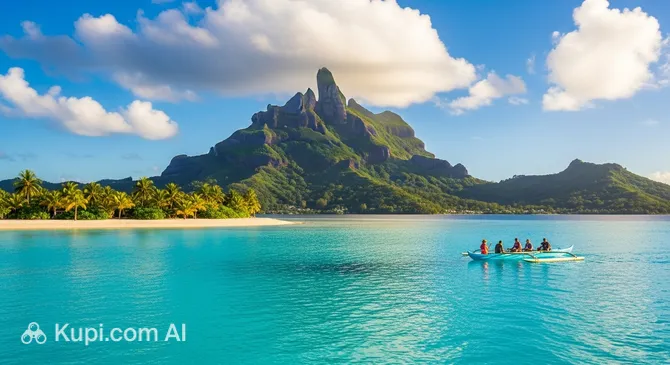
Maupiti. Source: Kupi.Binoculars

The island is not just about stunning landscapes; it also holds deep cultural significance. Exploring the history of Maupiti reveals fascinating archaeological sites, including ancient marae (sacred temples) and petroglyphs hidden within the Haranae Valley. These remnants provide a glimpse into the rich heritage and legends that the local people proudly protect and share with visitors.

For nature lovers and adventurers, Maupiti is a paradise. One of the main highlights is hiking up Mount Teurafaatiu, the island's highest point, which rewards climbers with a breathtaking 360-degree view of the turquoise lagoon and the deep blue ocean beyond. The lagoon itself is famous for its resident manta rays, offering a unique opportunity to swim alongside these majestic creatures at their cleaning station. Additionally, the pristine Tereia Beach is the perfect spot for relaxation, with its white sands and shallow waters that stretch far towards the reef.

If you are looking for a genuine tropical getaway where time seems to stand still, Maupiti is the perfect choice. Its warm hospitality, untouched beauty, and tranquil environment invite you to disconnect from the world and immerse yourself in the true spirit of the islands.

Weather Overview

Maupiti is blessed with a tropical climate that keeps the island warm and inviting all year long. Average temperatures are incredibly consistent, hovering comfortably between 25°C and 28°C, which ensures that the lagoon waters remain pleasant for swimming and snorkeling regardless of when you visit.

When planning your trip, it is useful to consider the seasonal variations in rainfall. Expect warm temperatures year-round with a wetter season from November to March, where wet days are more frequent, and a drier, slightly cooler period from June to September. For a more comprehensive breakdown of what to expect during your stay, you can consult the guide to the weather in Maupiti.

Interesting Facts

Beyond its stunning lagoon and lush peaks, Maupiti holds unique characteristics and local legends that set it apart from other destinations in the region. Here are some intriguing aspects of this secluded island paradise:

  • Maupiti is fiercely protective of its authentic lifestyle and has collectively decided to ban the construction of large luxury resorts and hotels. Unlike its neighbors, you will not find overwater bungalows here; instead, the island is dedicated to family-run guesthouses, ensuring a genuine connection with the local community.

  • The island is accessible by sea only through the singular and treacherous Onoiau Pass. This narrow channel is notorious for its strong currents and difficult navigation, a geographical feature that historically limited outside contact and helped preserve the island's pristine environment.

  • At the beautiful Tereia Beach, the water is shallow enough to allow a unique experience: you can walk entirely across the lagoon to the neighboring islet of Motu Auira. This natural sandbar lets adventurers stroll between islands while waist-deep in warm, turquoise water.

  • Hidden in the Haranae Valley, visitors can find ancient petroglyphs, including a famous carving of a turtle. In ancient Polynesian culture, turtles were sacred animals associated with royalty, and this site remains a significant link to the island's chiefly history.

How to Get There

Reaching this secluded paradise is part of the adventure, as the island is removed from the major international traffic hubs. Most travelers arrive via inter-island flights, which offer spectacular aerial views of the lagoon. For a complete guide on planning your journey, including flight connections and boat transfers, you can read more about how to get to Maupiti.

The primary entry point is the local Maupiti Airport (IATA: MAU), which is located directly on one of the coral islets (motus) surrounding the main island. Since the airport is situated just 2.5 km from the main village, the final leg of your journey involves a short boat transfer across the lagoon rather than a typical taxi ride. With an annual passenger traffic of around 38,000 people, it is a small, relaxed facility that perfectly sets the tone for your stay.

If you are traveling from further afield, you will likely transit through a larger neighboring hub. The city of Maupiti does not have a large international airport, but you can fly into Motu Mute Airport (IATA: BOB) in the city of Bora Bora, which is about 53.7 km from Maupiti. This is a major regional hub with significant passenger traffic. Another option is Raiatea Airport (IATA: RFP) in Raiatea, located approximately 89.5 km away. From these islands, you can catch a connecting flight or, in some cases, a ferry to reach Maupiti.

For clarity, here is a summary of the main airports:

Airport Name City Passenger Traffic Km from City
Motu Mute Airport Bora Bora Large 53.7
Raiatea Airport Raiatea Medium 89.5
Huahine Airport Huahine Medium 134.2
Temae Airport Moorea Medium 289.4
Maupiti Maupiti Small 2.5

Main Attractions

Although Maupiti is a small island, it is packed with breathtaking natural wonders and cultural sites that rival those of its larger neighbors. The island's lack of mass tourism allows visitors to enjoy these spots in peace and tranquility. As a hidden gem of French Polynesia, it offers attractions that are as visually stunning as they are serene.

Mount Teurafaatiu stands as the island's sentinel, rising dramatically from the lush green interior. The hike to the summit takes you through vibrant tropical vegetation before revealing a breathtaking reward. From the top, the visual experience is unmatched: the lagoon unfolds below in a mesmerizing palette of neon turquoise and deep jade, contrasting sharply with the dark blue of the open ocean. The play of light on the water and the sweeping panoramic views create a truly atmospheric vantage point for photographers and nature lovers.

Tereia Beach, located on the western coast, is the epitome of a tropical paradise. Known for its blindingly white, flour-soft sand, this beach offers a sensory escape where the only sounds are the gentle lapping of waves and the rustle of coconut palms. The water here is incredibly clear and shallow, shimmering under the sun. It is an ideal spot to relax and watch the sky transform into a canvas of oranges and purples during the sunset, offering a peaceful atmosphere far removed from the world.

The Manta Ray Cleaning Station offers a serene underwater ballet that is captivating to witness. Located in a quiet channel of the lagoon, this spot allows snorkelers to float above coral heads where massive manta rays glide with effortless grace. The clarity of the water enhances the experience, allowing you to observe the elegant patterns on their wings and the gentle rhythmic motion of these giants as they hover in the current, creating a moment of pure connection with nature.

Haranae Valley Petroglyphs provide a mysterious and atmospheric journey into the island's past. Hidden within the dense, emerald-green foliage of the Haranae Valley, the site features massive volcanic boulders scattered along a riverbed. As you explore the shaded path, you will discover weathered engravings etched into the rock face. The dappled sunlight filtering through the canopy highlights the texture of these ancient carvings, evoking a sense of wonder and timelessness in this secluded natural gallery.

Local Cuisine

Dining in Maupiti is a genuine reflection of its humble and authentic lifestyle. Unlike the resort-heavy islands, the culinary scene here is intimate and home-style, relying heavily on the bounty of the lagoon and the fertile volcanic soil. The food is incredibly fresh, often caught or harvested just hours before being served, offering a true "sea-to-table" experience.

The star of the table is undoubtedly Poisson Cru au Lait de Coco (raw fish marinated in lime juice and coconut milk), the national dish of French Polynesia. In Maupiti, it is prepared with freshly caught tuna or parrotfish and served with locally grown root vegetables like taro, cassava, or uru (breadfruit). For a sweet finish, you must try Po'e, a traditional fruit pudding made from bananas or papaya mixed with starch and topped with warm, rich coconut cream.

To quench your thirst in the tropical heat, nothing beats the water of a fresh coconut, often opened right in front of you with a machete. For those looking to enjoy a sunset drink, the local Hinano beer is the beverage of choice, widely available and beloved across the islands. Freshly squeezed fruit juices, such as pineapple, papaya, and grapefruit, are also staples at breakfast tables, bursting with natural sweetness.

The food culture in Maupiti is unique because there are no large restaurants or supermarkets. Most visitors enjoy breakfast and dinner at their family-run guesthouses (pensions), where meals are often communal affairs shared with hosts and other travelers. For lunch, you can visit small, casual eateries known as "Snacks", usually located near the main village or Tereia Beach. These spots serve hearty plates of steak frites, grilled fish, or sashimi in a relaxed, open-air setting. On Sundays, you might be lucky enough to experience a traditional Ahima'a, where food is slow-cooked in an earth oven, offering a deep dive into Polynesian heritage.

Travel Tips

Preparing for a trip to Maupiti requires a bit more planning than the average holiday in French Polynesia, as this secluded island lacks the commercial infrastructure of its more famous neighbors. To ensure your stay is as relaxing and trouble-free as possible, keep these practical suggestions in mind.

  1. Clothing and Essentials: Pack lightweight, breathable fabrics suitable for the tropical heat, but bring a light layer for breezy evenings. Since the lagoon is teeming with coral, reef shoes are absolutely necessary for swimming and snorkeling to protect your feet. Don't forget a universal power adapter (Type E) and biodegradable sunscreen to protect the marine ecosystem.
  2. Getting Around: Transportation on the island is wonderfully simple; there are no taxis, public buses, or car rental agencies. The best way to explore the 10-kilometer coastal road is by bicycle, which most guesthouses provide for free or a small daily fee. Walking is also a pleasant option, as the terrain is flat and the distances are short.
  3. Cash is King: This is arguably the most important tip: bring plenty of local currency (Pacific Franc - XPF). Credit cards are rarely accepted outside of a few major pensions, and the island does not have a reliable ATM or bank branch. You should withdraw sufficient cash in Tahiti or Bora Bora before you arrive to cover your entire stay.
  4. Health and Safety: There is no hospital on the island, only a small medical dispensary with limited hours and capabilities. It is vital to bring a well-stocked personal first-aid kit and any necessary prescription medications. Drink bottled or filtered water, and use mosquito repellent to protect against local insects.
  5. Staying Connected: While French is the official language, Tahitian is widely spoken by the locals. English is generally understood by guesthouse hosts, but learning a few phrases like Ia Orana (Hello) and Mauruuru (Thank you) is greatly appreciated. Wi-Fi is usually available in pensions but can be slow; for mobile data, purchase a Vini SIM card before leaving the main islands.
  6. Local Etiquette: Maupiti is a tight-knit community where everyone knows each other. It is polite to greet people you pass on the road with a smile and a nod. When entering a local home or your guesthouse, it is customary to remove your shoes at the door.
  7. Dress Modestly: While swimwear is perfect for the motus and beaches, it is considered disrespectful to walk through the main village or visit public places like the post office in just a bikini or swim trunks. Always wear a t-shirt and shorts or a sarong (pareo) when you are away from the sand.
  8. Shop Hours: Be aware that "island time" is a real concept here. Small grocery stores often close for a long lunch break (siesta) from around 12:00 PM to 2:00 PM and shut down early in the evening. Plan your snack and water purchases accordingly so you aren't caught empty-handed.

Visiting Maupiti is about embracing simplicity and disconnecting from the rush of modern life. By respecting these local customs and arriving prepared, you will find yourself warmly welcomed into a community that treasures peace, nature, and genuine human connection.

Entertainment & Nightlife

Entertainment and Nightlife

Travelers arriving in Maupiti expecting a vibrant nightlife scene similar to Tahiti or even Bora Bora will quickly discover that this island operates on a different rhythm. The "nightlife" here is defined not by neon lights and nightclubs, but by the incredible clarity of the Milky Way and the peaceful sound of the lagoon lapping against the shore. The island is an early-to-bed, early-to-rise destination, where the sun dictates the schedule and evening entertainment is a subdued, intimate affair centered around food and conversation.

There are no discos, bars, or dedicated nightlife districts on the island. Instead, the social atmosphere in the evening is concentrated within the family-run guesthouses (pensions). Dinner is typically served communal-style around 7:00 PM, turning the evening meal into the main social event of the day. This is where guests and hosts gather to share stories, eat fresh seafood, and occasionally enjoy impromptu ukulele performances by the locals. It is a warm, authentic experience that replaces the need for commercial entertainment venues.

For those looking to venture out, the main village of Vaiea is the only area that could be described as having a "hub," though it remains very quiet after dark. While most independent eateries are open primarily for lunch, a few spots may offer early dinner options or takeaway, depending on the season and the catch of the day. Snack Tarona, located near the main wharf, is a well-known local establishment where you can sometimes find residents gathering for a casual meal or a chat. Another popular spot during the day that sets the tone for the island's relaxed vibe is Snack Mimi on Tereia Beach; while it is a daytime favorite, the surrounding area is a beautiful place to watch the sunset before retreating to your accommodation.

If you plan to explore in the evening, practical planning is essential. Most "Snacks" and small shops close very early, often by sunset. If you wish to dine at a guesthouse other than your own, or at one of the few independent eateries that might be open, reservations are mandatory and should be made at least 24 hours in advance so the hosts can prepare enough food. Prices are generally reasonable, with meals costing between 1,500 and 3,000 XPF, but remember that cash is the only accepted payment method almost everywhere.

Safety at night is primarily about visibility. The island has very few streetlights, and the road circling the island becomes pitch black after sunset. If you decide to take a night walk to admire the stars, carrying a strong flashlight or headlamp is absolutely necessary to see the path and be seen by the occasional cyclist. Be mindful of local dogs, which can be more active and territorial at night; carrying a stick is a common local practice to keep them at a distance. Since there are no taxis, getting around at night is limited to walking or cycling, so it is best to stay close to your lodging.

Regarding daytime entertainment, Maupiti remains untouched by commercial tourism. You will not find cinemas, theaters, amusement parks, or shopping malls here. The island's "museums" are its open-air archaeological sites, and its "theaters" are the vibrant coral gardens beneath the water. Visitors seeking cultural enrichment should look out for the Heiva festivities in July, the only time of year when the island truly comes alive at night with traditional dancing, singing, and drumming competitions.

Parks & Museums

Unlike bustling metropolises with manicured botanical gardens and grand national museums, Maupiti defines its cultural and natural heritage differently. Here, the entire island serves as a living museum, where history is etched into volcanic boulders and "parks" are pristine, wild landscapes maintained by nature itself. The island offers an intimate look at Polynesian culture through its open-air archaeological sites and unique, small-scale private collections.

While you will not find fenced city parks, the island's natural geography provides spectacular green spaces. Tereia Beach functions as the island's main recreational area. Located on the western coast, this stunning stretch of white sand is backed by lush vegetation rather than concrete promenades. It is the perfect spot for a natural retreat, offering shallow, crystal-clear waters where locals and visitors gather to swim, picnic, and relax under the shade of coconut palms. At low tide, the lagoon here acts as a bridge, allowing you to walk across the sandbar to the neighboring islet of Motu Auira, a vast and largely uninhabited natural playground ideal for exploration.

For those interested in the island's unique marine heritage, the Sea Palace (Le Palais de la Mer) is a must-visit cultural gem. This quirky and fascinating private museum is the passion project of a local resident, Ahky Firuu. Built entirely from coral and stones found on the island, the structure itself is a work of art. Inside, visitors can view an impressive collection of thousands of endemic seashells, rare marine specimens, and handcrafted jewelry. It offers a personal and educational insight into the biodiversity of the lagoon, narrated by the enthusiastic owner who has spent decades gathering these treasures.

Cultural immersion continues at the Fare Artisanat, located near the main wharf in the village of Vaiea. While technically a craft center rather than a traditional gallery, it serves as the primary showcase for local artistic expression. Here, the women of Maupiti display their exceptional skills in weaving pandanus leaves to create hats, mats, and baskets, as well as crafting intricate shell necklaces. It is a vibrant space where you can observe traditional techniques being preserved and passed down through generations.

History enthusiasts will find the island's most significant "open-air museum" in the Haranae Valley. This lush, green gorge is home to the legendary Petroglyphs of Maupiti. The most famous carving depicts a turtle, a sacred symbol of royalty in ancient Polynesian society. Exploring this site feels like an adventure into the past, as the massive boulders sit quietly along a riverbed, surrounded by dense tropical forest. Nearby, the Marae Vaiahu stands as one of the most important historical landmarks on the island. This ancient ceremonial site, constructed from large coral slabs, was once the gathering place for chiefs and remains a powerful symbol of the island's ancestral heritage.

For a truly authentic experience, ask locals about the legend of the Ninahere, a tragic love story associated with a specific rock formation on the island. Visiting these sites with a local guide often unlocks stories and oral histories that are not written on any plaque, adding a layer of magical realism to the stunning scenery.

Getting Around

Visitors planning a trip to Maupiti should be aware that the city does not possess a public transport system in the conventional sense. There are no buses, metros, trams, or scheduled public shuttles operating on the main island. The infrastructure is intentionally minimal, preserving the island's quiet and traditional atmosphere. Consequently, you will not find ticket machines, transport apps, or travel passes here.

The only form of communal transport that resembles a public service is the shuttle boat connecting the airport to the main island. Since the airport is located on a separate coral islet (motu), a boat transfer is mandatory upon arrival. This service is typically coordinated with flight schedules. While some travel packages include this transfer, independent travelers may need to pay a small fee directly to the boat operator. This journey terminates at the main wharf in the village of Vaiea, which serves as the central hub for all arrivals and departures.

Regarding payment and access, the system is entirely cash-based. There are no electronic travel cards or validation machines. If a fee is required for the airport boat or any informal lift, it must be paid in the local currency (Pacific Franc - XPF). Tourists are strongly advised to carry sufficient cash in small denominations, as credit cards and digital wallets are not accepted for transportation services.

In the absence of public vehicles, the primary alternative for getting around is the bicycle. This is the most popular mode of transport for both locals and tourists. The single paved road that circles the island is flat and stretches for approximately 10 kilometers, making it accessible for cyclists of all fitness levels. Many guesthouses provide bicycles to their guests free of charge, while others may rent them out for a daily rate of around 1,000 to 1,500 XPF. There are no automated bike-sharing stations; rentals are arranged personally with accommodation owners or small local shops.

For those who prefer not to cycle, walking is a viable and pleasant option due to the small size of the island. Additionally, "le truck" transports—converted lorries with bench seating often found on larger Polynesian islands—are generally not present here as a public bus service. Instead, transport from the main wharf to your accommodation is almost exclusively handled by your guesthouse hosts, who will pick you up in a private vehicle or truck upon arrangement. It is essential to confirm this transfer with your host before you arrive.

Accommodation

Accommodation in Maupiti is distinct from almost anywhere else in the Society Islands. In a deliberate effort to preserve its environment and lifestyle, the island has rejected the development of large international hotel chains and luxury resorts. You will not find sprawling complexes with rows of overwater bungalows here. Instead, the hospitality sector is defined entirely by "Pensions de Famille" (family-run guesthouses). These intimate lodgings offer a genuine connection to the local culture, where hosts often treat guests like extended family members.

The options generally range from simple rooms within a family home with shared facilities to more private, standalone bungalows located in the garden or along the beach. While they may lack the 5-star amenities of Bora Bora, they make up for it with authenticity, warm hospitality, and home-cooked meals. Staying in a pension typically includes a "half-board" (demi-pension) arrangement, providing breakfast and dinner, which is highly recommended given the limited number of independent restaurants on the island.

When choosing where to stay, you have two primary choices regarding location: the main island or the surrounding motus (islets). Staying on the main island, particularly near the village of Vaiea or the stunning Tereia Beach, offers the convenience of easy access to the central road, hiking trails, and small snack bars without needing a boat. This is ideal for travelers who want the freedom to explore by bicycle at their own pace.

Alternatively, accommodation on the motus offers a secluded, "castaway" experience. These islets are accessible only by boat, meaning you are somewhat dependent on your hosts for transport to the main island. However, the trade-off is often spectacular: many motu pensions feature pristine beaches, incredible views of the main island's volcanic peak, and a level of tranquility that is hard to match. This option is perfect for those looking to disconnect completely and spend their days snorkeling in the lagoon right off their doorstep.

Booking Tip: Because the number of rooms on the island is very limited and Maupiti has become a highly sought-after destination for those "in the know," availability is scarce. It is strongly advised to book your accommodation 6 to 12 months in advance, especially if you plan to travel during the peak season (July and August).

Prices in Maupiti are generally more affordable than in neighboring tourist hubs, falling into the budget to mid-range category relative to French Polynesian standards. While some pensions can be booked through major online travel platforms, many still rely on direct email inquiries or local Tahitian travel agencies. Be prepared for the fact that payment methods can be old-fashioned; while some larger pensions accept credit cards, many require bank transfers for deposits and cash (Pacific Francs) for the final balance upon arrival.

Nearby Cities

Maupiti is located at the western edge of the Society Islands, making it one of the most secluded destinations in the archipelago. Despite its isolation, it is part of the Leeward Islands group and sits relatively close to some of French Polynesia's most famous destinations. Its nearest and most renowned neighbor is Bora Bora, whose silhouette can often be seen on the horizon on clear days.

While Maupiti offers a quiet, traditional village atmosphere with a small population of around 1,200 people, travelers often combine a visit here with stops at other nearby islands. The administrative capital and economic hub, Papeete, is located on the island of Tahiti, significantly further to the southeast. Understanding the distances between these islands is helpful for planning an island-hopping itinerary.

The following table lists the major cities and islands in the vicinity, including their distance from Maupiti and population size:

City / Island Population Distance (km)
Bora Bora 10,605 55
Raiatea 12,500 95
Huahine 6,000 134
Moorea 18,000 285
Papeete 131,695 310

Shopping & Souvenirs

Shopping in Maupiti is a reflection of the island's quiet, traditional lifestyle. Visitors should not expect bustling commercial centers, duty-free promenades, or luxury boutiques. Instead, the shopping experience here is intimate and authentic, focused primarily on essential groceries and locally handcrafted items. The island offers a rare opportunity to purchase goods directly from the artisans who make them, ensuring that your souvenirs carry a genuine connection to the local culture.

The main—and effectively only—commercial hub is the village of Vaiea. Along the island's single main road near the wharf, you will find a few small grocery stores (magasins) that stock basic food supplies, bottled water, and household necessities. These family-run shops are the lifeline for both residents and tourists staying in self-catering guesthouses. There are no designated shopping streets; instead, commerce is scattered and casual, often taking place in the front rooms of local homes or small roadside stands selling fresh fruit.

It is important to clarify that there are absolutely no shopping malls or large department stores on Maupiti. The island has successfully resisted large-scale commercial development to preserve its charm. If you are looking for branded clothing, electronics, or extensive cosmetics, you will need to do your shopping in Tahiti or Bora Bora before arriving.

While there is no sprawling central market, the heart of the island's artisanal trade is the Fare Artisanat (Craft Center), located near the main dock in Vaiea. This is the closest equivalent to a marketplace for visitors. Here, local women gather to display and sell their handmade creations. It is a vibrant, friendly space where you can browse without the pressure of aggressive sales tactics, often watching the artisans at work as they weave or string shells.

When it comes to souvenirs, Maupiti is renowned for its exceptional craftsmanship. The most iconic items to bring back are intricate shell necklaces and jewelry, which are considered some of the finest in French Polynesia. The island is also famous for its weaving; you can find beautiful hats, mats, and baskets made from dried pandanus leaves. Another meaningful keepsake is a penu (stone pounder) replica, symbolizing the island's rich culinary history, or a bottle of locally produced Monoi oil.

Practicality is key when planning to shop here. Store hours operate strictly on "island time." Most shops open early, around 7:00 AM or 7:30 AM, but close for a long lunch break (siesta) from approximately 11:30 AM to 2:00 PM. They typically close for the day by 5:00 PM or 6:00 PM, and many are closed on Sunday afternoons. Regarding payment, cash is the only reliable option. Credit cards are virtually useless in small shops and craft stalls, so ensure you have withdrawn enough Pacific Francs (XPF) before your trip.

Tax-free shopping and VAT refunds are not applicable in Maupiti. The administrative infrastructure for processing tax refund forms does not exist on the island. Any tax-free purchases should be made at the international airport in Tahiti or in larger, authorized stores in Papeete prior to your departure from the country.

Reached the end of the page?

That means the route is fully explored