Support

Nuku Hiva

About

As the largest of the Marquesas Islands, Nuku Hiva offers a dramatic and unforgettable escape for travelers seeking raw natural beauty. Known as the "Mystic Island," it is characterized by towering basalt spires, lush green valleys, and thundering waterfalls that cascade down volcanic cliffs. Unlike the tranquil lagoons often associated with French Polynesia, this island presents a wilder, more rugged landscape that captivates adventurers and nature lovers alike.

Geographically, the island is defined by its deep bays and sawtooth peaks, remnants of ancient volcanic activity. With a population of approximately 3,000 residents, the atmosphere is quiet and intimate, allowing visitors to truly disconnect from the modern world. The main settlement, Taiohae, sits within the crater of an extinct volcano that has partially collapsed into the ocean, creating a spectacular natural harbor that serves as the administrative capital of the archipelago.
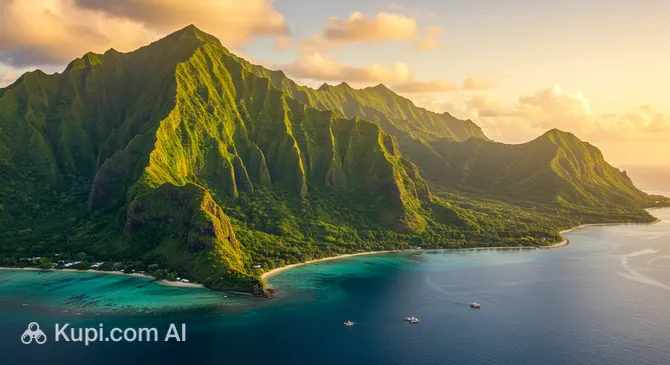
Nuku Hiva. Source: Kupi.Binoculars

The island is not only a geological wonder but also a place of deep cultural significance. It was here that the author Herman Melville jumped ship in 1842, an experience that inspired his novel Typee. Visitors can delve deeper into the fascinating history of Nuku Hiva by exploring ancient archaeological sites, known as marae, hidden within the dense jungle. These stone platforms and tiki statues bear silent witness to the rich heritage and complex societies that flourished here centuries ago.

Explorers will find plenty to admire, starting with the breathtaking Vaipo Waterfall, which is the highest in the region and accessible via a hike through the Hakaui Valley. In the town of Taiohae, the Notre Dame Cathedral stands out with its unique architecture utilizing local stones and wood carvings that blend Catholic tradition with Marquesan art. The majestic views from the Muake Hill offer a panoramic perspective of the bay and the surrounding mountains, making it a perfect spot for photography.

Whether you are hiking through lush rainforests, horseback riding across the plateaus, or simply soaking in the awe-inspiring scenery, Nuku Hiva promises a journey unlike any other. It is a destination that invites you to embrace the spirit of the Pacific in its most primal and enchanting form.

Weather Overview

The climate in Nuku Hiva is characterized by consistent warmth and tropical conditions throughout the year. Temperatures remain remarkably stable, with daily averages hovering between 25.3°C and 26.7°C. The warmest period typically peaks around April, while the months of August and September offer slightly cooler but still very pleasant weather.

Rainfall is a frequent occurrence, although the recorded precipitation volume is surprisingly low, often just 1mm to 2mm per month. Despite the low accumulation, the number of wet days is significant, ranging from 11 days in December and January to 17 days during the months of April, May, and June. To help plan your daily activities, we recommend consulting the detailed guide to the weather in Nuku Hiva.

In general, expect warm temperatures year-round with frequent wet days that contribute to the island's lush greenery. This steady climate ensures that the landscape remains vibrant, making it a beautiful destination to visit in any season.

Interesting Facts

Beyond the towering spires and historic sites, Nuku Hiva conceals unique features that set it apart from the typical tropical getaway. Here are a few surprising facts that reveal the island's distinct character.

  • A Desert Landing: Most travelers expect immediate jungle, but the airport is actually located in a region called Terre Déserte (Desert Land). This arid plateau stands in stark contrast to the rest of the island, and the transfer to the main village takes you through cool pine forests and green pastures that uncannily resemble the Swiss Alps.

  • Reality TV Fame: The island's raw and unforgiving terrain provided the setting for the fourth season of the American TV show Survivor. The production utilized the dramatic valleys and isolated beaches to create one of the most visually stunning backdrops in the series' history.

  • A Diver’s Rare Treat: Because Nuku Hiva lacks a protective barrier reef, deep-ocean giants can venture remarkably close to the shore. It is one of the few places in French Polynesia where divers can regularly encounter schools of Scalloped Hammerhead sharks and Melon-headed whales in relatively shallow waters.

  • Home of the Royal Bird: The island is the exclusive refuge of the endangered Marquesan Imperial Pigeon, or Upe. This bird can grow up to 55 centimeters in length and was once considered sacred, with its consumption strictly reserved for high-ranking chiefs.

How to Get There

Reaching the remote and majestic Marquesas Islands is an adventure that sets the tone for your entire trip. For a comprehensive guide on travel logistics, including flight connections and sea routes, you can read more about how to get to Nuku Hiva. The journey typically involves a domestic flight from Tahiti, offering travelers their first glimpse of the dramatic landscapes from above.

The primary entry point is Nuku Hiva Airport (IATA: NHV), which is situated in a region known as Desert Land. Although the airport is listed as being approximately 12 km from the main centers, the drive across the island's rugged terrain is scenic and winding. A taxi or shuttle transfer generally takes around 40 minutes to an hour, transporting you from the arid plateau to the lush valleys of the coast. This regional hub handles a moderate flow of travelers, with an annual passenger traffic of over 50,000 people.

If you are island hopping through the archipelago, you might also transit through or be near Hiva Oa Airport (IATA: AUQ). It is important to note that this airport is located in the city of Atuona on the neighboring island of Hiva Oa, roughly 160 km from Nuku Hiva. While it serves as another key transport node in the Marquesas with significant annual traffic, travel between these two islands requires a scheduled inter-island flight.

For clarity, here is a summary of the main airports:

Airport Name City Passenger Traffic Km from City
Nuku Hiva Airport Nuku Hiva Medium 12.0
Hiva Oa Airport Atuona Medium 159.7

Main Attractions

The attractions of Nuku Hiva are a testament to its dramatic geology and deep-rooted Polynesian heritage. Unlike typical beach destinations, the island invites visitors to explore rugged canyons, ancient ceremonial sites, and architectural marvels that tell the story of the Marquesan people. Here are some of the most captivating places to visit during your stay.

Hakaui Valley and Vaipo Waterfall
Often considered the jewel of the island, the Hakaui Valley offers a spectacular hiking experience through a lush canyon flanked by towering basalt cliffs. The trail leads to the majestic Vaipo Waterfall, which plunges over 350 meters, making it one of the highest waterfalls in the Pacific. This site is particularly interesting for nature lovers and hikers who want to immerse themselves in the "King's Valley," a place steeped in legends and surrounded by raw, untouched beauty.

Notre Dame Cathedral of the Marquesas
Situated in the main village of Taiohae, this cathedral is a masterpiece of modern religious architecture blended with local tradition. The structure was built using different colored stones collected from all six inhabited Marquesas Islands, symbolizing unity. Tourists are drawn to the interior, which features intricate wood carvings and a pulpit carved from a single piece of breadfruit wood, showcasing the exceptional craftsmanship of local artisans.

Kamuihei Archaeological Site
For a glimpse into the island's pre-European history, the Kamuihei site near Hatiheu is a must-visit. This extensive complex features ancient stone platforms known as paepae, petroglyphs, and towering banyan trees that create a mystical atmosphere. It is a fascinating location for history enthusiasts, offering a quiet space to reflect on the complex societies and religious ceremonies that once flourished here.

Anaho Bay
Accessible only by boat or a scenic hike from Hatiheu, Anaho Bay is renowned for its tranquility and rare golden sands. Unlike most of the island's rugged coastline, this bay is protected by a small coral reef, creating calm turquoise waters perfect for swimming and snorkeling. It serves as a peaceful retreat for those looking to escape the wilder elements of the island and enjoy a classic tropical beach setting.

Local Cuisine

The culinary scene in Nuku Hiva reflects the island's generous nature, blending fresh ocean bounty with the rich harvest of its fertile valleys. Unlike the more refined dining found in some parts of French Polynesia, the food here is hearty, rustic, and deeply rooted in Marquesan tradition. The cuisine relies heavily on locally sourced ingredients, particularly breadfruit, coconut, fresh fish, and wild game, offering a true taste of the land.

One of the most distinctive dishes you must try is goat meat (chèvre), which is far more popular here than on the other archipelagos. Wild goats roam the island's steep cliffs, and their meat is typically slow-cooked in coconut milk or prepared as a savory curry, resulting in a tender and flavorful meal. Another staple is breadfruit (ulu), which serves as the primary starch. It is often roasted on an open fire or pounded into a thick paste mixed with coconut milk to create a traditional dish called kaaku.

Seafood lovers will find plenty to enjoy, with Poisson Cru (raw fish marinated in lime juice and coconut milk) being a daily standard. However, Nuku Hiva is also known for its succulent lobster, which is grilled simply to highlight its natural sweetness. For those with an adventurous palate, fermented breadfruit paste, known as popoi, offers a sour, acquired taste that connects directly to the ancient survival diets of the Polynesian wayfarers.

When it comes to beverages, the island is famous for its exceptional pamplemousse (grapefruit). The variety grown here is sweeter and larger than what most travelers are used to, and fresh grapefruit juice is a refreshing staple at breakfast. Coconut water is available everywhere, often drunk straight from the nut. For something stronger, locals and tourists alike enjoy Hinano, the iconic Tahitian lager, or simple cocktails made with local fruit juices.

Dining in Nuku Hiva is a casual and relaxed affair. There are no fast-food chains; instead, you will find small, family-run eateries known as "Snacks". These establishments serve generous portions of local favorites in an informal setting, often with open-air seating that lets you enjoy the tropical breeze. Most dining options are concentrated in the main village of Taiohae. Travelers should note that service can be leisurely, reflecting the island's slow pace of life, and many places close relatively early in the evening.

Travel Tips

Visiting the rugged and remote island of Nuku Hiva is a true adventure that requires a bit more preparation than a typical beach holiday in the Pacific. To ensure your journey through these majestic valleys and ancient sites is as smooth as it is memorable, we have compiled a list of essential practical tips for your stay.

  1. Clothing and Gear: While light, breathable clothing is suitable for the warm tropical climate, the island's terrain demands sturdy gear. Bring high-quality hiking boots with good grip for exploring the slippery trails of the Hakaui Valley. A lightweight rain poncho is essential due to frequent, short showers. Most importantly, pack strong insect repellent or buy local Monoi oil with citronella to protect yourself from nonos (biting sandflies), which are common on beaches and in the bush.
  2. Transportation: There is no public transport system like buses or metros on the island. The best way to get around is by renting a 4x4 vehicle, which is necessary to navigate the steep, winding, and often unpaved roads. Alternatively, hiring a local guide with their own truck is highly recommended, as they know the terrain and can take you to hidden spots safely. Hitchhiking is also common and safe, but less reliable for strict schedules.
  3. Finances: The local currency is the CFP Franc (XPF). While some hotels and larger businesses in the main village of Taiohae accept credit cards, cash is king elsewhere. Be sure to withdraw sufficient cash at the ATMs in Taiohae before heading to remote valleys or smaller villages like Hatiheu, where banking facilities are non-existent and artisans only accept cash.
  4. Health and Safety: Nuku Hiva is generally very safe, but the primary health concern is the aforementioned nonos; their bites can be itchy and prone to infection if scratched, so treat them immediately. A hospital is located in Taiohae for emergencies. It is advisable to drink bottled or filtered water, as tap water quality can vary outside the main town.
  5. Communication: The official language is French, but the primary language of daily life is Marquesan. English is spoken at major hotels and by tour guides, but less so by shopkeepers and locals in rural areas. Learning a few basic phrases like Kaoha (Hello) and Kooutau (Thank you) is deeply appreciated. Wi-Fi is available in hotels but can be slow; for mobile data, purchase a Vini SIM card in Taiohae.
  6. Local Etiquette: The Marquesan culture is hospitable but deeply rooted in respect. When visiting ancient archaeological sites (marae), behave reverently. Always ask for permission before taking close-up portraits of locals. If you are invited into a home, remove your shoes before entering.
  7. What to Avoid: Never climb, sit, or stand on the stone platforms (paepae) or statues (tikis) at archaeological sites. These are considered sacred, and treating them as furniture is highly offensive to the local people. Also, avoid wearing revealing swimwear in villages; cover up with a sarong or t-shirt when leaving the beach.
  8. Sunday Shutdown: Be aware that on Sundays, the island virtually shuts down. Most shops, grocery stores, and even some restaurants in Taiohae will be closed as locals attend church and spend time with family. Plan your meals and activities accordingly, perhaps reserving Sunday for a quiet hike or relaxation at your lodge.

By packing the right gear and respecting the local customs, you will find that Nuku Hiva opens up to you in profound ways. Embrace the slower pace of life in the Marquesas, and you will be rewarded with a genuine connection to this wild and enchanting corner of French Polynesia.

Entertainment & Nightlife

Nightlife in Nuku Hiva is a world away from the neon lights and thumping bass of typical party destinations. Instead of bustling clubs and late-night discos, the island offers a serene and intimate atmosphere where evening entertainment revolves around sunset cocktails, communal dining, and the rhythmic strumming of ukuleles. The pace is slow and relaxed, inviting visitors to unwind under the incredible canopy of stars that is visible thanks to the lack of light pollution.

The center of social activity is undoubtedly Taiohae, the main village and administrative capital. While there are no dedicated nightlife districts, the waterfront area serves as the community's gathering point. The vibe here is casual and welcoming, with sailors, locals, and tourists mingling in open-air settings. Most venues operate on "island time," typically closing by 9:00 PM or 10:00 PM, so it is best to start your evening early to make the most of the social scene.

For those seeking a drink with a view, the bar at Le Nuku Hiva by Pearl Resorts (formerly Keikahanui Pearl Lodge) is the premier choice. Perched on a hill overlooking the bay, it offers a sophisticated yet relaxed setting where you can enjoy a signature Mai Tai or a glass of wine while watching the sun dip below the horizon. The dress code is "tropical casual"—resort wear is perfect, but there is no need for formal attire.

For a more authentic and lively local experience, Snack Vaeaki located right on the quay is a legendary spot. Popular with the yachting community and residents alike, this open-air venue is the perfect place to grab a cold Hinano beer, connect to Wi-Fi, and chat with travelers from around the globe. Another staple of the village is Moana Nui, a restaurant and pension that often serves as a social hub. Here, you can enjoy hearty local meals and occasionally catch live acoustic music performed by local bands, providing a genuine taste of Marquesan hospitality.

When planning a night out, practical logistics are key. Taxis are virtually non-existent after dark, and there is no public transport. If your accommodation is not within walking distance of Taiohae's waterfront, you must arrange a transfer with your hotel or restaurant in advance. The area is very safe for walking, but street lighting can be sparse; carrying a flashlight or using your phone's torch is highly recommended to navigate the roads and avoid potholes or stray dogs.

While the nights are quiet, daytime entertainment in Nuku Hiva is rich in culture and nature rather than commercial amusement. There are no amusement parks or cinemas; instead, visitors spend their days exploring the Fare Artisanal (Artisan Center) in Taiohae to see master carvers at work or visiting the small museum dedicated to local history and arts. The island's "theaters" are its valleys and bays, offering endless opportunities for cultural immersion before the sun sets and the quiet magic of the Marquesan night takes over.

Parks & Museums

Nuku Hiva is often described as an open-air museum where the boundaries between nature, history, and art are beautifully blurred. While you will not find traditional city parks or sprawling national museum complexes here, the island offers profound cultural experiences embedded directly into its lush landscapes. The "green spaces" are ancient valleys reclaimed by the jungle, and the "galleries" are often vibrant artisan centers or sacred sites that showcase the living heritage of the Marquesas.

Tohua Koueva
Located just a short distance from the main village of Taiohae, this restored ceremonial site functions as a magnificent historical park. Nestled in a dense forest of banyan trees and tropical flora, it offers a serene atmosphere perfect for a reflective walk. Visitors can wander among the stone platforms (paepae) and reconstructed traditional houses, imagining the grand festivals that once took place here. It is an excellent spot to appreciate the island's native vegetation while soaking in its pre-European history.

Papua-Keikaha Arboretum
For a change of scenery, travel up to the Toovii Plateau to visit this unique botanical area. Unlike the tropical coastline, this region features cooler temperatures and vast stretches of pine forests and pastureland, reminiscent of European landscapes. The arboretum was established to test various plant species for reforestation and agriculture. It serves as a refreshing green escape where you can enjoy a picnic in the shade and observe a side of Nuku Hiva’s biodiversity that few tourists expect to see.

Fare Artisanal (Artisan Center)
Since traditional museums are scarce, the Fare Artisanal in Taiohae serves as the island's premier gallery of culture. Located near the waterfront, this bustling market displays the finest works of local craftsmen. Here, you can admire intricate wood and bone carvings, pounded bark cloth (tapa), and seeds jewelry. It is not just a shop but a cultural venue where you can often watch the artists at work, providing a direct connection to the living traditions of the Marquesan people.

Notre Dame Cathedral Art Collection
While primarily a place of worship, the Cathedral in Taiohae is effectively a gallery of religious Marquesan art. The interior is a testament to the island's legendary craftsmanship, featuring a pulpit carved from a single massive breadfruit trunk and Stations of the Cross sculpted from precious local woods. The blend of Catholic iconography with Polynesian motifs—such as Mary represented with local features—makes it a fascinating architectural and artistic landmark.

For those interested in historical monuments, the Tiki Tuhiva is a notable modern addition. Standing 12 meters high on a hill overlooking the bay, this contemporary statue honors the ancient tradition of tiki carving while offering one of the best panoramic views of the crater harbor. It is a perfect example of how the island honors its past while looking toward the future.

Insider Tip: For a truly authentic experience, ask locals about the Rose Corser Museum at the He'e Tai Inn if you are in Taiohae. Although small and privately owned, this collection features rare artifacts, old photographs, and historical items that offer an intimate glimpse into the island's colonial past and the early days of European contact, often accompanied by fascinating stories from the hosts.

Getting Around

Travelers arriving in Nuku Hiva should be aware that the city and the island as a whole do not possess a standard public transport system. There are no subways, trams, or scheduled bus networks operating in the administrative center of Taiohae or connecting the various valleys. The rugged terrain and small population size mean that mass transit infrastructure is non-existent, and getting around requires a different approach compared to typical urban destinations.

The primary mode of "public" transportation for visitors consists of privately operated taxis and shuttle services. These are almost exclusively 4x4 pick-up trucks or SUVs, which are necessary to navigate the steep, winding, and occasionally unpaved roads. Taxis do not roam the streets looking for fares; they must be booked in advance via your accommodation or by calling the driver directly. In the main village of Taiohae, you might find a few drivers near the quay when cruise ships or inter-island ferries dock, but relying on serendipity is not recommended.

Regarding payment, the system is entirely cash-based. There are no travel passes, transport cards, or mobile ticketing apps available on the island. You must pay the driver directly in the local currency, the Pacific Franc (XPF). Fares are generally fixed for specific routes—such as the transfer from the airport to Taiohae—but for custom trips or day tours, the price should be negotiated and agreed upon before setting off. Be prepared for relatively high costs compared to mainland standards, reflecting the price of fuel and vehicle maintenance in this remote location.

For tourists, the most practical advice is to arrange your transport needs through your hotel or guesthouse (pension). Hosts typically have a network of reliable drivers and can book transfers on your behalf. Since there are no official bus stops or timetables, "operating hours" are essentially whatever you arrange with the driver, though finding a ride late at night is extremely difficult. Always ensure you have sufficient cash in small denominations, as drivers rarely carry large amounts of change.

Alternatives to taxis include renting a vehicle, which gives you the most freedom to explore. Several local agencies offer 4x4 rentals, which are essential for driving safely on the island's mountain roads. Standard sedans or scooters are generally not suitable due to the road conditions. Hitchhiking is also a common and culturally accepted practice; locals are friendly and often willing to offer a lift to visitors walking along the main roads, usually free of charge, though a polite "thank you" is expected.

A unique feature of transport here is the boat transfer. Since some of the most beautiful valleys, such as Hakaui, are difficult or impossible to reach by car, small motorboats (taxi-boats) serve as a vital link. These can be hired at the small harbor in Taiohae. Additionally, the transfer from the airport to the main city is an attraction in itself: a 60 to 90-minute scenic drive across the island's interior, transitioning from arid plateaus to lush tropical jungles, offering a spectacular introduction to the local geography.

Accommodation

Accommodation in Nuku Hiva differs significantly from the sprawling resort scenes found on other Pacific islands. Instead of overwater bungalows and massive hotel chains, the island offers a more intimate and authentic portfolio of places to stay. The options range primarily from family-run guesthouses, known locally as pensions de famille, to a single upscale boutique lodge. This limited capacity preserves the island's quiet atmosphere but also means that choices are more focused on cultural immersion and hospitality than on opulent luxury.

The vast majority of accommodation is concentrated in Taiohae, the administrative capital and main village. Staying here is the most convenient option for travelers, as it provides easy access to the few shops, the bank, the hospital, and the main quay where boat excursions depart. For those seeking complete isolation and a deeper connection with the island's wilder side, there are a few smaller guesthouses located in remote valleys like Hatiheu on the north coast. These spots are perfect for hikers and those who want to disconnect entirely, though they are further from general amenities.

For visitors looking for the amenities of a traditional hotel, Le Nuku Hiva by Pearl Resorts is the primary choice. Perched on a hillside overlooking Taiohae Bay, it offers individual bungalows that blend Polynesian architecture with modern comforts. It is the only establishment on the island that provides a full-service resort experience, complete with a swimming pool, a restaurant, and organized excursions. However, the heart of the Nuku Hiva experience lies in the pensions. These guesthouses offer clean, comfortable rooms or bungalows and are famous for their warm hospitality, often giving guests the chance to dine with the host family and learn about Marquesan life firsthand.

When planning your trip, it is crucial to book in advance, especially if you are visiting during the peak seasons of July, August, or December, or during the Marquesas Arts Festival. The limited number of rooms on the island fills up quickly. Regarding costs, prices are generally in the mid-range to high category due to the island's remoteness. Most guesthouses operate on a "half-board" (demi-pension) basis, including breakfast and dinner in the daily rate, which is highly recommended as dining options outside of the main village can be scarce or closed in the evenings. While the resort and larger pensions accept credit cards, many smaller establishments prefer or require cash, so preparing your finances beforehand is advisable.

Nearby Cities

For those looking to explore the surroundings, Nuku Hiva serves as an excellent base for day trips to several interesting nearby locations:
City Population Distance (km)
Papeete 131695 1401
Moorea 18000 1422
Huahine 6000 1465
Rangiroa 2500 1071
Ua Pou 2200 58

While the table lists major hubs in French Polynesia for reference, the vast distances of the Pacific mean that most are not suitable for a simple day trip. However, the neighboring islands of the Marquesas archipelago offer unique opportunities for exploration close to Nuku Hiva.

Ua Pou
Located just south of Nuku Hiva, Ua Pou is the closest neighbor and a geological marvel. It is famous for its dramatic basalt pillars that tower over the island like a cathedral of rock, some reaching heights of over 1,200 meters. The main village, Hakahau, is a charming center of Marquesan culture where visitors can find exquisite flower stones—unique volcanic rocks featuring natural flower-shaped crystals—and skilled woodcarvers. It is the most accessible "day trip" option via inter-island boat or a short flight.

Atuona (Hiva Oa)
Although slightly further away, Atuona on the island of Hiva Oa is the second most important hub in the Marquesas. It is renowned as the final resting place of French painter Paul Gauguin and Belgian singer Jacques Brel. Visiting Atuona offers a deep dive into art history at the Paul Gauguin Cultural Center and the Brel space. The town is nestled in a stunning bay and provides a different perspective on the archipelago's history compared to the administrative focus of Taiohae.

These nearby destinations offer a glimpse into the diverse culture and landscapes of the region.

Shopping & Souvenirs

Shopping in Nuku Hiva is a delightful reflection of the island's quiet pace and rich cultural heritage. Travelers should not expect sprawling shopping centers, luxury boutiques, or international chains. Instead, the retail experience here is intimate and authentic, focused almost entirely on locally produced handicrafts and essential goods. The island is renowned for the exceptional skill of its artisans, making it one of the best places in French Polynesia to purchase high-quality traditional art directly from the creators.

The main hub for any shopping activity is the village of Taiohae. There are no specific "shopping districts" in the modern sense; rather, a few general stores and small boutiques are scattered along the main road that hugs the waterfront. This area serves as the commercial heart of the island, where you can find supermarkets for supplies, a few clothing shops selling colorful pareos, and the primary outlets for local crafts. A stroll along the bay offers a relaxed way to browse the limited but charming selection of goods available.

It is important to note that there are no shopping malls on Nuku Hiva. The retail landscape consists of small, family-owned businesses and cooperative markets. Visitors looking for fashion, electronics, or luxury brands will need to wait until they return to Tahiti. The charm of shopping here lies in the absence of commercialization, allowing for a more personal connection with the local community.

The highlight of the local shopping scene is undoubtedly the Fare Artisanal (Artisan Market), located near the quay in Taiohae. This covered market is the treasure chest of the island, gathering the works of sculptors, painters, and jewelers from across the valleys. Alongside the art market, you may find a small fruit and vegetable market in the early mornings, where locals sell fresh produce like bananas, mangoes, and the island's famous grapefruits, often straight from their gardens.

When looking for souvenirs, Nuku Hiva offers some of the finest craftsmanship in the Pacific. The most prized items are wood carvings made from rosewood or oceanic walnut (tou), featuring intricate designs of tikis, marine life, and mythological figures. Bone carvings and jewelry made from seeds are also popular and unique. Other excellent keepsakes include Tapa cloth (pounded bark painted with traditional motifs), local honey, and jars of homemade fruit jams. For a culinary treat, look for vanilla or dried bananas to take home.

Store opening hours can be somewhat unpredictable and generally follow "island time." Most shops open early, around 7:30 AM or 8:00 AM, and close for a long lunch break from roughly 11:30 AM to 1:30 PM or 2:00 PM. They typically reopen for the afternoon until 5:00 PM or 5:30 PM. On Saturdays, shops often close by noon, and on Sundays, almost everything is closed, so plan your purchases accordingly.

Regarding payment, cash is king on Nuku Hiva. The local currency is the CFP Franc (XPF). While the few larger supermarkets and hotels in Taiohae may accept credit cards, most artisans at the market and smaller shops deal exclusively in cash. There is an ATM in Taiohae, but it is wise to carry enough cash with you, especially if you plan to visit artisans in remote valleys. Tax-free shopping is generally not applicable here due to the small scale of the businesses.

Nearby cities

Reached the end of the page?

That means the route is fully explored