Support

Augsburg

About

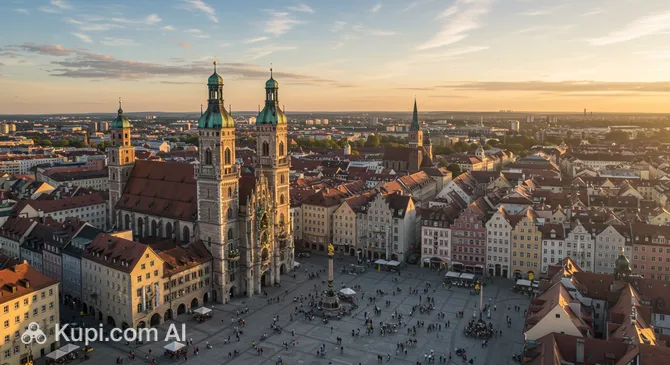
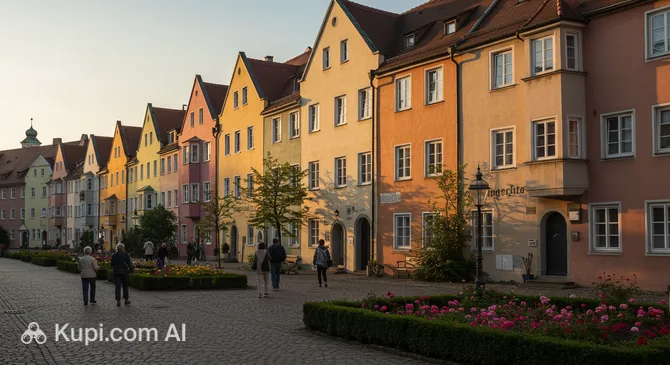
Augsburg is a true gem of southern Germany, nestled on the banks of the Lech and Wertach rivers in the heart of Bavaria. As one of the country's oldest cities, it charms visitors with a unique atmosphere where history and modernity harmoniously blend together. Located about 60 kilometers west of Munich, Augsburg is a key stop on the famous "Romantic Road," drawing travelers with its picturesque charm.

With a population of around 296,000, Augsburg is Bavaria's third-largest city and serves as the administrative center of the historical region of Swabia. Its streets hold centuries-old secrets: here you can find majestic cathedrals, perfectly preserved medieval houses, and elegant squares that seem to transport guests back in time. At the same time, it is a dynamic and vibrant city, full of life, featuring modern shops, cozy cafes, and a diverse array of cultural events.
Augsburg. Illustration.
Source: Kupi.com AI

Augsburg is famous for its unique architecture, highlighted by the magnificent Town Hall with its Golden Hall and the renowned Fuggerei — the world's oldest social housing complex. The city offers a rich cultural program, from festivals and street concerts to numerous museums and galleries. Everyone will find something to their liking here, whether it's a leisurely stroll through cobblestone streets or discovering the rich heritage of this Bavarian city.

A visit to Augsburg is an opportunity to immerse yourself in the atmosphere of old Europe, enjoy its special Bavarian flavor, and discover a city that inspires and leaves the warmest memories. It is a place you will want to return to again and again.

You can find more interesting facts on the history of the city of Augsburg page.
Weather Overview

The weather in Augsburg is characterized by moderately warm summers and cool winters. The average annual temperature fluctuates over a wide range, offering various conditions for visitors throughout the year. In summer, especially in July and August, the average temperature stays around 19.5°C, with maximum values reaching 24.4°C. These months also see a moderate amount of precipitation, averaging 3-4 mm, with about 13-14 rainy days. Winters, from December to February, are quite cool, with average temperatures ranging from 1.7°C to 3.6°C, and night frosts where temperatures can drop below freezing. Precipitation in winter is about 2-3 mm, but the number of days with precipitation can reach 16 in December. Generally, expect warm summers with occasional rain and cold, damp winters. For more detailed information on weather conditions, you can visit the Augsburg climate page.

Average monthly temperature

Average monthly precipitation

Interesting Facts

Beyond its famous landmarks, Augsburg hides many amazing stories and facts that make it even more attractive to curious travelers. Ready to learn a few of them?

Fuggerei. Illustration.
Source: Kupi.com AI

Traveler photos:

  • Augsburg is home to the Fuggerei—the world's oldest social housing complex, founded back in 1521. Amazingly, the annual rent for an apartment here is still a symbolic amount equivalent to one Rhenish guilder (about 0.88 euros), plus three prayers a day for the founders.

  • The city is famous for its three magnificent Renaissance fountains: Augustus, Mercury, and Hercules. These 16th-century masterpieces, located along the historic Maximilianstraße and on Town Hall Square, not only decorate the city but also symbolize its imperial past and wealth.

  • Augsburg is the birthplace of the famous Augsburg Puppet Theater (Augsburger Puppenkiste). Its performances and characters, such as Jim Button and Urmel from the Ice, are beloved by several generations not only in Germany but also abroad.

  • Augsburg's unique historical water management system is recognized as a UNESCO World Heritage Site. This complex network of canals, water towers, and fountains, created since the 14th century, is an outstanding example of engineering and has supplied the city with drinking and industrial water for centuries.

How to Get There

You can reach Augsburg in several convenient ways, primarily by air through nearby international airports, as well as via Germany's well-developed railway network.

The main international airport serving the region is Munich Franz Josef Strauss Airport (MUC). It is one of Europe's largest and busiest airports, offering a huge number of international and domestic flights. The distance from Munich Airport to Augsburg is approximately 66 km. A trip by car or taxi usually takes about 1 hour 30 minutes to 2 hours, depending on traffic. You can also get from Munich Airport to Augsburg by train with a transfer at Munich Central Station.

Another convenient option is Memmingen Allgäu Airport (FMM). It is located about 65 km west of Augsburg and primarily serves low-cost airlines and European destinations. It is a smaller but often more economical option for flying. The journey from Memmingen Airport to Augsburg by car or taxi will take about 1 hour 15 minutes to 1 hour 45 minutes. There are also shuttle buses connecting the airport with Augsburg.

For your convenience, here is a summary of the main airports through which you can reach Augsburg:

AirportPassenger trafficDistance
Memmingen Allgäu Airport3.2 mln65 km
Franz Josef Strauss Airport39.8 mln66 km
Nuremberg Airport4.0 mln126 km
Innsbruck Airport862 202128 km
Friedrichshafen Airport339 556130 km

Railway transport in Germany is excellent, and Augsburg is an important railway hub. The city's main station is Augsburg Hauptbahnhof (AGY). It is very conveniently located, just 1 kilometer from the historic city center, making it easily accessible upon arrival. The station serves many regional and long-distance trains, including high-speed ICE trains, and is a medium-sized station in terms of passenger traffic.

If you arrive in the region via Munich, then Munich Central Station (München Hauptbahnhof, ZMU) will be an important transfer point for you. It is one of the busiest stations in Europe, with regular trains departing for Augsburg. The journey by train from Munich to Augsburg usually takes between 30 and 45 minutes, making this a very fast and convenient way to travel. The station is located about 55 km from Augsburg.

For your convenience, information about some railway stations is provided below:

StationPassenger trafficDistance
Augsburg Hauptbahnhof18.3 mln1 km
Munich Hauptbahnhof164.3 mln55 km
Rosenheim Bus Station7.3 mln108 km
Nuremberg Hauptbahnhof76.7 mln120 km
Innsbruck Railway Station14.1 mln129 km

In addition to air and rail connections, Augsburg is easily accessible by car thanks to Germany's excellent autobahn network. The city is also served by long-distance bus routes.

Main Attractions

Augsburg, one of Germany's oldest cities, prides itself on its rich history and impressive architecture. Here, everyone will find something of interest, from majestic cathedrals to unique social projects that have survived through the centuries.

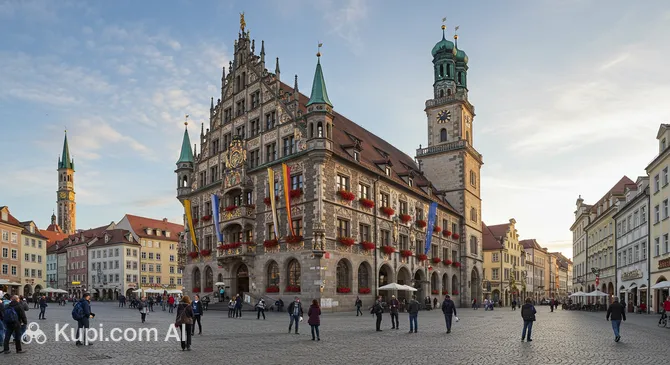
The heart of the city is undoubtedly Augsburg Town Hall Square. This lively spot is surrounded by historic buildings, including the famous Town Hall with its magnificent Golden Hall. The square serves as a meeting place and a venue for markets and festivities, reflecting the city's spirit. Next to the Town Hall stands the Perlachturm tower, which offers a panoramic view of Augsburg.

Rathausplatz Augsburg. Illustration.
Source: Kupi.com AI

Traveler photos:

A unique place that is definitely worth a visit is the Fuggerei. It is the world's oldest social housing complex, founded in 1521 by the Fugger family. Visitors can walk through its streets, see how its residents have lived for centuries, and learn more about this amazing charitable initiative, which still functions today under the same conditions.

Fuggerei. Illustration.
Source: Kupi.com AI

Traveler photos:

The majestic Augsburg Cathedral (Cathedral of the Visitation of Mary) is another iconic landmark. Its history spans over a thousand years, and it impresses with its scale, Romanesque and Gothic architecture, and unique 11th-century stained glass windows, considered among the oldest in Germany. Inside the cathedral, valuable works of art and relics are kept.

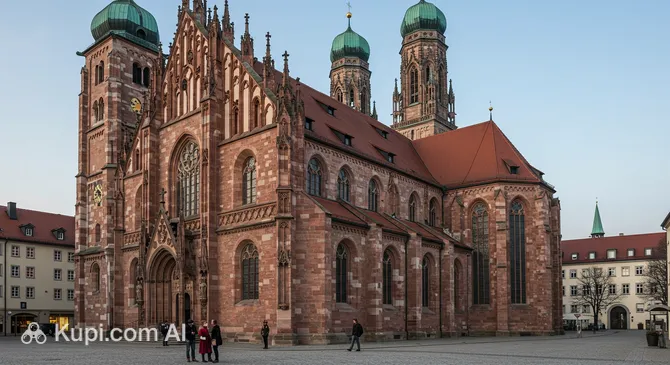
Not far from the city center stands the Basilica of SS. Ulrich and Afra. This impressive late Gothic and Baroque structure is dedicated to the two patron saints of Augsburg. The basilica's high bell tower, known as the "onion tower," is one of the city's symbols. Inside, you can see the luxurious decor and the tombs of the saints.

Basilica of Saints Ulrich and Afra. Illustration.
Source: Kupi.com AI

Traveler photos:

For art lovers, the Schaezlerpalais is a must-see. This elegant Rococo palace houses the German Baroque Gallery and the State Gallery of Old Masters. Of particular note is the magnificent ballroom, considered one of the most beautiful Rococo halls in Germany.

Local Cuisine

Augsburg cuisine is a true feast for anyone who values hearty and soulful dishes. Traditions are honored here, so be sure to try the famous Augsburg Schnitzel, which differs from its Viennese counterpart with its special seasonings and breading method. Another iconic regional dish is Swabian Maultaschen—large dumplings with meat or vegetable filling, served either in broth or fried with onions. These dishes reflect the essence of local gastronomy: heartiness and excellent taste.

Other local delicacies worth tasting include appetizing Pretzels (Brezeln), aromatic sausages, and hearty Leberkäse (meatloaf), traditionally served with mustard and a fresh roll. Stop by the local farmers' markets, where you can always find the freshest cheeses, sausages, homemade pies, and seasonal vegetables. In summer, for example, dishes made from tender white asparagus are particularly popular.

Augsburg's gastronomic traditions are inextricably linked with beer. Ancient breweries still operate in the city, brewing strong and aromatic beer according to classic Bavarian recipes. You can enjoy it while experiencing the atmosphere of true Bavarian hospitality in numerous cozy beer gardens (Biergärten), which are favorite spots for both tourists and locals. In addition to beer, they offer a variety of non-alcoholic drinks, including traditional German lemonades and juices.

Kulperhütte Restaurant. Illustration.
Source: Kupi.com AI

Traveler photos:

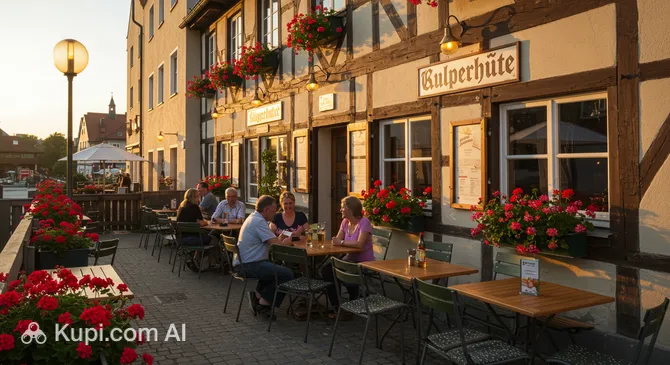
For those with a sweet tooth, Augsburg also has much to offer. Be sure to try the local pies and strudels, as well as the famous Augsburg marzipan. Throughout the year, various gastronomic festivals take place in the city, where you can discover the full diversity of local cuisine—from traditional dishes to modern culinary experiments. Locals and tourists prefer to have lunch and dinner in traditional restaurants and Gasthöfe serving Swabian and Bavarian cuisine, as well as in the aforementioned beer gardens. For those wishing to taste authentic dishes in a pleasant setting, Kulperhütte Restaurant is one excellent option.

Travel Tips

Welcome to Augsburg! To make your trip to this charming Bavarian city as comfortable and pleasant as possible, we have prepared some practical tips. We hope they will help you better plan your journey and enjoy every moment in this historic corner of Germany.

  1. Clothing and seasonal essentials:

    The climate in Augsburg is temperate continental. Summers are usually warm, so bring light clothing, but don't forget something with long sleeves for the evenings. Winters can be cool with possible snow, so warm clothes, including a hat, gloves, and a scarf, are necessary. Layering is your best friend at any time of year. Be sure to bring comfortable shoes, as Augsburg's historic center is best explored on foot. Don't forget a power adapter (Type F, standard for Germany). When visiting churches, such as the Augsburg Cathedral, it is customary to dress modestly: shoulders and knees should be covered.

  2. Getting around the city:

    Augsburg has an excellent public transport system (AVG), including trams and buses. It is an efficient and convenient way to travel. Consider buying a day ticket (Tageskarte) or a multi-day pass if you plan to travel a lot. The city center is quite compact and perfect for walking. Taxis are available, and mobile apps (like Free Now) also work. Renting a car can be useful for trips around Bavaria, but for Augsburg itself, it isn't always practical due to potential parking difficulties in the center.

  3. Financial matters:

    The official currency is the Euro (€). Bank cards (Visa, Mastercard) are widely accepted in most shops, restaurants, and hotels. However, it's always useful to have some cash on hand for small cafes, markets, or buying souvenirs. ATMs (Geldautomat) are easy to find throughout the city. Regarding tips (Trinkgeld), it is customary in restaurants to leave 5-10% of the bill or simply round up the amount if you enjoyed the service. This is not mandatory but is a sign of gratitude.

  4. Health and safety:

    Pharmacies (Apotheke) are easily identified by a distinctive green cross. Information about on-duty pharmacies (Notdienst Apotheke) operating at night and on weekends can be found on the doors of any pharmacy or online. The emergency number (police, ambulance, fire) is 112. EU tourists are advised to carry a European Health Insurance Card (EHIC). Everyone else is strongly encouraged to have travel medical insurance. Augsburg is generally a safe city. Follow standard precautions: keep an eye on your belongings in crowded places and stay alert, especially in the evening.

  5. Language and communication:

    The primary language is German. However, in tourist areas, hotels, and restaurants, as well as among younger people, many speak English. It will be helpful to learn a few basic phrases in German: "Hallo" (Hello), "Guten Tag" (Good day), "Danke schön" (Thank you very much), "Bitte schön" (You're welcome/Please), "Entschuldigung" (Excuse me), "Sprechen Sie Englisch?" (Do you speak English?). Local SIM cards can be purchased at mobile phone shops or large supermarkets. Free Wi-Fi is available in many hotels, cafes, and some public areas.

  6. Local etiquette and customs:

    It is common to say hello ("Hallo", "Guten Tag", or the traditional Bavarian "Servus") when entering small shops or when addressing someone. Punctuality is highly valued in Germany, so try not to be late for meetings. In public places and on transport, it is customary to be reserved and not noisy. When speaking with strangers, especially older people, use the formal address "Sie" (You) until you are invited to use "du" (the informal you).

  7. What to avoid:

    Do not cross the road in the wrong place (jaywalking). This is not only considered bad manners but can also result in a fine. Always use pedestrian crossings. Strictly avoid any gestures, symbols, or remarks related to Germany's Nazi past. This is a criminal offense and extremely offensive to locals.

  8. Special tip for Augsburg:

    Be sure to visit the Fuggerei—the world's oldest social housing complex, founded in 1521 and still functioning. This is a truly unique historical site. Also note that many shops in Germany, and Augsburg is no exception, are closed on Sundays (except for some bakeries, florists, and shops at train stations). Plan your shopping in advance. And don't miss the chance to discover the unique Augsburg Water Management System, which is listed as a UNESCO World Heritage site and tells the story of the city's centuries-old connection with water.

Augsburg is a city with a rich history, impressive architecture, and a unique atmosphere. By following these simple tips, you can avoid minor inconveniences and fully enjoy the hospitality and beauty of this Bavarian treasure. We wish you an unforgettable journey!

Entertainment & Nightlife

Augsburg transforms as evening falls, offering its guests and residents a variety of options for rest and entertainment. Although the city is known for its rich historical heritage, its nightlife can also surprise with its energy and diversity, especially on weekends.

The main center for evening entertainment in Augsburg is Maximilianstraße. This magnificent street lined with historic buildings attracts tourists during the day and turns into a lively spot with numerous bars, cafes, and restaurants in the evening. Another popular area, especially among young people, is the university quarter, where you can find more affordable venues and a relaxed atmosphere.

Those who enjoy spending the evening with a glass of something will find many bars in Augsburg to suit every taste, from cozy wine cellars and traditional German pubs to stylish cocktail bars. For example, you can stop by Steakmanufaktur, known for its atmosphere, or visit Schlachthof Restaurant and Bar, which offers not only drinks but also an interesting menu. Many bars feature live music or themed nights.

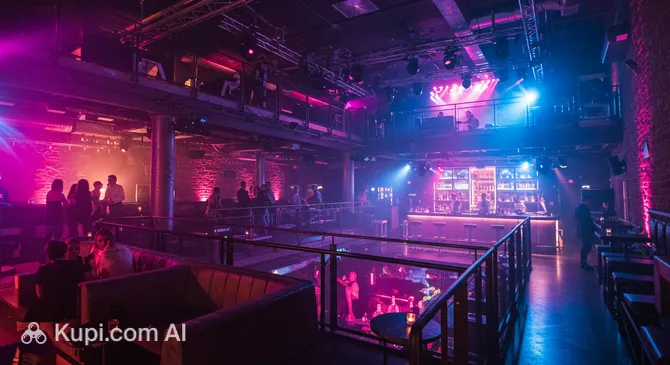
For those who want to dance until morning, there are several nightclubs in Augsburg. The music repertoire varies from electronic and techno to popular hits and R&B. One well-known venue is the Spectrum Club, which often hosts DJs and various events. The atmosphere in the clubs is usually lively, especially on Fridays and Saturdays. Most venues stay open until the early morning hours.

Spectrum Club. Illustration.
Source: Kupi.com AI

Traveler photos:

As for the overall vibe, the crowd in Augsburg's venues is quite diverse: from students and young professionals to an older audience, depending on the place. The dress code in most bars and clubs is fairly relaxed—smart casual will be appropriate almost everywhere, although some more fashionable establishments may have stricter requirements. The best time to visit nightlife spots is after 10:00–11:00 PM, especially on weekends. Drink prices are average for Germany: a beer costs about 4–6 euros, and cocktails start from 8–12 euros.

Getting around the city at night is possible via night buses and trams, which run on a special schedule, or by taxi. Taxi stands are located in busy areas, and cars can also be called by phone or via mobile apps. Augsburg is considered a fairly safe city, but as everywhere, usual precautions should be taken at night, especially in less lit and crowded areas.

During the day, Augsburg also offers plenty of entertainment. You can visit the famous Augsburg Puppet Theater, explore the exhibits at the World of Firefighting Adventure, or dive into a world of active recreation at BIG Jump Entertainment Park. Museums like the Augsburg Textile and Industry Museum are also open to visitors.

Parks & Museums

Augsburg delights its guests and residents with a harmonious combination of well-kept green spaces for relaxation and a rich cultural heritage showcased in numerous museums and historical monuments. This Bavarian city offers diverse opportunities for both nature lovers and enthusiasts of art and history.

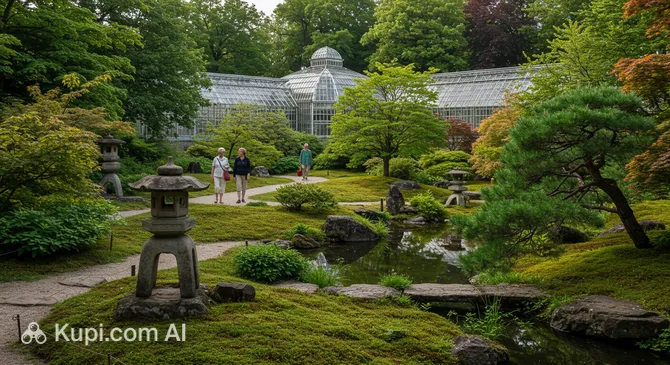
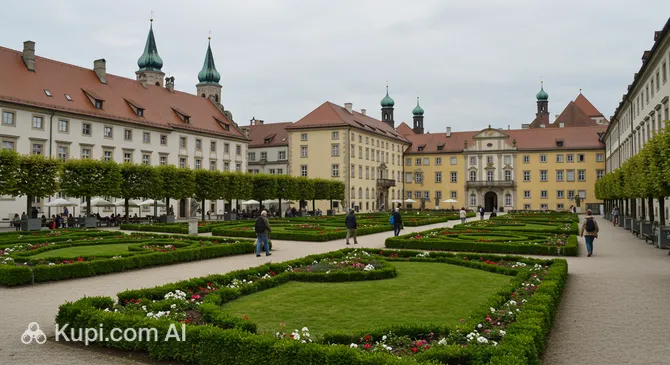
For those seeking a retreat into nature or just a pleasant place for a walk, Augsburg offers several wonderful parks. One of the most famous is the Augsburg Botanical Garden. Here you can spend hours wandering through themed gardens, including a Japanese garden, a medicinal herb garden, and a rose garden, as well as visiting greenhouses with exotic plants. It is an ideal place for an educational stroll or simply to enjoy the beauty of nature. Equally attractive is the Hofgarten Augsburg—a historic palace garden in the heart of the city, created back in the 18th century. Its strict geometric shapes, fountains, and sculptures create an atmosphere of tranquility and refinement. For more informal relaxation and picnics, the Wittelsbacher Park's Great Lawn is an extensive green area popular among locals for sports and family time.

Augsburg Botanical Garden. Illustration.
Source: Kupi.com AI

Traveler photos:

Hofgarten Augsburg. Illustration.
Source: Kupi.com AI

Traveler photos:

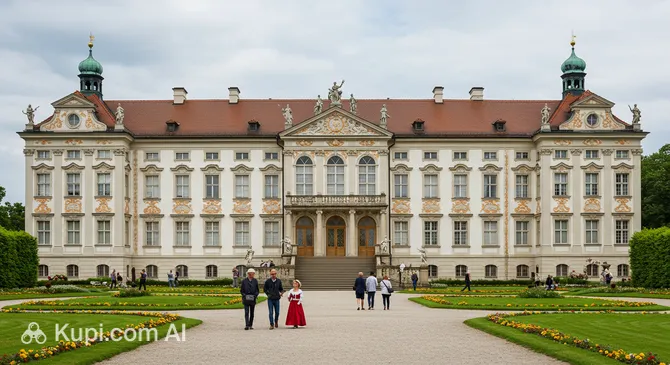
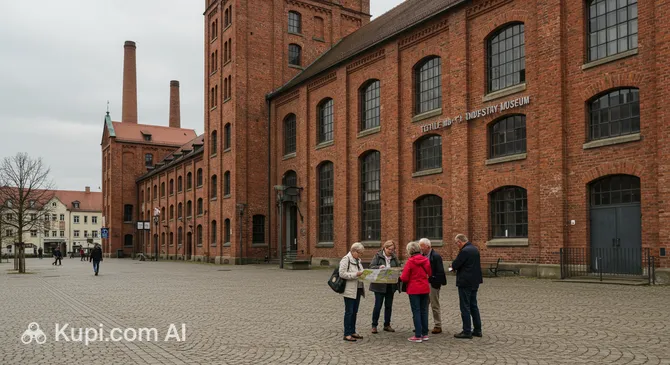
The cultural program in Augsburg is just as rich. The city is proud of its museums, each unique in its own way. The Schaezlerpalais is not just a Rococo architectural masterpiece but also home to several significant art collections, including the State Gallery of Old German Masters. Its magnificent interiors, especially the Ballroom, are works of art in themselves. To learn more about the city's industrial past, visit the Augsburg Textile and Industry Museum (tim). Located in a former worsted spinning mill, the museum interactively tells the story of the importance of textile production for the region's development. Fans of modern art will find the LETTL Museum of Surreal Art interesting, as it is dedicated to the work of local artist Walter Lettl, whose pieces are full of imagination and symbolism.

Schaezler Palace. Illustration.
Source: Kupi.com AI

Traveler photos:

Augsburg Textile and Industry Museum. Illustration.
Source: Kupi.com AI

Traveler photos:

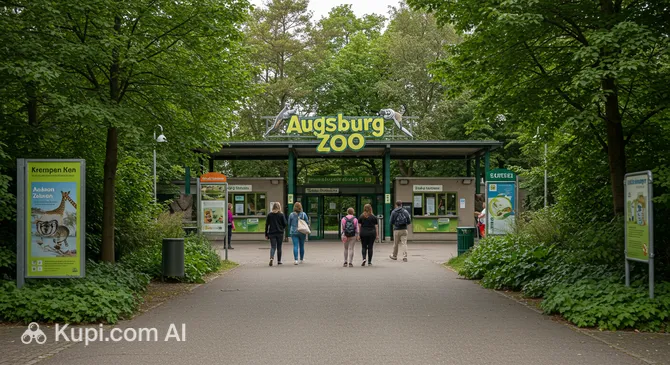
In addition to specialized museums and parks, the historic center of Augsburg is an open-air museum in its own right. Be sure to walk through Augsburg Town Hall Square, where the magnificent Town Hall stands with its famous Golden Hall, and visit the unique Fuggerei social quarter, founded in the 16th century and still active today. If you are traveling with children, the Augsburg Zoo offers a fascinating introduction to the animal world.

Augsburg Zoo. Illustration.
Source: Kupi.com AI

Traveler photos:

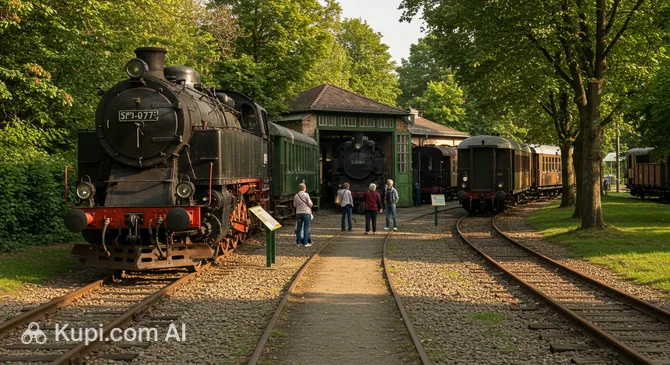
For those who want to see something less touristy, we suggest a stroll along the picturesque canals of the Lechviertel district—Augsburg's "Little Venice," which charms with its atmosphere. And if you are interested in the history of technology, the Augsburg Railway Park will be an interesting discovery, where you can see antique locomotives and learn about the development of rail transport in the region.

Augsburg Railway Park. Illustration.
Source: Kupi.com AI

Traveler photos:

Getting Around

Public transport in Augsburg is primarily represented by an extensive network of trams and buses that provide convenient travel around the city and its suburbs. These two modes of transport are the foundation of urban mobility and allow you to reach almost any point in Augsburg.

The fare payment system in Augsburg is integrated into the AVV (Augsburger Verkehrs- und Tarifverbund) transport association. This means the same ticket is valid for both trams and buses within the paid zone. There are various types of tickets: single trips, day tickets (Tageskarte), which can be economical for several trips in one day, as well as weekly and monthly passes. For tourists, day tickets or special tourist cards (if offered) can be particularly convenient. Tickets can be purchased from machines at stops, at AVV customer service centers, from bus drivers (usually single tickets only and at a surcharge), or via mobile apps.

Before starting your journey, the ticket must be stamped (activated) in special validators located inside trams and buses or on platforms. An unstamped ticket is considered invalid and can result in a fine. Public transport in Augsburg runs according to a schedule that is generally followed. During the day, intervals are quite frequent; they may increase in the evenings and on weekends. Schedule information can be found at stops, on the official AVV website, or in mobile apps.

In addition to public transport, other ways of getting around are available in Augsburg. Taxis can be found at special stands or called by phone. The city also has a bicycle rental system, which is a great alternative for sightseeing in good weather, given the compactness of the central part of the city and the presence of bike lanes. Car-sharing services may also be available for those who prefer to travel by car.

Accommodation

When planning a trip to Augsburg, you will find a variety of accommodation options to suit different preferences and budgets. The city offers a wide range of lodging: from budget hostels and hospitable guesthouses (Gasthäuser) to comfortable mid-range hotels and short-term rental apartments. Every traveler will be able to find a suitable option for their stay.

For tourists, especially convenient areas to stay are the city center (Innenstadt), where many historical attractions are concentrated, such as Augsburg Town Hall Square and the famous Fuggerei social quarter. Staying here provides easy access to museums, theaters, shops, and restaurants. Areas adjacent to the main railway station (Augsburg Hauptbahnhof) are also popular due to excellent transport accessibility both within the city and for regional trips.

Augsburg features hotels of various categories, from small family-run establishments to larger hotel complexes. Although specific famous hotels are not mentioned in the data provided, you will easily find many options through popular online booking platforms. Besides hotels, consider renting an apartment, which can be a convenient choice for families or longer stays, offering more space and a homey feel.

Regarding prices, you can find budget options as well as mid-range and higher-class accommodation in Augsburg. The cost of living can vary depending on the season, location, and level of comfort. It is recommended to book accommodation in advance, especially if your trip coincides with peak tourist season, major events, or festivals, to ensure the best choice and prices. Booking is easy to do through well-known international and local online services or directly on hotel websites.

Nearby Cities

For those who want to explore the surrounding area, Augsburg serves as an excellent starting point for day trips to several interesting nearby locations:

CityPopulationDistance
Neusass22 6766 km
Gersthofen22 8476 km
Diedorf10 6679 km
Kissing11 5569 km
Königsbrunn28 07611 km

These nearby destinations offer a glimpse into the region's diverse culture and landscapes. For instance, Fürstenfeldbruck is known for its impressive Fürstenfeld Abbey, a beautiful example of Baroque architecture, and offers a peaceful atmosphere for walks. Landsberg am Lech, located on the famous Romantic Road, will charm you with its well-preserved medieval old town and picturesque views of the Lech River. Very close by is Königsbrunn, which is convenient for a short excursion to experience the typical Bavarian atmosphere of a small town. Each of these towns offers something unique, whether it's historical sights, scenic landscapes, or a distinct local vibe, making them wonderful additions to your trip to Augsburg.

Shopping & Souvenirs

Augsburg offers pleasant shopping opportunities, combining the charm of historic streets with modern shopping centers. Although the city is not famous for world-exclusive goods, you can find high-quality German products, Bavarian souvenirs, and items made by local artisans here. Shopping in Augsburg is more of a relaxed and pleasant pastime than a hunt for major brands.

The city's main shopping arteries are Annastraße and Bürgermeister-Fischer-Straße. These pedestrian streets in the city center are lined with a variety of shops: from large department stores and clothing chains to small boutiques, bookstores, and jewelry salons. Walking through them is a pleasure in itself thanks to the beautiful architecture surrounding you.

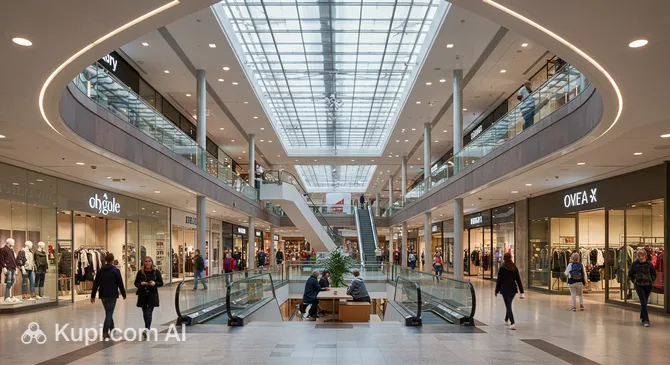
For those who prefer shopping under one roof, Augsburg has several shopping centers. The largest and most popular is the City-Galerie Augsburg. It features a wide selection of clothing, footwear, electronics, and cosmetics stores, as well as cafes and restaurants where you can take a break.

City-Galerie Augsburg. Illustration.
Source: Kupi.com AI

Traveler photos:

The City Market (Stadtmarkt) of Augsburg is definitely worth a visit. This is a lively place where you can immerse yourself in the local atmosphere. The market is divided into two parts: an indoor section selling meat, cheese, pastries, and delicacies, and an outdoor section with rows of fresh vegetables, fruits, and flowers. There is also a small food court with various snack bars offering dishes from around the world. It’s a great place to try local products and buy edible souvenirs.

As souvenirs from Augsburg, tourists often bring back traditional Bavarian items: beer steins (Bierkrüge), traditional clothing (Trachtenmode) like dirndls and lederhosen, or accessories for them. Items featuring the city's symbols, such as images of the Town Hall or puppets from the Augsburg Puppet Theater, are also popular. Sweet lovers will appreciate the local confectionery and chocolate.

Shops in Augsburg are typically open from Monday to Saturday, from about 10:00 AM to 7:00 PM or 8:00 PM. Large shopping centers may stay open later. Most shops are closed on Sundays, with the exception of some souvenir shops in tourist zones and shops at the station. The most common payment methods are cash and bank cards (EC-cards, Visa, Mastercard). Small shops and markets may prefer cash.

For tourists from countries outside the European Union, the Tax Free refund system is available. When making purchases over a certain amount in participating stores (look for the logo), you can request a special receipt. This receipt must be presented to customs when leaving the EU to receive a partial VAT refund.

Reached the end of the page?

That means the route is fully explored