Support

Fuerstenfeldbruck

About

Fürstenfeldbruck is a cozy and picturesque town located in the heart of Upper Bavaria. Situated just 25 kilometers west of Munich, it attracts travelers with its tranquility and authentic charm. Germany is famous for its small but colorful towns, and Fürstenfeldbruck is a prime example. Home to approximately 37,000 people, it maintains the atmosphere of a friendly provincial center while offering all the comforts of modern living.
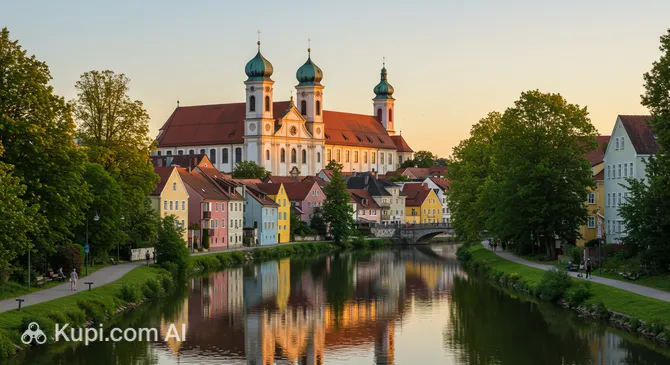
Fuerstenfeldbruck. Illustration.
Source: Kupi.com AI

The town's geographical location makes it an ideal destination for those looking to escape the hustle and bustle of big cities while enjoying natural beauty. Surrounded by green plains and scenic rivers, it offers wonderful opportunities for walking and outdoor recreation. Despite its modest size, this administrative center boasts a rich cultural heritage. The fascinating history of Fürstenfeldbruck is closely intertwined with the development of the region, and its ancient streets still preserve the spirit of past centuries.

One of the town's main architectural gems is the former Cistercian monastery, Fürstenfeld Abbey (Kloster Fürstenfeld). This majestic complex is striking in its grandeur and serves as an important center of cultural life. Visitors can not only admire traditional Bavarian architecture but also immerse themselves in a slow pace of life, where centuries-old traditions harmoniously blend with modern entertainment.

Fürstenfeldbruck is an excellent choice for those seeking inspiration and a taste of real Bavarian life. Come here to enjoy the hospitality of the locals, explore historical monuments, and simply have a wonderful time surrounded by tranquil nature.

Weather Overview

The climate in Fürstenfeldbruck is moderate, making the town attractive to visit almost year-round, although an umbrella in your suitcase definitely won't go to waste. Weather conditions here are characterized by an absence of extreme heat or severe frost. Travelers should expect warm summers with occasional rain and cool but fairly mild winters.

The warmest time of the year is July and August, when the average temperature stays around 19.3°C, and daytime highs often reach a comfortable 24°C. However, even in the height of summer, rain is possible: about 15–16 rainy days are recorded during these months. Spring arrives gradually, and by May, daytime temperatures reach 17.5°C, although May is often the wettest month of the year with 18 days of precipitation.

The winter period here is not too harsh. In January and December, average temperatures hover around 1.5°C – 2.2°C, and at night, light frosts down to -1.3°C are possible. The current weather in Fürstenfeldbruck can be changeable, so it is recommended to check the forecast before your trip to choose the right wardrobe for walking around this picturesque Bavarian town.

Average monthly temperature

Average monthly precipitation

Interesting Facts

Beyond the well-known tourist spots, Fürstenfeldbruck hides many fascinating details and stories that give it a special character. The town harmoniously combines a centuries-old heritage with living traditions, revealing itself to travelers from unexpected angles.

  • A 13th-century Gem. The town is home to the former Cistercian monastery of Fürstenfeld, founded in the 13th century. For a long time, this architectural complex was not just a religious cloister but also a vital center for the region's cultural life, influencing the development of local science and art.

  • Living Traditions. Fürstenfeldbruck is a place where Bavarian customs are not forgotten but are carefully passed down through generations. The town is famous for its annual festivals and folk celebrations, where you can see residents in authentic national costumes and hear traditional music, creating a unique festive atmosphere.

  • Historical Memory. The town does not forget the difficult periods of the past, preserving historical truth for future generations. Here, you will find the Todesmarsche memorial, which serves as an important site of remembrance and respect, honoring the memory of past events and emphasizing the value of peace.

  • A Town of Legends. Local folklore is rich with legends related to both famous figures who lived here and mystical stories about old buildings. These legends add a special flavor and mystery to walks through Fürstenfeldbruck, allowing you to see the familiar streets in a new light.

How to Get There

When planning a trip to Bavaria, it is important to think about your route in advance. Fürstenfeldbruck is conveniently located near major transport arteries, making it easily accessible for tourists. You can explore all ways to get to the city in more detail to choose the best option. Most travelers arrive via nearby major cities, utilizing the extensive German railway network and international airports.

There is no airport in Fürstenfeldbruck itself, but you can fly into Franz Josef Strauss Airport (IATA: MUC), located in Munich. This is one of Europe's main aviation hubs, receiving flights from all over the world. It is located about 45 km from Fürstenfeldbruck. A trip by taxi or transfer will take about 1 hour and 30 minutes, and convenient rail connections are also available.

Another popular option, especially for budget airlines, is Memmingen-Allgäu Airport (IATA: FMM). It is located in Memmingen, 77.8 km from your destination. A car journey from here takes approximately 2 hours and 15 minutes. This airport is significantly smaller than Munich's but often offers great fares for flights within Europe.

For your convenience, here is a summary of the main airports used to reach the region:

AirportPassenger trafficDistance
Franz Josef Strauss Airport39.8 mln45 km
Memmingen Allgäu Airport3.2 mln78 km
Innsbruck Airport862 202102 km
W. A. Mozart Salzburg Airport1.8 mln138 km
Friedrichshafen Airport339 556142 km

The railway service in Germany is known for its high reliability and comfort. While Fürstenfeldbruck doesn't have a large station for long-distance trains, you can arrive at Munich Central Station (München Hauptbahnhof), which is just 23.7 km from Fürstenfeldbruck. From there, you can take a taxi or a local S-Bahn train in about 55 minutes. This is the region's largest transport hub, receiving trains from all over Europe.

A convenient alternative is Augsburg Hauptbahnhof, located 34 km from your destination. The drive from this station takes about 1 hour and 10 minutes. This is an excellent option if your train is arriving from the northwest of the country.

Below is information about the nearest major railway stations:

StationPassenger trafficDistance
Munich Hauptbahnhof164.3 mln24 km
Augsburg Hauptbahnhof18.3 mln34 km
Rosenheim Bus Station7.3 mln75 km
Innsbruck Railway Station14.1 mln102 km
Salzburg Hauptbahnhof5.5 mln140 km

Main Attractions

Fürstenfeldbruck offers visitors a harmonious blend of architectural masterpieces, historical exhibits, and natural beauty. Although the town is often perceived as a quiet suburb of Munich, it possesses unique sites that deserve separate attention and provide a deeper understanding of Bavarian culture.

The undisputed highlight of the town is Fürstenfeld Abbey (Kloster Fürstenfeld). This former Cistercian monastery is considered one of the masterpieces of Bavarian Baroque. The Abbey Church of the Ascension of the Virgin Mary is particularly admired by tourists. Its interior is breathtaking: rich stucco work, majestic frescoes, and altars create a solemn atmosphere. A visit to this complex allows you to touch the religious history of the region and enjoy outstanding 18th-century art.

For history buffs, the Fürstenfeldbruck Museum will be an interesting discovery. It is located in the historical building of the former monastery brewery and granary. The museum's exhibits cover a wide time span—from Roman era finds and Celtic settlements to the history of the monastery and city life in the 20th century. This site allows you to trace how the region evolved over the centuries and see unique artifacts found in the surrounding area.

If you want to learn more about the traditional Bavarian way of life, it is worth visiting the Jexhof Farm Museum (Bauernhofmuseum Jexhof), located in the immediate vicinity of the town. This open-air museum is centered around an old farmstead. Here, you can see residential houses, outbuildings, and tools used by locals in past centuries. The museum regularly hosts themed exhibitions and events, immersing guests in the atmosphere of rural life from bygone eras.

Nature lovers and those who enjoy walking will appreciate the recreation area along the Amper River. The picturesque banks of the river, which flows through the town, are equipped with convenient paths for pedestrians and cyclists. It is a perfect place to take a break from sightseeing and enjoy the peace and views of the green landscapes that blend harmoniously into the urban environment.

Local Cuisine

The local cuisine of Fürstenfeldbruck is a true gastronomic journey into the heart of Bavarian traditions. Here, food is not just about satisfying hunger; it is a vital part of the culture, based on ancient recipes passed down through generations. The menu features hearty meat dishes, with a special place reserved for the famous Bavarian schnitzel with its crispy golden crust. Equally popular are the juicy Bratwurst sausages, usually served with sauerkraut or potato salad, and thick, flavorful goulash, perfect for warming up on cool days.

When it comes to drinks, it is impossible not to mention the local beer, which is a source of pride for the entire region. The König Ludwig Schlossbrauerei, a royal brewery that honors centuries-old brewing traditions, is located nearby. Visiting local beer gardens and cozy taverns to taste a fresh brew is a must-do for any tourist. It is a great way not only to enjoy the flavor but also to immerse yourself in the leisurely atmosphere of Bavarian relaxation.

For those who prefer a more informal setting, Fürstenfeldbruck offers wonderful opportunities to explore street food. Vibrant farmers' markets become a magnet for foodies. Here, you can taste and buy homemade cheeses, fresh sausages, traditional pastries, as well as seasonal vegetables and fruits. The markets serve as a place for lively social interaction, where you can feel the real rhythm of the town and the friendliness of its residents.

Festivals, which regularly take place in the town and its surroundings, add a special flair to gastronomic life. These events bring together lovers of good food and fun, combining tastings of traditional dishes with folk music, dancing, and crafts. Fürstenfeldbruck is truly a gastronomic paradise for those seeking authentic flavors and wanting to enjoy sincere Bavarian hospitality.

Travel Tips

Preparing for a trip to Fürstenfeldbruck doesn't require much effort, but knowing the local peculiarities will make your visit to this cozy corner of Germany much more pleasant and easier. We have compiled a list of practical recommendations to help you avoid common mistakes and feel confident from the first moments of your stay.

  1. Clothing and Essentials. Bavarian weather can be changeable, so layering is the best strategy. Even in summer, it's worth having a light jacket or raincoat. For walks through the historical center, choose comfortable flat shoes, as cobblestones are frequent here. If you plan to visit Fürstenfeld Abbey, remember the dress code: shoulders and knees should be covered.

  2. Transport. Fürstenfeldbruck is compact, and its center is best explored on foot. For trips to Munich or neighboring towns, the S-Bahn (Line S4) is ideal; trains run frequently and strictly on schedule. Tickets must be purchased at station machines and validated before boarding. Apps like DB Navigator will help you plan your route and buy tickets online.

  3. Finances. The official currency is the Euro. While cards are accepted in supermarkets and most restaurants, small cafes, bakeries (Bäckerei), and souvenir shops still prefer cash. Always carry some small bills and coins. Tips ("Trinkgeld") are usually 5–10% of the bill or simply rounded up when paying.

  4. Health and Safety. The town is very safe, and you can walk here comfortably at any time of day. Pharmacies (Apotheke) are easily identified by a red letter "A". They usually close in the evening and don't open on Sundays, but the address of the nearest 24/7 on-duty pharmacy is always posted on the door. The emergency number is 112.

  5. Communication. The primary language is German. In tourist spots and among younger people, many speak English well, but the older generation may not know foreign languages. Learning a couple of phrases like "Danke" (thank you) or "Entschuldigung" (excuse me) will endear you to the locals. Free Wi-Fi is available in some cafes and at the station, but for a stable connection, it's better to buy a local SIM card at a supermarket.

  6. Local Etiquette. In Bavaria, it is customary to greet others when entering small shops, elevators, or reception areas using the traditional greeting "Grüß Gott." Locals value politeness and restraint. On escalators, stand on the right and pass on the left—this is an unspoken but strictly followed rule.

  7. What to Avoid. Never walk on bicycle lanes (usually marked by color or lines on the sidewalk)—this can cause annoyance to cyclists and even lead to a collision. Also, do not cross the road on a red light, even if there are no cars; this is considered a serious breach of order and sets a bad example for children.

  8. Sunday Silence. Keep in mind that in Germany, almost all shops are closed on Sundays, including grocery supermarkets and pharmacies (except for emergency ones). Only cafes, restaurants, and some kiosks at gas stations or stations remain open. Plan your shopping and grocery runs in advance, on Saturday.

By following these simple tips, you can avoid minor misunderstandings and focus entirely on your vacation. Fürstenfeldbruck is a hospitable town ready to give you warm memories and real Bavarian comfort!

Entertainment & Nightlife

The nightlife in Fürstenfeldbruck is characterized by a calm and steady rhythm, perfect for those who value comfort, quality conversation, and an authentic atmosphere. You won't find massive neon signs or noisy techno clubs open until dawn here—for that, locals and tourists usually head to nearby Munich. However, the town offers an excellent selection of places for a pleasant evening: from traditional beer gardens to stylish bars and cultural venues.

The epicenter of evening activity is the main street, Hauptstraße, and its surrounding side streets. This is where most gastronomic establishments are concentrated, turning into cozy meeting spots after dark. The crowd is diverse, ranging from young people to older couples, and the dress code in most places is casual—a casual style is appropriate everywhere. The evening usually begins with dinner at a restaurant and smoothly transitions into a bar visit for a glass of local beer or a cocktail.

The Veranstaltungsforum Fürstenfeld holds a special place in the town's cultural and entertainment life. This cultural center, located on the grounds of the former monastery, regularly hosts theatrical performances, classical and modern music concerts, and jazz evenings. For lovers of a more informal setting and live performances, the Unterhaus is a popular local chamber stage and pub that often hosts cabaret artists and musicians. Prices in the town's establishments are generally lower than in the capital: a glass of beer costs an average of 4–5 euros.

If you are looking for large-scale parties and dancing until morning, the proximity to the Bavarian capital is a huge plus. Thanks to excellent transport links, you can take the S-Bahn (Line S4) and be in the center of the Munich party scene in just 25–30 minutes. Trains run late, and on weekends they operate around the clock, making it easy to combine a stay in quiet Fürstenfeldbruck with the vibrant nightlife of a metropolis.

Safety is rarely a concern in Fürstenfeldbruck. The town is considered very peaceful, and walking through the night streets is safe. The lighting is good, and the crime rate is extremely low. If you need to get to your hotel late at night, it is best to save the number of a local taxi service in advance, as hailing a car on the street can be difficult, especially on weekdays.

In addition to evening entertainment, the town offers a full daytime program. Cultural leisure can be enjoyed at the city museum or galleries, while for active recreation, the AmperOase water complex with its pools and saunas or the rope park located in the forest area are ideal. These places allow you to recharge your energy before a quiet and cozy evening in this corner of Germany.

Parks & Museums

Fürstenfeldbruck is a town where nature and fine art exist in remarkable harmony. For travelers, this means the opportunity to alternate leisurely strolls along shady alleys with immersion in the region's rich history and cultural life, all within a single district.

One of the town's main natural arteries is the Amper River and its adjacent green zones. The riverbanks, known as the Amperauen, represent a protected natural landscape ideal for eco-tourism. Kilometers of walking and cycling paths run through floodplains and forests. This area is especially popular with those who enjoy peace: the sound of water and birdsong create an atmosphere of total seclusion, despite the proximity to urban buildings.

Right in the town center is the cozy City Park (Stadtpark). This well-kept space with ancient trees, flower beds, and comfortable benches has become a favorite resting spot for locals. The park is perfect for a short break after excursions: you can have a picnic on the grass or simply enjoy the view of the old buildings peeking through the foliage.

The cultural landscape of the town is inconceivable without the Fürstenfeldbruck Museum (Museum Fürstenfeldbruck). Housed in the historical building of a former monastery granary, it offers a fascinating journey through time. The museum's collections cover the period from Roman settlements to the town's modern history. Special attention is given to the archaeology section and the daily life of Cistercian monks, providing a deeper understanding of how this region of Bavaria was formed.

Art lovers should visit the Kunsthaus Fürstenfeldbruck. This gallery, also located within the monastery complex, specializes in temporary exhibitions. Here, you can see works by both recognized masters of the past and bold projects by contemporary artists. The gallery space itself is a work of art, successfully integrated into the Baroque architecture.

Another important site is the Jexhof Farm Museum (Bauernhofmuseum Jexhof), located nearby. This is an open-air museum where the authentic atmosphere of a Bavarian village from past centuries is preserved. Visitors can step inside old residential houses, see outbuildings, and learn about the tools and crafts that were part of the daily life of the local ancestors.

Among the architectural monuments, Fürstenfeld Abbey remains the undisputed highlight. This Baroque masterpiece impresses not only with its scale but also with the refinement of its details. The majestic facade of the church and its luxurious interiors with frescoes and stucco make it a mandatory stop on any tour. The complex is surrounded by its own gardens, which are blooming with flowers in spring and summer.

Insider Tip: For an unusual perspective of the town, take a walk to the Silbersteg pedestrian bridge. It offers one of the most picturesque views of the Amper River and the domes of the Abbey church, especially beautiful in the light of the setting sun.

Getting Around

The public transport system in Fürstenfeldbruck is integrated into Munich's unified transport network (MVV). This means that for traveling around the town, the surrounding area, and trips to the regional capital, unified tickets and fares apply. The town is compact, and many routes can be conveniently combined, transferring from a train to a bus without needing to buy a new pass, provided the ticket's validity hasn't expired.

The backbone of the transport system is the S-Bahn (Line S4). Within the town limits, there are two stations: Fürstenfeldbruck and Buchenau. Trains run at 20-minute intervals during peak hours and every 40 minutes at other times. This is the fastest way to reach not only Munich but also to move from one part of Fürstenfeldbruck to another, bypassing street traffic.

Within the town and for connections to nearby villages, there is an extensive network of buses. They mostly depart from the railway station, synchronized with the arrival of S-Bahn trains. Buses are a reliable way to get to Fürstenfeld Abbey, the AmperOase pool, or the Jexhof Museum. Note that on weekends and late in the evening, bus intervals increase, and some routes may not operate, so check the schedule in advance.

A zone-based MVV system is used for fare payment. Fürstenfeldbruck is in the outer zone. For tourists, the most advantageous options are often the Tageskarte day ticket (valid until 6 am the next day) or the Streifenkarte (stripe ticket). The latter is a card with 10 stripes: for each trip, you need to fold and validate a certain number of stripes depending on the number of zones crossed. This is a flexible and economical option if you plan several trips but not a whole day of travel.

Tickets can be purchased at red vending machines at S-Bahn stations (accepting cash and cards) or from bus drivers (often cash only). The most modern and convenient way is to use the MVV-App or DB Navigator mobile apps. Through them, you can buy an electronic ticket that does not need validation. If you bought a paper ticket from a machine without a printed date, be sure to validate it in the blue machine (Entwerter) before heading down to the platform or inside the bus, otherwise, you may be fined.

As an alternative to public transport, bicycles are very popular in the town. The flat terrain and picturesque paths along the Amper River make cycling not just a way to get around, but a pleasure. Rental shops can be found in the center or near the station. Taxis are also available in the town, but unlike in major cities, cars can rarely be hailed on the street—it's better to order them by phone, via an app, or find them at a designated taxi stand near the station.

Accommodation

The choice of accommodation in Fürstenfeldbruck reflects its quiet and cozy character. You are unlikely to find massive chain resorts or skyscrapers with panoramic suites here. The hotel stock consists primarily of small family-run hotels, traditional Bavarian guesthouses (Gasthof), and modern apartments. This creates an atmosphere of home-like warmth and allows guests to experience the region's authentic way of life.

For those looking for budget options, there are inexpensive pensions and hostels offering basic services. Travelers who prefer mid-range comfort will appreciate the three- and four-star hotels, which are often located in historical buildings but equipped with all modern amenities. Private apartment rentals are becoming increasingly popular, especially for families or those planning a long stay who wish to cook for themselves.

In terms of location, the most attractive area for tourists is the town center (Innenstadt). Staying here puts you within walking distance of the main attractions, restaurants, and the picturesque Amper riverfront. If your goal is frequent trips to Munich, it makes sense to consider accommodation near the S-Bahn station. This will save time on transfers and allow you to reach the Bavarian capital quickly.

Price ranges in Fürstenfeldbruck are generally lower than in nearby Munich, making the town an excellent alternative for budget-conscious travelers. A night in a mid-range hotel is reasonably priced, although rates can vary depending on the season. Bookings can be made through popular international online platforms or directly on hotel websites, where special discounts or package deals are sometimes offered.

Booking Tip: Despite its status as a small town, demand for accommodation here can spike suddenly. This is especially true during the famous Oktoberfest in Munich (late September to early October) or during major trade fairs. At these times, Fürstenfeldbruck becomes a popular "commuter" suburb, and prices soar. If you are planning a trip for these dates or during the high summer season, try to book your room several months in advance.

Nearby Cities

For those looking to explore the surrounding area, Fürstenfeldbruck serves as an excellent starting point for day trips to several interesting nearby locations. Convenient transport links allow you to quickly reach Bavaria's key attractions, swapping the quiet of a small town for the rhythm of a metropolis or the beauty of Alpine lakes.

The undisputed favorite for a visit is Munich—the regional capital, located very close by. It is a cultural and historical center of world importance. Here, you can stroll through the famous Marienplatz, visit Nymphenburg Palace, or spend time in one of the many museums. Munich offers endless opportunities for shopping, gastronomic discoveries, and experiencing Bavarian traditions.

Nature lovers and those seeking picturesque landscapes should head to Starnberg. The town is located on the northern shore of Lake Starnberg, often called "Munich's bathtub." It is an ideal place for walks along the promenade, boat trips, and relaxed recreation with views of the majestic Alps, which are visible on a clear day.

The ancient town of Dachau is also well worth a visit. Beyond its well-known 20th-century history, the town possesses a charming historical center situated on a hill. The main architectural gem here is the Renaissance palace with its beautiful court garden, offering a panoramic view of the surroundings all the way to Munich.

CityPopulationDistance
Maisach14 2235 km
Eichenau11 8946 km
Olching27 7417 km
Puchheim21 5317 km
Gilching19 0658 km

These nearby destinations provide an overview of the region's diverse culture and landscapes, making your trip even more rewarding.

Shopping & Souvenirs

Shopping in Fürstenfeldbruck is quite different from the bustling atmosphere of the commercial districts in the neighboring metropolis. Here, the process is leisurely, without the crowds of tourists and long queues. The town doesn't claim to be a fashion capital, but it offers an excellent selection of shops for those who value a personalized approach, cozy boutiques, and high-quality regional products. It is the perfect place to find authentic Bavarian goods and enjoy a relaxed stroll past the shop windows.

The main magnet for shoppers is Hauptstraße and the adjacent pedestrian zone. Numerous family-owned shops, bookstores, clothing and shoe stores, as well as perfume boutiques, are located along this historic street. Walking here is an aesthetic pleasure: many outlets are situated in old buildings with painted facades. Between purchases, you can relax in one of the street cafes and watch the town's life go by.

If you are looking for larger shopping venues, the Center Buchenau is worth a visit. This is a modern shopping center located near the S-Bahn station of the same name. Under one roof, you will find supermarkets, electronics stores, branches of popular clothing brands, pharmacies, and service centers. It is a convenient place for those who need to buy everything at once without traveling to central Munich.

Markets add a special flavor to local trade. The main Farmers' Market (Wochenmarkt) regularly takes place at the Volksfestplatz or in the town center (check the location depending on the day of the week). Here, local farmers offer fresh vegetables, fruits, homemade cheeses, meat delicacies, and freshly baked bread. Visiting the market is not just about shopping; it's an opportunity to chat with producers and taste the real flavors of the Bavaria region.

As souvenirs from Fürstenfeldbruck, tourists most often bring home items related to local traditions. Be sure to stop by the Abbey Shop (Klosterladen) at Fürstenfeld Abbey. You can purchase unique items there: from books on art and history to local honey, herbal liqueurs, and handmade crafts. Traditional beer steins and elements of Bavarian national costume, which can be found in specialized shops in the center, are also popular.

Most shops in the town center are open from Monday to Friday from 09:00 or 10:00 to 18:00–19:00, and on Saturdays, the workday is often shortened to 14:00 or 16:00. Shopping centers and supermarkets usually stay open longer—until 20:00. It is important to remember that almost all shops are closed on Sundays, except for bakeries (in the morning) and kiosks at petrol stations. Regarding payment, major chains accept cards (Visa, Mastercard) without issues, but in small boutiques, cafes, and especially at the market, cash in euros is preferred.

Tourists residing outside the European Union can take advantage of the Tax Free system. If you make a purchase at a store marked with a Global Blue sign or similar for an amount exceeding the established minimum (usually 50 euros), ask the salesperson for a special receipt (Ausfuhrbescheinigung). When leaving Germany, you can reclaim part of the value-added tax by presenting your receipts and purchases at customs.

Reached the end of the page?

That means the route is fully explored