Braunschweig's transport system is characterized by German punctuality, comfort, and clear logistics. The city is served by the BSVG company, and the route network covers both the historic center and distant residential areas. There is no metro here, as the city's size allows surface transport to cope effectively, so the main load falls on trams and buses.
The main means of transport for tourists is the tram (Straßenbahn). Five main lines (denoted by the letter "M" and a number, e.g., M1, M3) cross the city and connect key attractions, the station, and major hotels. Trams run frequently: during peak hours, the interval is 10–15 minutes. The bus network complements the tram network, providing access to those corners where rails are not laid. Buses are modern, low-floor, and equipped with air conditioning.
Braunschweig is part of the VRB (Verbundtarif Region Braunschweig) regional tariff association. This means that one ticket is valid for all types of transport: tram, bus, and even regional trains within the paid zone. For trips within the city, you will need a ticket for zone 40 (City-Tarif Braunschweig).
Various ticket options are available for fare payment. A single ticket (Einzelticket) costs about 3 euros and is valid for 90 minutes, allowing transfers. If you plan to make more than two trips a day, it is more profitable to purchase a day ticket (Tageskarte), which pays for itself after the third trip and is valid until the end of the day. There are also group tickets for companies of up to 5 people, which is very convenient for families or friends.
Tickets can be purchased in several places. Vending machines (accepting coins, notes, and cards) are installed at most tram stops and hub stations. On buses, a ticket can be bought directly from the driver (it is better to have cash). The most modern way is to use the "VRB Fahrinfo & Tickets" mobile app, which allows you to buy tickets online, often at a slightly reduced price, and saves you from searching for change.
Important: If you bought a paper ticket from a machine or kiosk, it must be validated immediately upon entering the transport. Validators are usually orange or blue. Tickets bought from a bus driver are usually already stamped, but it is better to clarify this point. The fine for fare evasion in Germany is significant—60 euros.
At night, especially on weekends, special night lines are launched. The main transfer hub for them is Rathaus square. This allows you to safely reach your hotel after a late dinner or a visit to a bar when the daytime routes have already finished working (usually around midnight).
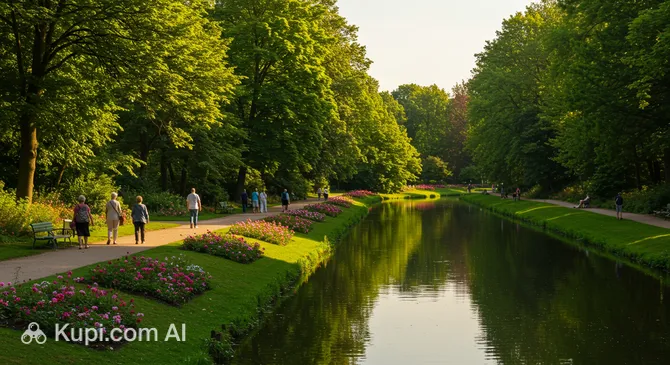
As an alternative to public transport, bicycles are very popular in Braunschweig. The city is located on a plain, elevation changes are minimal, and bike paths are laid everywhere. Tourists can use bike rental services (e.g., nextbike) or take an electric scooter, which are plentiful on the streets (Lime, Tier, Bolt). This is an excellent way to see the parks along the Oker River.
Taxis in the city are easily recognizable by their classic cream color. It is difficult to hail a car on the street; it is better to look for them at special stands (at the station, in the center) or call them via apps (FREENOW or Uber). Taxi rides are quite expensive, so for short distances in the city center, it is better to choose a walking tour.