Support

Hof

About

Hof is a cozy and atmospheric city in northeastern Bavaria, located just a stone's throw from the Czech border. Thanks to its strategic location, it is often called the "Gateway to Upper Franconia." This place is ideal for travelers who appreciate a harmonious blend of natural beauty and vibrant city life, as Germany reveals its particularly soulful side in this region.

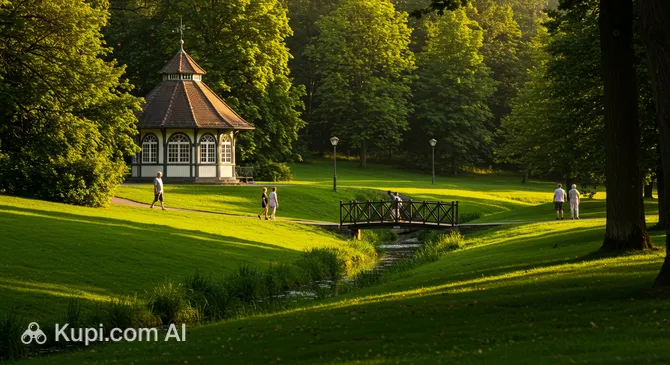
Hof. Illustration.
Source: Kupi.com AI

With a population of about 46,000, Hof remains compact enough to maintain an intimate and peaceful feel, yet it surprises visitors with its well-developed infrastructure. The unique history of Hof is reflected in its architectural appearance: here, historic buildings stand harmoniously alongside modern art objects, and traditional markets sit next to stylish coffee shops.

The city is famous for its picturesque surroundings, dense forests, and well-kept parks that invite long, leisurely walks. Additionally, Hof serves as an important cultural center: major fairs, festivals, and exhibitions regularly take place here, filling the streets with life and color. A visit here is a great opportunity to experience authentic Bavarian hospitality and take a break from the hustle and bustle of major metropolises.

Weather Overview

The climate in Hof is moderate and conducive to travel at any time of year, though you should be prepared for nature's whims. Summer here is mild and comfortable: in July and August, the average temperature stays around 18°C, and during the day, the air often warms up to a pleasant 22–23°C. This is an ideal time for long walks in Bavarian parks, as sweltering heat is a rarity in this region.

Winters are generally cool, with temperatures balancing around zero. In January and February, average figures are around 0...+1.6°C, and frosts are possible at night. Precipitation falls fairly evenly throughout the year: even in the "driest" month, September, there are about 11 days with precipitation, while in winter and summer, that number increases to 14–16 days.

Expect a warm summer with occasional rain and cool winters with high humidity. Since the weather can be changeable, we recommend checking the current weather in Hof before your trip to pack correctly and not forget an umbrella or raincoat.

Average monthly temperature

Average monthly precipitation

Interesting Facts

Hof is a city that knows how to surprise even seasoned travelers. Beyond its well-known landmarks, it holds many fascinating secrets and unique traditions that reveal its character in a new way.
  • One of the city's most unusual symbols is the "Wärschtlamo" monument. This bronze statue is dedicated not to a general, but to a sausage vendor, symbolizing the locals' deep love for traditional Hof sausages. The monument has long been a favorite photo spot for tourists.

  • Theresienstein City Park is not just a recreation area, but a 19th-century historical heritage site. It is considered one of the oldest and most beautiful parks in Bavaria, serving as Hof's "green heart" with its cozy alleys and rare plants.

  • The city turns into a center for European cinema every year thanks to the Hof International Film Festival (Hofer Filmtage). This is one of the oldest film events in the country, bringing together directors and cinephiles and filling the streets with a special creative atmosphere.

  • Hof gave the world the prominent architect Carl Gotthard Langhans. It was a native of this Bavarian city who designed the famous Brandenburg Gate in Berlin, which became a symbol of all Germany.

  • For those who want to get closer to nature without leaving the city, the Hof Zoo is open. Located in a picturesque park area, it is a popular leisure destination for local families and regional visitors alike.

Theresienstein Municipal Park. Illustration.
Source: Kupi.com AI

Traveler photos:

How to Get There

When planning a trip to this Bavarian corner, it is important to think through your logistics in advance. The city is located away from bustling metropolises, which gives it a special charm but requires attention to your route. You can find out more about how to get to Hof by studying all available options; below, we will look at the most popular ways to arrive via nearby transport hubs.

Since there is no passenger airport in Hof itself, travelers usually choose to fly into nearby major cities followed by a transfer. One of the most convenient options is Nuremberg Airport (IATA: NUE). It is located about 109 km from the city. A car trip via the autobahn will take about 1 hour and 20 minutes. This is an important regional hub receiving many flights from across Europe.

For international travelers, a route through the Czech Republic is an excellent choice. Václav Havel Airport Prague (IATA: PRG) is a major international aviation hub located 169 km from Hof. Travel time by car is about 2 hours. Also worth considering is Leipzig/Halle Airport (IATA: LEJ), located 125 km away. The drive from there takes approximately 1 hour and 30 minutes.

Summary of nearby airports:

AirportPassenger trafficDistance
Karlovy Vary Airport37 90073 km
Erfurt Airport138 002100 km
Nuremberg Airport4.0 mln109 km
Leipzig/Halle Airport2.2 mln125 km
Dresden International Airport929 928160 km

Rail travel is another comfortable and popular way to reach your destination. Hof has its own station, but for long-distance trips, major hubs are often used with a subsequent transfer. For example, you can take a high-speed train to Nuremberg Hauptbahnhof (113.5 km from Hof). Comfortable regional trains (Regional-Express) depart regularly from this station and will get you to Hof in less than 2 hours, saving you from needing an expensive taxi.

An alternative is Leipzig Central Station (125.4 km), which also has excellent rail connections to the Upper Franconia region. Switching to a local train allows you to enjoy scenic views of Germany on your way to your destination.

Below is information about major nearby railway stations convenient for transfers:

StationPassenger trafficDistance
Erfurt Hauptbahnhof16.8 mln96 km
Nuremberg Hauptbahnhof76.7 mln113 km
Leipzig Hauptbahnhof43.8 mln125 km
Eisenach Hauptbahnhof1.8 mln134 km
Dresden Hauptbahnhof21.9 mln160 km

Main Attractions

Hof is a city that is rightfully proud of its green zones and outdoor recreation spots. Here, nature and the urban environment exist in amazing harmony, offering tourists the chance to enjoy the peace and beauty of landscape design without leaving the city limits. Hof's main attractions are closely tied to its park culture and educational leisure activities.

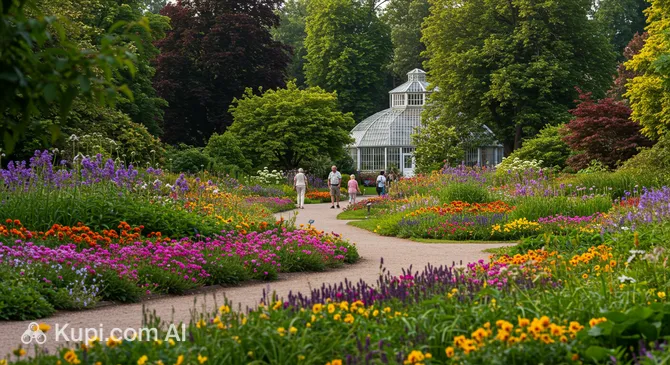
The heart of green tourism in the city is Theresienstein City Park. This place has a rich history and has been repeatedly recognized as one of the most beautiful parks in Germany. A walk here is a journey through time: winding paths, centuries-old trees, and elegant Art Nouveau pavilions create a romantic atmosphere. The park is perfect for morning jogs, leisurely strolls, or picnics on sunny lawns, making it a favorite spot for both locals and visitors.

Hof Botanical Garden. Illustration.
Source: Kupi.com AI

Traveler photos:

Located directly within the park complex is the Hof Botanical Garden. This is a true oasis for flora lovers, housing plants from all corners of the globe. The garden is divided into themed zones, including a rock garden and sections with medicinal herbs. It is especially pleasant to walk here during the warmer months when blossoms give way to a riot of color and the air is filled with sweet scents. This spot attracts those seeking solitude and aesthetic pleasure.

For family outings and learning about the animal world, the Hof Zoo is well worth a visit. It is an intimate and cozy zoo that emphasizes animal comfort and educational programs. Here, you can see both local fauna and exotic inhabitants. The zoo is known for its accessibility and friendly atmosphere, allowing visitors to observe animals from a close distance, which children especially enjoy.

Local Cuisine

The gastronomic pride of the city is, undoubtedly, the famous Hof sausage (Hofer Bratwurst). Its unique recipe has been kept secret for centuries and passed down from generation to generation. Traditionally, this delicacy is served with crispy rolls, fresh hot mustard, and sauerkraut. For locals, this breakfast is not just food, but a true ritual that brings people together at one table and sets the mood for the whole day.

The region's cuisine is famous for being hearty and robust. Besides the sausages, it is worth trying pork dishes and flavorful homemade smoked meats. Those with a sweet tooth will enjoy the variety of pies with seasonal fruit fillings found in local bakeries. And one mustn't forget the beer: it is brewed here according to ancient Bavarian recipes. Local breweries often host tours and tastings where you can appreciate the taste of the freshest brew.

Traditions and modern trends coexist harmoniously in the city, so finding a place for dinner is easy. If you are looking for a cozy atmosphere for an evening wind-down, consider Rossini Bar Café Restaurant. For those who want to swap Bavarian flavor for exotic tastes for a while, Ganesha Tandoori Restaurant opens its doors, serving spicy Indian dishes.

Street food and markets give the city a special charm. You can always grab a snack of hot bratwurst or a fresh pretzel at numerous kiosks. On weekends, the center comes alive thanks to farmers' markets, where stalls overflow with local cheeses, honey, sausages, and homemade liqueurs. During gastronomic festivals, the streets fill with the aromas of grilled meat and pastries, turning a walk into a true feast of flavor.

Travel Tips

Preparing for a trip to Hof doesn't require complex efforts, but knowing the local quirks will make your journey truly comfortable and carefree. We've gathered a list of practical recommendations to help you avoid minor inconveniences and feel like a local in this cozy Bavarian corner.

  1. Clothing and Weather. The climate in the region is changeable, so the best strategy for choosing a wardrobe is the "layering" principle. Even in summer, evenings can be cool, so a light windbreaker or jumper is essential. Be sure to bring comfortable flat shoes: the historic center is paved with cobblestones, and Theresienstein Park has many dirt paths. An umbrella or a compact raincoat will be your faithful companions in any season.

  2. Transport Accessibility. The city center is quite compact, and the main attractions are within walking distance of each other. For trips to outlying areas, it's convenient to use local buses (HofBus). If you plan to travel around the region, it's beneficial to buy a "Bavaria Ticket" (Bayern-Ticket) for the train: it allows a group of travelers to save significantly. Apps like Uber might not be enough here; it's better to rely on official taxi stands or local public transport.

  3. Financial Matters. Germany is known for its love of cash, and Hof is no exception. Although supermarkets and hotels accept Visa and Mastercard, in small bakeries, souvenir shops, and at the famous street sausage vendor (Wärschtlamo), you can only pay with cash (Euros). Always carry small bills and coins. Tipping in restaurants is welcomed at 5–10% of the bill; it's usually not left on the table, but the total amount is told to the waiter when paying.

  4. Health and Safety. Hof is a very calm and safe city where you can walk even after dark. Pharmacies are marked with a red letter "A" (Apotheke). Please note that on Sundays and holidays, only emergency pharmacies are open, with addresses posted on the doors of other establishments. Tap water is safe to drink and of high quality.

  5. Communication and Language. The main language of communication is German. Young people and hotel staff generally speak English, but the older generation may not. Learn a few phrases, like "Danke" (thank you) or "Entschuldigung" (excuse me)—this will endear you to the locals. Free Wi-Fi (often the "BayernWLAN" network) is available in the city center, libraries, and many cafes. A SIM card can be bought in supermarkets or mobile shops, but a passport is required for activation.

  6. Local Etiquette. In Bavaria, it's customary to say hello when entering small shops, elevators, or offices. A universal greeting is "Hallo" or the traditional Bavarian "Grüß Gott." Germans value punctuality, so it's best to arrive 5 minutes early for tours or meetings. Sunday (Ruhetag) is a day of silence and rest: most shops are closed, and it's not customary to make noise in the streets.

  7. What to Avoid. Never walk on bicycle paths—this can cause strong dissatisfaction from cyclists and even lead to a collision. It is also strongly discouraged to cross the road on a red light, even if there are no cars: this is considered bad manners and a poor example for children, and can also result in a fine.

  8. Tip for Foodies. When buying sausages from a traditional "Wärschtlamo" vendor, remember the local unwritten rule: they are meant to be eaten right on the street, standing up, and preferably with mustard. Asking for ketchup with traditional Hof sausages is considered almost sacrilegious by locals.

By following these simple tips, you can avoid tourist traps and focus on the main thing—enjoying the architecture, nature, and unique atmosphere of Hof. We wish you a pleasant and easy trip!

Entertainment & Nightlife

Nightlife in Hof is not like the bustling scenes in metropolises like Berlin or Munich, but this Bavarian city has its own unique charm. There is an atmosphere of coziness and friendliness here, largely thanks to the students of the local university who set the rhythm for evening entertainment. The main focus in Hof is on soulful gatherings in pubs, stylish bars, and traditional "kneipen," where you can spend time over a glass of local beer or a cocktail.

The epicenter of evening activity is the historic city center (Altstadt) and the area around Ludwigstraße. This is where most establishments are concentrated, and where life hums until late at night. In the warmer months, the streets fill with summer terrace tables, while in winter, guests move into cozy, dimly lit indoor spaces. The crowd here is diverse: from young people discussing lectures to locals relaxing after work, creating a very democratic and safe environment.

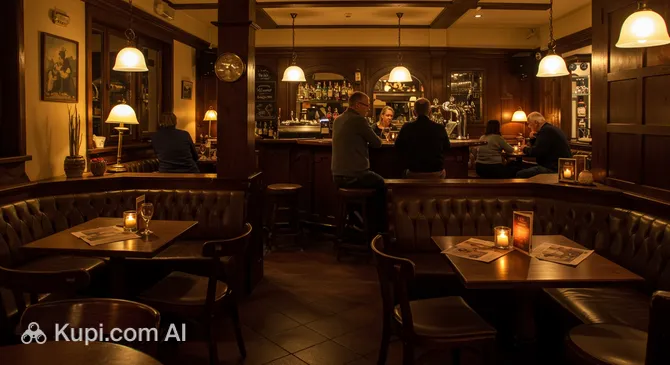
One of the most popular spots, perfect for both starting and continuing an evening, is Rossini Bar Café Restaurant. This venue is a true chameleon: by day it serves excellent coffee, and as dusk falls, it transforms into a lively bar with a great drinks menu. Its stylish interior and relaxed music make it a magnet for those who appreciate quality and comfort.

Rossini Bar Café Restaurant. Illustration.
Source: Kupi.com AI

Traveler photos:

If you prefer to start your evening with a relaxed dinner in an exotic setting, it is worth checking out Ganesha Tandoori Restaurant. While primarily a restaurant, it stays open late and offers a cozy atmosphere for long conversations with friends before heading out to explore the city's bars. It is an excellent alternative to noisy pubs for those seeking tranquility.

For fans of cultural leisure, Hof offers a rich program beyond the bar counter. The Hof Theater (Theater Hof) regularly stages operas, musicals, and dramas, serving as the region's main cultural hub. It is also worth checking the schedule at the Freiheitshalle concert hall—famous musical groups and large-scale shows often perform here, which could become the highlight of your trip.

In terms of safety, Hof is one of the calmest cities in Germany. Walking through the center at night is perfectly safe, though as always, one should remain vigilant. The dress code in most places (except for gala premieres at the theater) is casual, so you will feel comfortable in jeans and a shirt. The average bill in bars here is lower than in Bavaria's major tourist centers.

Practical tip: Public transport runs less frequently at night, so if you stay out late, it's best to save local taxi numbers in advance or ask a bartender to call a car for you. And remember that many bars only accept cash, so it's worth withdrawing money from an ATM beforehand.

Parks & Museums

Hof harmoniously combines the charm of a green city with a rich cultural heritage, offering travelers an ideal balance between educational leisure and outdoor relaxation. Here you can spend the morning studying historical artifacts and the afternoon enjoying the silence of centuries-old alleys or heading to picturesque bodies of water.

The city's main green artery is rightfully considered Theresienstein City Park. This English-style landscape park attracts visitors not only with its historical architecture but also with its diverse flora. It's pleasant to stroll along the winding paths, admiring the Art Nouveau pavilion and fountains. For those interested in a more detailed look at the plant world, the Hof Botanical Garden is located within the park. It is divided into several themed zones where you can see rock gardens and collections of medicinal herbs that create a unique fragrance in the summer months.

Another important natural landmark is Lake Untreusee (Untreusee), located south of the city center. This is a favorite recreation spot for locals, transformed into a real resort. In summer, you can swim, go sailing, or just sunbathe on the well-kept beaches. Convenient walking and cycling routes are laid out around the lake, allowing you to enjoy views of Bavarian nature away from the city bustle.

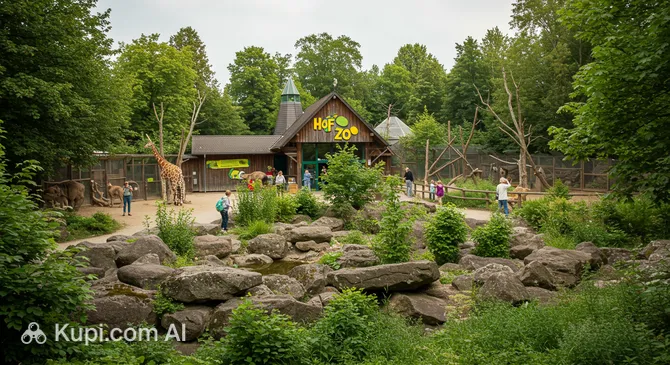
Hof Zoo. Illustration.
Source: Kupi.com AI

Traveler photos:

Hof's cultural scene is represented by several interesting museums. The Museum Bayerisches Vogtland (Museum of the Bavarian Vogtland) is a key point for those wanting to understand the region's history. The exhibition covers a wide range of topics: from the development of local crafts and industry to the city's history as an important border point. Special attention is paid to the daily life of citizens in different eras, allowing you to literally touch the past.

A completely unique site is the Fernweh-Park (Wanderlust Park). This is a kind of open-air museum housing a huge collection of road signs and signposts from all over the world, donated by celebrities and travelers. Here you can see autographs from Hollywood stars, politicians, and athletes, making this place a true monument to global friendship and open borders.

For family leisure, the Hof Zoo is perfect. Although small, its territory is cleverly planned so that visitors feel a connection with nature. The zoo performs an important educational function, introducing guests to a variety of fauna in a comfortable and peaceful setting.

Insider tip: If you find yourself in Theresienstein Park, be sure to find the ancient labyrinth and the ruins of the knight's castle—these corners are often hidden from the eyes of rushing tourists but possess a special mystical atmosphere, perfect for photo shoots.

Getting Around

The transport system in Hof is simple and logical, perfectly matching the leisurely pace of life in this Bavarian city. Since the city is quite compact, there are no metro or tram lines. The main form of public transport is the bus, operated by the local company HofBus. The route network covers the entire city, including outlying areas such as the recreation zone at Lake Untreusee, and connects them to the central railway station and the historic center.

Buses run strictly according to the schedule, which is observed with German punctuality. Intervals on weekdays are about 20–30 minutes, but transport runs less frequently in the evenings and on weekends. It is important for tourists to know about the special evening transport system: after 20:00 and on weekends, many lines operate as "call-collect-taxis" (Anruf-Sammel-Taxi or AST). They run on fixed routes but only depart if there are passengers, so the trip must be ordered by phone at least 30 minutes before departure.

Payment for travel is flexible and convenient. A ticket can be bought directly from the driver when boarding the bus (prepare cash, preferably small bills or coins) or at machines at major stops. For tourists, the most advantageous option is often a day ticket (Tageskarte), which allows unlimited travel throughout the day. If you are traveling as a family or group, look for group day tickets, which can help save significantly.

To plan your trips, we recommend installing the VGN app (Greater Nuremberg Transport Association) or the universal DB Navigator. In these, you can not only map out a route but often purchase an electronic ticket, saving you the need to look for change. Don't forget that paper tickets bought in advance without a date and time stamp must be validated (stamped) upon entering the vehicle.

Given the small size of the historic center, many city guests prefer to get around on foot. This allows for a better look at the architecture and independence from schedules. An excellent alternative to buses in the warmer months is the bicycle: numerous bike paths are laid out in the city and surroundings leading to parks and lakes. Taxis are also available in Hof, but it's not customary to "hail" a car on the street—it's better to find an official stand (for example, at the station) or call a car by phone.

Accommodation

The choice of accommodation in Hof will pleasantly surprise travelers with its reasonable price-to-quality ratio. Unlike overcrowded tourist metropolises, a calm and cozy atmosphere prevails here. The city's hotel stock consists mainly of small private hotels, traditional Bavarian gasthofs, and modern mid-range hotels focused on comfort and functionality. You won't find luxury five-star resorts here, but the level of service in existing establishments is traditionally high, and the hospitality of the owners often creates a sense of home comfort.

When choosing a place to stay, you should consider the purpose of your visit, as the city is clearly zoned:

  • Historic Center (Innenstadt). This is the most popular area for tourists. Staying here puts you within walking distance of the pedestrian zone, major architectural monuments, and Theresienstein Park. It is especially pleasant in the evening as many restaurants and cafes are nearby.

  • Railway Station District (Bahnhofsviertel). A practical choice for those traveling through Bavaria by train or planning to use Hof as a base for trips to neighboring cities (such as Bayreuth or Plauen). From here, it's easy to reach the center on foot or by bus in a few minutes.

  • Outskirts and the Untreusee Lake area. If you are traveling by car and prefer peace and quiet, look for guesthouses and campsites closer to nature. This is an ideal option for summer holidays, allowing you to combine sightseeing with swimming.

Booking tip: Hof is an event-driven city. If your trip coincides with the dates of the famous Hof International Film Festival (usually in late October), you must book accommodation several months in advance. During this period, the city fills with guests, and finding a free room becomes practically impossible.

The price range in Hof can be described as moderate. The cost of living here is noticeably lower than in Munich or Nuremberg. Budget travelers can find inexpensive pensions or hostels, while tourists who prefer more comfort can find high-quality business hotels. Booking is available through popular international online platforms, but many small family-run hotels also happily accept reservations directly through their websites or by phone, sometimes offering better terms.

Nearby Cities

For those wanting to explore the surroundings, Hof serves as an excellent starting point for day trips to several interesting nearby locations:

Just a few dozen kilometers away is Bayreuth—a world-famous city renowned for the Richard Wagner Festival. The crowning jewel here is the Margravial Opera House, a UNESCO World Heritage site that amazes with its luxurious Baroque interior. It is an ideal destination for lovers of music and architecture.

History buffs and fans of gastronomic traditions should visit Kulmbach. The Plassenburg Fortress, one of the most impressive in Germany, towers majestically over the city and houses the world's largest museum of tin soldiers. Additionally, Kulmbach is unofficially considered the "beer capital" of the region, offering guests the chance to try famous local brews.

Also deserving of attention is Plauen, located in neighboring Saxony. The city is famous for its unique lace (Plauener Spitze), known worldwide. Here you can stroll through the historic center, see the old town hall, and visit museums detailing textile craftsmanship and the region's industrial past.

CityPopulationDistance
Rehau9 42411 km
Muenchberg10 21516 km
Oelsnitz9 99322 km
Selb15 12822 km
Plauen64 66026 km

These nearby destinations provide a glimpse into the diverse culture and landscapes of the region, making your trip even more rich and memorable.

Shopping & Souvenirs

Shopping

Shopping in Hof is a leisurely and pleasant activity, devoid of the bustle of giant metropolises. The city focuses on coziness and an individual approach: here, well-known chain brands, large department stores, and small family shops where owners often personally greet customers stand harmoniously side by side. The compactness of the center allows you to visit all the key shopping points on foot, combining your search for purchases with sightseeing of ancient architecture.

The epicenter of trade life is the pedestrian zone, spanning Ludwigstraße and the historic Altstadt district. These streets turn the city center into a true open-air shopping promenade. Most fashion boutiques, shoe salons, bookstores, and jewelry shops are concentrated here. Strolling along the cobblestones, you will find both affordable European brands and exclusive locally-made goods. For those accustomed to a wide range in one place, classic department stores offering clothing, perfumes, accessories, and electronics operate in this area.

In between fittings, it's nice to relax in one of the street cafes. For instance, the popular Rossini Bar Café Restaurant, located nearby, is a great place to catch your breath over a cup of aromatic coffee or a glass of wine, observing the leisurely rhythm of city life.

Special attention should be paid to the local markets, reflecting true Bavarian flavor. The traditional Weekly Market (Wochenmarkt) usually takes place in the Maxplatz area or near the town hall on Wednesdays and Saturdays. Farmers from surrounding villages bring fresh vegetables, seasonal fruits, homemade cheeses, and meat delicacies. This is the best place not only to buy products but also to chat with locals and feel the soul of the region.

When choosing souvenirs, focus on gastronomic symbols. The city's main brand is the famous Hof beef sausage (Hofer Rindfleischwurst). These can be purchased in vacuum packaging in butcher shops to easily take home. The Upper Franconia region is also famous for its brewing traditions, so a bottle of local craft beer or a branded ceramic mug would make a great gift. Don't forget about porcelain: Hof is located near the famous "Porcelain Route," and elegant, high-quality tableware is often found in local stores.

Shops follow a standard German schedule. Large department stores and chain outlets are open Monday to Saturday, usually from 9:30 to 20:00. Small private boutiques may close earlier, around 18:00, and sometimes have a lunch break. It's important to remember that Sunday is a day off when absolutely everything is closed except for cafes and some bakeries. In terms of payment, Germany remains a conservative country: while cards are accepted everywhere in large stores, you will definitely need cash euros in small shops, at the market, or at kiosks.

Tourists from non-EU countries can take advantage of the Tax Free system. When purchasing goods over a certain minimum (usually 50 euros) on one receipt, look for shops with a special sticker. Ask the salesperson to fill out a VAT refund form, which you will need to present at customs when leaving the EU along with your unpacked purchases.
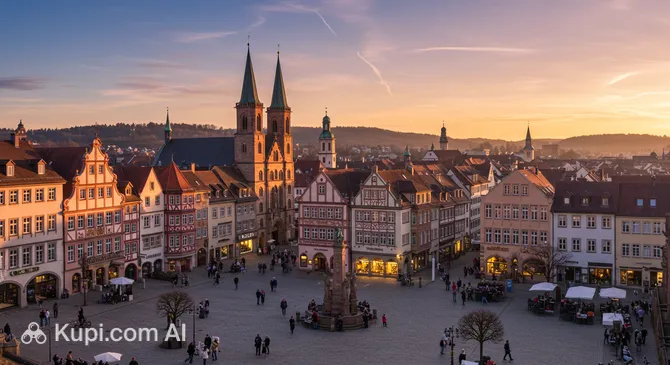
Nearby cities

Reached the end of the page?

That means the route is fully explored