Support

Sonneberg

About

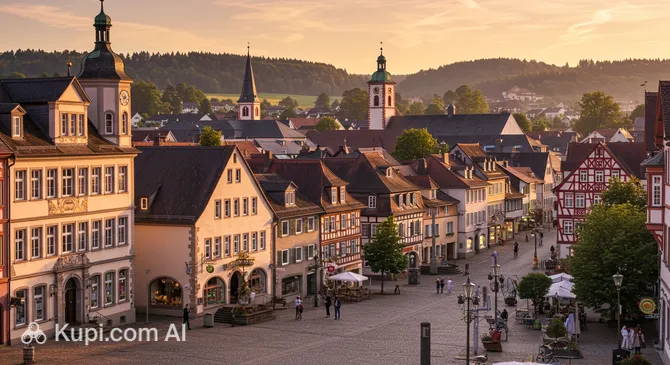
Sonneberg, often called the "World Toy Capital," is a charming town nestled on the southern slopes of the Thuringian Forest. Located on the border with Bavaria, this cozy corner of Germany attracts travelers with its unique atmosphere and picturesque landscapes.

Sonneberg. Illustration.
Source: Kupi.com AI

Despite its relatively small size and a population of about 24,000, the town holds significant cultural weight. The fascinating history of Sonneberg is inextricably linked with the development of doll-making and the toy industry, which for centuries shaped the economy and traditions of this region.

The town's main attraction is rightfully considered the German Toy Museum, which houses an impressive collection of exhibits from different eras. In addition, tourists are drawn to the local astronomical observatory and opportunities for active outdoor recreation, as the town is literally surrounded by lush forests. Sonneberg is a wonderful discovery for those who want to combine educational excursions with a relaxing holiday away from the noise of major cities.

Weather Overview

The climate in this region is temperate and is largely determined by its proximity to the Thuringian Forest, which makes the change of seasons quite pronounced here. Summer in the town is usually mild and comfortable, ideal for outdoor walks: in July and August, the average temperature is about 18°C, and during the day the air often warms up to 23°C.

Winters here are cool but, as a rule, without extreme frosts. In January and December, average figures stay at the level of 0°C — +1.5°C, although frosts are possible at night. A characteristic feature of the local climate is the fairly even distribution of precipitation throughout the year: the number of days with precipitation varies from 11 to 17 per month, so an umbrella or raincoat can come in handy in any season.

Expect a moderately warm summer and a cool winter with regular precipitation. To pack your suitcase correctly and choose the best dates for your trip, we recommend finding out in advance what weather in Sonneberg is expected during your visit.

Average monthly temperature

Average monthly precipitation

Interesting Facts

Beyond its famous status as the "city of toys," Sonneberg hides many curious details that make it a unique spot on the map of Thuringia. Here are a few facts that will let you look at this town from a new perspective:
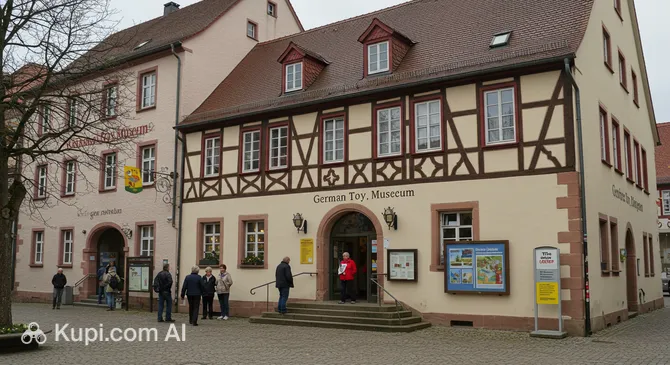
German Toy Museum. Illustration.
Source: Kupi.com AI

Traveler photos:

  • A Former Global Monopolist. At the beginning of the 20th century, this small town was a real industrial giant: before World War I, about 20% of all toys on the planet were produced here. To preserve this heritage, the German Toy Museum was created, the building of which is itself a Neo-Baroque architectural monument.

  • Stellar Archive. Sonneberg is known in scientific circles thanks to its observatory, founded by Cuno Hoffmeister. It houses one of the world's largest collections of astronomical photographic plates (more than 270,000 items), documenting changes in the starry sky over decades, making it invaluable to modern astronomers.

  • A Zoo in the Forest. The local Sonneberg-Neufang Zoo differs from typical zoological gardens in its concept. It is located in a picturesque forest area and specializes not so much on the exotic as on domestic animals and the fauna of its native region, allowing visitors to pet many of the inhabitants.

  • A Unique Dialect. Due to its geographical location on the border of Thuringia and Franconia, a special dialect called "Itzgründisch" formed in Sonneberg. It sounds so distinctive that even residents of neighboring German regions sometimes struggle to understand native Sonnebergers.

How to Get There

When planning a trip to Thuringia, it is important to think through your route in advance, as the town is located away from the main high-speed highways. You can find out more about how to get to Sonneberg to choose the most convenient mode of transport. Most often, tourists combine a flight or a high-speed train trip with a subsequent transfer via regional transport or a rented car.

There is no airport in the town of Sonneberg itself, so travelers usually fly into major air hubs in neighboring regions. The closest is Erfurt Airport (ERF) in Erfurt, which is about 70 km from Sonneberg. A trip from there by taxi or car will take about 2 hours. However, the number of flights here is limited.

A more popular option is Nuremberg Airport (NUE) in Nuremberg, located 96 km away. This is a medium-sized international airport that accepts many European flights. The road to Sonneberg will take approximately 2.5 hours. For intercontinental flights, Frankfurt Airport (FRA) in Frankfurt am Main—one of Europe's largest hubs, 190 km away—is best. The journey from there will take more than 3 hours, but it offers the widest choice of flights.

For clarity, here is a summary of the main airports:

AirportPassenger trafficDistance
Erfurt Airport138 00271 km
Nuremberg Airport4.0 mln96 km
Karlovy Vary Airport37 900126 km
Leipzig/Halle Airport2.2 mln139 km
Kassel-Calden Airport107 615172 km

Railway connections in Germany are excellent, but direct high-speed trains (ICE) do not stop in Sonneberg. It is most convenient to travel to major interchange stations in neighboring cities and then transfer to a regional express. The nearest large station is Erfurt Hauptbahnhof in the city of Erfurt (about 69 km from Sonneberg). Trains from all over Germany arrive here, and the further transfer takes about 1.5 hours.

Another important transport hub is Nuremberg Hauptbahnhof in Nuremberg, located 102 km away. This is one of Bavaria's key stations with a huge passenger flow, from where it is convenient to reach Sonneberg on regional trains running through the Franconian Forest.

Below are the nearest significant railway stations:

StationPassenger trafficDistance
Erfurt Hauptbahnhof16.8 mln69 km
Eisenach Hauptbahnhof1.8 mln91 km
Nuremberg Hauptbahnhof76.7 mln102 km
Leipzig Hauptbahnhof43.8 mln140 km
Kassel-Wilhelmshöhe Station10.9 mln161 km

Main Attractions

Sonneberg is a town where toy history intertwines with natural beauty and exciting discoveries. Despite its compact size, there are several iconic places that are definitely worth including in your travel itinerary, especially if you are planning a trip with the whole family.

The undisputed symbol of the city is the German Toy Museum. It is the oldest specialized museum in the country, located in a magnificent Neo-Baroque building. Its collection contains more than 100,000 exhibits—from antique dolls produced locally to toys from Ancient Egypt. Visitors can trace how play culture has changed over the centuries and admire the famous "Thuringian Fair" composition, which once won the Grand Prix at the World's Fair.

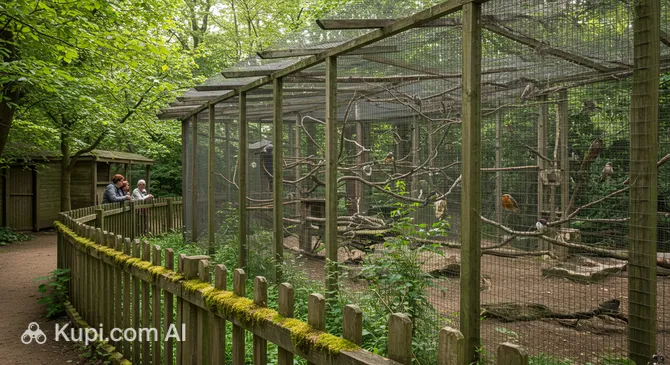
Sonneberg-Neufang Zoo. Illustration.
Source: Kupi.com AI

Traveler photos:

For lovers of the outdoors, the Sonneberg-Neufang Zoo is a real find. It is located in the picturesque Neufang district, right on the edge of the forest, creating a natural and peaceful atmosphere for walks. It is home to about 40 species of animals, including local forest inhabitants such as lynx and deer, as well as exotic birds. A special feature of the zoo is the contact zones where visitors are allowed to feed domestic animals with special food.

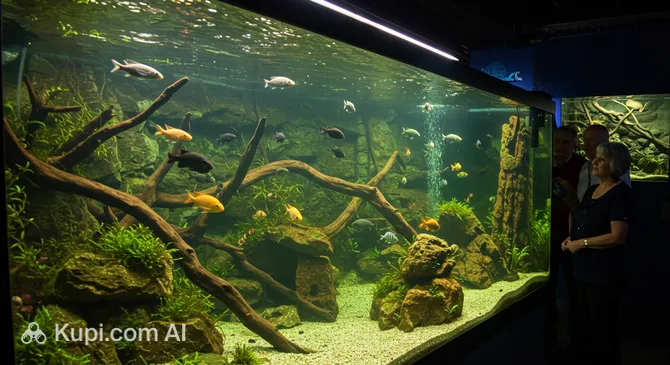
If you are interested in marine fauna and exotics, stop by the Nautiland Aquarium and Exotarium. This place allows you to immerse yourself in the underwater world right in the heart of Germany. Large tanks are home to sharks, moray eels, and colorful tropical fish, while a separate terrarium area is inhabited by various reptiles and insects. The exhibition is designed to create a sense of a real adventure among jungles and sea depths.

Local Cuisine

The gastronomic traditions of Sonneberg are inextricably linked to the culinary culture of Thuringia and neighboring Franconia. The local cuisine is famous for being hearty, simple, and for its love of meat dishes. People here don't count calories: the food should warm you up and give you strength, which is especially relevant after long walks in the forested surroundings of the town.

The main dish that every tourist must try is the famous Thuringian dumplings (Thüringer Klöße). These are not just a side dish, but a true pride of the region. They are prepared from a mixture of raw and boiled potatoes, often with crunchy croutons added inside. Traditionally, these large, soft dumplings are served with a thick meat gravy, beef roulades, or roasted duck. A local saying goes: "A Sunday without dumplings is not a real Sunday."

Another gastronomic symbol is the Thuringian roasted sausage (Thüringer Rostbratwurst). This dish has a protected geographical status and a centuries-old history. In Sonneberg, these sausages are grilled over charcoal and served in a sliced roll with local mustard. This is an ideal option for a quick and tasty snack outdoors or at the market square.

As for drinks, the proximity to Bavaria leaves its mark: quality beer is highly respected here. In local establishments, it's worth ordering a glass of refreshing pilsner or a dark schwarzbier, which is popular in this part of Germany. Among non-alcoholic drinks, "Apfelschorle"—a mixture of apple juice and sparkling water—is ubiquitous and perfectly quenches thirst.

The food culture in the town is diverse: from cozy family inns (Gasthaus) with wooden furniture to modern establishments. Residents appreciate not only German classics but also international cuisine. If you want variety and Mediterranean flavors, you can visit the Rhodos Restaurant, which offers Greek dishes. Lovers of spicy aromas and exotics should stop by Ganesha — Indian Restaurant, where traditional curries and tandoori breads are served.

Travel Tips

Sonneberg is a town with a steady pace of life and a special coziness typical of small German settlements. To ensure your trip to this picturesque corner of Thuringia is as comfortable as possible and free of unpleasant surprises, we have prepared a list of practical recommendations.

  1. Clothing and Footwear. Since the town is located on the slopes of the Thuringian Forest, the terrain is hilly, and streets in the historic center are often paved with cobblestones. Be sure to bring comfortable flat shoes—sneakers or walking boots. The weather can be changeable even in summer, so stick to the principle of layering in clothing and always have a light raincoat or umbrella with you.

  2. Transport. The historic center of Sonneberg is compact and most pleasant to explore on foot. For trips to outlying areas (for example, to the zoo in Neufang), you can use the city bus network. Apps like Uber are hard to find here, so if you need a taxi, it's best to ask a hotel staff member to call a car or find a taxi stand at the station.

  3. Finances. The official currency is the Euro. It is important to remember that Germany, especially in small towns, remains a cash country. While supermarkets and hotels accept Visa and Mastercard, small bakeries, souvenir shops, or museums may only accept cash or local EC-Karte. Always have a supply of banknotes and coins. Tips in restaurants are usually left in the amount of 5–10% or simply by rounding up the bill.

  4. Health and Safety. Sonneberg is a very quiet and safe town where you can walk even after dark. Pharmacies are marked with a red letter "A" (Apotheke). They usually work from 8:00 AM to 6:30 PM, but there is always one on-duty pharmacy open 24/7 (the address of the on-duty one can be found on the door of any closed pharmacy). The single emergency number is 112.

  5. Communication. The primary language is German. In tourist areas (museums, large hotels), staff generally speak English, but in small cafes or shops, you might not be understood. We recommend learning a few phrases in German or installing an offline translator on your phone. Free Wi-Fi is not available everywhere, so for a stable connection, it's better to buy a local prepaid SIM card (Prepaid) at supermarkets or mobile shops (passport required).

  6. Local Etiquette. When entering a small shop, cafe, or even an elevator, it is customary to say hello (the phrase "Hallo" or "Guten Tag" will be appropriate). Germans value personal space and silence, so try not to speak too loudly in public places. Punctuality is a way of life here, so it's better to arrive for excursions or meetings 5 minutes before they start.

  7. What to Avoid. Never walk on bicycle lanes—this can cause strong dissatisfaction among cyclists and even lead to a collision. Also, it is categorically not recommended to cross the road on a red light, even if there are no cars on the horizon: locals perceive this as a bad example for children and may point it out to you.

  8. Sunday Silence. Keep in mind that on Sunday in Germany, almost all shops are closed, including grocery supermarkets and pharmacies (except for those on duty). Only cafes, restaurants, museums, and some bakeries in the morning are open. Plan your grocery and souvenir shopping in advance—on Friday or Saturday.

We hope these tips help you feel at home in Sonneberg. Enjoy the atmosphere of the "toy capital," breathe the fresh forest air, and discover new facets of German hospitality!

Entertainment & Nightlife

Entertainment and Nightlife:

Sonneberg is a quiet and cozy town, so you shouldn't expect the boisterous nightlife of a metropolis with neon signs and lines for clubs. Evening leisure here is infused with traditional German "Gemütlichkeit" (coziness): locals prefer to spend time in colorful pubs (Kneipen) or restaurants, where dinner transitions smoothly into long conversations over a glass of beer or wine. Most activity is concentrated in the town center, in the station area and adjacent streets such as Bahnhofstraße.

The atmosphere in Sonneberg's establishments is very casual and relaxed. There is no strict dress code: casual style (jeans and a shirt or sweater) will be appropriate everywhere. The crowd consists mainly of locals of different ages and tourists who have come to enjoy the nature of Thuringia. Most establishments close fairly early compared to large cities—restaurant kitchens often stop serving by 9:00 PM–10:00 PM, although bars may stay open until midnight or a bit later on weekends.

Since there are few nightclubs in the traditional sense, the centers of evening attraction are gastronomic establishments with good bar menus. For example, the Rhodos Restaurant is very popular. This is a place with Greek flair where you can not only have a hearty dinner but also spend the evening in pleasant company, tasting Greek wines or ouzo. In the warmer months, it is especially pleasant to sit on the open terrace.

If you want to add a bit of exoticism and spicy aromas to your evening, Ganesha — Indian Restaurant is an excellent choice. This establishment is valued for its authentic atmosphere and quiet setting, conducive to a leisurely rest after a busy day. Groups of friends often gather here to share large portions of curry and naan bread.

Safety and Transport at Night: Sonneberg is an exceptionally safe town. You can safely walk around the center or return to your hotel on foot even late at night. The street crime rate here is near zero. However, it is worth considering a transportation nuance: public transport practically stops running at night. If your hotel is far from the center, write down the number of a local taxi service in advance, as hailing a car on the street or calling one through popular international apps can be problematic here.

Nautiland Aquarium and Exotarium. Illustration.
Source: Kupi.com AI

Traveler photos:

Daytime entertainment in the city also deserves attention and often echoes its "toy" status. In addition to visiting museums, an excellent option for a family holiday or a fun time with friends is the Nautiland Aquarium and Exotarium. This is not just a fish exhibition, but an entire entertainment complex where you can observe sharks, reptiles, and exotic insects in conditions that mimic their natural habitat. It is a wonderful alternative to walking in rainy weather.

For lovers of cultural leisure, there are several small galleries and venues in town where concerts and theatrical performances are held; it's best to look for information on posters in the town center. Prices for entertainment in Sonneberg remain very moderate: the average check for dinner with drinks will be about 20–30 euros per person, and entrance tickets to museums and entertainment centers rarely exceed 10–15 euros.

Parks & Museums

Sonneberg harmoniously combines the industrial heritage of the "world toy capital" with the natural charm of the Thuringian Forest. For travelers, this means the opportunity to alternate educational excursions to unique museums with relaxing walks among ancient trees and picturesque hills.

Green Zones and Nature Parks

The town is literally steeped in greenery, serving as the southern gateway to the Thuringian Forest Nature Park. This is an ideal place for fans of hiking and Nordic walking: numerous marked trails start practically from the town limits and lead deep into the forest. Here you can enjoy the purest air, silence, and panoramic views of the valleys, which are especially beautiful during the golden autumn season.

The Neufang district deserves special attention, where the Sonneberg-Neufang Zoo is located. This is not just a place for animal observation, but a full-fledged forest park area. The territory of the zoo is organically integrated into the natural landscape, allowing you to combine an introduction to the fauna with a pleasant walk under the shade of trees. There are also recreation areas here where locals like to spend weekends with their families.

Museums and Cultural Centers

The cultural dominant of the town is, of course, the German Toy Museum. Housed in a majestic Neo-Baroque building, it preserves the cultural code of the region. For tourists, it is interesting not only as a collection of dolls but as a historical chronicle showing the evolution of society through the prism of children's play. The exhibition covers the period from antiquity to the present, demonstrating the skill of local artisans who made Sonneberg famous throughout the world.

For those interested in nature in a more exotic form, the Nautiland Aquarium and Exotarium is open. This is a modern exhibition complex that acts as a living museum of biodiversity. Here you can see rare tropical fish, reptiles, and insects. This place is especially popular due to its educational program, which allows you to learn more about the fragile ecosystems of the seas and jungles.

Another important point on the cultural map is the Astronomy Museum at the Sonneberg Observatory. Although it is a bit away from the center, it is worth visiting for the history of astronomy and unique instruments. The observatory is known for its contribution to the study of variable stars, and a tour here will be a real gift for space enthusiasts.

Insider Tip

If you want to combine history with a walk in nature, climb up to the ruins of Sonneberg Castle (Burg Sonneberg) on Castle Hill. Little remains of the old fortress, but the area around it has been turned into a cozy observation deck. This is a quiet, non-touristy spot offering the best view over the roofs of the old town and the surrounding forests—an ideal location for sunset.

Getting Around

The transport system of Sonneberg perfectly reflects its status as a small, cozy town nestled on the slopes of the Thuringian Forest. There are no subways or trams here, and the primary means of transportation for locals and tourists are buses and regional trains. Due to the compactness of the historic center, many attractions are within walking distance of each other; however, for trips to outlying areas such as Neufang (where the zoo is located) or Oberlind, public transport is indispensable.

The city bus network is operated by the local operator OVG Sonneberg. Routes connect the central station (ZOB—central bus station) with residential neighborhoods and the surrounding area. It is important to know that Sonneberg is integrated into the Central Thuringian transport association—VMT (Verkehrsverbund Mittelthüringen). This means that uniform VMT fares and tickets apply to city and suburban bus routes, which is convenient when planning trips around the region.

The town has an interesting transport feature related to its geographical position on the border with Bavaria. Sonneberg's railway station is part of the Nuremberg transport association (VGN) fare zone. However, tourists should be careful: VGN tickets are valid only on regional trains running between Sonneberg and Bavarian cities (e.g., Coburg and Nuremberg). For city bus travel within Sonneberg, VGN fares do not apply—VMT rules or the local OVG operator's rules work here.

Payment for travel is carried out in several ways. For a single bus trip, it is easiest to buy a ticket from the driver upon boarding (it is recommended to have change as cards are not always accepted). Tickets can also be purchased at machines at the railway station or via mobile apps such as "VMT" or "DB Navigator." If you have the nationwide Deutschland-Ticket (for 49 euros), it is valid on all city buses and regional trains, eliminating the need to figure out fare zones.

An important tip on validation: if you bought a paper ticket from a machine or ticket office (not from a driver), it often needs to be stamped (entwerten) before starting the journey in special validators on the platform or inside the transport. A ticket bought directly from the bus driver is usually issued already activated. Bus schedules should be checked in advance: on weekdays, transport runs regularly, but on weekends and holidays, the intervals increase significantly.

As for alternative modes of transport, car-sharing services are practically non-existent in the town, and hailing a taxi on the street with a wave of the hand is not customary here. It is better to order a car in advance by phone through local dispatch services or look for a special taxi stand at the main station. Given the hilly terrain, cycling is popular here but requires effort, so renting an E-Bike is an excellent solution for a comfortable tour of the picturesque surroundings.

Accommodation

Sonneberg, being a small and cozy town, does not offer tourists huge hotel complexes of international chains or skyscrapers with panoramic suites. Instead, the hospitality sector here relies on traditional German coziness, a family atmosphere, and a personalized approach. The main housing stock consists of small private hotels, guest houses (Gasthaus), and pensions, where the owners often greet guests in person.

Areas to Stay

The choice of where to stay depends on the goals of your trip. If you are traveling without a car and want to be at the center of cultural life, it is best to look for accommodation in the historic center (Zentrum) or near the railway station. This will provide walking distance to the main attractions, such as the German Toy Museum, as well as shops and cafes. Staying here will allow you to be independent of bus schedules.

For those looking for peace and unity with nature, the outlying districts located higher up the slopes, such as Neufang, are an excellent option. Here you can rent a room in a guest house with a forest view or rent a holiday apartment (Ferienwohnung). This is an ideal choice for hiking enthusiasts, as the trails literally start at the doorstep.

Prices and Booking

The price range in Sonneberg can be characterized as moderate. The cost of living here is generally lower than in major German tourist centers like Munich or Nuremberg. Most offers belong to the budget and mid-range segments. There are no luxury five-star hotels in town, but the level of service in "three-star" establishments is usually very decent and tidy.

When planning your trip, consider seasonality. Although the town welcomes guests year-round, demand for accommodation increases during summer vacations and the Christmas holidays. We recommend booking rooms in advance—several weeks or even months ahead, especially if you have your heart set on a specific guest house with good reviews. You can do this through popular international online platforms or directly through the hotel websites, which sometimes allows you to get a better price or included breakfast.

Nearby Cities

For those who want to explore the surrounding area, Sonneberg serves as an excellent starting point for day trips to several interesting nearby locations. The region at the junction of Thuringia and Bavaria is rich in historical monuments and natural beauty.

Just 18 km from the town is the Bavarian city of Coburg, famous for its majestic Veste Coburg fortress, often called the "Crown of Franconia." This is one of Germany's largest surviving castle complexes, towering over the city. Also, it's worth taking a walk through the Market Square and visiting Ehrenburg Palace, the former residence of dukes.

Lovers of natural wonders will be interested in Saalfeld, located about 35 km away. Its main gem is the famous "Fairy Grottoes" (Feengrotten), listed in the Guinness World Records as the most colorful caves in the world. The underground tours here leave unforgettable impressions thanks to the whimsical stalactites and minerals.

Another worthy destination is Kulmbach, the unofficial "beer capital" of the region. The city is famous for Plassenburg Castle, which houses the world's largest tin soldier museum, and its rich brewing traditions, which you can learn about in the local museum.

CityPopulationDistance
Föritz8 7875 km
Neustadt bei Coburg15 2575 km
Rodental13 10714 km
Neuhaus am Rennweg9 07616 km
Coburg41 24918 km

These nearby destinations provide an insight into the diverse culture and landscapes of the region, making your journey through Thuringia and Franconia even more fulfilling.

Shopping & Souvenirs

Shopping in Sonneberg has its own unique character that distinguishes it from large commercial metropolises. People come here not for high fashion or luxury brands, but for soulful and authentic purchases closely tied to the city's history. Sonneberg, as the "World Toy Capital," offers tourists the opportunity to purchase unique handmade products, collectible items, and traditional Thuringian souvenirs. Shopping here is more an extension of cultural discovery than just a trip to the stores.

The town's main commercial life is concentrated in the center (Innenstadt) and the railway station area. The main artery for walking and shopping is Bahnhofstraße and its adjacent pedestrian zone. Here you'll find small clothing boutiques, bookshops, pharmacies, and cozy home goods stores. A stroll through this area allows you to combine architectural sightseeing with a leisurely selection of gifts.

For those who prefer a more concentrated shopping experience, the City Center Sonneberg shopping mall operates near the main station. This is a modern complex where supermarkets, electronics stores, drugstores, and popular clothing chain brands are gathered under one roof. It's a convenient place to buy everything you need in one spot if your time is limited.

The city markets deserve special attention. The weekly market at Bahnhofsplatz is a meeting place for locals where you can buy the freshest regional products: Thuringian sausages, cheeses, honey, and seasonal fruits. Leading up to Christmas, the town is transformed, and festive markets open, selling mulled wine, gingerbread, and, of course, handmade Christmas ornaments.

The choice of souvenirs in Sonneberg is obvious—toys. Be sure to look out for:

  • Teddy Bears. The town is famous for its traditions in making Teddy bears. There are workshops here (such as the famous Martin Bären manufactory) where you can buy a handmade collectible bear.
  • Model Railways. Sonneberg is the birthplace of the famous PIKO company. Model railway enthusiasts from all over the world come here to visit the flagship store and purchase train models and accessories.
  • Glass Ornaments. Proximity to the town of Lauscha, the birthplace of Christmas baubles, ensures a large selection of exquisite glass products in local shops.

A good place to look for themed souvenirs is also the museum shop, which can be visited after an excursion to the German Toy Museum. It often sells replicas of antique dolls and high-quality children's goods.

Opening hours of stores in Sonneberg follow general German standards. Large supermarkets and shopping centers are usually open from 8:00–9:00 AM to 8:00 PM from Monday to Saturday. Small private shops in the center may close earlier, around 6:00 PM, and have a lunch break. It's important to remember that on Sundays, all shops are closed, with the exception of some bakeries and shops at gas stations or the railway station.

Regarding payment, larger chains and shopping centers accept Visa and Mastercard without problems. However, in small souvenir shops, bakeries, or at the market, preference is often given to cash (Euro). We recommend always carrying a small supply of banknotes. Tourists from non-EU countries can use the Tax Free system (VAT refund) when purchasing goods above a certain threshold (usually 50 euros) in stores marked with the corresponding logo. Don't forget to ask for a Tax Free Form at the checkout.
Reached the end of the page?

That means the route is fully explored