Support

Offenburg

About

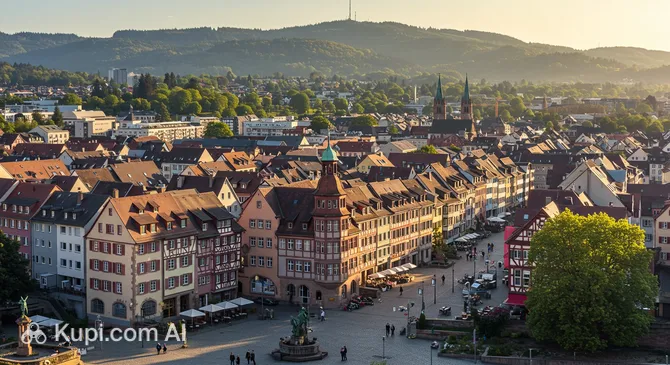
Offenburg is a cozy and picturesque city located in the southwest of Germany. It sits in the heart of the federal state of Baden-Württemberg, spread across the plains at the foot of the legendary Black Forest. The border with France is just a few kilometers away, giving this place a unique flair: here, German efficiency harmoniously intertwines with French charm.

Offenburg. Illustration.
Source: Kupi.com AI

Despite its relatively small size and population of around 60,000, Offenburg is an important administrative center for the Ortenau region. The city is not overwhelmed by the hustle and bustle of a metropolis, yet it is full of life. The rich history of Offenburg and its cultural heritage are reflected in its architecture, where historic buildings sit alongside modern designs, creating a pleasant and comfortable urban environment.

The city is particularly famous for its winemaking heritage: vineyards here often begin right at the city's edge, blending seamlessly into residential neighborhoods. Travelers can enjoy leisurely strolls through spacious squares, relaxation in green parks, and visits to numerous cozy cafes. Offenburg is an excellent choice for those who want to enjoy the calm atmosphere of the European province, discover the region's gastronomic traditions, and get a true taste of the country's south.

Weather Overview

The climate of Offenburg, located in the Rhine Valley, is considered one of the mildest and most favorable in the region. Thanks to its lucky geographical location, extreme temperature swings are rare, making the city comfortable to visit at any time of year. Expect warm summers with occasional rain and cool, relatively humid winters without severe frosts.

The summer season, especially July and August, delights travelers with warmth: the average temperature is about 20.6°C, and during the day, the air often warms up to a comfortable 25.6°C. However, it's worth remembering that even in the sunniest months, precipitation is possible — an average of 12 to 14 rainy days are recorded. Winters here are mild: in January, the thermometer rarely drops below 0.5°C at night, and the average daytime temperature stays around 3–5°C. December is considered the cloudiest month, when the number of days with precipitation can reach 18.

Spring and autumn in Offenburg are times of smooth transitions. As early as May, the average temperature rises to 14.1°C, and September often provides an "Indian summer" with averages around 16.5°C. To ensure your trip is as comfortable as possible and you aren't caught off guard by rain, we recommend checking the current weather in Offenburg for your travel dates before packing.

Average monthly temperature

Average monthly precipitation

Interesting Facts

Beyond its main attractions, Offenburg holds many fascinating secrets and unique traditions. This city knows how to surprise even experienced travelers with its non-obvious symbols and famous natives.

  • The region's wine capital. Offenburg is considered the heart of the Ortenau wine region. The city is surrounded on three sides by picturesque vineyards, and it is from here that Baden's famous wine routes begin. Local wines regularly win prestigious awards, and themed festivals attract wine connoisseurs from all over Europe.

  • Symbol of luck. The crow has become the city's unofficial patron. This image is found everywhere: in souvenir shops, city decor, and street art. Residents believe these birds bring good luck, and there is even a special crow-themed carousel in one of the squares, which is very popular with children.

  • Fashion heritage. The city is inextricably linked with the name of the legendary entrepreneur Aenne Burda, founder of the famous publishing house and magazine Burda Moden. Thanks to her influence, Offenburg gained the status of the region's unofficial fashion capital, becoming the birthplace of one of the world's most famous fashion publications.

  • Living history. The historic city center, especially the Alter Marktplatz square, is the hub of public life. The old town hall and atmospheric fountains have been preserved here, and the square itself serves as a venue for city festivals and colorful fairs, preserving the spirit of old Germany.

How to Get There

When planning a trip to this picturesque corner of Baden-Württemberg, it is important to think through the logistics in advance. Thanks to its favorable geographical position on the border with France and its developed transport network, getting here is quite easy. You can learn more about how to get to Offenburg by studying various routes, but most often tourists choose a combination of air travel and train.

Offenburg itself does not have its own airport, so travelers usually fly into neighboring large cities or even neighboring France. One of the most convenient options is Strasbourg Airport (IATA: SXB). It is located in the French city of Strasbourg, just 25 km from Offenburg. This is the nearest air hub, and a taxi or transfer will take about 40–50 minutes.

Another popular option for those looking for budget flights or traveling within Germany is Baden-Airpark (IATA: FKB). Technically it belongs to the Karlsruhe region, but it is very close, about 35 km from Offenburg. Travel time by car is approximately 45 minutes. You should also consider Stuttgart Airport (IATA: STR) — a major international hub located in Stuttgart (about 95 km from Offenburg). Getting here takes longer, about 1.5–2 hours, but the choice of flights is significantly wider.

For clarity, here is a summary of the main airports convenient for reaching the region:

AirportPassenger trafficDistance
Strasbourg Airport1.3 mln25 km
Baden-Airpark1.8 mln35 km
Stuttgart Airport9.1 mln95 km
EuroAirport Basel-Mulhouse-Freiburg8.1 mln103 km
EuroAirport Basel Mulhouse Freiburg8 mln103 km

Railway connections in this region are excellent. Offenburg is an important railway junction where high-speed ICE trains stop. However, if you are traveling from afar with transfers, your key transit points might be large nearby stations.

For example, many tourists arrive via Strasbourg Station (IATA: XWG). It is located in the French city of Strasbourg, about 20 km from Offenburg. This is one of the region's largest transport hubs with a huge passenger flow, from where it is easy to transfer to a local train or bus to Germany. Another important hub is Karlsruhe Hauptbahnhof (IATA: KJR) in the city of Karlsruhe (about 67 km from Offenburg). Trains from all over Germany arrive here, and the onward journey to Offenburg takes less than an hour.

Below is a table of the nearest major railway stations that may be useful for planning your route:

StationPassenger trafficDistance
Strasbourg Railway Station23.9 mln20 km
Baden-Baden Railway Station2.2 mln39 km
Karlsruhe Hauptbahnhof21.9 mln67 km
Bruchsal6.4 mln86 km
Stuttgart Hauptbahnhof80.3 mln97 km

Main Attractions

Offenburg offers travelers a harmonious blend of historical heritage and modern leisure infrastructure. A walk through the city is a journey through time, where Baroque facades stand next to new architectural solutions, and cozy museums are complemented by active recreation areas.

The heart of the city and the starting point for many excursions is the Historical Town Hall. This magnificent Baroque building, built in the 18th century, adorns the main square and serves as a symbol of the city. Nearby, you can see a column with a statue of Saint Ursula, the patron saint of Offenburg. History buffs should also visit the Museum im Ritterhaus. Located in a former knight's manor, it houses a rich collection of exhibits telling the region's story from Roman times to the present day, alongside interesting natural history exhibitions.

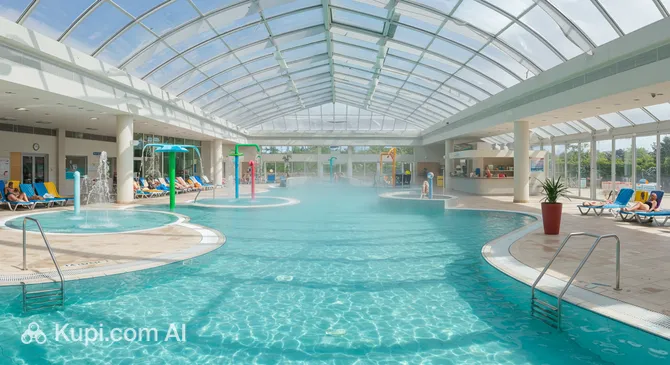
Stegermatt Leisure Pool. Illustration.
Source: Kupi.com AI

Traveler photos:

For those who prefer water activities and wellness, the Freizeitbad Stegermatt is a real find. This modern water and wellness complex is ideal for both families with children and spa enthusiasts. It features outdoor and indoor pools, various slides, and an extensive sauna area where you can relax after long walks through the city.

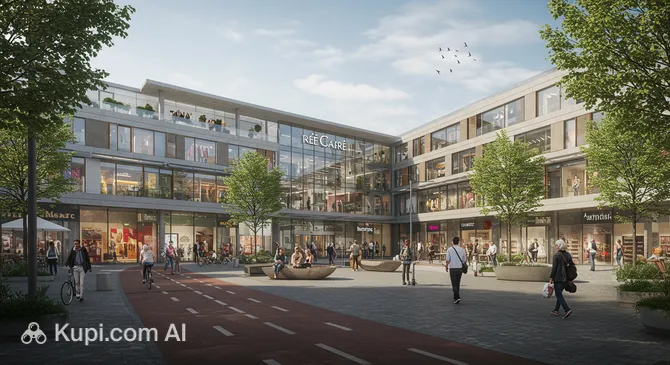
Fans of modern urban comfort and shopping should visit the Rée Carré district. This new shopping and leisure center has become an important part of the urban environment, successfully fitting into Offenburg's architectural appearance. It concentrates fashion stores, cozy coffee shops, and relaxation zones, making it a popular meeting place for both locals and tourists wanting to feel the rhythm of modern city life.

Local Cuisine

Offenburg's gastronomic scene is a true feast for foodies, where the hearty traditions of German Baden harmoniously intertwine with the refined notes of neighboring French Alsace. People here love to eat well and know their wine, so getting to know the city is impossible without tasting local specialties.

The main dish that is a must-try is Flammkuchen. This ultra-thin, crispy flatbread topped with sour cream, onions, and bacon is often called "German pizza," although its taste is completely unique. Flammkuchen pairs perfectly with the region's main beverage — local wine. Offenburg is surrounded by vineyards, and a glass of cool Riesling will be the best addition to lunch or dinner in one of the many wine taverns.

Sweet tooths shouldn't leave without trying the famous Black Forest Cake (Schwarzwälder Kirschtorte). This dessert with whipped cream, chocolate sponge, and cherry infusion is prepared here according to authentic recipes. To enjoy local cuisine in a cozy atmosphere, you can visit Brasserie Engel, which serves dishes reflecting the culinary spirit of the region.

Markets and street food hold a special place in the food culture. The Offenburger Wochenmarkt is not just a market, but a real gastronomic event where farmers offer the freshest cheeses, homemade sausages, and seasonal vegetables. Throughout the year, the city comes alive with food festivals and "wine weeks," when the air is filled with the aromas of grilled sausages, fresh pastries, and young wine, creating a unique atmosphere of comfort and fun.

Travel Tips

A trip to Offenburg promises to be peaceful and rewarding, but to ensure everything goes smoothly, it is worth considering a few local specifics. We have gathered a list of useful recommendations to help you feel confident in this cozy corner of Germany and avoid typical tourist mistakes.

  1. Clothing and Essentials. The climate in the Rhine Valley is quite mild, but the weather can be changeable. The best principle for dressing here is "layering." Even in summer, it's worth bringing a light jacket or sweater for the evenings. Be sure to bring an umbrella or raincoat, as rain is not uncommon. For walking on the cobblestones of the historic center and the trails among the vineyards, choose the most comfortable flat-soled shoes.

  2. Transport. Offenburg's historic center is compact and best explored on foot. For trips to the surrounding area, there is an excellent network of public transport (buses and regional trains). We recommend installing the DB Navigator app for planning routes and buying tickets. Taxis can be found at special ranks (e.g., at the station) or called by phone, but it is not cheap; hailing a car on the street is not common practice here.

  3. Finances. The currency is the Euro (€). Despite progress, Germany remains a country that loves cash (Bargeld). In large supermarkets and hotels, cards are accepted without issues, but in small bakeries, snack kiosks, or souvenir shops, card payment may be unavailable or only possible above a certain amount (e.g., 10-15 euros). Always carry a supply of small bills and coins. Tips (Trinkgeld) are usually 5–10% of the bill or simply rounded up.

  4. Health and Safety. Offenburg is a safe city, but standard precautions apply, especially near the station at night. Pharmacies (Apotheke) are easily recognized by the red letter "A". Note that on Sundays and holidays, only emergency pharmacies are open (the address of the duty pharmacy is usually posted on the door of any closed pharmacy). The emergency number is 112.

  5. Communication. The official language is German. Many locals, especially young people and tourism workers, speak English well. However, if you start a conversation with a polite "Guten Tag" (Good day) or "Hallo", it will make a good impression. Free Wi-Fi is often available in the city center and cafes, and for constant connectivity, you can buy a prepaid SIM card at supermarkets (e.g., Aldi or Lidl), but a passport is required for registration.

  6. Local Etiquette. It is customary to greet the salesperson when entering a small shop. In restaurants, you may sit with strangers at shared long tables (often found in beer gardens) after asking for permission, but don't force a conversation. Sunday (Sonntag) is a sacred day of silence and rest: shops are closed, and making noise (e.g., listening to loud music) is considered bad manners.

  7. What to Avoid. Never walk on the bike lanes! They are usually marked by color or lines on the sidewalk. Cyclists ride fast and expect a clear path, so it is a matter of both politeness and your safety. Also, do not cross the street on a red light, even if there are no cars — locals take rules very seriously, and you may face disapproval.

  8. Extra Tip: KONUS Card. If you are staying in official hotels or guesthouses in Offenburg and the Black Forest region, ask at reception about the KONUS-Gästekarte. Often it is provided for free upon check-in and entitles you to free travel on buses and trains (except high-speed ICE/IC) throughout the Black Forest region. This is a great way to save on trips to neighboring towns.

We hope these tips help you settle into Offenburg quickly and focus on the most important thing — enjoying the beautiful architecture, the taste of local wines, and the hospitality of the people of Baden. Have a great trip!

Entertainment & Nightlife

Entertainment in Offenburg is characterized by a measured and calm pace, perfectly matching the spirit of this cozy German city. You won't find noisy metropolitan parties here, but you can enjoy high-quality relaxation that combines urban comfort with proximity to nature.

For those looking to combine a walk with shopping, the Rée Carré is the center of attraction. This modern space is not just a shopping center, but an entire district with shops, cafes, and relaxation areas. The complex's architecture fits harmoniously into the urban landscape, creating a pleasant atmosphere for a leisurely promenade and shopping.

Rée Carré. Illustration.
Source: Kupi.com AI

Traveler photos:

If you are looking for active recreation or want to unwind after a busy day of sightseeing, a visit to the Freizeitbad Stegermatt is an excellent option. This water and wellness complex offers fun for the whole family: from sports pools to relaxation zones where you can recharge your batteries and rest both soul and body.

The city's evening life is traditionally focused on gastronomy. Dinner in pleasant company is one of the main leisure activities for locals. To experience the atmosphere of the region, it's worth visiting an establishment like Brasserie Engel, where you can enjoy local dishes in an authentic setting. And if you want to switch culinary scenes to Italian, the hospitable Pizzeria La Famiglia will delight you with delicious pizza and home-like comfort.

Parks & Museums

Offenburg delights guests with a harmonious combination of well-kept green areas and a rich cultural life. The city, nestled in the greenery of vineyards and parks, carefully preserves its historical heritage while offering tourists relaxation that inspires and enriches knowledge.

Among the natural oases, Zwingerpark holds a special place. Located along the old city fortifications, it is a picturesque green ribbon encircling the historic center. Here, centuries-old trees provide pleasant shade, and walking paths lead past ancient walls, allowing you to enjoy peace and quiet in the heart of the city. Another popular zone is Bürgerpark — a modern public space for relaxation. It is an ideal spot for family leisure, featuring spacious lawns, sculptures, and convenient picnic areas.

For those who love relaxing by the water, Lake Gifiz (Gifizsee) is a real find. This natural area on the outskirts of the city attracts locals and tourists with the opportunity to swim in clean water, walk along forest trails around the reservoir, or simply sunbathe on the equipped beach during warm summer days.

Offenburg's cultural map is equally diverse. The primary repository of history is the Museum im Ritterhaus. It occupies a majestic 18th-century building and offers visitors a rich exhibition: from Roman archaeological finds to sections dedicated to the nature of the Black Forest and the region's geology. This place will be of interest to anyone wanting to gain a deeper understanding of the history of the Baden land.

Special attention should be given to Salmen — a building of national historical significance. It was here in 1847 that the "Demands of the People of Baden" were proclaimed, forming the foundation of democracy in Germany. Today, it is a modern museum and memorial complex where multimedia exhibitions tell the engaging story of the struggle for freedom and civil rights.

Connoisseurs of beauty should visit the Städtische Galerie, located in the cultural forum. The gallery specializes in contemporary art, regularly presenting works by prominent regional artists and international projects. As an insider tip, we recommend visiting the Vinzentiusgarten. This small hidden garden on a hill not only charms with the scents of herbs and flowers but also offers a magnificent panoramic view over the rooftops of the old town.

Getting Around

The public transport system in Offenburg is highly efficient and punctual, although the city itself is compact enough that many attractions are easily explored on foot. The core of intra-city travel is provided by buses known as the Stadtbus. The route network is designed on a radial principle: most lines converge at the central railway station (Hauptbahnhof) and the adjacent bus station (ZOB). This makes it easy to transfer from trains to buses and reach outlying districts or hotels.

There is no metro or tram in the city, but the bus service fully covers the needs of residents and visitors. Buses run from early morning until midnight, though it's worth noting that intervals increase in the evenings and on weekends. To plan your trips, it's most convenient to use the DB Navigator mobile app or the local transport association's app, where you can build routes in real time.

Offenburg is part of the TGO (Tarifverbund Ortenau) tariff association. This means there is a unified ticket system for buses and regional trains within the zone. For tourists, day passes (Tageskarte) are often the most advantageous option, allowing unlimited travel for 24 hours. A single ticket (Einzelfahrkarte) is worth buying if you only plan one short trip. The approximate cost of a single trip within the city is around €2.50–€3.00.

Tickets can be purchased at machines at the station (which have multilingual interfaces), from bus drivers (it's advisable to have small change), or via mobile apps, which is often slightly cheaper and more convenient. If you buy a paper ticket from a machine without a printed date, don't forget to validate it before starting your journey in the special validators located on platforms or inside buses. Fines for fare evasion (Schwarzfahren) are quite substantial here.

A key feature for travelers staying in city hotels is the KONUS-Gästekarte. Usually, you receive this for free upon checking into your hotel. This card serves as a travel pass for all buses and regional trains (except high-speed ICE/IC) not only in Offenburg but throughout the entire Black Forest region. Be sure to check for this option at reception, as it can significantly save your transport budget.

A popular alternative to public transport is the bicycle. Offenburg is a very bike-friendly city with flat terrain and a developed network of cycle paths. There is a bike station (Radstation) at the railway station where you can rent a bicycle for the day or a few hours. Taxis can be found at designated ranks, especially at the station and in the center, or called by phone; hailing a car simply by raising your hand on the street is difficult here. Taxi apps work but often redirect to official taxi fleet services.

Accommodation

Where to stay:

Offenburg offers travelers a balanced choice of accommodation, ranging from cozy family pensions to modern hotels oriented toward business people and tourists. Since the city is not a mass-market resort, it is difficult to find huge five-star luxury complexes here. The hotel stock primarily consists of mid-range hotels, traditional German guesthouses (Gasthäuser), and functional budget hotels. In recent years, renting private apartments has also gained popularity, which is particularly convenient for families and groups.

When choosing a neighborhood, you should focus on your trip's purpose. The most popular area remains the historic center (Innenstadt). By staying here, you will be in the middle of the action, close to shops, restaurants, and architectural monuments. For those planning to use Offenburg as a base for day trips around the Black Forest region or to Strasbourg, hotels near the train station are an ideal option. This is a strategically convenient location that saves time on transfers.

Accommodation prices in the city can be described as moderate, especially compared to neighboring Baden-Baden or large metropolises. You will find decent options in both the budget and mid-price segments. Booking is available through all major international online platforms, as well as directly on hotel websites.

Booking tip: Offenburg is not only a tourist city but also an exhibition city (Messe Offenburg). During major fairs, as well as during wine festivals in late September, demand for housing rises sharply, and prices go up. Therefore, we strongly recommend booking your room in advance, preferably several weeks or even months before your planned visit, to guarantee the best value for money.

Nearby Cities

For those looking to explore the surrounding area, Offenburg serves as an excellent starting point for day trips to several interesting nearby locations:

CityPopulationDistance
Appenweier10 2568 km
Gengenbach11 0238 km
Willstatt9 9859 km
Neuried8 64310 km
Friesenheim13 41212 km

Among the listed options, Baden-Baden stands out. This world-famous resort attracts tourists with its thermal springs, magnificent parks, and one of the most beautiful casinos in the world. A trip here provides a sense of luxury and tranquility, allowing you to enjoy Belle Époque architecture.

Another interesting destination is Kehl, located right on the banks of the Rhine. It is called the "gateway to France" because it is connected to Strasbourg by a pedestrian bridge. Here you can stroll along the promenade, visit the "Garden of Two Shores," and cross the border between two states literally in a few minutes on foot.

It is also worth paying attention to Lahr, a picturesque town at the foot of the Black Forest. It is famous for its historic center with half-timbered houses and its renowned autumn chrysanthemum festival, when the city streets are buried in thousands of flowers, creating a unique festive atmosphere.

These nearby destinations offer a glimpse into the diverse culture and landscapes of the region.

Shopping & Souvenirs

Shopping in Offenburg is a pleasant and relaxed activity, devoid of the bustle of giant metropolises. The city is known for its "short distances" concept, making a shopping stroll comfortable and untiring. There is a harmonious blend of well-known international brands and small family boutiques run by locals for generations. Offenburg is often called the commercial center of the Ortenau region, attracting not only locals but also residents from neighboring villages and even guests from nearby France.

The heart of the city's commercial life is the pedestrian zone in the historic center. The main shopping artery is Hauptstraße. Strolling along it, you will find many shops for clothing, shoes, perfumes, and accessories. Don't limit yourself to the main street: be sure to turn into the side streets like Metzgerstraße or Steinstraße. It is here, in renovated historic buildings, that unique specialty shops, bookstores, and boutiques with designer goods are hidden, giving shopping in Offenburg its special charm.

For those who prefer modern shopping formats, the main point of attraction is the Rée Carré district. This is the newest open-air shopping center, which has successfully integrated into the city's architecture. It features over 20 stores offering everything from youth fashion and electronics to cosmetics and home goods. The spacious area of the center is perfect for leisurely shopping, and the presence of gastronomic zones allows for a pleasant coffee break.

The city's markets provide a special atmosphere. The most famous is the Weekly Market (Wochenmarkt), which takes place in the central Market Square and by the Town Hall on Tuesday and Saturday mornings. It is a true paradise for gourmets: farmers from the Ortenau region bring the freshest vegetables, fruits, homemade cheeses, honey, and flowers. Visiting the market is not just about buying groceries; it's an important social ritual that lets you immerse yourself in the authentic life of the city.

When choosing souvenirs, pay attention to the region's gastronomic riches. Offenburg is surrounded by vineyards, so a bottle of local Riesling or Spätburgunder makes an excellent gift. Fruit schnapps (Obstler) and the famous Black Forest ham are also popular. Given the proximity to the Black Forest (Schwarzwald), souvenir shops offer traditional cuckoo clocks, carved wooden items, and, of course, everything related to the city's symbol — the crow.

When planning your shopping trip, keep in mind typical German working hours. Large department stores and chain stores in the center are usually open from 09:30 or 10:00 until 19:00 or 20:00 on weekdays and Saturdays. Small boutiques may close earlier, around 18:00, and sometimes have a lunch break. Important to remember: on Sundays (Sonntag), all shops, including grocery supermarkets, are closed. The only exceptions are small kiosks at the train station or gas stations.

Regarding payment, Germany is gradually moving toward cashless payments, but cash (Bargeld) is still highly valued. In large centers and supermarkets, Visa and Mastercard are accepted without issues, however, in small bakeries, at the market, or in souvenir shops, you might be asked for cash or they may only accept local EC cards. Tourists from non-EU countries can use the Tax Free system. Look for the "Global Blue" or "Tax Free Shopping" logo in windows and, when purchasing over a certain amount (usually starting from 50 euros), ask for a special check to claim a VAT refund when leaving the country.
Reached the end of the page?

That means the route is fully explored