Support

Oranienburg

About

Oranienburg is a charming city nestled on the banks of the Havel River, just 35 kilometers north of Berlin. It is a true oasis of tranquility, where ancient streets harmoniously coexist with well-maintained parks, and historical buildings are integrated into the modern rhythm of life. Thanks to its convenient location, Oranienburg is easily accessible by both train and car, making it an excellent choice for a day trip or a leisurely weekend.
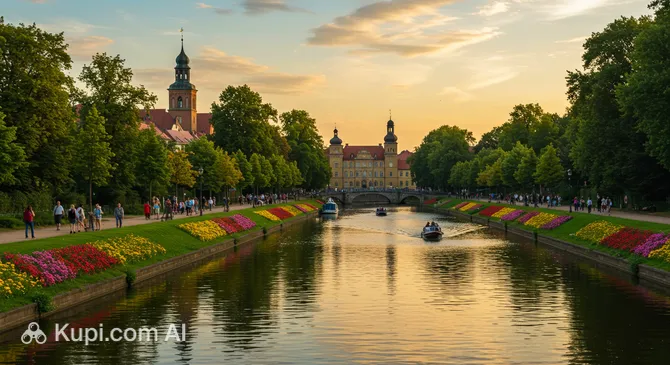
Oranienburg. Illustration.
Source: Kupi.com AI

With a population of about 46,555 people, Oranienburg retains the charm of a small town while serving as an important administrative center of the state of Brandenburg in Germany. The city's compact size allows travelers to enjoy leisurely walks, discovering cozy cafes, local shops, and cultural corners, as well as experiencing the hospitality of the locals.

The city is famous for its unique blend of architectural styles. Here you can admire the Baroque splendor of Oranienburg Palace, the austere lines of Protestant churches, and charming half-timbered houses. The atmosphere of Oranienburg invites contemplation and relaxation – here you will feel time slow down as every day is filled with new discoveries.

Oranienburg is definitely worth a visit for those who appreciate history, architecture, and nature. In addition to famous museums and picturesque parks, amazing local traditions and gastronomic delights await you, capable of pleasantly surprising any visitor. Come to Oranienburg to immerse yourself in its unique atmosphere and discover another beautiful corner of Europe!

More interesting facts can be found on the page about the history of Oranienburg.
Weather Overview

When planning a trip to Oranienburg, expect warm summers with temperatures in July and August averaging around 19-20°C (maximum values can reach 23-24°C) and periodic rain. Winters here are cool, with an average January temperature around 2.4°C and moderate precipitation, although with a higher number of overcast or rainy days (averaging 13-14 per month). The annual amount of precipitation is low, usually around 1-2 mm per month, but it is distributed fairly evenly. For detailed information on weather conditions, including monthly data, we recommend visiting the Oranienburg Climate page.

Average monthly temperature

Average monthly precipitation

Interesting Facts

In addition to its famous attractions, Oranienburg hides many curious stories and details that make it truly unique. Ready to learn a few of them?

Oranienburg Palace. Illustration.
Source: Kupi.com AI

Traveler photos:

  • Named After a Princess: The city received its current name thanks to the Dutch Princess Louise Henriette of Orange, wife of Elector Friedrich Wilhelm. It was she who was enchanted by this area and initiated the construction of a palace here, which became her favorite residence and gave a new name to the settlement then known as Bötzow. This majestic Oranienburg Palace remains one of the city's main gems today.

  • Ancient Roots: The history of Oranienburg dates back to the 13th century. Initially, a Slavic settlement called Botzowe was located here, later renamed Bötzow. Even then, a fortress was built on an island in the Havel River to guard an important crossing; its first written mention dates back to 1288.

  • Oldest Baroque Palace in Brandenburg: Oranienburg Palace is not just an impressive structure but also the oldest Baroque-style palace in the entire federal state of Brandenburg. Its construction began in the 17th century on the foundations of an earlier hunting lodge, and elements of the 16th-century Renaissance style can still be traced in its architecture.

  • A Green Oasis: Oranienburg boasts an abundance of green zones, parks, and picturesque landscapes, making it a favorite spot for cyclists and hikers. Oranienburg Castle Park is particularly popular, serving as a wonderful place for relaxation, picnics, and photoshoots surrounded by nature.

How to Get There

Getting to the city of Oranienburg is quite simple due to its proximity to the capital. The city is integrated into the transport network of the Berlin-Brandenburg region in Germany, allowing tourists to choose between air travel, rail, or a car trip. You can find out more about how to get to Oranienburg and choose the most convenient route on a dedicated page.

For travelers preferring air travel, the main hub is Berlin Brandenburg (BER). There is no airport in Oranienburg itself, but this major international hub is located in Berlin, just 47 km from the city center. A taxi or rental car ride takes about 1 hour. It is also convenient to get from the airport by direct regional train or by transferring to the S-Bahn city train.

Alternatively, you could consider Leipzig/Halle Airport (LEJ), located in Leipzig. It is much further away — about 164 km from Oranienburg. Travel time by car is about 2–2.5 hours. This option might be convenient if you plan to travel through several regions of the country.

For clarity, here is summary information on the nearest airports:

AirportPassenger trafficDistance
Berlin Brandenburg25.5 mln47 km
Heringsdorf Airport19 543139 km
Goleniow Airport483 000144 km
Laage Airport148 000145 km
Leipzig/Halle Airport2.2 mln164 km

Rail connection is one of the most popular ways to reach the region. The nearest major transport hub is Berlin Hauptbahnhof (QPP), located in the center of Berlin, about 27 km from Oranienburg. Regional trains and the city S-Bahn (line S1) run regularly from Berlin's main station to Oranienburg station, with travel times ranging from 30 to 45 minutes.

Another convenient option is the Berlin Zoologischer Garten (QWC) station, located 28 km from Oranienburg. This is an important transport hub in the western part of the capital, from where it is also easy to reach the destination via public transport.

Below is information about the nearest major railway stations:

StationPassenger trafficDistance
Berlin Hauptbahnhof127.8 mln27 km
Berlin Zoologischer Garten Station36.5 mln28 km
Berlin Ostbahnhof Station36.5 mln30 km
Halle (Saale) Railway Station12.8 mln115 km
Leipzig Hauptbahnhof43.8 mln164 km

Main Attractions

Oranienburg, a small but charming city in the state of Brandenburg, offers its guests several interesting places worth visiting. Among them are historical monuments and modern recreation areas capable of satisfying various traveler interests.

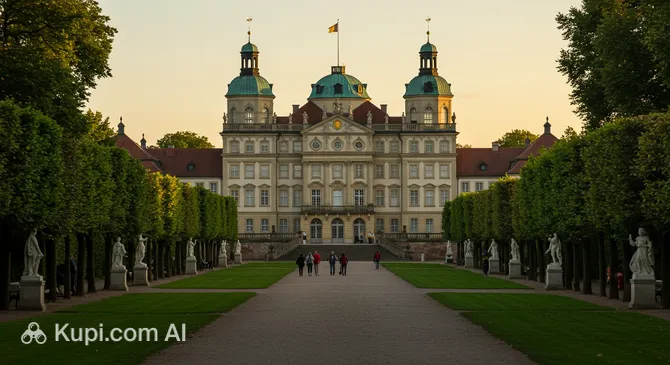
The key attraction of the city is the magnificent Oranienburg Palace. This is the oldest Baroque palace in all of Brandenburg, named after Louise Henriette of Orange-Nassau, the first wife of Elector Friedrich Wilhelm. The palace attracts tourists with its rich history dating back to the 17th century, exquisite architecture, and beautifully preserved interiors. Today, its walls house museums that tell the story of the palace and the region. A visit to Oranienburg Palace is a unique opportunity to touch the past and enjoy the atmosphere of an electoral residence.

Oranienburg Palace. Illustration.
Source: Kupi.com AI

Traveler photos:

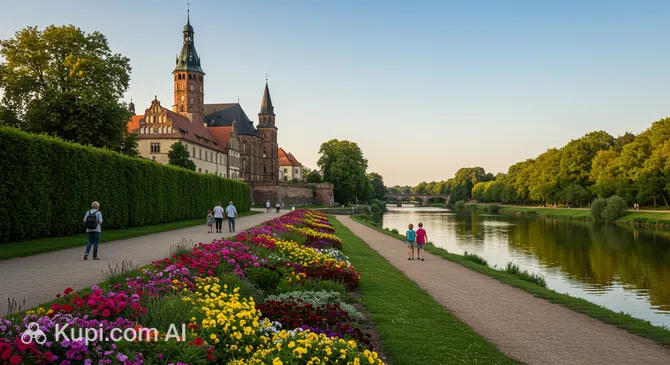
An integral part of the palace ensemble and a wonderful addition to it is Oranienburg Castle Park. This extensive and well-kept park, sprawling around the palace, is an ideal place for leisurely walks and outdoor relaxation. Guests can admire landscape design elements, rest by the water, or simply enjoy the peace and quiet away from the city bustle. Oranienburg Castle Park is especially beautiful during the warm season when everything is lush with greenery and bright flowers, creating picturesque landscapes.

Oranienburg Castle Park. Illustration.
Source: Kupi.com AI

Traveler photos:

For those interested in modern leisure and shopping opportunities, Oranienpark is worth noting in Oranienburg. This is a large and modern shopping center offering visitors a wide selection of various brand stores, cozy cafes and restaurants, as well as various service points. Although Oranienpark is not a historical attraction in the traditional sense, it plays an important role in city life, providing residents and visitors with excellent opportunities for shopping and spending pleasant time.

Oranienpark. Illustration.
Source: Kupi.com AI

Traveler photos:

Local Cuisine

The gastronomic scene in Oranienburg will delight connoisseurs of traditional German cuisine with distinct Brandenburg regional characteristics. Seasonal products are highly valued here: in spring, the famous white and green asparagus graces the tables; in summer, there is an abundance of fresh mushrooms and wild berries; and in autumn, it is time for hearty game dishes. The city's cuisine has also absorbed Dutch and Prussian culinary traditions, which manifests in delicate cream soups and fragrant fruit and curd cakes.

Be sure to try iconic dishes in Oranienburg such as "Königsberger Klopse" — appetizing meat dumplings in a piquant white sauce with capers — and tender fried pike-perch, caught in the region's pristine lakes. Other local delicacies worth mentioning include homemade sausages, smoked fish, and a variety of pickled vegetables that perfectly complement any meal.

Regarding drinks, as in all of Germany, quality beer is highly respected here. During city fairs, such as wine festivals, you can also taste local wines. Popular non-alcoholic options include freshly squeezed juices, especially from local apples, pears, and cherries, as well as traditional German "Schorle" — juice diluted with mineral water.

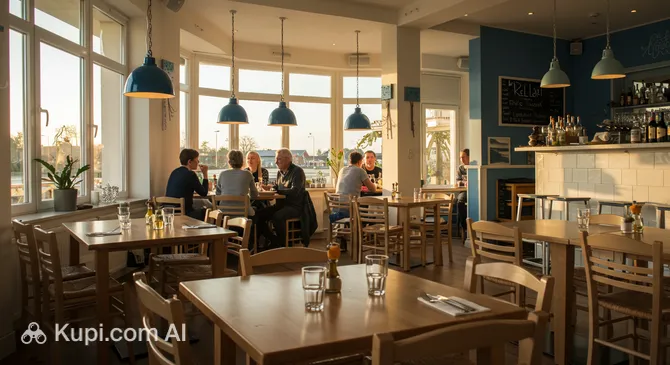
Locals and tourists in Oranienburg prefer to lunch and dine in cozy cafes and restaurants that serve both classic dishes and modern interpretations. One such place where you can get acquainted with the local cuisine is Restaurant Kellari. Also, don't miss the opportunity to visit the weekly farmers' markets. Here you can purchase the freshest products from local producers: homemade cheeses, honey, fragrant pastries, and seasonal treats. The city is also famous for its gastronomic festivals, such as harvest festivals and asparagus days, where you can delve deeper into the culinary traditions of the region.

Kellari Restaurant. Illustration.
Source: Kupi.com AI

Traveler photos:

Travel Tips

Planning a trip to Oranienburg? Wonderful! To ensure your journey goes smoothly and leaves only pleasant impressions, we have prepared some practical tips to help you better navigate this historically significant city.

  1. Seasonal clothing and items: The climate in Oranienburg is temperate. In summer, pack light clothing but don't forget a sweater or light jacket for the evenings. In autumn and spring, layered clothing and rain protection will be useful. In winter, a warm jacket, hat, gloves, and a scarf are necessary. Comfortable footwear is extremely important, as you will likely be walking a lot, especially if you plan to visit memorial sites. Don't forget a European power adapter (Type F).
  2. Getting around the city: Oranienburg is a city that is convenient to explore on foot or by bicycle. Public transport consists of buses. Additionally, the S-Bahn line (S1) passes through the city, providing a direct connection to Berlin and other cities in Germany. Taxis are available, and you can use apps to call them. Renting a car may be justified if you plan trips around the Brandenburg region.
  3. Financial matters: The official currency in Oranienburg, as in all of Germany, is the Euro (EUR). Credit and debit cards (Visa, Mastercard) are widely accepted in most establishments. ATMs (Geldautomat) are easy to find throughout the city. It is recommended to have a small amount of cash for minor expenses. Tipping in cafes and restaurants is usually 5-10% of the bill and is an expression of gratitude for good service.
  4. Health and safety: Pharmacies (Apotheke) in Oranienburg are easy to find; they are marked with a red letter "A". Check the opening hours, as not all of them operate 24/7. The emergency number is 112. Oranienburg is considered a fairly safe city. Nonetheless, always observe standard precautions: keep an eye on your personal belongings, especially in crowded places.
  5. Language and communication: The official language is German. In tourist areas and among the youth, many speak English. Knowing a few basic German phrases (e.g., "Hallo" – hello, "Danke" – thank you, "Bitte" – please) will be appreciated by the locals. You can purchase a local SIM card in supermarkets or specialized mobile stores. Free Wi-Fi is often available in cafes, restaurants, and hotels.
  6. Local etiquette: Germans value punctuality and order. It is customary to say hello and goodbye when entering small shops or establishments. In public places, try not to speak too loudly. When visiting the Sachsenhausen Memorial Complex, it is particularly important to maintain silence and show respect.
  7. What to avoid: Do not be excessively noisy in public places, especially in transport or residential areas in the evening. Categorically avoid any disrespectful behavior or comments on the grounds of the Sachsenhausen Memorial Complex; remember the tragic history of this place.
  8. Additional tip: Be sure to set aside enough time to visit Oranienburg Palace and its adjacent park – it is a wonderful place for walks. Also, if time permits, explore the outskirts of the city, which are rich in the lakes and forests characteristic of the state of Brandenburg.

We hope these tips make your stay in Oranienburg comfortable and rewarding. We wish you an interesting and informative journey through this unique city!

Entertainment & Nightlife

Oranienburg, a charming city in the state of Brandenburg, offers its guests not only a rich history and picturesque parks but also opportunities for pleasant evening leisure. While you may not find noisy nightclubs or large concert venues like in major metropolises, the city offers cozy places where you can relax after a busy day, enjoying delicious food and drinks in pleasant company.

The main evening activity in Oranienburg is concentrated in its cozy center, especially on Bernauer Straße and its adjacent side streets. Here you will find most of the restaurants and bars offering a calm and friendly atmosphere. Prices in Oranienburg's establishments are generally moderate: the average bill for dinner per person in a restaurant can range from 25 to 45 euros, while a glass of local beer or wine in a bar will cost around 4-7 euros. If you are looking for a place for evening gatherings with friends or a romantic dinner, consider establishments such as the restaurant Geisha, known for its cuisine, or Restaurant Kellari, which offers a cozy setting. For those who prefer a more informal bar atmosphere, Oranienwerk can be an excellent choice to have a drink or two and socialize.

Oranienwerk. Illustration.
Source: Kupi.com AI

Traveler photos:

The atmosphere in local establishments is typically relaxed and welcoming. Both locals and tourists come here to have a good time. Most bars and restaurants are open until late in the evening, especially on Friday and Saturday. No special dress code is usually required; a neat casual style is welcomed. To guarantee a spot in a popular restaurant on the weekend, it is recommended to book a table in advance.

As for practical matters, moving around Oranienburg at night is most convenient by taxi, especially if you plan to visit several places or if your accommodation is far from the center. The city is generally considered safe for evening walks, however, as in any other place, it is worth observing basic precautions and keeping an eye on your belongings. It is recommended to save the number of a local taxi service or use one of the popular mobile apps to call a car.

During the day, Oranienburg offers many cultural and recreational activities. You can visit the famous Oranienburg Palace, take a stroll through the picturesque Oranienburg Castle Park, or stop by local museums to get a deeper look at the region's history and culture. For shopping enthusiasts, there are shopping centers like Oranienpark, where a variety of goods can be found.

Parks & Museums

Oranienburg invites its guests to enjoy both picturesque green corners, ideal for relaxation and walks, and to get acquainted with the city's rich cultural and historical heritage through its museums and landmarks.

One of the main places for outdoor relaxation is Oranienburg Castle Park. This extensive park, adjacent to the famous palace, offers well-kept alleys, flower beds, and a calm atmosphere perfect for leisurely walks. Here you can escape the city bustle and enjoy the beauty of landscape design. The city also offers other small squares and green zones along the Havel River where you can spend pleasant time.

Oranienburg Castle Park. Illustration.
Source: Kupi.com AI

Traveler photos:

The central historical and cultural attraction is Oranienburg Palace. This magnificent Baroque palace, which gave the city its name, is an important architectural monument in its own right. Its walls often host museum exhibitions telling the story of the palace, its famous inhabitants, and the region. Visiting this iconic site is an opportunity to touch the past and appreciate the grandeur of ancient architecture.

Oranienburg Palace. Illustration.
Source: Kupi.com AI

Traveler photos:

An important site for understanding the more complex history of the 20th century is the Sachsenhausen Memorial and Museum. Located on the site of a former concentration camp, it serves as a place of remembrance and an educational center, telling the story of tragic events from the past. A visit to the memorial leaves a deep impression and encourages reflection on the lessons of history.

Beyond the major attractions, Oranienburg offers more intimate cultural experiences. Look out for small galleries featuring local artists or stroll through the historical center to feel the city's atmosphere. For an authentic experience, explore the banks of the Havel River, which offer picturesque views, especially at sunset – a perfect way to end a day of exploring Oranienburg.

Getting Around

Public transport in Oranienburg is well-developed and integrated into the Berlin-Brandenburg transport system (VBB), making movement around the city and its surroundings quite convenient. The foundation of the transport network consists of S-Bahn suburban trains and buses.

Main types of transport in Oranienburg include the S-Bahn suburban trains and buses. The primary means of travel to Berlin and other nearby settlements is the S-Bahn S1 line. Oranienburg Station (Bahnhof Oranienburg) is an important transport hub. Within the city and for connections with the surrounding areas, buses operate. The bus route network covers most areas of the city and provides access to major attractions and residential zones.

The payment system in Oranienburg is based on the tariffs of the Berlin-Brandenburg Transport Association (VBB), as the city is located in its tariff zone C. For travel, you will need tickets corresponding to the necessary tariff zones (for example, ABC for a trip to the center of Berlin, or BC/C for local movement). There are various types of tickets: single trip (Einzelfahrschein), short distance (Kurzstrecke, if applicable), day tickets (Tageskarte), weekly or monthly tickets, as well as group tickets. For example, the estimated cost of a single ticket (Einzelfahrschein) for a trip from Oranienburg to the center of Berlin (tariff zone ABC) is about 4.40 euros (as of early 2024), and a day ticket (Tageskarte) for the same zone costs approximately 11.40 euros. Trips within Oranienburg itself (zone C) or to the nearest suburbs (e.g., zone BC) will be cheaper. Tickets can be purchased at station vending machines (which often accept both cash and cards), sometimes from bus drivers (usually only single tickets and for cash), and through mobile apps such as BVG Fahrinfo, VBB app, or DB Navigator.

Tourists should keep several practical tips in mind. Before starting your trip on the S-Bahn or bus, make sure you have a valid ticket. Tickets bought at vending machines generally need to be validated (stamped) in special yellow or red devices located on platforms or at the entrance to the vehicle. Tickets purchased via mobile apps are usually already activated or contain a QR code for inspection. Transport runs according to a schedule, which can be found at stops, stations, or in mobile apps. During the day, service intervals are quite short; in the evening and on weekends, transport runs less frequently.

As for alternative ways of moving around, taxi services are also available in Oranienburg and can be ordered by phone or found at special stands, such as at the railway station. For those who enjoy active recreation and independent travel, bike rental might be of interest, as the city and its surroundings are well-suited for cycling. Car-sharing opportunities should be checked on-site, as they are more common in larger cities.

Accommodation

When planning a trip to Oranienburg, you will find a variety of options for a comfortable stay. The city offers a choice ranging from cozy guesthouses and private apartments to hotels that are primarily mid-range. Here, travelers can select accommodation according to their budget and preferences.

For convenience in visiting the main attractions, such as the famous Oranienburg Palace, it is recommended to choose accommodation in the central part of the city. Options near the railway station are also convenient, making it easier to move around and take potential trips to the surrounding areas. In Oranienburg, small, often family-run hotels and pensions predominate, offering a hospitable atmosphere, while large chain hotels are less common.

To guarantee the best choice and favorable prices, especially during the peak tourist season or during local festivals and events, it is worth booking your accommodation in advance. Most accommodation options are available for booking through popular online platforms, but one can also consider direct booking on the websites of hotels or guesthouses. The price range in Oranienburg is mainly oriented toward the budget and mid-range segments, making it attractive to a wide range of tourists.

Nearby Cities

For those who want to explore the surrounding area, Oranienburg serves as an excellent starting point for day trips to several interesting nearby locations:

CityPopulationDistance
Velten12 4059 km
Hohen Neuendorf26 65810 km
Hennigsdorf26 51514 km
Wandlitz23 65716 km
Löwenberg8 54818 km

These nearby destinations provide an insight into the diverse culture and landscapes of the region. Each trip promises new discoveries, whether they be historical sights, natural beauty, or the unique atmosphere of neighboring towns.

Shopping & Souvenirs

Shopping in Oranienburg offers pleasant opportunities to purchase essentials, local products, and souvenirs. Although the city is not a major fashion center, you can find cozy shops and enjoy a calm shopping atmosphere. Oranienburg is not famous for specific goods, but you can find quality German products and items from the Brandenburg region here.

Main shopping spots are concentrated in the city center. Strolling through the main streets, you will discover a variety of shops: from small clothing and shoe boutiques to bookstores and home goods stores. Pharmacies, opticians, and supermarkets are also located here.

For more concentrated shopping, you can visit the Oranienpark shopping center. Various shops offering clothing, electronics, and cosmetics are gathered under one roof, along with cafes for a quick bite. This is a convenient place for those who prefer one-stop shopping.

In Oranienburg, as in many German cities, weekly markets (Wochenmarkt) are held periodically. At these markets, local farmers and producers offer fresh vegetables, fruits, cheeses, meat products, and other regional delicacies. It is a great place to taste local products and feel the atmosphere of the city.

As souvenirs from Oranienburg, you can bring back products related to its history and main attraction — Oranienburg Palace. These could be postcards, magnets, small reproductions, or books. Also, pay attention to products from local craftsmen if you come across them, and typical Brandenburg regional products like honey or jams.

Shops in Oranienburg usually operate from Monday to Saturday. Standard working hours are approximately from 10:00 to 18:00 or 19:00 on weekdays, and until 14:00 or 16:00 on Saturdays. Large supermarkets and shopping centers may have longer hours. On Sundays, most shops, except for some at train stations or in tourist zones (if applicable), are closed. Both cash (Euros) and bank cards (EC cards, Visa, Mastercard) are accepted, though small shops or markets may prefer cash.

Tourists from non-European Union countries can use the Tax Free system when making purchases above a certain amount in participating stores. To do this, you need to ask the seller for a special Tax Free check and present it along with your purchases at customs when leaving the EU to receive a VAT refund.

Reached the end of the page?

That means the route is fully explored