Support

Kilara Roundabout

About

Located in the heart of the vibrant capital, the Kilara Roundabout is more than just a major traffic junction; it is a true landmark for anyone exploring Tegucigalpa. This historic spot, seamlessly integrated into the complex landscape of the Choluteca River valley, serves as a link between the old quarters and modern districts.
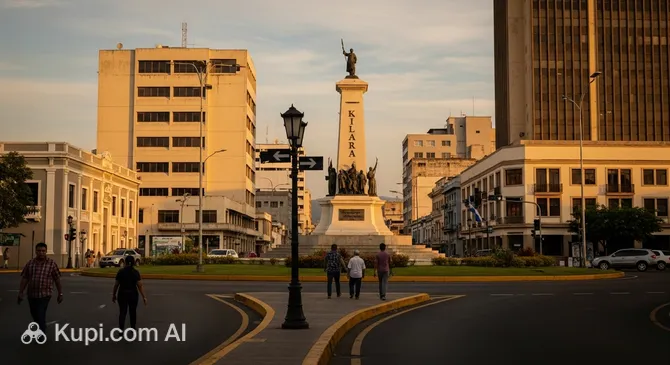
Kilara Roundabout. Source: Kupi.com AI

Travelers arriving in Honduras often notice this point during excursions, as it holds a high trust rating (4.3 stars) among locals and visitors alike. The junction is situated at an altitude of about 1000 meters above sea level, a reminder of the mountainous nature of the region known for its legendary "silver hills."

Despite its utilitarian function, this place possesses a special atmosphere. It allows you to feel the dynamic pulse of a city founded by Spanish colonizers back in the 16th century. For a tourist, it is an excellent opportunity to see the everyday life of the capital as it is, observing the movement of traffic against the backdrop of majestic mountain peaks.

Contacts

For your convenience, we have gathered the current contact details for this location. This spot is an important landmark for navigating the capital and is often used by tourists as a starting point for their routes.

Below is the official contact information:

Address 4Q48+6W3, Tegucigalpa, Francisco Morazán, Honduras

What to Do

Visiting this place is primarily an opportunity to immerse yourself in the dynamic atmosphere of the capital. Here, you can watch how modern traffic intricately intertwines with architecture that recalls the colonial past. It is an ideal spot for taking panoramic photos of the city sprawling across the mountain slopes.

Many travelers use the junction as a starting point for a broader exploration of the area. From here, it is convenient to begin a walk toward the El Picacho hills, where the famous monument of Christ is located, or head toward the historic center to the Cathedral of Saint Michael the Archangel to admire its famous 18th-century gilded altar.

If you enjoy urban details, pay attention to how the streets in this area are planned: due to Tegucigalpa's terrain, they often have unusual curves. Here, you can practice your orientation skills and simply observe the locals at one of the city's busiest transport hubs.

Getting There

Getting to this transport hub in the capital is quite simple, given its central importance. The most convenient and safe way for tourists is to take a taxi from Toncontín International Airport; the drive along the scenic mountain slopes takes about 20–30 minutes depending on traffic.

If you are already in the city center, you can take a local minibus heading towards the northern suburbs and El Picacho hill. A walk from the central square is also possible, but keep in mind the fairly steep climb and the characteristics of the local terrain.

For those who prefer independent navigation, we recommend using the GPS coordinates 14.1055148, -87.2326962. The "Operational" status of the site confirms that access to the roundabout is open, and places for a short car stop can be found nearby.

History & Facts

The history of this site is inextricably linked to the development of the capital, which began back in 1578. It was then that Spanish colonizers founded the settlement of San Miguel de Tegucigalpa de Heredia here, choosing a location near rich silver mines. The city's name itself, derived from the Nahuatl language, is poetically translated as "silver hills."

For a long time, the settlement held the status of a mining center (Real de Minas), attracting merchants and prospectors from all over the region. The chaotic layout and winding streets we see today were formed under the influence of the complex mountain landscape, forcing architects to adapt to the curves of cliffs and valleys.

A significant turn in history occurred in 1880 when President Marco Aurelio Soto decided to move the capital from Comayagua to Tegucigalpa. This decision was driven by both economic reasons (proximity to the mines) and the personal interests of the head of state. Since then, the transport infrastructure, including the Kilara Roundabout, has been constantly modernized, linking the city's historical past with its modern status as the country's political center.

Time Needed

For a quick look at the roundabout itself and to take some memorable photos against the mountain panorama, you will need very little time—literally 15–30 minutes. This is enough to appreciate the scale of the city's infrastructure and feel the rhythm of the capital.

However, we recommend setting aside about 1.5–2 hours for a visit to this area. This will allow you to take a leisurely walk to nearby historical sites or climb higher up the slope to enjoy the best views of the city rooftops and the surrounding "silver hills."

Working Hours

Since the site is part of the city's road network and a public space, it is accessible 24 hours a day. You can see it in the morning sunlight or under the evening city lights.

Nevertheless, if you plan to visit official organizations associated with it or check information about city events in the area, we recommend checking the city's official website or tourist portals periodically, as the working hours of surrounding establishments may change.

Nearby

Exploring the surroundings of this area can significantly enrich your trip. Its location near historic suburbs provides access to panoramic viewpoints and colorful streets where life flows at its own special pace.

Below is a list of interesting sites located within walking or driving distance:

Attraction Distance (km)
Cuesta Cerro Grande al Chile 2.1
Parque Infantil San Juan de Dios 2.4
Bienvenidos a Tegucigalpa 2.4
Redondel El Arbolito 3.6
Mirador, Street Al Hatillo 4.4
Loma linda 5.0
PlayMax HN 5.3
Desvío al Picacho 5.7
Parque Recreativo 5.8
Plaza Alfredo Landaverde 6.4

Reached the end of the page?

That means the route is fully explored