Support

Western Monastery

About

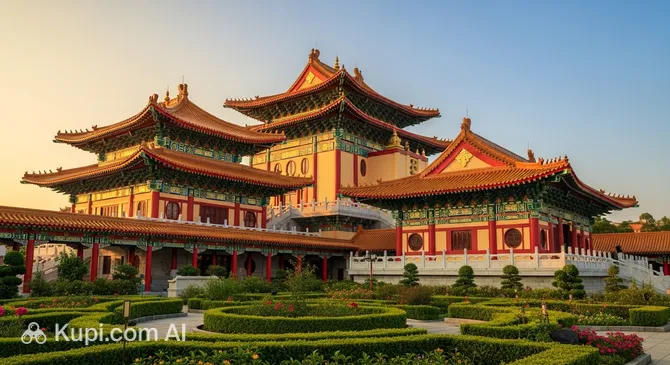
Imagine a peaceful sanctuary tucked away at the foot of the region's highest peak—Tai Mo Shan. Western Monastery is a magnificent Buddhist temple complex located in the picturesque village of Lo Wai in the Tsuen Wan district. As a significant spiritual center, it draws visitors with its exquisite architecture and atmosphere of profound tranquility.
Western Monastery
Western Monastery. Иллюстрация. Источник: Kupi.com AI

This complex in Hong Kong was founded by the Bodhi Society and is a classic example of Chinese temple architecture. Its vibrant orange tiled roofs, adorned with intricate carvings and majestic pagodas, stand in striking contrast to the lush green hills. The monastery serves not only as a place of worship but also as an important cultural site where ancient Buddhist traditions are preserved.

For tourists, this site is primarily valued for the chance to escape the bustle of the metropolis. Here, you can immerse yourself in Eastern philosophy, enjoy the harmony of nature and architecture, and see how Hakka heritage intertwines with the modern life of one of the city's dynamic districts.

Contacts

For more details before your visit, you can use the official contact information. The monastery is open to everyone interested in Buddhist culture.

How to contactContact
AddressLo Wai Rd, Lo Wai, Гонконг
Phone+852 2411 5111
Websitewww.wm.org.hk

What to Do

Visiting Western Monastery is, first and foremost, an opportunity to slow down and enjoy the moment. The highlight of any visit is taking a leisurely stroll through the well-kept grounds, admiring the craftsmanship of ancient builders. Notice how the buildings are harmoniously oriented toward the hills: this architectural technique creates a sense of majesty and peace.

Many visitors come here for meditation or a brief retreat in the temple halls. You can observe daily rituals if your visit coincides with them and breathe in the scent of incense that fills the air. Don't forget to bring a camera: the monastery is incredibly photogenic, especially against the misty slopes of Tai Mo Shan.

Beyond exploring the temple itself, it is interesting to wander around the village of Lo Wai. This is a great chance to see a less "touristy" side of Tsuen Wan. If you're interested in history, after visiting the monastery, you can stop by nearby cultural centers to learn more about the lives of local clans and the traditions that shaped this unique corner of the region.

Getting There

Reaching this peaceful retreat is quite simple using Hong Kong's extensive transport network. The most convenient route is to take the MTR to Tsuen Wan West station (Tung Chung line). From there, you can reach Lo Wai village by taxi in just 5–10 minutes, costing approximately 50–100 HKD.

If you prefer public transport, specialized green minibuses run from the MTR station toward Tai Mo Shan. The trip takes about 20–30 minutes. The route passes through scenic areas, gradually leading you away from the city's noise toward the foothills.

For those traveling by private or rental car, parking is available at Lo Wai Rd, Lo Wai, though traffic in the area can be quite heavy on weekends. It is best to use navigation maps to find the turn to the monastery gates among the village streets.

Ближайший город: Tsuen Wan

History & Facts

The history of this spiritual center began in 1970 when the Hong Kong Bodhi Society decided to establish a retreat at the foot of the majestic Tai Mo Shan. Construction took two years, and by 1972, the Western Monastery officially opened its doors, becoming an important site for the Buddhist community of the Tsuen Wan district.

The district itself has an interesting past. Originally, this place was called Tsin Wan, which translates to "Shallow Bay." Later, the name changed to Tsuen Wan—"Bay of Abundance." Since the 17th century, members of the Hakka people began to settle here, building fortified villages for protection. These cultural traditions are still felt today in the atmosphere of the monastery and its surroundings.

A major milestone in the development of the area was 1961, when the locality was granted the status of the first "New Town" in the New Territories. Despite rapid urbanization, the monastery has maintained its status as a quiet enclave, harmoniously blending into the modern infrastructure and becoming an integral part of the region's spiritual and architectural heritage.

Time Needed

Travelers typically spend 1 to 2 hours exploring the grounds of the Western Monastery. This is enough time to leisurely walk through the temple halls, examine the interior details, and take beautiful photos against the mountain backdrop.

If you plan to combine your monastery visit with a walk through the colorful Lo Wai village or a visit to the Sam Tung Uk Museum, we recommend setting aside about 3 hours. A relaxed pace will allow you to truly feel the tranquil atmosphere of this place, far from the hustle and bustle of the central districts.

Working Hours

The doors of the Western Monastery are open to visitors daily. You can visit any day of the week, including weekends and public holidays, from 08:30 to 17:30. This is the perfect time to catch the soft morning light or the peace of the pre-sunset hours.

Since the schedule may change during major religious holidays or festivals, it is recommended to check the monastery's official website before your trip to ensure the information is up to date.

08:30–17:30

Nearby

The area around the monastery offers many interesting spots to make your walk even more fulfilling. Exploring the surroundings will let you see the contrasts between nature reserves, modern leisure spaces, and historical sites.

After visiting the temple, it's worth checking out the scenic reservoirs and themed spaces located just a few kilometers away.

NameDistance
Lung Mo Temple0.1 km
Sam Tung Uk Museum1.3 km
Centre for Heritage, Arts and Textile1.7 km
Kabo Burger1.9 km
HIKARI Coffee1.9 km
Pineapple Dam2 km
Tsuen Wan Park2.2 km

Reached the end of the page?

That means the route is fully explored