Support

Amarkantak

About

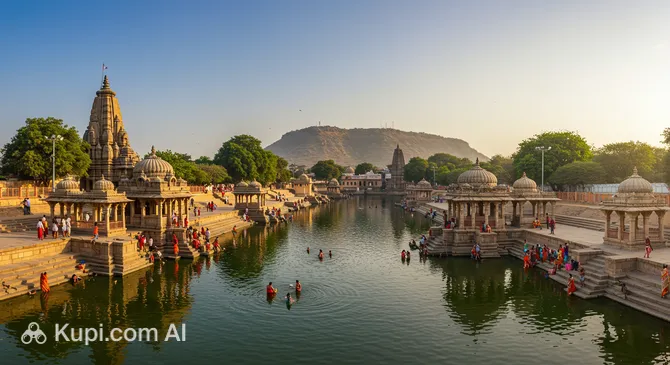
Amarkantak is a wonderful corner of India, tucked away among the picturesque hills of Madhya Pradesh. This city, where the sacred rivers Narmada and Son originate, has a special atmosphere of peace and spirituality. Located on an upland surrounded by dense forests and green valleys, Amarkantak attracts visitors with its natural beauty and mild climate due to the high plateau elevation.

Amarkantak. Illustration.
Source: Kupi.com AI

With a population of about 21,609, Amarkantak retains the coziness and friendliness of a small town while remaining an important religious and tourist center of the region. Pilgrims, travelers, and seekers of spiritual practices flock here, drawn by ancient temples and sacred sites. The city is famous for its crystal-clear springs and healing air.

Key features of Amarkantak are its numerous temples, such as the Narmada Udgam complex, which marks the source of the Narmada River, and the ancient Kalachuri Temple. In addition, the city offers unique opportunities for connecting with nature: walking along scenic trails, contemplating waterfalls, and meditating on the banks of sacred rivers. The atmosphere here is filled with the scents of forest herbs and the sounds of nature, allowing you to forget the bustle of the city.

If you are looking for a place for a peaceful holiday, spiritual enrichment, and enjoyment of pristine nature, Amarkantak will be a true discovery for you and will provide unforgettable impressions.

You can find more interesting facts on the history of Amarkantak page.

Weather Overview

The weather in Amarkantak is characterized by distinct seasons. Expect hot summers, especially in April and May, when average maximum temperatures can reach 36-37°C. The monsoon period lasts from June to September, bringing significant rainfall; July and August are the wettest months with approximately 13 mm of rain and almost daily showers. Winters, from December to February, are mild and relatively dry, with average temperatures around 17-20°C and minimal precipitation.

For more detailed information on weather conditions by month, you can explore the climate of Amarkantak.

Average monthly temperature

Average monthly precipitation

Interesting Facts

Amarkantak, known as a sacred pilgrimage site in India, actually holds many amazing secrets and little-known details that make it truly unique.

  • Sources of two rivers: Amarkantak is a unique place where two significant Indian rivers—the Narmada and the Son—originate. Surprisingly, their sources are just a few minutes' walk from each other, earning the city the poetic name "The Cradle of Rivers."

  • Sacred waterfalls with purifying power: The city is surrounded by picturesque waterfalls, such as the Narmada and Sondura, which are considered sacred. Local legends say their waters possess special purifying power, and many pilgrims seek to bathe here, especially during the monsoon season when the falls are at their peak.

  • Place of enlightenment for ancient sages: In addition to being an important pilgrimage center with ancient temples like Naga and Kapila, it is believed that great sages of antiquity meditated and reached enlightenment in these very spots. This spiritual history gives the city a special atmosphere.

  • Center for colorful festivals: During major religious holidays, Amarkantak is transformed. The streets fill with the sounds of music, dancing, and the aroma of incense, while pilgrims hold impressive processions and ritual washings at the river sources, creating an unforgettable cultural experience for visitors.

How to Get There

Amarkantak, located in the scenic Maikal Hill range, does not have its own airport or railway station directly within the city limits. A trip here usually involves a combined route. To plan your trip as efficiently as possible, we recommend exploring all ways to get to the city. Below, we will look at the main transport hubs through which tourists enter this sacred region.

Since there is no airport in Amarkantak itself, travelers usually fly to nearby major cities. One of the most convenient options is Swami Vivekananda Airport (RPR), located in the city of Raipur. It is approximately 166 km from Amarkantak. This is a major regional hub with good connections. The journey from here by taxi or bus takes about 4.5 hours, allowing you to enjoy the views of Chhattisgarh along the way.

An alternative is Jabalpur Airport (JLR), which is located in the city of Jabalpur at a distance of about 183 km. This is also a popular entry point for tourists heading to the national parks of Madhya Pradesh. The travel time by car from Jabalpur to Amarkantak is approximately 5 hours.

For clarity, here is summary information on the main airports:

AirportPassenger trafficDistance
Swami Vivekananda Airport2.6 mln166 km
Jabalpur Airport392 869183 km
Veer Surendra Sai Airport313 381252 km

Regarding rail connections, there is no station in the city of Amarkantak itself. The nearest railway station is Pendra Road, located about 17–20 km from the city. Trains from many major Indian cities arrive here. From the station, the holy sites of Amarkantak can be easily reached by taxi, jeep, or local bus in just 30–40 minutes. Another important hub is the station in Anuppur, located slightly further away but offering more connection options.

Road links to Amarkantak are fairly well developed. Regular state and private buses run from cities such as Jabalpur, Rewa, Shahdol, and Bilaspur. The road passes through picturesque forest areas, making the bus or rental car trip an adventure in itself.

Main Attractions

Amarkantak, located in the picturesque state of Madhya Pradesh, is a unique place where spirituality and natural beauty intertwine. This sacred city is revered as the source of three rivers – the Narmada, Son, and Johila, making it an important pilgrimage center for Hindus and an attractive destination for those seeking peace and union with nature. Ancient temples, impressive waterfalls, and breathtaking landscapes await you here.

One of the main shrines of Amarkantak is Narmada Kund – a complex of temples centered around a sacred pond, which is considered the birthplace of the Narmada River. This place holds immense religious significance. Tourists can explore numerous temples, including the main Narmada Udgam Temple dedicated to the Goddess Narmada, and immerse themselves in the atmosphere of ancient rituals and beliefs.

Not far from Narmada Kund is the picturesque Kapil Dhara waterfall. Legend has it that the great sage Kapila meditated here. The waters of the Narmada River plunge from a height of about 30 meters, surrounded by lush greenery, creating a truly peaceful scene. This is a great spot for nature lovers to enjoy the coolness and take beautiful photos.

Sonmuda is another iconic location in Amarkantak, revered as the source of the Son River. From here, magnificent panoramic views of the surrounding valleys and forested hills open up. This place attracts visitors with its calm atmosphere, ideal for meditation, reflection, or simply enjoying the beauty of nature.

Mai ki Bagiya, which translates to "Mother's Garden," is a sacred grove dedicated to the Goddess Narmada. According to legend, this is where the goddess loved to pick flowers. Mango, banana, and other fruit trees grow in the grove, along with rare medicinal plants. This quiet and green spot is perfect for leisurely walks and finding inner balance.

Local Cuisine

The gastronomy of Amarkantak is a fascinating journey into the world of Central Indian flavors, where traditions harmoniously blend with the freshness of local products and the aroma of unique spices. The cuisine here is predominantly vegetarian, reflecting the spiritual atmosphere of this holy place. The basis of many dishes is legumes, seasonal vegetables, and various grains, while the rice grown in the surrounding area is famous for its quality and often becomes the star of the meal.

Be sure to try the aromatic dal – a thick lentil soup seasoned with herbs and spices that is both warming and filling. Rice-based dishes are equally popular and can be served with vegetable curries or as a standalone treat. Among street foods, crunchy samosas with spicy filling and pakoras – deep-fried vegetable pieces in chickpea batter – stand out. These snacks are perfect for a quick bite while walking around the city.

For drinks, it is definitely worth trying the refreshing lassi – a traditional Indian yogurt-based drink, which in Amarkantak is prepared with added spices or fresh fruits. It quenches thirst perfectly, especially in hot weather. Alcoholic beverages are not common here, which is in line with the city's pilgrimage status.

The food culture in Amarkantak is closely linked to street food and local markets, where you can not only taste authentic dishes but also watch them being prepared. For a more substantial lunch or dinner, tourists can find small local restaurants and eateries offering traditional Indian fare. Sometimes the city hosts fairs and gastronomic festivals where farmers and artisans present their products, allowing for a deeper dive into the region's culinary traditions. The food here is always fresh, fragrant, and prepared with soul, making the gastronomic experience in Amarkantak truly memorable.

Travel Tips

Welcome to Amarkantak, the sacred city known as the source of several rivers and an important pilgrimage center in India! To make your trip as comfortable and memorable as possible, we have prepared a few practical tips.

  1. Clothing and Essentials:

    The climate in Amarkantak varies by season. Summers (March-June) are hot, so bring light cotton clothing. During the monsoon (July-September), don't forget a raincoat or umbrella. Winters (October-February) are pleasant during the day, but evenings and nights can be chilly—a light jacket or sweater will come in handy. Since Amarkantak is a place of pilgrimage, be sure to choose modest clothing that covers shoulders and knees, especially for temple visits. Comfortable walking shoes are vital, as you will be doing a lot of walking, including on hilly terrain. Don't forget a universal adapter for electronics and a portable charger.

  2. Transportation:

    Amarkantak is a small city, and the best way to explore it, especially the temple complexes, is on foot. For longer trips or to reach viewpoints, you can use auto-rickshaws or local taxis. Always agree on the price of the trip in advance. Public transport like the metro or city buses is not developed here. Renting a car may only be necessary if you plan extensive trips outside the city.

  3. Finances:

    The local currency is the Indian Rupee (INR). It is recommended to have enough cash on hand, as the ability to pay by card is limited, especially in small shops, eateries, and with street vendors. There are ATMs in the city, but they may be few, not always have enough cash, or have queues. International cards may work in some ATMs, but don't rely on this completely. An approximate daily budget for food, local transport, and small souvenirs can be 1000-1500 rupees. Tipping is not mandatory but is welcomed for good service (usually 5-10% of the bill).

  4. Health and Safety:

    There are pharmacies in Amarkantak where you can buy basic medicines. However, for serious health issues, you may need to seek medical facilities in larger neighboring cities. The city is considered quite safe, especially given its religious status. Nevertheless, observe standard precautions: keep an eye on your belongings, especially in crowded places, and avoid walking alone after dark in poorly lit areas. Drink only bottled water.

  5. Communication:

    The main language of communication is Hindi, and local dialects are also common. English may be understood in tourist areas, hotels, and among the youth, but not everywhere. Knowing a few phrases in Hindi will be very useful: "Namaste" (Hello), "Dhanyavad" (Thank you), "Kitna?" (How much?). It is better to purchase SIM cards from local operators (e.g., Jio, Airtel) in larger cities; network coverage in Amarkantak itself can be unstable. Public Wi-Fi is rare; some hotels may provide it to their guests.

  6. Local Etiquette:

    When greeting, it is customary to say "Namaste" with palms joined at chest level. Be sure to remove your shoes before entering temples and homes. Dress modestly, especially when visiting holy sites. Avoid public displays of affection. If you want to photograph locals, always ask for permission. Show respect for local traditions and customs.

  7. What to Avoid:

    Firstly, avoid wearing clothing that is too revealing or suggestive, especially in temples and public places, as this may be seen as disrespectful. Secondly, do not show disrespect toward religious objects, rituals, or images of deities; for example, do not turn your back to altars or point your feet toward them.

  8. Special Advice:

    Amarkantak is the source of three sacred rivers: Narmada, Son, and Johila. Try to attend the morning or evening aarti (worship ceremony with fire) at the Narmada Udgam Temple. It is a deeply spiritual and memorable experience. Check the ceremony schedule on-site.

We hope these tips help you better prepare for your trip and enjoy every moment of your stay in the peaceful atmosphere of Amarkantak!

Entertainment & Nightlife

Amarkantak, a sacred city in the heart of India, offers a unique experience that differs greatly from the vibrant nightlife of megacities. Here, evenings are spent in an atmosphere of tranquility and spirituality, rather than to the sounds of loud music from clubs and bars. If you are looking for peace and a chance to touch ancient traditions, evening Amarkantak will not disappoint you.

Instead of traditional nightclubs and bars, which are virtually non-existent in Amarkantak, evening entertainment here is more contemplative. Many pilgrims and tourists prefer to visit temples for evening prayers and ceremonies (known as aarti), enjoy the silence of the surroundings, or meditate. This is a time for reflection and immersion in the special energy of this holy place. You won't find specialized nightlife districts or streets lined with bars here.

As for evening gastronomic experiences, Amarkantak offers a taste of Indian cuisine, particularly the regional dishes of Madhya Pradesh. It is important to note that the available tourist data for Amarkantak does not contain information on specific restaurants with direct links. However, several local eateries and small restaurants operate in the city. Usually, these are simple establishments with a homey atmosphere that close not too late, typically around 9:00 PM - 10:00 PM. Do not look for specialized night restaurants operating until morning here. The atmosphere in such places is calm, conducive to a leisurely dinner.

The evening atmosphere in Amarkantak is very peaceful and safe. For evening walks or temple visits, modest clothing covering shoulders and knees is recommended out of respect for local traditions. You can move around the central part of the city on foot in the evening. For longer trips or if you are returning late, it is better to arrange transport in advance, for example, with a local taxi driver or auto-rickshaw, as their numbers may be limited late at night. In general, Amarkantak is considered a safe city, but one should always follow standard precautions, especially in sparsely populated areas.

Since Amarkantak is primarily a place of pilgrimage and spiritual tourism, there is no developed nightlife industry in the traditional sense, such as nightclubs or specialized bars with loud music and dancing. As mentioned, information on specific establishments of this type, as well as restaurants with online booking or detailed descriptions, is absent from available sources, which fully corresponds to the calm and spiritual character of the city. The evening can be spent dining at a local restaurant, enjoying regional dishes, or simply strolling through quiet streets and stargazing if the weather permits.

During the day, Amarkantak offers many interesting places to visit. The main attractions are numerous temples, such as Narmada Kund (the sacred pond and source of the Narmada River), the ancient Kalachuri temple complex dating back to the 10th-11th centuries, and the modern Shri Yantra Mandir. It is also worth exploring the natural beauty around the city: the Son River also originates here, and the Kapildhara and Dudhdhara waterfalls offer picturesque views and opportunities for refreshing walks along forest trails.
Parks & Museums

Amarkantak, a sacred city in the heart of India, offers travelers not only spiritual enlightenment but also immersion in the embrace of pristine nature and a rich cultural heritage. Lush green zones and ancient shrines harmoniously combine here, each keeping its own unique story.

Among the natural gems of Amarkantak, Narmada Kund holds a special place – a complex of sacred water bodies at the source of the Narmada River. This is not just a picturesque spot surrounded by numerous temples, but also a pilgrimage center where one can feel a deep connection with nature and ancient traditions. A walk around its surroundings allows you to enjoy silence and peace. Another iconic green space is Mai ki Bagiya (Mother's Garden), dedicated to the Goddess Narmada. According to legend, this place was her playground. Today, it is a dense grove with mango and banana trees, ideal for quiet walks and meditation, offering coolness and privacy.

For lovers of natural beauty, a visit to the waterfalls is a must. Kapil Dhara, where the sage Kapila is said to have meditated, plunges its waters from a height of about 30 meters, creating an impressive sight. A little further downstream is Dudh Dhara (Milky Stream), named for its milk-white water color. Both waterfalls are surrounded by lush vegetation and offer magnificent views, especially during the rainy season.

Although there are no large museums in the classic sense in Amarkantak, its cultural and historical heritage is vividly represented in numerous temples and ashrams. The ancient temples of the Kalachuri period, dating back to the 11th-12th centuries, are true architectural treasures. These stone structures, such as the Pataleshwar Mahadev Temple, Karn Mandir, and Machhendranath Mandir, impress with their exquisite carvings and are living witnesses to the region's rich history. Each of them is a kind of open-air museum telling stories of ancient beliefs and the skill of the architects.

Modern spiritual architecture is also reflected in Amarkantak. For instance, the Shri Yantra Mandir attracts attention with its unique four-headed statue of the goddesses Lakshmi, Saraswati, Kali, and Bhuvaneshwari, as well as the complex geometric shape of the temple itself, based on the sacred yantra. Visiting such places allows for a deeper understanding of the diversity of India's spiritual traditions.

Traveler's Tip: To fully enjoy the atmosphere of Amarkantak, try to visit the temple complexes and natural attractions early in the morning. At this time, there are the fewest pilgrims, and you will be able to feel a special peace and connection with nature. Also, don't miss the chance to walk along the lesser-known trails in the city's surroundings, where you can discover hidden ashrams and enjoy the untouched beauty of the forests.

Getting Around

When planning your travel around Amarkantak, keep in mind that it is a small city, and the public transport system reflects its size and status as a pilgrimage center. The main modes of transport for tourists and locals are buses and auto-rickshaws.

Buses are the most budget-friendly option for traveling both within Amarkantak and to nearby settlements. Routes usually connect key points in the city, including temples and markets. Buses can be government-run or private. Payment is typically made in cash directly to the conductor or driver upon entry. Schedules may not always be strict, and the frequency of service depends on the time of day and the season.

Auto-rickshaws (tuk-tuks) are a very popular and flexible way to travel short and medium distances. They are easy to find in busy parts of the city and near attractions. It is important to agree on the fare before the trip begins, as meters are not always used. For a more economical option, you can use "shared autos" – rickshaws that operate like route taxis, picking up passengers along the way.

The payment system for public transport in Amarkantak is primarily cash-based. It is recommended to carry small bills for convenience. Specialized transport cards or mobile payment apps common in large metropolises are unlikely to be found here. Bus tickets are purchased on the spot, and with auto-rickshaw drivers, payment is by agreement.

As an alternative to public transport, you can consider taxis (private cars), which can be hired for more comfortable trips or for traveling a custom route. This option will be more expensive but convenient for groups or those with luggage. Cycle rickshaws may also be encountered, offering slow rides over very short distances. For exploring many of the shrines and attractions located compactly, walking is perfectly suitable, allowing you to better immerse yourself in the city's atmosphere.

Public transport usually functions most actively during the day. In the evening, the number of bus trips may decrease, while auto-rickshaws remain available, though the cost of the trip may be higher. When planning your movements, especially to remote sites, it's best to check transport options in advance.

Accommodation

When planning a trip to Amarkantak, you will find a variety of accommodation options to suit different budgets and preferences. The city, being an important pilgrimage and tourist center, offers a choice ranging from modest guesthouses and ashrams, ideal for pilgrims and budget travelers, to more comfortable mid-range hotels and lodges. Luxury resorts are rarer here, but you can find decent options with a good level of service.

Most hotels and guesthouses in Amarkantak are conveniently located near the main temples and shrines, such as Narmada Kund and the ancient temple complex. Staying in these central areas provides easy access to attractions and local markets. Some accommodation options may be located a bit further away, offering a more peaceful atmosphere and privacy.

While specific hotel names are best checked on popular booking platforms, you can find local hotels in Amarkantak with a good reputation that offer a comfortable stay. When choosing, you should pay attention to reviews from other travelers and the location relative to the places that interest you.

It is highly recommended to book accommodation in Amarkantak in advance, especially if your trip coincides with major festivals, religious holidays, or the peak tourist season. During these periods, popular accommodation options can sell out quickly. For trips during the off-season, there may be more flexibility, but advance booking will still provide peace of mind and a guaranteed place to stay.

The price range for accommodation in Amarkantak mainly covers the budget and middle segments. You can book accommodation through well-known online travel platforms, by contacting the hotel directly by phone or email, or sometimes upon arrival in the case of small guesthouses (though the latter option is less preferred during busy periods).

Nearby Cities

For those who want to explore the surroundings, Amarkantak serves as an excellent starting point for day trips to several interesting nearby locations:

CityPopulationDistance
Anuppur21 65148 km
Burhar23 39559 km
Ratanpur11 83161 km
Bangawan12 05169 km
Mungeli108 38769 km

These nearby destinations offer a more complete picture of the diverse culture and natural landscapes of the Madhya Pradesh region. For example, a trip to vibrant Bilaspur offers an introduction to a major urban center, while visits to towns like Mungeli or Shahdol allow you to immerse yourself in the atmosphere of smaller settlements with their special way of life and perhaps closer contact with nature. Each of these places is unique in its own way and can be a great addition to your journey through India.

Shopping & Souvenirs

Shopping in Amarkantak has its own specific character due to the city's status as an important pilgrimage center. You won't find large shopping malls or boutiques of famous brands here. Instead, Amarkantak offers unique products related to its spiritual heritage and natural environment. The main focus is on religious attributes, Ayurvedic products, and local artisan crafts.

The primary shopping points in Amarkantak are concentrated around the main temples and ashrams, as well as along the roads leading to them. These are usually small shops and street stalls. There are no dedicated shopping streets in the usual sense, but it is in these lively spots that pilgrims and tourists can find the items they are interested in. The atmosphere here resembles a traditional Indian bazaar rather than a modern shopping district.

There are no large shopping malls in Amarkantak. The city maintains its traditional way of life, and the commercial infrastructure corresponds to its small size and pilgrimage nature.

While there are no large organized markets in Amarkantak, you will encounter many small trading rows and individual vendors, especially near temple complexes. Here you can buy fresh fruit, local sweets, flowers, and offerings for the temples. There are also stalls with clothing, household items, and, of course, souvenirs.

Common souvenirs brought from Amarkantak include items related to Hinduism and local beliefs. Popular choices are figurines of deities (especially Shiva and Goddess Narmada), rudraksha (sacred seeds), religious texts, and images. It is also worth looking at Ayurvedic herbs and oils collected from the surrounding forests and products made from natural materials created by local craftsmen. Sometimes you can find interesting handmade jewelry or small household items with local flair.

Most shops and stalls in Amarkantak operate during daylight hours, usually from morning until evening, but hours can vary and often depend on the flow of pilgrims and tourists. Some shops may close for a lunch break. The main method of payment is cash. In some larger outlets, bank cards or digital payments via UPI may be accepted, but it is always best to have enough cash on hand, especially for purchases at small stalls.

Tax-free systems for tourists are generally not prevalent in Amarkantak, as most goods offered here do not fall into that category, and the outlets are mostly small businesses.

Reached the end of the page?

That means the route is fully explored