Support

Ram Bagh

About

In the heart of the bustling city of Amritsar lies Ram Bagh—a historical park often referred to as the "Company Gardens." This place is a unique blend of a shady public garden and an important cultural site, preserving the memory of the great ruler of Punjab. India is famous for its palace and park ensembles, and this site holds a special place among them as the former summer residence of a Maharaja.
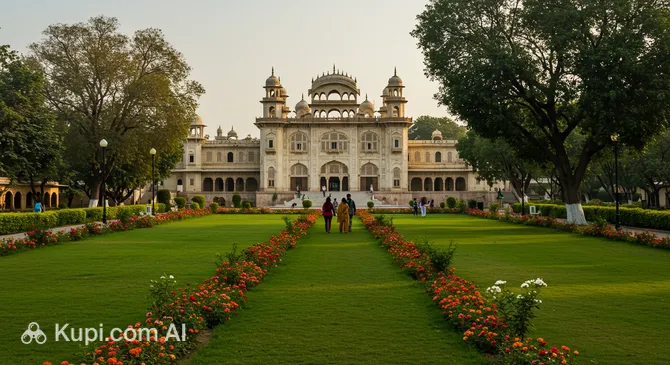
Ram Bagh
Ram Bagh. Иллюстрация. Источник: Kupi.com AI

The centerpiece of the park is the majestic Summer Palace, built in the early 19th century. Today, the area serves not only as a strolling spot for locals but also as the home of a museum dedicated to the life and achievements of Ranjit Singh. Here, you can see an impressive equestrian statue of the ruler, which rises proudly over the alleys, guarded by stone lions.

Ram Bagh attracts tourists with its peaceful atmosphere and the chance to touch the history of the Sikh Empire. Despite ongoing restoration work, the park remains a popular spot on the city map, offering guests a rare opportunity to see unique manuscripts, ancient weapons, and large-scale panoramic canvases recreating the spirit of historical battles.

Contacts

To clarify visiting details or potential changes in the operation of individual park pavilions, it is recommended to consult official city tourism sources.

How to contactContact
AddressRam Bagh Chowk, Opposite Ram Bagh, Hall Bazar, Police Station, Amritsar, Punjab 143006, Индия
Websitecityonpedals.com

What to Do

A visit to Ram Bagh is primarily an opportunity to enjoy peace among the greenery. You can stroll through well-kept alleys, take photos by the monumental equestrian statue of Ranjit Singh, or admire the ancient gates decorated with ornaments. In the summer heat, the park becomes an ideal spot for a family picnic or a short break in the shade of centuries-old trees.

The main cultural highlight is a visit to the Maharajah Ranjit Singh Panorama museum. On the first floor, visitors will find detailed miniatures and mirror rooms with intricate mosaics. Climbing to the second floor, you will find yourself before a magnificent circular panorama depicting the decisive battles of that era. Thanks to sound effects—the neighing of horses and the cries of warriors—you get a full sense of being on the battlefield.

History buffs will be interested in exploring the rich collection of cold steel and firearms, as well as rare manuscripts and coins presented in the halls of the Summer Palace. Even simply observing how the park is being transformed through modern reconstruction provides an interesting insight into how the city preserves its heritage for future generations.

Getting There

Getting to this historical site is quite easy, as it is located in the northern part of Amritsar, just 2.5 kilometers from the famous Golden Temple. If you are in the city center, it is most convenient to use taxi or rickshaw services—the trip will take no more than 10–15 minutes.

For those arriving in the city by train or plane, the journey will not be long either. From the railway station or Amritsar International Airport (located 15 km away), you can reach it by car in 20–30 minutes. The main landmark for the driver is Ram Bagh Chowk, located opposite the park entrance.

Public transport is also an option: many city buses and auto-rickshaws head towards the Hall Bazar area, from where the garden gates can be reached on foot in just a few minutes. For the most accurate navigation, it is recommended to use modern online maps.

Ближайший город: Amritsar

History & Facts

The history of the park is inextricably linked with the era of the powerful Sikh Empire. In 1819, by decree of Maharaja Ranjit Singh, the legendary founder of the empire, the Summer Palace was built here. This residence served as a refuge for the ruler from the scorching heat and a place for important state meetings during his stays in Amritsar.

The city itself was founded back in 1577 by the fourth Sikh Guru, Ram Das, on land purchased for a modest sum at the time. The name of the city translates as "pool of the nectar of immortality," emphasizing its spiritual significance. Ranjit Singh, in turn, put great effort into decorating and strengthening the city, making Ram Bagh a symbol of the prosperity of his reign.

In the past, this territory was a luxurious private residence surrounded by high walls and moats. Today, it is a public garden that has preserved its historical spirit. The monument to the Maharaja installed here and the unique battle panorama remind modern visitors of Punjab's heroic past and the contribution of the "Lion of Punjab" to the unification of the region.

Time Needed

To walk unhurriedly through the shady alleys, examine the architectural details, and visit the museum exhibition, it usually takes about 1–2 hours. This time is quite sufficient to see the main monuments and take a break from the city bustle.

If you plan to study the battle panorama and the weapon collections in the Maharaja Ranjit Singh Museum in detail, you should allow a bit more time for your visit. The park is excellent for a peaceful midday rest, where you can simply sit on a bench and watch the leisurely pace of local life.

Working Hours

At present, the exact official working hours of Ram Bagh park and the museum may change depending on the season and ongoing restoration work. It is recommended to plan your visit during daylight hours, as most pavilions are open during standard daytime hours.

To get up-to-date information before your visit, it is worth checking official Punjab tourism portals or confirming the opening hours at your hotel directly in Amritsar.

Nearby

A stroll around the park's surroundings will allow you to dive deeper into the city's atmosphere and find entertainment for every taste. Nearby, there are many places for family recreation and active leisure.

NameDistance
The Partition Museum0.5 km
Amritsar Heritage Walk and Golden Temple0.5 km
Hop-On Hop-Off Bus Tour0.8 km
Prem Nath Kulche Wale0.9 km
Maharaja Ranjit Singh Garden0.9 km
Jallianwala Bagh Museum1 km
Funland1.1 km

Reached the end of the page?

That means the route is fully explored