Support

Dal Lake, Ghat Number 1

About

Imagine a mirrored water surface reflecting snow-capped mountain peaks and carved wooden boats gliding by. This is the scene that greets travelers at Dal Lake, Ghat No. 1 — the main pier and heart of the legendary body of water in the city of Srinagar. This place is rightfully called the "Jewel of Srinagar," as it is not just a natural site but the center of life for the entire region in India.

Covering an area of about 22 square kilometers, Dal Lake is considered the second largest in the state of Jammu and Kashmir. Ghat No. 1, located in the Dalgate area, serves as the primary departure point for all water routes. It is from here that tourists begin their acquaintance with the lake's unique ecosystem, where people have lived, traded, and grown crops directly on the water for centuries.
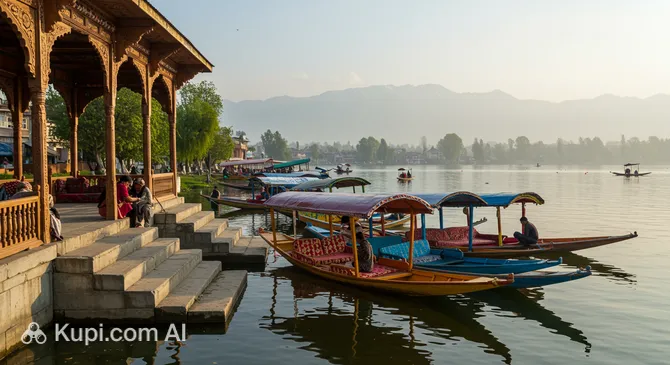
Dal Lake, Ghat No. 1
Dal Lake, Ghat No. 1. Иллюстрация. Источник: Kupi.com AI

The lake is not called the "Venice of Kashmir" by accident. Its channels and open spaces form a complex labyrinth navigated by hundreds of shikaras — traditional boats that have become the hallmark of these parts. For locals, Dal is a provider and a home; for guests, it is an opportunity to see unrivaled landscapes and touch the heritage of the Mughal era.

Contacts

To plan your visit to this picturesque pier, it is useful to know its exact location within the city. While direct phone numbers for individual boatmen are not typically published, you can always obtain up-to-date information at the city's tourist office or directly from the pier administrators on-site.

Below are the official location details to help you find your way to Ghat No. 1.

How to contactContact
Address3RJJ+C28, Dalgate Bridge, Karapura, Rainawari, Srinagar, 190001

What to Do

The primary and absolutely unforgettable experience at Ghat No. 1 is a ride on a shikara. These ornate wooden boats, steered by heart-shaped paddles, glide softly across the water, allowing you to comfortably take in the surrounding beauty. During your trip, be sure to ask your boatman to stop by the floating vegetable market, where trade happens directly from the boats, creating a vibrant and bustling kaleidoscope of local life.

Equally fascinating is getting to know the legendary houseboats — floating hotel-homes. These majestic cedar-wood vessels, adorned with intricate carvings, allow tourists to not just see the lake but to live on it. Watching the evening lights of these "palaces on water" reflect in the dark surface of the lake creates a truly magical atmosphere.

If you have enough time, the water route from the pier can be combined with visits to historical monuments surrounding Dal Lake. The lake offers beautiful views of the Shankaracharya Temple and the ancient Hari Parbat fort. It is also worth making a stop at the famous Mughal gardens, such as Shalimar Bagh or Nishat Bagh, to walk among cascading fountains and centuries-old trees.

Getting There

Dal Lake, Ghat No. 1 is located in the heart of the tourist activity in the Dalgate Bridge area. Thanks to its central location in Srinagar, this pier is one of the most accessible starting points for a water journey. You can reach it from the city's central neighborhoods via a standard taxi or rickshaw, which run in this direction almost constantly.

If you are arriving from other regions, the nearest transport hub is Srinagar International Airport (Sheikh Ul-Alam), located approximately 14 kilometers away. A taxi from the terminal to the lake is the most convenient option, with the trip taking about 30–40 minutes depending on traffic. There is also a regular bus service between the airport and the city center.

For those who prefer public transport within the city, many local bus routes stop near Dalgate. However, for tourists, taxis or hiring a car with a driver remain the most comfortable and fastest ways to get around, allowing you to bypass schedules and enjoy the views along the way.

Ближайший город: Srinagar

History & Facts

The history of this stunning body of water is inextricably linked to the Mughal era. It was the Mughal emperors who recognized the Kashmir Valley as an ideal retreat, transforming the shores of Dal Lake into a luxurious resort zone. Under their orders, exquisite palaces were built and terraced gardens were laid out, which still captivate the imagination today with their harmony with nature.

An interesting chapter in the lake's history opened in the 19th century due to British ingenuity. At that time, foreign subjects were officially forbidden from owning land or property in Srinagar. To circumvent this rule, enterprising Englishmen began building massive residential boats made of cedar wood. These houseboats became fully functional floating homes, complete with bedrooms, kitchens, and even living rooms, eventually becoming a unique symbol of the region.

After India gained independence, the tradition of living on the water did not disappear but transformed into a thriving tourism industry. Today, you can find entire "floating neighborhoods" on the lake, featuring boat-shops, boat-workshops, and luxury hotels. Ghat No. 1 remains a living witness to this continuity, sending hundreds of travelers every day to explore the distinctive world of the "Venice of Kashmir."

Time Needed

To fully soak in the atmosphere of the "Jewel in the Crown of Kashmir," it is recommended to set aside at least 2–3 hours. This is enough time for a leisurely ride on a traditional shikara boat, an introduction to the floating markets, and some time to contemplate the Pir Panjal mountain peaks reflecting in the water.

If your goal is a deep dive into the region's culture, including visits to the famous Mughal gardens or exploring the ancient temples along the shores, you should dedicate a full day (about 4–6 hours) to the excursion. It is best to start your journey early in the morning when the lake is just waking up and life on the water appears in its most authentic form.

Working Hours

Access to Dal Lake and the Ghat No. 1 pier is open to visitors 24/7, year-round. Nevertheless, life on the water follows natural rhythms: boatmen usually begin their work with the first rays of the sun and finish at dusk. For those who want to see the famous floating markets at their peak, it is recommended to arrive as early as possible — around 5 or 6 AM.

The pier does not have an official schedule, so before your trip, it is advisable to clarify the start times for excursions with local guides or at your hotel's reception desk. It is also recommended to periodically check official state tourism portals for up-to-date information on any seasonal changes.

Nearby

The pier's central location makes it an ideal starting point for exploring the region's cultural heritage. A stroll around the area allows you to see more than just water landscapes; you can also touch the history of the old city by visiting its forts and mosques.

NameDistance
Stream Restaurant0.1 km
Dal Gate0.2 km
Kake Di Hatti Vegetarian Restaurant0.7 km
Dal Lake0.7 km
City Mall1.3 km
Shankaracharya Temple1.3 km
Hayat Traders1.7 km

Reached the end of the page?

That means the route is fully explored