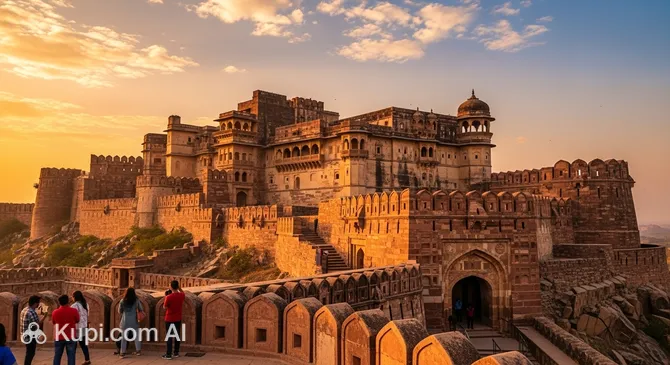
Located in the heart of Rajasthan, Bali is a quintessential provincial Indian town where life flows at an authentic, measured pace. Unlike the bustling metropolises of India, it retains an atmosphere of everyday life untouched by mass tourism. The town serves as an important hub in the Pali district, attracting those seeking a glimpse into the region's genuine lifestyle without any embellishments.
Geographically, Bali is spread across the plains near the Aravalli Range. The town's population is estimated to be around 30,000, making it compact and cozy enough for walking through the central neighborhoods. Tightly interwoven streets, lively trade, and administrative buildings define the character of this settlement.
Although the town is not a major tourist center, it charms visitors with its simplicity: from local markets filled with spicy aromas to small temples reflecting Rajasthan's spiritual heritage. Learning about the history of Bali provides a better understanding of how the small municipalities of this state have evolved over the decades.
Bali. Illustration.
Source: Kupi.com AI
We recommend visiting Bali for those planning a trip along the route between Jodhpur and Udaipur. It is an excellent place to pause, enjoy a cup of traditional masala chai, and observe the leisurely rhythm of life in the Indian hinterland.
Weather Overview
The climate of Bali, like all of Rajasthan, is characterized as semi-desert, which implies sharp seasonal temperature changes. Summer here can be truly harsh: in May, temperatures often soar to +45°C. During this period, the air becomes very dry and dusty, which should be considered when planning long walks.
Winter, conversely, is considered the most favorable time to visit the town. From November to February, average temperatures range from a comfortable 16–22°C, although it can cool down to +9°C at night. The monsoon period occurs in July and August, bringing long-awaited moisture and a noticeable revival of nature, although rainfall remains moderate.
Expect a very hot summer with minimal rain and a mild, dry winter with clear skies. To better prepare for your trip and find out the current the city's climate for your specific dates, we recommend monitoring forecasts in advance, especially during the transitional seasons.
Average monthly temperature
Average monthly precipitation
Interesting Facts
Get to know the interesting details that reveal the character of this small Indian town:
Official Status: According to the Indian classification system, Bali is a Class IV municipality, highlighting its role as an important local administrative and residential center.
Demographic Portrait: According to historical census data, the literacy rate here is around 59%, with education levels significantly higher among men than women.
A Young Population: Children under the age of 6 make up nearly 15% of the town's residents, giving the streets of Bali a special liveliness and energy.
Industrial Neighborhood: While the Pali district is world-renowned for its marble industry, Bali itself remains primarily a residential and commercial town, preserving its environment and tranquility.
Building Density: Despite its small size, the town features a very dense and chaotic layout, typical of old settlements in Rajasthan.
How to Get There
The accessibility of Bali is due to its position in the Pali district. Although the town does not have its own airport, it is conveniently connected by road to the major transport hubs of Rajasthan. Travelers should plan their route in advance, taking into account local traffic conditions and distances.
The nearest air hub is the airport in Jodhpur, located approximately 150 kilometers away. An alternative option is Udaipur Airport (about 200 km), which takes 4–5 hours via the NH162 highway. From major cities like Jaipur, intercity buses regularly run to Bali, with a travel time of about 5–6 hours.
Railway connection is provided through the station in the city of Pali, located 50 kilometers from Bali. From the station, the town can be reached by taxi or local buses; the trip usually takes 1 to 2 hours depending on road conditions. More detailed information on routes can be found in the section describing how to get to Bali.
Station
Passenger traffic
Distance
Udaipur City railway station
5
81 km
Jodhpur railway station
11
124 km
Kishangarh railway station
3
217 km
Ahmedabad Junction railway station
11
250 km
Main Attractions
The town of Bali is not a classic tourist destination, so you won't find world-famous monuments here. However, that is precisely its charm: the main "attraction" is its vibrant, unfiltered atmosphere. The heart of city life is the Central Market, where you can spend hours watching the trade, examining traditional fabrics, and sampling local snacks straight from the stalls.
The spiritual life of the town is represented by numerous Hindu and Jain temples. These sanctuaries, while not grand in scale, are striking for their graceful architecture and the sincerity of the worshippers. A walk through the narrow streets of the old quarters will allow you to see small domestic altars and traditional architecture characteristic of small towns in Rajasthan.
For many travelers, Bali serves as a convenient base for a trip to the famous temples of Ranakpur, located just a few dozen kilometers away. Thus, the town itself becomes an important transit point, offering an authentic experience of the Indian province before visiting the region's great architectural masterpieces.
Local Cuisine
The gastronomic scene in Bali is a true hymn to traditional Rajasthani cuisine. Most establishments here are vegetarian, following the state's centuries-old traditions. The diet is based on spicy lentil dishes, a variety of vegetables, and, of course, the famous flatbreads. Be sure to try Dal Baati Churma—a hearty dish made of baked wheat balls and a thick legume-based sauce.
Locals prefer to dine in small "dhabas"—roadside or market eateries where the food is always fresh and aromatic. Special attention should be paid to street snacks at the bazaar: you might find gattam-mathri (sweet pastries) or the sour soup kadhi (often referred locally as marath). Among beverages, masala chai with milk and spices is the leader, while on hot days, nothing is as refreshing as a glass of cool lassi—a traditional yogurt drink.
For the tourist, Bali offers an honest gastronomic experience without restaurant pretension. Those with a sweet tooth should visit local confectionery shops for desserts based on desi ghee. Keep hygiene rules in mind: choose places with a high flow of customers and always prefer thermally processed dishes and factory-packaged drinks.
Travel Tips
A trip to Bali can be an unforgettable adventure if you prepare in advance for the specifics of life in the Indian provinces. These practical tips will help you feel confident and enjoy every moment of your journey.
Clothing and Dress Code: Choose light clothing made from natural fabrics, but remember to be modest: shoulders and knees should be covered when visiting temples. Comfortable closed shoes will protect your feet from dust and uneven roads.
Getting Around Town: The best way to move around is by rickshaws. Always confirm the fare before starting the trip. For trips to neighboring towns, it is more convenient to hire a car with a driver.
Finances and Payment: Always carry an adequate supply of cash in rupees. There are ATMs in Bali, but international cards may not always work. Cashless payments are possible only in very rare places.
Hydration and Food: Drink only bottled water and avoid ice in drinks. In local cafes, prioritize dishes that have been thermally processed in your presence.
Connectivity and Internet: Mobile internet works steadily, but Wi-Fi in guesthouses can be slow. It is better to purchase a SIM card in advance in large cities like Jodhpur or Pali.
Local Etiquette: The traditional greeting "Namaste" always elicits a friendly response. Remember that the left hand is considered unclean in India, so pass objects and accept food only with your right hand.
What to Avoid: Do not drink tap water and avoid walking alone in poorly lit outskirts of the town after dark. Avoid political discussions.
Best Time to Visit: Plan your trip for the winter months (October to March). During this time, the weather in the city is most comfortable for walking, whereas summer can be exhaustingly hot.
May your acquaintance with Rajasthan begin with this hospitable town, which will offer you many vivid discoveries and warm encounters!
Entertainment & Nightlife
The entertainment infrastructure in Bali is primarily oriented toward local residents, so you won't find loud nightclubs or modern cinemas here. The main centers for evening leisure are the city markets and tea stalls (dhabas), where people gather to socialize over a hot drink. An evening promenade through the shopping rows is the main "show," where you can feel the rhythm of local life.
Nightlife in the town is virtually non-existent, and life in Bali quietens down quickly after sunset. Exceptions occur during major festivals such as Diwali or Holi, when the streets are transformed, filled with light, music, and festive processions. On such days, the town truly comes alive, involving every guest in the whirlwind of folk traditions.
Daytime entertainment includes walking through the central squares and attending local temple festivals. If you are looking for more modern forms of recreation, such as shopping malls or concert halls, it is better to head to nearby Pali or Jodhpur. Bali, on the other hand, offers a luxury rare these days—silence, peace, and the opportunity to fully immerse yourself in unhurried family leisure surrounded by friendly locals.
Parks & Museums
Due to its small size and primarily residential nature, Bali cannot boast extensive park zones or large museums. Instead, the town offers its guests cozy public spaces and small squares located near administrative buildings and the central market. These recreation areas, though modest in size, serve as important meeting places for local residents.
The city's greenery is fragmentary: trees are mainly planted along the roads to help combat dust during the dry season. Unfortunately, there are no full-fledged botanical gardens or forested areas within the city limits. For natural beauty and open spaces, residents and guests of Bali usually head to the foothills of the Aravalli Range, where picturesque spots for outdoor picnics can be found.
The lack of traditional museums in Bali is compensated for by the urban environment itself, which is a living monument to history and daily life. Walking past old buildings and temples, you will learn much more about the region's culture than within the walls of any gallery. For those who crave classic exhibitions, the best solution would be a trip to Pali or Jodhpur, which house rich historical collections.
Getting Around
The transport system in Bali is as simple as possible and adapted to the town's compact size. The main means of transportation here are auto-rickshaws (tuk-tuks) and cycle-rickshaws. They are ideal for moving through the narrow, often crowded streets of the center, where regular cars can find it difficult to maneuver. The cost of a rickshaw ride is usually low, but the price should be agreed upon in advance.
There is also a developed network of bus routes within the city connecting Bali with neighboring villages and major regional towns. Buses are the cheapest form of transport; however, they often run without a strict schedule and can be overcrowded during peak hours. Tickets are purchased directly from the conductor or driver. There are no metro or tram systems in the town, which is typical for settlements of this size.
For tourists, walking remains the most convenient way to get around, as the town's diameter does not exceed 5–10 kilometers. If you need to travel a longer distance, it is better to book a taxi through your hotel or use local transport providers. Renting a scooter or bicycle in Bali is possible but requires caution due to chaotic traffic and the large number of trucks on the main roads.
Accommodation
Accommodation options in Bali are limited, as the town is not a mass tourist destination. The hospitality sector mainly consists of budget guesthouses and lodges catering to transit travelers and locals. These are simple but functional accommodation options that allow you to experience the true flavor of Indian life.
The cost of staying in such places is very affordable, usually ranging from 500 to 1,500 rupees per night. For those planning to stay in the region for a longer period, apartment rental options are available in residential areas. There are virtually no luxury hotels in Bali, so travelers seeking luxury should consider staying in nearby major cities.
We recommend booking accommodation in advance if your trip coincides with major religious holidays or festivals, when the number of available rooms can drop sharply. At other times, finding a room upon arrival is usually not difficult, though pre-selecting can ensure more comfortable living conditions.
Nearby Cities
Bali serves as an excellent starting point for exploring the surroundings, providing access to lesser-known but charming corners of Rajasthan. Just 18 kilometers away is the town of Sadri, which is famous for its tranquility and is an important point on the way to the famous Jain temples. A trip there takes very little time but allows you to see another authentic example of the local way of life.
Equally interesting for a day visit is Sheoganj, located 23 kilometers to the south. This town attracts travelers with its lively markets and the opportunity to get acquainted with the administrative life of the region. It is also worth noting Vellar and Tahatgarh, which are within an hour's drive and offer the quiet atmosphere of rural India.
City
Population
Distance
Sadri
27 394
18 km
Shivganj
24 785
23 km
Vellar
11 691
31 km
Takhatgarh
16 729
33 km
Aroali
10 115
46 km
The region around Bali is literally steeped in history and culture. We strongly recommend not limiting yourself to city walks but taking a short trip to the neighboring settlements. Each possesses its own unique character and allows for a deeper immersion into the multifaceted world of Rajasthan.
Shopping & Souvenirs
Shopping in Bali is primarily about visiting the central bazaar, which is the heart of the town's commercial life. There are no glitzy shopping malls here, but there is an abundance of shops selling traditional Indian goods. At the market, you can find magnificent Rajasthani fabrics, colorful scarves, and clothing decorated with hand embroidery.
Local spices and sweets deserve special attention and make excellent gifts. The town is also famous for its artisans: handmade jewelry and metalwork are frequently found on the stalls. If you are looking for the famous Rajasthani marble, it is better to go to Pali for large items, but small stone souvenirs can also be found in the local shops of Bali.
Shops in the town usually open around 10 AM and operate until late evening, with a lunch break during the hottest part of the day. Payments are primarily made in cash (Indian rupees); bank cards are accepted only in a few large outlets. Don't forget that polite bargaining is appropriate and even welcomed in the markets of Bali—it is an integral part of the local trading culture.