Support

Kutch Museum

About

The Kutch Museum, the oldest museum in the state of Gujarat, allows you to immerse yourself in the incredible atmosphere of this ancient region. Located in the vibrant city of Bhuj, this museum has been carefully preserving history and traditions that reflect the rich heritage of the region since 1877. The museum building rises impressively opposite the picturesque Hamisar Lake, drawing travelers in with its austere architecture and unique collections.
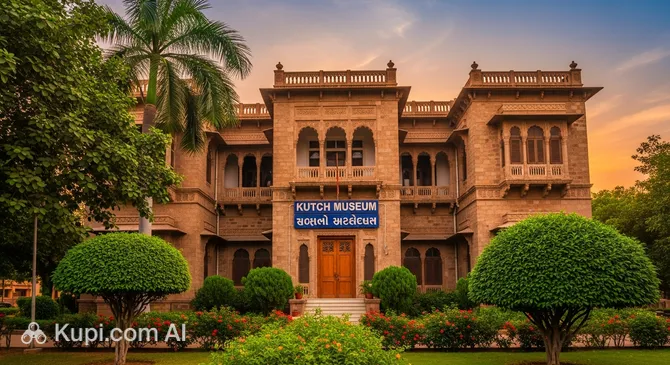
Kutch Museum
Kutch Museum. Иллюстрация. Источник: Kupi.com AI

This place is rightfully considered the cultural heart of the state in India, where every exhibit tells its own story. The halls feature rare collections dedicated to local crafts for which the region is so famous: from delicate embroidery and textiles to ancient weapons and household items. The museum vividly demonstrates how Bhuj, as the capital of the princely state since the 16th century, became a crossroads of trade routes and the arts.

Visitors appreciate the museum for the opportunity to see authentic artifacts related to the life of local tribes and to learn about the unique script and numismatics of Kutch. Its high rating among tourists confirms that it is an essential stop for any explorer seeking to understand the true spirit of western India.

Contacts

For planning a visit to the Kutch Museum, it is useful to have the exact coordinates on hand. Below is the current contact information for finding the site in the city of Bhuj.

How to contactContact
Address6MX8+FGM, Opposite hmisar lake, Ганшиэм Нагар, Бхудж, Гуджарат 370001, Индия

What to Do

A visit to the Kutch Museum offers guests a fascinating journey through the centuries. First and foremost, pay attention to the halls featuring traditional embroidery—it is this craft that brought world fame to the local craftswomen. By examining the intricate patterns and vibrant fabrics, you can trace how the styles of different communities and tribes in the region have evolved.

For military history enthusiasts, there is an impressive collection of ancient weapons and armor once used by the warriors of the princely state. Just as interesting are the sections dedicated to jewelry and ethnography: everyday objects, musical instruments, and tools allow you to literally touch the daily life of Kutch residents from past eras.

The museum also features interesting archaeological finds and examples of ancient architecture. After viewing the indoor exhibits, it is pleasant to stroll around the grounds, take commemorative photos of the historic building's facade, and enjoy the tranquility while looking out over the waters of Hamisar Lake. Information plaques help you navigate the variety of objects, making the walk educational even without a guide.

Getting There

Getting to the Kutch Museum is easy, as it is located in the very heart of the city, opposite the scenic Hamisar Lake. If you are arriving in the region by plane, the nearest hub is Bhuj Airport (BHJ), located approximately 5–7 kilometers from the museum. A taxi ride from the airport will take about 15–20 minutes depending on traffic.

For those traveling from other major Indian cities, such as Ahmedabad, a convenient option is the railway to Bhuj Junction station or intercity bus services. Within the city itself, the most popular and colorful way to get around is by auto-rickshaw, which can easily take you right to the museum entrance.

The Ghanshyam Nagar area serves as a landmark for drivers and pedestrians. For self-navigation and finding the exact route, we recommend using Google Maps. Parking spaces for private vehicles are available near the museum grounds.

Ближайший город: Bhuj

History & Facts

The history of this site is inextricably linked to the development of the entire region. The Kutch Museum, founded in 1877, is officially recognized as the oldest museum in the state of Gujarat. Its establishment was an important step in preserving the unique identity of the Princely State of Kutch, which for centuries flourished as a distinct cultural and trading hub.

The city of Bhuj itself dates back to 1510, when it was founded by Rao Hamirji. Later, in 1549, it gained the status of capital under the rule of Rao Khengarji I. It is believed that the city's name originates from Bhujiya Hill, named in honor of the Snake deity. The city's strategic position and powerful fortifications allowed the region to prosper for a long time, maintaining its independence and traditions.

Throughout the centuries, the region's artisans were famous for their skill in creating complex embroidery, textiles, and exquisite jewelry. The museum's collections reflect this economic prosperity, showcasing items that were once part of daily life and grand palace receptions. The museum acts as a guardian of memory for the times when Bhuj was a key link in trade through the port of Mandvi.

Time Needed

To leisurely explore all the themed halls and delve into the details of the exhibits, the average visitor is recommended to set aside 1.5 to 2 hours. This is plenty of time to get acquainted with the main sections—from ethnography to archaeology.

If you are a connoisseur of history or the art of embroidery, your stay at the museum may last longer, as the detailing in some of the works is truly imaginative. A visit to the museum can be perfectly combined with a walk along the lake embankment, making your cultural leisure time more balanced and fulfilling.

Working Hours

The Kutch Museum is open to visitors most of the week; however, it is important for tourists to keep the closing day in mind. Standard operating hours are Monday to Sunday from 10:00 AM to 5:00 PM, with the exception of Wednesday, when the museum is closed for maintenance.

As schedules may change during public holidays or special events, it is recommended to check for up-to-date information on official resources or with local guides before your trip.

DayWorking hours
понедельник10:00–17:00
вторник10:00–17:00
средаЗакрыто
четверг10:00–17:00
пятница10:00–17:00
суббота10:00–17:00
воскресенье10:00–17:00

Nearby

Exploring the surroundings of Hamisar Lake allows you to soak deeper into the atmosphere of ancient Bhuj. After visiting the museum, it is worth taking a walk to the nearby historical gates and palace complexes, which are within walking distance.

The variety of architectural styles and panoramic views of the city make this area ideal for long excursions. Below is a list of interesting locations nearby:

NameDistance
Shree Swaminarayan Temple Bhuj0.3 km
Aina Mahal0.7 km
Prag Mahal0.7 km
Dadavadi Jain Temple0.7 km
Sharad Baug Palace0.8 km
Chhatardi of Bhuj0.9 km
Ranjit Vilas Palace1.3 km

Reached the end of the page?

That means the route is fully explored