Support

Ranjit Villas Palace

About

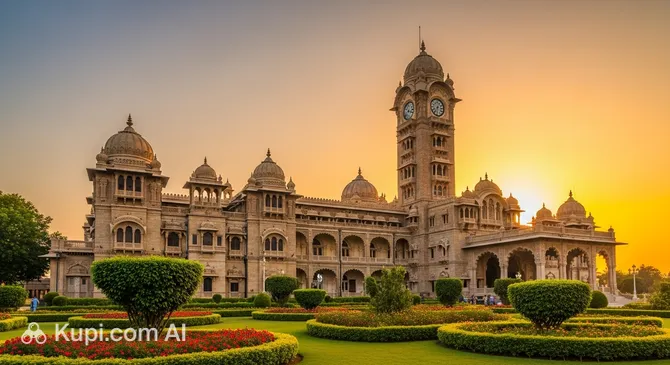
Imagine a majestic building where Eastern traditions and Western elegance are gracefully intertwined—this is Ranjit Vilas Palace. Located in the heart of the city of Rajkot, this historical monument is a vivid reflection of the colonial era in the state of Gujarat, representing India in all its diversity.
\n
Ranjit Vilas Palace
Ranjit Vilas Palace. Иллюстрация. Источник: Kupi.com AI
\n

The palace serves not just as an architectural ornament, but as a full-fledged museum and exhibition space. Here, among spacious halls and cozy courtyards, priceless artifacts belonging to the Jadeja dynasty are preserved. Carved facades and well-kept gardens create an atmosphere of authentic aristocratic tranquility, attracting both history buffs and connoisseurs of classical aesthetics.

\n

High ratings and positive traveler reviews confirm that this place is a must-see on any regional itinerary. A visit to the palace allows you to peek behind the scenes of the lives of past Indian rulers and enjoy the authentic setting preserved to this day.

Contacts

For those planning a visit to Ranjit Vilas Palace, it will be useful to have current contact details on hand. This will help you find your way on-site or clarify information regarding any possible changes in access to the exhibits.

How to contactContact
Address7RV5+CP5, Palace Rd, Hathi Khana, Vardhman Nagar, Rajkot, Gujarat 360001, Индия
Phone+91 1800 203 1111

What to Do

The main reason to visit Ranjit Vilas Palace is to take a detailed look at its magnificent interiors. Visitors can move freely through the halls, where rare collections of historical furniture, vintage photographs, and personal belongings of the maharajas are on display. Special attention should be paid to the architectural details: carved arches, graceful columns, and ancient frescoes that serve as perfect backdrops for memorable photos.

A stroll through the palace gardens will offer moments of peace amidst the greenery, while the upper terraces of the building provide picturesque panoramic views of the city. For those with a deeper interest in culture, the palace often hosts thematic exhibitions dedicated to the traditional clothing and jewelry of the Gujarat region.

Souvenir hunters should check out the small gift shop on the grounds, where you can purchase items made by local artisans. With its abundance of interesting locations and retro-style photo zones, a visit here is an excellent choice for a family outing or an educational excursion.

Getting There

Reaching this historical gem in the city of Rajkot is quite simple. The most convenient and fastest way is to use a taxi or a traditional Indian auto-rickshaw from the city center. A trip from the Rajkot Junction railway station will take only about 10–15 minutes, depending on traffic conditions.

For those who prefer public transport, city buses heading to the Vardhman Nagar stop are a good option. After getting off the bus, it is just a 5–10 minute walk. If you are arriving in the region by plane, you can take a taxi from Rajkot Airport (RAJ) to the palace in about 20–30 minutes, covering a distance of approximately 10 kilometers.

Tourists traveling from other cities in India should look for direct trains or intercity buses to Rajkot. Experienced travelers recommend planning your visit during daylight hours—this not only ensures safety but also allows you to capture the best photographs of the architectural ensemble in natural light.

Ближайший город: Rajkot

History & Facts

Built at the beginning of the 20th century, this majestic palace is inextricably linked to the history of the Rajkot State, which at that time was part of British India. It is believed to have been named in honor of Maharaja Ranjit Singh or prominent rulers of the Jadeja dynasty, whose influence in the Gujarat region was undisputed for centuries.

During the colonial era, the building served as an important social hub: lavish receptions were held here, and high-ranking guests were welcomed. The palace's architectural style became a striking example of a synthesis of cultures, where traditional Indian motifs harmoniously intertwined with European trends characteristic of the 1920s and 1930s.

After India gained independence, the estate's purpose changed—it was converted into a museum. This allowed Gujarat's unique heritage to be preserved for future generations, turning a private residence into a public historical monument.

Today, the palace halls carefully house artifacts illustrating not only the life of the ruling elite but also the development of Rajkot itself as a key trading and cultural hub. Documents, everyday items, and works of art allow visitors to literally touch the bygone era of the maharajas.

Time Needed

To leisurely immerse yourself in the atmosphere of a bygone era and carefully explore all the hidden corners of the residence, a typical visitor will need about 1.5–2 hours. This is enough time to walk through the grand halls, examine the museum displays, and stroll through the adjoining garden.

If you are passionate about photography or the detailed study of architectural elements, it is worth setting aside a bit more time. A relaxed pace will allow you to enjoy the elegance of the interiors and take high-quality photos without the hustle and bustle often found at more crowded tourist sites.

Working Hours

The palace is typically open to guests from 08:00 to 17:00. Please note that this schedule applies from Monday to Saturday, while Sunday is traditionally a day off.

Since visiting hours may change due to special events or public holidays, tourists are advised to check current information on official resources or with local guides before their trip.

DayWorking hours
понедельник08:00–17:00
вторник08:00–17:00
среда08:00–17:00
четверг08:00–17:00
пятница08:00–17:00
суббота08:00–17:00
воскресеньеЗакрыто

Nearby

Exploring the surroundings of the palace will give you a more complete picture of the cultural life and entertainment of the modern city. Nearby are many interesting locations: from green parks to modern entertainment centers, which will perfectly complement your historical itinerary.

A walk through the adjacent neighborhoods provides an opportunity to see how the traditional lifestyle in the state of Gujarat coexists with dynamic urban development.

NameDistance
Mahatma Gandhi Museum0.9 km
Alfred High School (Mohandas Gandhi High School Museum)1 km
Watson Museum1.1 km
Sarovar Portico Rajkot1.1 km
Jubilee Garden1.1 km
Fern Residency Bar1.5 km
Rotary Dolls Museum1.9 km

Reached the end of the page?

That means the route is fully explored