Support

The Tibet Museum

About

Situated in the picturesque town of Dharamsala, the Tibet Museum serves as the primary cultural and historical repository of the Central Tibetan Administration. This site in India is more than just an exhibition hall; it is a living testament to the resilience, faith, and rich heritage of the Tibetan people. Having moved to a modern new facility in 2022, the museum has opened its doors to thousands of pilgrims and tourists from across the globe.
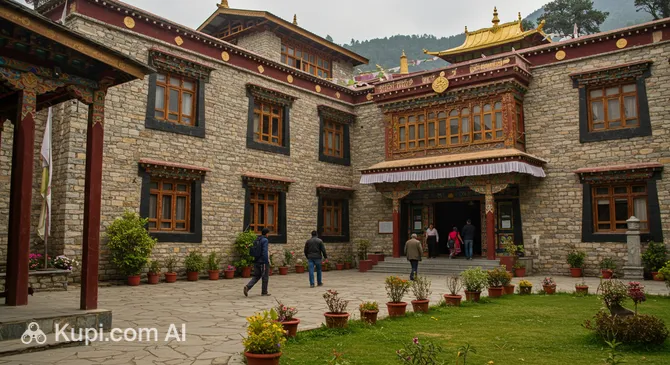
The Tibet Museum
The Tibet Museum. Иллюстрация. Источник: Kupi.com AI

At the heart of the museum is the permanent exhibition titled "I Am Tibetan, This Is My Story." It is masterfully divided into ten thematic zones covering everything from the ancient history of the empire and an introduction to Buddhist philosophy to the tragic events of escape and current life in exile. The collection includes over 30,000 unique photographs and everyday items donated by Tibetans from all corners of the planet.

Visitors are often struck by the depth of the exhibits, which are presented in three languages: Tibetan, English, and Hindi. The museum not only showcases traditional clothing from the Amdo, Kham, and U-Tsang regions but also highlights Tibet's unique ecosystem. It is an important place of memory that helps every guest experience the strength of spirit and cultural identity of a people carefully preserved far from their homeland.

Contacts

For those planning a visit to the Tibet Museum, it is essential to have up-to-date contact information for communication and navigation. We recommend checking the official website in advance to learn about current temporary exhibitions or potential schedule changes.

How to contactContact
Address2nd Floor, T building, CTA, Gangchen Kyishong, Upmuhal, Dharamshala, Himachal Pradesh 176215, India
Phone+91 189 222 2457
Websitetibetmuseum.org

What to Do

A visit to the museum offers a profound emotional experience, where every guest can truly touch history through the unique exhibition "I Am Tibetan, This Is My Story." Here, you will see rare archival footage and personal testimonies, as well as detailed mannequins dressed in traditional costumes of the three Tibetan provinces. Pay special attention to the section dedicated to daily life, ranging from the process of preparing tsampa (barley flour) to the use of antique household utensils.

The interactive part of the museum includes documentary screenings and video messages from the Dalai Lama, which provide a better understanding of Tibetan Buddhist philosophy and the modern challenges facing the culture. You can examine topographical models of Tibet and maps recreated from ancient manuscripts, as well as explore sections dedicated to environmental conservation on the "Roof of the World."

Don't forget to stop by the temporary exhibition halls, which often feature works by contemporary Tibetan artists or host thematic shows for commemorative dates. For those seeking a deeper dive, the Q&A zones are particularly interesting, featuring projectors that explain complex historical and religious aspects, turning your visit into a true educational journey.

Getting There

The path to this cultural center lies through the scenic foothills of the Himalayas, where Dharamsala is nestled. The museum is located at Gangchen Kyishong, on the second floor of Building T within the Central Tibetan Administration complex. This location is situated very close to the famous Tsuklagkhang temple complex in McLeod Ganj, making it easily accessible for those on foot.

If you are arriving from further away, the nearest airport is Kangra (DHM), from which a taxi ride takes about 45 minutes. From Delhi, visitors often arrive via overnight buses or trains to Pathankot station, followed by a taxi or local bus. Within Dharamsala itself, it is most convenient to use auto-rickshaws or local taxis to reach the gates of the government compound.

For those already in McLeod Ganj, a walk to the museum is a pleasant addition to any itinerary—the journey from the main square takes no more than 10–15 minutes. Keep in mind the hilly terrain and choose comfortable footwear, as the streets here can be quite steep, and parking for private vehicles is limited.

Ближайший город: Dharamshala

History & Facts

The history of the Tibet Museum began in 1998, when it was conceived as a national center to document and preserve the memory of the Tibetan people's journey. It officially opened on April 30, 2000, with His Holiness the 14th Dalai Lama cutting the ceremonial ribbon. Initially, the exhibition was housed in a small space within the Tsuklagkhang complex, but immense public interest necessitated a larger venue.

A major milestone for the institution was 2022, when the museum moved into a modern, spacious building covering 830 m². This transition allowed for a significant expansion of the collection, which today includes more than 40,000 archival photographs and hundreds of unique personal items. Many exhibits were collected "door-to-door" from Tibetan refugees living in India and around the world, making the exhibition incredibly authentic.

The museum's mission extends far beyond simply storing antiquities. It is a living educational center that introduces the world to Tibetan history, from the powerful empire of the 7th century to the modern realities of life in exile. The museum actively develops traveling exhibitions that tour various countries, carrying the voice of Tibetan culture far beyond the Himalayan slopes.

Time Needed

When planning your day in Dharamsala, set aside one and a half to two and a half hours to explore the exhibition. This is generally enough time to leisurely walk through all ten thematic sections, look over archival documents, and watch the short video materials.

If you prefer to read every description in detail and want to spend time at the temporary art exhibitions, your visit may extend to three hours. The installations and interactive zones encourage thoughtful immersion, so it is best not to plan a rushed visit right before closing time.

Working Hours

The museum is open to visitors throughout the week, with the exception of Saturdays. The operating schedule is divided into morning and afternoon sessions: from 9:00 AM to 1:00 PM and, following a lunch break, from 2:00 PM to 5:00 PM. Please note that the museum is closed on Saturdays, so plan your visit accordingly for other days, including Sundays.

DayWorking hours
Понедельник9:00 – 13:00, 2:00 – 17:00
Вторник9:00 – 13:00, 2:00 – 17:00
Среда9:00 – 13:00, 2:00 – 17:00
Четверг9:00 – 13:00, 2:00 – 17:00
Пятница9:00 – 13:00, 2:00 – 17:00
СубботаЗакрыто
Воскресенье9:00 – 13:00, 2:00 – 17:00

Nearby

The surroundings of the Tibet Museum in Dharamsala offer travelers numerous interesting locations to complement their visit. A stroll through these areas allows for a deeper immersion into the region's atmosphere, where Himalayan traditions intertwine with modern culture.

Exploring nearby sites—from historical buildings to scenic viewpoints—will give you a chance to see the real India with its contrasts and hospitality. We recommend checking out the following points of interest located within a few kilometers of the museum:

NameDistance
Namgyal Monastery0.7 km
Tsuglagkhang Complex (Dalai Lama Temple)0.7 km
Dharamshala Ropeway – McLeod Ganj Station0.9 km
Kangra Art Museum1.2 km
Divine Buddha Handicrafts1.2 km
Kalimpong Restaurant1.4 km
Kalachakra Temple1.4 km

Reached the end of the page?

That means the route is fully explored