Support

Hassan

About

Hassan is a charming city located in southern India, in the picturesque state of Karnataka. It is situated approximately 183 kilometers from the bustling city of Bengaluru and just 119 kilometers from the region's cultural capital, Mysuru. The city is nestled among hills and green fields, creating a unique atmosphere of peace and tranquility, making it an excellent starting point for exploring the rich heritage of this part of the country.
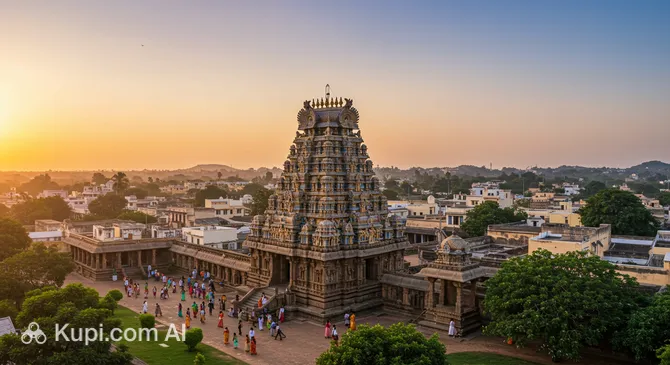
Hassan. Illustration.
Source: Kupi.com AI

With a population of about 133,000 people, Hassan is not only the administrative center of the district of the same name but is also rightfully considered the cultural and historical heart of Karnataka. Ancient traditions and a modern way of life intertwine here in a wonderful way: on its streets, you can see both ancient temples and cozy markets or modern cafes. The atmosphere of Hassan is permeated with the friendliness of the local residents and a unique cultural flavor, where the past harmoniously coexists with the present.

The main draw for travelers to Hassan is its role as a gateway to the world of amazing temple architecture and ancient civilizations. The city and its surroundings are famous for numerous historical monuments and magnificent temple complexes that reveal the secrets of long-past eras. It is from here that it is convenient to begin exploring the architectural gems of the region, immersing yourself in its rich history and culture.

If you are looking for a place where you can touch antiquity, enjoy peace, and discover vibrant Indian traditions away from the noise of megacities, Hassan will be a true discovery for you and will provide unforgettable impressions.

You can find more interesting facts on the history of the city of Hassan page.

Weather Overview

The weather in Hassan features warm temperatures throughout the year. The hottest months are March and April, when average maximum temperatures rise to 31.6°C and 32.7°C respectively. The coolest, yet still comfortable, months are January and December, with average temperatures around 21°C and minimum values near 15-16°C.

Regarding precipitation, Hassan experiences a pronounced dry season from January to March, when rainfall is minimal (0 mm). The bulk of the rain falls from May to October, with July being the wettest month with 9 mm of rainfall and approximately 28 rainy days. Overall, expect a warm summer with regular rain and drier but warm winter months. You can find more detailed information on the climate of Hassan page.

Average monthly temperature

Average monthly precipitation

Interesting Facts

Hassan is not just a city with a rich history; it is a place that holds many fascinating secrets and surprising details that sometimes remain in the shadow of more famous attractions.

  • The city owes its name to the goddess Hassanamba, who is considered its patroness. The main temple dedicated to her opens its doors to pilgrims for only a few days a year during a colorful festival, keeping its secrets in silence for the rest of the time.

  • Hassan was once an important center of the great Hoysala Empire. Its surroundings were home to the ancient capitals of this empire—Belur and Halebidu—where one can still admire temples with incredibly fine and complex stone carvings executed in the characteristic Vesara style.

  • Near Hassan stands one of the largest monolithic statues in the world—the majestic Gommateshwara statue. This impressive sculpture, carved from a single block of stone, is an important pilgrimage site and a testament to ancient craftsmanship.

  • Local residents tell intriguing legends about the ruined Shettihalli church, also known as the "Floating Church." During the rainy season, it partially disappears under water and then reappears, creating a truly mystical and picturesque sight.

How to Get There

There are various ways to reach this colorful city in the state of Karnataka, although a direct flight to the city is not possible. You can explore all ways to get to the city of Hassan on our detailed page, and below we will look at the main transport hubs through which tourists usually plan their route.

Hassan itself does not have an airport, so travelers must fly to major nearby cities. The most popular and convenient option is Kempegowda International Airport (BLR) in Bengaluru. It is located about 176 km from Hassan. This is a major international hub receiving flights from all over the world. The journey from the airport to Hassan by taxi or bus takes about 3.5–4 hours on a good highway.

An alternative option is Mangalore Airport (IXE), located in the city of Mangaluru, about 131 km from Hassan. The route from here passes through the picturesque but winding roads of the Western Ghats, so the journey time is about 3.5 hours. It is also worth mentioning Shivamogga Airport (RQY) in the city of Shivamogga. This is the nearest airport (about 109 km), but it serves significantly fewer flights than the hub in Bengaluru.

For clarity, here is summary information on the main airports located in relative proximity to the city:

AirportPassenger trafficDistance
Shivamogga Airport161 000109 km
Mangalore Airport2.3 mln131 km
Kannur International Airport1.3 mln134 km
Kempegowda International Airport41.9 mln176 km
Calicut International Airport3.7 mln207 km

Railway connection is another excellent way to get to Hassan. The city is home to an important junction station, Hassan Junction. It connects the city with major centers such as Bengaluru, Mysuru, and Mangaluru. Trains from Bengaluru run regularly and are a budget-friendly and comfortable travel option. The route from Mangaluru, which passes through green mountains and tunnels, is considered particularly scenic. From the railway station to the city center or your hotel, you can easily get there by auto-rickshaw or taxi in 10–15 minutes.

Main Attractions

Hassan, a city in the state of Karnataka, offers travelers several interesting places to visit and serves as an excellent base for exploring the region's rich historical heritage.

One of the main shrines of Hassan is the Hasanamba Temple, dedicated to the city's patron goddess, after whom it is named. The temple is unique because its doors open to worshippers only once a year, usually for two weeks during the Hindu festival of Deepavali. This event attracts thousands of pilgrims and curious tourists eager to witness ancient rituals and receive blessings.

For a relaxing break and outdoor walks, Maharaja Park is perfect. This popular green space in the city offers a retreat from the bustle, where you can enjoy well-kept lawns and flower beds. The park is a favorite spot for family leisure and evening strolls for both locals and visitors to Hassan.

Not far from Hassan, in the village of Shettihalli, lies the amazing Rosary Church, also known as the "Submerged Church." Built in the 1860s by French missionaries, this Gothic structure partially submerges under water during the monsoon season due to the construction of the Gorur Dam. The ruins of the church, rising above the water or standing against its backdrop, create an incredibly picturesque and somewhat melancholy sight, attracting photographers and seekers of unusual views.

Additionally, Hassan serves as a convenient starting point for exploring the magnificent heritage of the Hoysala dynasty. From the city, it is easy to reach the world-famous temple complexes in Belur and Halebidu. These ancient capitals are renowned for their exquisite stone carvings and unique 12th-13th century architecture, making them of great interest to lovers of history, art, and ancient culture.

Local Cuisine

The gastronomic scene of Hassan is a true immersion into the authentic flavors of South India, capable of surprising even the most discerning gourmet. The cuisine here is distinguished by the use of fresh local products, aromatic spices, and traditional recipes passed down through generations. It is a wonderful opportunity to get acquainted with the culinary traditions of the state of Karnataka.

Among the dishes that are a must-try in Hassan is ragi mudde—nutritious finger millet balls traditionally served with aromatic and spicy sambar. Another iconic dish is bisi bele bath, which is a hearty combination of rice, lentils, vegetables, and a unique set of spices. One cannot overlook the popular street food: crispy masala dosa (thin crepes with potato filling), soft steamed idli rice cakes, and savory vada (fried lentil flour donuts), often served with coconut chutney.

Among drinks, refreshing options based on coconut and lime are popular in Hassan, perfectly quenching thirst on a hot day. Special attention should be paid to the local coffee, as Hassan is located in a region famous for its coffee plantations. Aromatic, freshly brewed coffee with a slight acidity and rich taste, often served with traditional Indian sweets like jalebi, makes for a perfect end to a meal.

The food culture in Hassan is diverse. Local residents and tourists often choose small family-run eateries where they can taste home-cooked meals at affordable prices. Street food also plays an important role—numerous stalls offer a wide range of snacks and freshly squeezed juices. Local markets abound with fresh fruits, vegetables, spices, and prepared sweets like fragrant jalebis or crispy vegetable pakoras. Occasionally, gastronomic festivals take place in the city, allowing visitors to experience the culinary diversity of not only Karnataka but also neighboring regions.

Travel Tips

Planning a trip to Hassan, a charming city in the state of Karnataka? To ensure your journey goes smoothly and leaves only pleasant impressions, we have prepared some practical tips to help you navigate locally.

  1. Clothing and Essentials: Hassan has a tropical climate, so choose light cotton clothing. It is hot from March to May; June to October is the rainy season (bring a raincoat or umbrella); and November to February offers pleasant, mild weather when a light sweater might be useful in the evening. Don't forget sunscreen, a hat, comfortable walking shoes, and a universal adapter. When visiting temples (such as those in nearby Belur and Halebidu), choose modest clothing covering shoulders and knees, and be prepared to remove your shoes before entering.
  2. Transport: It is convenient to get around the city by auto-rickshaw—the most popular and affordable way for short trips (always agree on the price in advance or ask to turn on the meter). Local buses also run, but they can be crowded. For trips to attractions outside Hassan, like Belur and Halebidu, consider renting a car with a driver—this is more comfortable and saves you from the complexities of local traffic. Taxi apps like Ola or Uber may be available, but they are less common than in India's major metropolises.
  3. Finance: The official currency is the Indian Rupee (INR). You can exchange currency at banks or authorized exchange offices; avoid street money changers. Credit and debit cards (Visa, Mastercard) are accepted in major hotels, restaurants, and shops, but always have cash for small purchases, paying rickshaws, and at local markets. ATMs are quite common. Tipping is not mandatory but welcomed: 5-10% in restaurants if a service charge is not included, and small amounts for porters or drivers.
  4. Health and Safety: There are pharmacies ("Chemist" or "Pharmacy") in Hassan, but not all are open 24/7. It is recommended to have a basic first-aid kit with you. Medical assistance can be obtained at public and private clinics; be sure to have travel insurance. Hassan is considered a relatively safe city, but follow standard precautions: watch your belongings, especially in crowded places, and avoid walking in poorly lit areas after dark. Drink only bottled water and be careful with street food, choosing reputable places.
  5. Communication: The main language in Hassan is Kannada. Many also understand Hindi. English is common in the tourism sector, hotels, and among the educated population. Learn a few simple phrases in Kannada: "Namaste/Namaskara" (Hello), "Dhanyavadagalu" (Thank you), "Eshtu?" (How much?). Local SIM cards (Airtel, Jio) can be purchased by presenting a passport and visa. Wi-Fi is available in most hotels and some cafes.
  6. Local Etiquette: Greet locals with "Namaste," joining your palms at chest level. Dress modestly in public and especially when visiting temples. Avoid public displays of affection. Use your right hand for eating, passing money, or items, as the left hand is traditionally considered "unclean" in Indian culture. Ask for permission before photographing people.
  7. What to Avoid: It is strictly advised not to point your feet at people or religious images, as feet are considered unclean in the local culture. Also, when bargaining in markets (which is the norm), do so politely and with a smile, without being overly insistent or aggressive.
  8. Additional Tip: Hassan is the gateway to the amazing temple complexes of Belur and Halebidu, masterpieces of Hoysala architecture. Be sure to set aside time to visit them, as they are a primary reason to visit Hassan. Many shops in the city may close for a few hours during the day (a sort of siesta), so keep this in mind when planning your shopping.

We hope these tips help you better prepare for your trip to Hassan and enjoy its unique atmosphere and rich cultural heritage. We wish you an unforgettable journey!

Entertainment & Nightlife

In the evenings, Hassan offers travelers the chance to unwind after a busy day, although it does not boast the buzzing nightlife of major metropolises. Here, the emphasis shifts to more relaxed and authentic ways to spend the evening, enjoying the local atmosphere.

The core of evening entertainment in Hassan consists of restaurants, many of which stay open until late and offer both local Karnataka and pan-Indian cuisine. It is a great place to sample traditional treats in a calm setting. There are few specialized nightclubs in the European sense, but you can find hotel bars or certain local establishments where you can enjoy a drink. Nightlife here is primarily centered around socializing over dinner or taking leisurely walks through the illuminated streets of the central districts.

The atmosphere in Hassan at night is generally quite casual. Most establishments do not have a strict dress code, and the crowd is predominantly local, allowing for a deeper immersion into everyday Indian life. Venues usually start to get lively towards the evening, especially on weekends. The main streets where you can find restaurants and cafes open late are the roads leading from the central bus station or near major hotels.

If you are planning an evening out, the best time for dinner is between 8:00 PM and 10:00 PM. To get around the city at night, you can use auto-rickshaws, though it is best to agree on a price in advance, or book a taxi through local services or apps, if available. Average restaurant prices in Hassan are quite affordable. As for safety, as in any other city, it is wise to stick to well-lit and crowded streets after dark. Calling a taxi through your hotel or a known service can be a more reliable option for nighttime travel.

During the day, Hassan and its surroundings offer plenty of interesting activities. The city is a convenient base for visiting the famous Belur and Halebidu temples, masterpieces of Hoysala architecture. In the city itself, you can visit local markets to experience the flavor of Indian trade or stroll through the few parks. Museums and theaters are modestly represented, with the main focus being on the region's historical and cultural heritage.

Parks & Museums

Hassan, a city with a rich historical heritage in Karnataka, offers its guests not only the famous Hoysala temples in the vicinity but also pleasant green corners for relaxation and places to delve deeper into local culture and history.

One of the main green oases of Hassan is Maharaja Park. It is a popular spot among locals for morning walks, family outings, and evening leisure. Here, you can take a break from the city bustle, enjoy the greenery, and observe the daily life of the townspeople. While the city itself may not have vast national parks, the surroundings of Hassan are rich in natural beauty. For example, the picturesque landscapes around the Hemavathi Reservoir near the Gorur Dam, located close to the city, attract nature lovers and those seeking peaceful relaxation by the water.

Hassan invites its guests to discover the region's rich cultural heritage. Although the city may not boast a large number of major museums, a key place for studying history is the Government Museum (District Museum). Its exhibition features archaeological finds, sculptures, coins, and other artifacts telling the story of these lands, including the famous Hoysala dynasty. It is an excellent place to get a general overview of the cultural heritage before visiting iconic sites like Belur and Halebidu located nearby.

Besides the museum, the main religious and architectural asset of Hassan itself is the Hasanamba Temple. This ancient temple dedicated to Goddess Amba opens its doors to visitors only once a year during the Diwali festival, making a visit during this period a particularly significant event. Its architecture and atmosphere attract pilgrims and tourists interested in Hindu culture.

To further immerse yourself in the atmosphere of Hassan, take a stroll through the local markets where you can find fresh produce, spices, and handmade goods. Also, don't miss the chance to try local Malnad cuisine, known for its unique flavors and use of local ingredients. These small discoveries will help you better understand the authentic life of the city.

Getting Around

Getting around Hassan is primarily done via buses and auto-rickshaws—these are the two pillars of the local transport system. While the city does not boast an extensive metro or tram network, the existing options allow tourists to reach places of interest quite easily.

The main form of public transport in Hassan is buses. The state-owned KSRTC (Karnataka State Road Transport Corporation) operates both urban and intercity routes. Additionally, private buses run within the city. Fares are usually paid in cash to the conductor directly inside the bus. Ticket prices are low and depend on the distance. Schedules may not always be strict, especially for private carriers, so be prepared for short waits.

Auto-rickshaws are an ubiquitous and very popular way to get around, especially for short and medium distances. They are easy to find anywhere in the city. It is extremely important to agree on the fare with the driver in advance, before boarding, as not all auto-rickshaws are equipped with meters, or drivers may choose not to use them for tourists. Payment is also made in cash.

As an alternative to public transport, you can use taxi services. Both traditional taxis and ride-hailing services via mobile apps may be available in the city if they operate in the region. The cost of a taxi ride will be higher than a bus or auto-rickshaw, but it can be a more comfortable option, especially for trips with luggage or at night. Bicycle rentals or car sharing are less common as tourist transport in Hassan.

Tourists should note that bus tickets are purchased directly from the conductor. Public transport begins operating early in the morning and ends late in the evening, although the frequency may decrease in the evening hours. There are usually no specialized tourist transit passes or complex validation systems in Hassan, which simplifies transport usage. The city lacks transport types like the metro, trams, or trolleybuses, but the existing bus network and the availability of auto-rickshaws allow for reasonably comfortable movement.

Accommodation

In Hassan, travelers will find a variety of accommodation options catering to different preferences and budgets. The city offers a choice ranging from budget guesthouses and hostels to more comfortable mid-range hotels. Apartment rentals are also available, which can be convenient for families or those planning a longer stay.

When choosing a place to stay in Hassan, it is worth looking at areas that provide easy access to the main tourist attractions and transport hubs. Central districts usually offer more options and are closer to key sites, while more remote corners may offer a peaceful atmosphere and a chance to dive deeper into local life.

There is a good selection of hotels in Hassan, from simpler ones to those with higher comfort levels. To find specific options, it is recommended to explore current offers and reviews on popular booking platforms. While Hassan may not boast as many world-famous hotel chains as major metropolises, local hotels often make up for this with a personalized approach and a warm welcome, ensuring a comfortable stay.

To secure the best accommodation option, especially during the peak tourist season or during local festivals, it is recommended to book housing in advance. The price range in Hassan varies from very affordable to mid-level, allowing you to find an option for any budget. The most common booking methods are using international online platforms, aggregator sites, or contacting the chosen hotel directly.

Nearby Cities

For those looking to explore the surroundings, Hassan serves as an excellent starting point for day trips to several interesting nearby locations:

CityPopulationDistance
Alur15 60612 km
Hole Narsipur35 67129 km
Belur20 22531 km
Javagal9 90533 km
Channarayapatna40 40033 km

Notable among them are:

  • Channarayapatna, located just 33 km from Hassan, is known for its proximity to Shravanabelagola, one of the most important Jain pilgrimage centers with the colossal Gommateshwara statue. The town also boasts several ancient temples reflecting the architectural heritage of the region.
  • Arsikere (38 km) attracts history and architecture enthusiasts with its unique Ishwara Temple, built in the 12th century during the Hoysala dynasty. The temple is famous for its unusual star-shaped plan and intricate carvings.
  • Chikmagalur (50 km) is a true paradise for nature and coffee lovers. Surrounded by the lush green hills of the Western Ghats, this city is considered the birthplace of coffee in India. Here, you can visit coffee plantations, enjoy trekking to peaks like Mullayanagiri (Karnataka's highest point), and simply relax amidst picturesque landscapes.

These nearby destinations provide an insight into the diverse culture, history, and landscapes of the Karnataka region.

Shopping & Souvenirs

Shopping in Hassan is more about experiencing local trade and acquiring authentic goods than hunting for global brands. The city is not known for giant malls, but you can find interesting handicrafts, traditional fabrics, and unique souvenirs that reflect the culture of Karnataka state.

Main shopping areas in Hassan are concentrated along central streets like MG Road (Mahatma Gandhi Road) and the busy districts adjacent to them. Here, you'll find many small shops and stalls offering clothing, jewelry, household items, and more. A walk through these streets will allow you to soak in the atmosphere of an Indian city and observe the daily life of its residents.

Large modern shopping centers in the Western sense are not a typical feature of Hassan. However, you may encounter small shopping complexes or galleries where various shops offering both local and some pan-Indian brands are gathered under one roof.

Special attention should be paid to local markets. These are vibrant and noisy places where you can find fresh fruit, vegetables, aromatic spices, flowers, as well as affordable clothing, fabrics, and everyday items. Visiting such a market is a great way to feel the true spirit of India and perhaps find something unique at a bargain price.

As souvenirs from Hassan and the state of Karnataka in general, tourists often choose sandalwood products (figurines, aromatic oils, and sticks), traditional silk items (such as saris or scarves), handicrafts, bronze items, as well as local spices and the coffee the region is famous for. Colorful fabrics and ethnic-style costume jewelry are also popular.

Shops in Hassan are usually open from 10:00-11:00 AM until 8:00-9:00 PM. Some smaller shops may close for a lunch break. Markets generally start operating earlier. The primary means of payment, especially in markets and small shops, is cash in Indian Rupees (INR). Larger retail outlets and hotels may accept bank cards. Mobile payment systems (UPI) are also widespread in India, but tourists may need a local SIM card and bank account to use them.

The possibility of Tax Free (VAT refund) for tourists in India on most consumer goods is quite limited and is not a common practice as in some other countries. Therefore, when planning purchases in Hassan, you should generally not count on a significant tax refund.

Reached the end of the page?

That means the route is fully explored