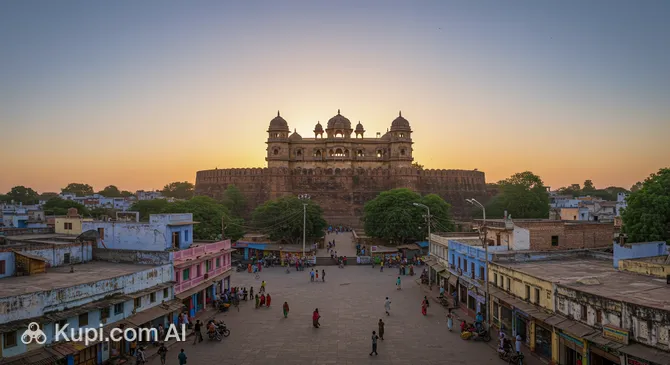
Located in the heart of Maharashtra state, Jalna is a dynamic industrial and agricultural hub in India. The city doesn't aim to dazzle tourists with the glitz of resorts, but it charms with its authentic atmosphere of a working region where history is closely intertwined with modern production. Jalna. Illustration.
Source: Kupi.com AI
Geographically, the city is situated on the Deccan Plateau at an elevation of 488 meters above sea level. With a population of over 285,000, Jalna has earned the status of the "Seed Capital of India" thanks to its powerful cluster for producing hybrid seeds and cotton. The region's rich heritage is reflected in its ancient temples and remains of defensive structures, though today the city is better known as the state's "steel heart" due to its many metallurgical plants.
For the traveler, Jalna is an opportunity to see India unvarnished: bustling markets, pilgrimage centers like the Matsyodari Devi temple, and an industrial rhythm of life. A visit to this city will be an interesting experience for those who appreciate business tourism or want to explore the country's interior, far from the well-trodden tourist paths.
Weather Overview
The climate of Jalna is typical for the inland regions of Maharashtra state and is characterized by sharp seasonal changes. Summer, lasting from March to May, can be extremely hot: the thermometer often rises to +38...+40°C, and sometimes even higher. During this period, the air becomes dry, and there may be increased dust levels due to industrial activity.
The monsoon season begins in June and continues until September, bringing long-awaited coolness and heavy rains. July and August are the wettest months, when the bulk of the rainfall occurs. Winter in Jalna (from November to February) is considered the most comfortable time for a visit: the average temperature ranges between +20...+25°C, days are sunny and dry, and nights bring a pleasant freshness.
When planning your trip, it is worth considering that the weather in the city can significantly affect the comfort of travel. It is recommended to choose the winter months for your visit, when moderate temperatures allow for sightseeing and visiting production facilities without the exhausting heat.
Average monthly temperature
Average monthly precipitation
Interesting Facts
"Seed Capital of India": Jalna is a leading center for hybrid seed production in the country, serving the needs of farmers across India.
Steel Hub: The city is informally known as the "City of Steel" due to the high concentration of steel plants in its industrial zones.
Educational Level: Despite its industrial profile, Jalna demonstrates a high literacy rate of about 81%, which is higher than the average for many regions of the country.
Historical Hill Name: The name of the city's main temple, Matsyodari, translates to "in the belly of the fish," as the hill on which it stands has a characteristic shape.
How to Get There
Jalna is an important transportation hub in Maharashtra, providing links between agricultural and industrial areas. Despite the lack of its own civilian airport within the city limits, it can be reached fairly quickly via neighboring air gateways. Most travelers prefer a combined route: a flight to the nearest major city followed by a trip by car or train.
The nearest major airport is located in the city of Aurangabad, about 100 kilometers away. This makes it the primary arrival point for those choosing air travel. The journey from the airport to the center of Jalna by taxi takes about 2–3 hours. You can also use the airports in Mumbai or Pune, from which there are regular bus and train services.
Rail connections in Jalna are excellent. Trains pass through the namesake station connecting the city with key points in India, including Mumbai, Pune, and Hyderabad. For travel within the state and to neighboring regions, MSRTC state buses are available, though one should consider the traffic density on National Highways NH-52 and NH-753. To plan an exact route, we recommend checking detailed information on how to get to the city.
Station
Passenger traffic
Distance
Chhatrapati Sambhaji Nagar railway station
7
60 km
Jalgaon railway station
6
135 km
Sainagar Shirdi railway station
5
147 km
Hazur Sahib Nanded railway station
7
168 km
Nasik Road railway station
5
214 km
Main Attractions
While Jalna is primarily known for its industry, there are several spiritual and historical sites worth visiting. The main pilgrimage site is the Matsyodari Devi Temple. It is located on a hill shaped like a fish (which gave the temple its name) and attracts thousands of devotees, especially during the Navaratri festival. The hilltop offers a panoramic view of the city's industrial landscapes.
Fans of Hindu architecture should visit the Shri Ganesh Temple and the Anandi Swami Temple. The latter was built about 250 years ago and is an important spiritual center dedicated to the saint Anandi Swami. These places allow visitors to feel the deep religious traditions of the local residents and enjoy some tranquility away from the city noise.
The city's historical heritage is represented by Jalna Fort. Although time has not been kind to its walls, it remains an important reminder of the city's strategic importance in past centuries. For outdoor walks, locals and guests often choose Moti Bagh—a public garden considered one of the best-maintained spots in the area and perfect for a short break between excursions.
Local Cuisine
The gastronomic face of Jalna is classic Marathi cuisine, characterized by simplicity and an abundance of spices. The staple diet of the locals consists of bhakri, flatbreads made from millet or sorghum, served with various vegetable curries (sabzi). Be sure to try misal pav—a spicy dish made of sprouted mung beans with a crunchy topping, often eaten here for breakfast.
Street food culture thrives in local markets. Stalls with vada pav (an Indian burger with a potato patty) and panipuri are everywhere. Thanks to a significant Muslim community, excellent biryani and kebabs prepared according to traditional recipes can be found in certain parts of the city. For a drink, locals prefer hot masala chai or refreshing lassi.
Restaurants in the city are mostly family-run, with an emphasis on vegetarian dishes due to local traditions. If you want to experience the true taste of Maharashtra, look for establishments in the city center or the Moti Bagh area. Jalna's food scene lacks tourist polish, offering guests honest and affordable food that the residents themselves choose every day.
Travel Tips
A trip to the industrial heart of Maharashtra requires some preparation. These tips will help you feel comfortable and confident during your visit to Jalna.
Clothing and Dress Code: Choose light cotton clothing, as it can get very hot in the region. For visiting temples, modest clothing is mandatory (shoulders and knees must be covered). Prepare comfortable shoes for walking on dusty market streets.
Getting Around: The best way to move around the city is by auto-rickshaw or a taxi called via an app. Renting a car without a driver is not recommended due to chaotic traffic and an abundance of trucks.
Finances: The main currency is the Indian Rupee (INR). Cards are accepted in hotels and large stores, but always have a supply of cash for markets and rickshaws. ATMs are easy to find in the city center.
Health: Drink only bottled water and avoid ice in street drinks. During the dry season, use skin moisturizers and insect repellents.
Language: The main languages are Marathi and Hindi. English is understood by hotel and bank staff, but knowing a few phrases in Hindi will help you at the market.
Etiquette: Greet people with the traditional Namaste gesture. Always remove your shoes before entering a home or temple.
What to Avoid: Do not visit remote industrial areas at night. Try not to take photos of people without their explicit consent, especially in rural areas.
City Specifics: Jalna is an industrial city, so be prepared for increased levels of noise and dust in the center. Plan your sightseeing visits for the early morning.
Following these simple rules will help you focus on exploring the unique flavor of Jalna and make your journey through India safe and enjoyable!
Entertainment & Nightlife
Jalna is primarily a business and working hub, so classic nightlife in the form of clubs or bars is practically non-existent here. Most evening activity is concentrated in local markets and squares where residents gather to socialize and walk. If you are looking for vibrant parties or modern concert venues, it is better to head to a neighboring major city, reachable by taxi or train.
Daytime entertainment in the city is more low-key. Walks in Moti Bagh park, where families gather in the evenings, are popular. There are also local cinemas showing the latest Bollywood releases, which is a great way to immerse yourself in local mass culture. Religious festivals, such as Ganesha Chaturthi, hold a special place in the life of the townspeople, when the streets are transformed and filled with music and colorful processions.
For those who prefer more diverse leisure activities, it is recommended to treat Jalna as a base for trips. Most tourists prefer to head to nearby metropolises for shopping in large malls and fine dining, returning to Jalna for business or to visit shrines.
Parks & Museums
The park infrastructure in Jalna is moderately developed, as the city was primarily built as an industrial center. The main "green oasis" is Moti Bagh. This public garden is considered the best place to relax in the city: it features walking paths, playgrounds for children, and well-kept flower beds. Despite its proximity to industrial zones, the park is kept in order and is a popular spot for morning jogs and family picnics.
There are currently no specialized museums in Jalna, however, local ashrams and religious complexes often serve as cultural and educational centers. For example, Shri Datta Ashram serves as a place not only for prayer but also for studying the spiritual heritage of the region. These sites allow tourists to get acquainted with the philosophy and history of local communities without visiting traditional galleries.
It is worth noting that the city continues to develop, and greening issues are becoming increasingly relevant to combat industrial dust. For a full nature retreat and visits to major museums, residents of Jalna often travel to Aurangabad, but for a short stroll in the shade of trees, Moti Bagh remains an indispensable spot within the city limits.
Getting Around
Public transportation in Jalna is predominantly represented by buses from the Maharashtra State Road Transport Corporation (MSRTC) and numerous auto-rickshaws. Buses connect the city with surrounding villages and major centers of the state, being the most budget-friendly way to travel. There are no metros or trams in the city, which is typical for industrial centers of this size.
Auto-rickshaws are the most convenient for traveling within the city. They are mobile and capable of navigating quickly through the dense traffic of market streets. It is best to agree on the price of the trip in advance, as meters are rarely used. Taxi aggregators like Ola or Uber also operate in Jalna, but the number of available cars may be limited during peak hours, leading to delays.
Travelers should take into account that roads in the city center and industrial zones are often congested with freight transport, and it can be dusty during the dry season. The main transportation hub is the central railway station, which always has plenty of transport options around it. For long trips across the state, it is recommended to choose trains or air-conditioned buses to make the journey more comfortable.
Accommodation
The housing stock in Jalna is primarily oriented toward business travelers and specialists visiting industrial sites. Most accommodation options are mid-range hotels and budget guest houses. There are no luxury five-star hotels in the city, but available options provide the necessary level of comfort: air conditioning, Wi-Fi, and laundry services.
The most convenient areas to stay are near the railway station and along the main highways. Most "lodges" and hotels, such as Hotel Vijanau, are concentrated here, providing easy access to the city's transport arteries. If your trip is related to the industrial sector, you might consider apartments in areas adjacent to the factories, which expats often choose for long-term stays.
It is recommended to book accommodation in Jalna in advance, especially during major agricultural exhibitions or religious festivals when the demand for rooms increases sharply. The main booking method is through international or major Indian online platforms, although many local hotels still practice cash payment upon arrival.
Nearby Cities
Jalna is an excellent starting point for exploring the Marathwada region, which is rich in historical and cultural monuments. Its proximity to major transportation hubs makes it easy to plan day trips to neighboring cities, each with its own unique character.
The main destination for travelers remains the majestic Aurangabad, located just 60 kilometers away. This city is the gateway to the UNESCO World Heritage sites—the Ajanta and Ellora caves. Also worth visiting is the ancient city of Paithan, famous for its silk sarees and the Jayakwadi Dam. For those interested in the life of small Indian settlements, a trip to Partur will be interesting.
The region around the city offers many options for those ready to step off the beaten path. Exploring the outskirts of Jalna will allow you to see magnificent temples, picturesque rural landscapes, and feel the real rhythm of life in central India.
Shopping & Souvenirs
Shopping in Jalna primarily means visiting colorful local bazaars. The city is not famous for huge shopping malls with global brands, but you can find unique locally produced goods here. The focus is on cotton products and high-quality seeds, which made the city famous. Markets located in the central part and near the temples offer a wide selection of fabrics and spices.
The main shopping area is considered to be the streets around Moti Bagh and the central squares. Here you can purchase traditional Indian clothing and locally made steel items, which make practical souvenirs. While strolling through the bazaars, look out for Maharashtra handicrafts—from bright sarees to carved wooden interior items.
Shops in Jalna typically operate from 10:00 AM to 8:00–9:00 PM, with a small break during the hottest time of the day. Major stores and pharmacies accept bank cards, but for purchases at markets and small stalls, you should definitely have cash rupees with you. The Tax Free system is not common here, but the affordable prices for local goods compensate for the lack of tax refunds.