Support

Bahu Fort

About

Bahu Fort is one of the oldest and most famous landmarks in the city of Jammu, India. It rises majestically on the rocky bank of the Tawi River, about 5 kilometers south of the city center, and is an iconic historical site attracting both tourists and pilgrims.
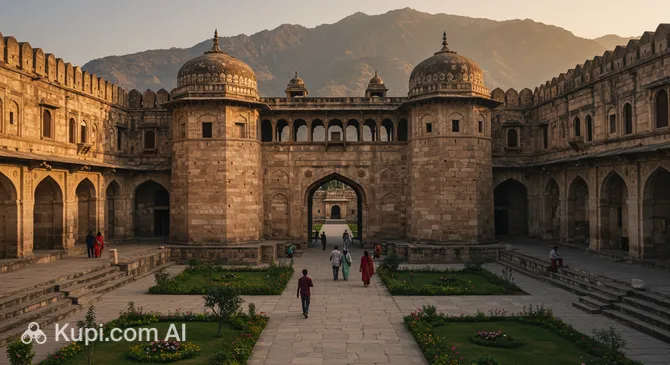
Bahu Fort. Illustration.
Source: Kupi.com AI

Traveller photos:

This ancient fort is unique for its harmonious blend of impressive military architecture and deep religious significance. Within its massive sandstone walls lies a revered temple dedicated to the goddess Kali, whom locals affectionately call Bawe Wali Mata. This transforms the fort from a mere historical monument into a living spiritual center.

Bahu Fort is well-preserved to this day and continues to impress with its monumentality. Beyond its undeniable historical and architectural value, it plays an important role in the region's cultural and religious life. For locals and numerous pilgrims, it is a place of power and worship where people come seeking blessings and spiritual peace.

Contacts

Bahu Fort is a significant historical landmark in the city of Jammu, so it may not have a dedicated contact service. To visit the fort, you can use local public transport or taxis that run from various parts of the city. For up-to-date opening hours and the most convenient route, we recommend contacting tourist information centers in Jammu or checking the official tourism websites of the region.

How to contactContact
AddressBahu Fort, Gorkha Nagar, Jammu, 180006
Phone+91 1800 11 1363

What to Do

Visiting Bahu Fort offers travelers a unique opportunity to touch the history and culture of the Jammu region. Once inside, you can walk along its impressive walls, imagining the events that unfolded here over the centuries. From the top of the walls, breathtaking panoramic views of the city and the Tawi River flowing below open up—an ideal spot for photos and contemplation. One of the main shrines of the fort is the Bawe Wali Mata temple, dedicated to the goddess Kali, which attracts many believers and pilgrims. If your visit coincides with religious holidays, you can witness colorful ceremonies and festivals.

At the foot of the fort lie the famous Bagh-e-Bahu gardens, created in the exquisite style of Mughal gardens. This is a wonderful place for leisurely strolls along well-kept paths, where you can enjoy the coolness in the shade of spreading trees and admire the decorative fountains. The Bagh-e-Bahu gardens are popular with both tourists and locals, who come here for family relaxation and picnics. Here you can escape the city's hustle and bustle, enjoying the tranquility and beauty of nature.

Getting There

Getting to Bahu Fort from the center of Jammu is quite simple, as it is located just 5 kilometers away. Travelers can use taxis or auto-rickshaws—popular modes of transport in India—which will quickly take you to your destination. If you prefer to travel by your own or a rented car, the road is also straightforward.

From the Jammu railway station, the journey to the fort takes approximately 15-20 minutes, depending on traffic conditions. This is a convenient option for those arriving in the city by train who want to head straight to this historical site.

For those who enjoy walking and want to get a closer look at the city, it is possible to reach Bahu Fort on foot. The route passes through scenic areas of Jammu and along the Tawi River, allowing you to enjoy the views and local atmosphere. Additionally, for the convenience of visitors arriving by private transport or tour buses, there are parking facilities near the fort.

Nearest city: Jammu

History & Facts

Bahu Fort, majestically overlooking the banks of the Tawi River in Jammu, is shrouded in legends and centuries of history. According to legend, the first fortification at this strategically important site was built about 3,000 years ago by the legendary ruler Raja Bahulochan, brother of the founder of Jammu, Jambulochana. This ancient citadel is considered the oldest fortification in the city, laying the foundation for its further development.

The fort acquired its current appearance in the 19th century when it was significantly rebuilt and strengthened by the rulers of the Dogra dynasty. This happened during the period when Jammu became the capital of the powerful princely state of Jammu and Kashmir. A special contribution to the modernization of the fort was made by Maharaja Gulab Singh, the founder of this princely state. Under his leadership, the fortifications were strengthened, making Bahu Fort an important defensive hub for the region.

In addition to its military significance, Bahu Fort has always played and continues to play an important role in the spiritual life of Jammu. The famous Mahakali Temple, dedicated to the goddess Kali, is located on its grounds. This temple, built in the 19th century, is one of the most revered Hindu shrines in the region and attracts many pilgrims and tourists. Thus, the fort harmoniously combines the functions of a powerful fortress and a sacred place, witnessing a rich history and cultural traditions.

Time Needed

When planning a visit to Bahu Fort in the city of Jammu, you should expect to spend some time fully exploring this historical site. Given the size of the fort itself, as well as the presence of other interesting objects on its territory, there is no need to rush.

Typically, to see the fort itself, visit the popular Mahakali Temple located inside, and walk through the adjacent picturesque Bagh-e-Bahu gardens, visitors are recommended to set aside 2 to 3 hours. This time is usually enough to enjoy the architecture, views, and atmosphere of this significant place in India without rushing.

If you want to explore every corner in more detail, take plenty of photos, or simply relax in the gardens, you may need a little more time. However, the 2-3 hour range is a good guideline for most tourists.

Working Hours

The exact opening hours of Bahu Fort in Jammu are not always officially specified in open sources. Like many tourist sites in Jammu, the fort is likely open to visitors during daylight hours, roughly from morning until sunset, which usually corresponds to a period from about 8:00 AM to 6:00 PM. However, to avoid any misunderstandings, it is highly recommended to check the current schedule immediately before your visit on the official website of the attraction, if available, or at local tourist information centers.

Information regarding the need for advance ticket booking or seasonal operation of the fort may also vary. Therefore, when planning a visit to Bahu Fort, it is best to check these details in advance through official channels or local tour operators. This will help you plan your visit as comfortably as possible and avoid any potential inconvenience.

Nearby

A visit to Bahu Fort is undoubtedly a highlight, but exploring its surroundings can significantly enrich your experience of Jammu. Nearby attractions offer a variety of cultural, historical, and natural sites that will allow you to delve deeper into the atmosphere of this amazing region of India.

Exploring nearby places will not only broaden your horizons but also add new colors to your palette of memories. From ancient temples to modern entertainment complexes, everyone will find something interesting in the immediate vicinity of Bahu Fort.

NameDistance
Bagh-e-Bahu Aquarium0.1 km
Mahamaya Temple1.1 km
Gown, Saree, Suit and Bridal Lehenga Shop1.3 km
Mubarak Mandi Palace1.5 km
Jammu Resort Hotel1.5 km
Ranbireshwar Temple1.7 km
Old Jammu Railway Station2.2 km

Reached the bottom of the page?

Looks like you know this route inside out