Support

Pazhassi Raja Archaeological Museum

About

The Pazhassi Raja Archaeological Museum is a unique treasure trove of history and art located in the picturesque city of Kozhikode, India. The museum and art gallery occupy an ancient building constructed in 1812, which itself is an architectural monument in the traditional Keralan style. This place attracts researchers and tourists alike thanks to its rich collection spanning the period from 1000 BC to the beginning of the common era.
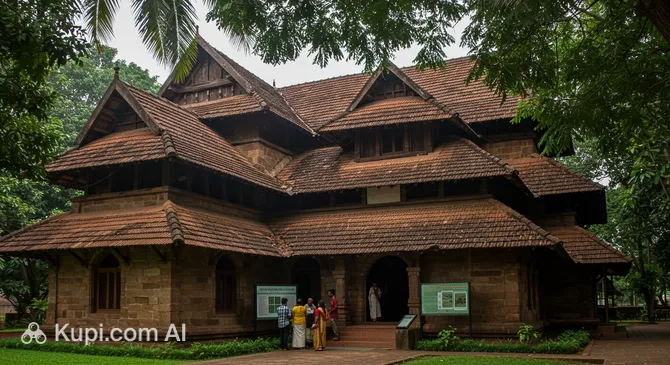
Pazhassi Raja Archaeological Museum
Pazhassi Raja Archaeological Museum. Иллюстрация. Источник: Kupi.com AI

Within the museum's walls are priceless testimonies of the past: from megalithic relics and ancient Roman coins to exquisite bronze sculptures over 800 years old. Of particular interest are the unique "umbrella stones" (thoppikkallu)—burial monuments of ancient rulers—as well as rare samples of pottery, weapons, and household items found during excavations in the Indus Valley and throughout Kerala.

In addition to archaeological finds, the museum is proud of its art gallery. Here you can see original paintings by the famous Indian artist Raja Ravi Varma, whose works are recognized as national treasures. The combination of the building's colonial history, having once been the residence of British authorities, and ancient artifacts makes a visit to this place a mandatory part of the program for every culture lover.

Contacts

To clarify details before your visit, you can use the official communication channels. Please note that the museum is managed by the Kerala State Archaeology Department, so up-to-date information on exhibitions can often be found on the state's tourism portal.

How to contactContact
AddressKendriya Vidyalaya Rd, East Hill, Kozhikode, Kerala 673005, India
Phone+91 495 238 4382
Websitewww.keralatourism.org

What to Do

A visit to the museum in Kozhikode offers guests a deep immersion into the cultural layers of South India. Begin your exploration in the central hall, where glass cases reveal collections of rare coins, including ancient Roman denarii and coinage from the era of Tipu Sultan. Be sure to check out the weapons collection—ranging from ancient swords to muskets used during British and French colonial campaigns.

Strolling along the long verandas surrounding the hall, you will see amazing large-scale temple models and massive burial urns from the Megalithic era. One of the most memorable exhibits is the magnificent Maharaja’s palanquin, which helps visitors imagine the grandeur of past rulers. Art lovers will appreciate the art section, which displays masterpieces by Raja Ravi Varma, striking in their realism and attention to detail.

For those interested in spiritual culture, the museum has prepared an exhibition of idols made of panchaloha (an alloy of five metals) and stone statues of "hero-warriors." After touring the main exhibition, you can visit the souvenir shop or spend time in the museum library. The calm atmosphere of East Hill and the opportunity to see artifacts thousands of years old make this visit an inspiring experience for the whole family.

Getting There

Getting to the museum from the center of Kozhikode is easy. The attraction is located in the East Hill area, about 5 kilometers from the heart of the city. The most comfortable and fastest way is to use a taxi or a local auto-rickshaw, which will take 15 to 20 minutes depending on traffic.

For those who prefer public transport, city buses No. 5 and No. 6 regularly run from the center (for example, from the Mananchira stop) to the East Hill stop. Travelers arriving by train should head for the Kozhikode railway station, which is 5–7 km from the museum, while the journey from Calicut International Airport takes about 40 minutes by car.

If you are traveling by rented transport, parking is provided next to the museum building. The hilltop location makes the drive quite scenic, and the proximity to well-known educational institutions serves as a good landmark for navigation.

Ближайший город: Kozhikode

History & Facts

The building that houses the collection today is a valuable historical monument in its own right. Built in 1812, it is known as the East Hill Bungalow. For many decades, it served as the official residence of the British Collectors of Malabar. Prominent figures of the colonial era lived here, such as William Logan, author of the famous "Malabar Manual," and H.V. Conolly.

In those times, the building's purpose was far from educational: the basement rooms were used as a prison, and the halls served as a courtroom. It was only in 1976, years after independence, that the government decided to turn the former residence into an archaeological museum. The first collections were transferred here from the Thrissur Museum, and later the funds were replenished with unique finds discovered during excavations in the Malabar region.

The museum received its current name in 1980 in honor of Pazhassi Raja, the legendary prince of the Kottayam royal family. In Indian history, he is known by the nickname "The Lion of Kerala" due to his heroic resistance against British colonial rule in the late 18th century. Today, the museum not only preserves his memory but also protects artifacts that are several thousand years old, including relics of the Megalithic era.

Time Needed

To leisurely explore all the museum's treasures, a standard visitor will need 1.5 to 2.5 hours. This time is quite enough to carefully study the exhibits in the central hall, walk along the verandas with large-scale temple models, and pay attention to the art gallery. A gentle walking pace will allow you to feel the atmosphere of the ancient building and examine the details of ancient frescoes.

If you are a passionate history lover or traveling with children who will surely want to look at the ancient weapons and coins, it is better to set aside about 3 hours for the visit. The quiet setting on the hill is conducive to a thoughtful acquaintance with the region's culture without the rush.

Working Hours

The museum welcomes visitors daily, except for Mondays. The schedule is divided into two blocks with a lunch break: from 9:00 AM to 1:00 PM and from 2:00 PM to 4:30 PM. Plan your visit in advance to have time to see the collection before closing or before the midday break begins.

DayWorking hours
ПонедельникЗакрыто
Вторник9:00 – 13:00, 2:00 – 16:30
Среда9:00 – 13:00, 2:00 – 16:30
Четверг9:00 – 13:00, 2:00 – 16:30
Пятница9:00 – 13:00, 2:00 – 16:30
Суббота9:00 – 13:00, 2:00 – 16:30
Воскресенье9:00 – 13:00, 2:00 – 16:30

Nearby

Exploring the surroundings of the archaeological museum in Kozhikode will help make your travel itinerary even richer and more interesting. The East Hill district and its adjacent areas offer guests a combination of educational sites and places for quiet relaxation. The variety of locations allows everyone to find an activity to their liking, whether they are science enthusiasts or those who appreciate natural aesthetics and local flavor.

NameDistance
Krishna Menon Museum and Art Gallery0 km
Ornamental Fish Farmers Development Association Aquarium1.5 km
Varakkal Sri Durga Devi Temple1.8 km
Varakkal Beach2.2 km
Konnad Beach2.3 km
Thoppayil Beach2.6 km
Regional Science Centre and Planetarium Calicut3.4 km

Reached the end of the page?

That means the route is fully explored