Support

Tulshibaug Ganapati Mandal

About

Tulshibaug Ganpati Mandal is a famous Hindu temple and an important religious center located in the heart of Pune, India. This shrine, dedicated to Lord Ganesha, is one of the oldest and most revered in the city, attracting both pilgrims and curious tourists. The temple holds a special place in Pune's cultural life and is considered the fourth most significant among the city's Ganesha shrines.

The uniqueness of this place lies in its location — the temple is situated within the busy historical Tulshibaug market. This creates a unique atmosphere where spirituality is closely intertwined with the daily bustle of the market stalls. Visitors can not only visit the shrine but also immerse themselves in the colorful life of the local market, known for its variety of goods.
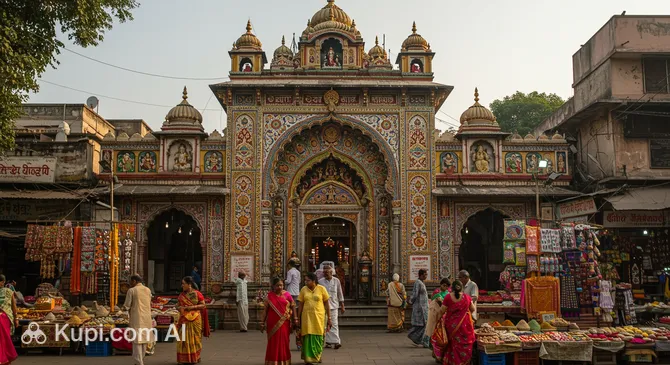
Tulshibaug Ganapati Mandal. Illustration.
Source: Kupi.com AI

Traveler photos:

Tulshibaug Ganpati Mandal gains special fame during the annual Ganesh Chaturthi festival. During these days, the temple becomes the center of grand celebrations held on an incredible scale, attracting thousands of believers. The Mandal is famous for its rich decorations and an impressive Ganesha statue about 15 feet high, which is the main object of worship. Founded in 1901, it is also known for being one of the first to start using fiberglass statues.

Contacts

To obtain up-to-date information on opening hours, special events, or temple rules, it is recommended to consult official sources. Although the temple may not have a direct phone number, you can contact representatives or find details through the following channels.

How to contactContact
Address81, Budhwar Peth Rd, Tulshibaug, Budhwar Peth, Pune, Maharashtra 411002, India

What to Do

Visiting Tulshibaug Ganpati Mandal is an opportunity to dive deep into the spiritual life of India. Here, you can not only worship the deity Ganesha but also witness traditional rituals and ceremonies regularly held in the temple. Tourists and pilgrims can join the daily pujas (prayer ceremonies), enjoy the atmosphere of harmony and peace, and learn more about local customs.

A special experience awaits guests during the Ganesh Chaturthi festival, which usually takes place in August or September. During this time, the temple and adjacent streets are transformed into the center of a grand holiday. Visitors can see colorful processions, enjoy lively musical and dance performances, and watch competitions for the most creative decoration of the Ganesha statue. This is a unique chance to see one of the city's brightest traditions in action.

A visit to the temple would be incomplete without a walk through the bustling Tulshibaug market that surrounds the shrine. After the spiritual experience, you can dive into the vibrant atmosphere of trade. Numerous stalls sell a variety of goods: from unique souvenirs and traditional jewelry to national clothing and local treats. This is a great place to buy commemorative gifts and feel the rhythm of daily life in Pune.

Getting There

The Tulshibaug Ganpati Mandal temple is conveniently located in the central part of Pune, in the Tulshibaug district, making it easily accessible for visitors. Landmarks such as the bustling Laxmi Road market and another famous temple — Dagdusheth Ganpati, are located nearby. If you are staying in the city center, you can take a pleasant walk to the shrine while exploring the colorful streets along the way.

The temple can be reached by various forms of public transport. Buses from the municipal company PMPML run here from all over the city. Additionally, you can always use a taxi or a more exotic but popular mode of transport in India — the auto-rickshaw. Popular mobile apps can be used for convenient booking.

If you are traveling by car, please note that the temple is located within a busy market area. There are paid parking lots nearby, but during peak hours and holidays, traffic can be heavy and finding a free spot can be difficult. Therefore, many prefer public transport or taxis for their visit to avoid traffic jams and parking issues.

Nearest city: Pune

History & Facts

The history of Tulshibaug Ganpati Mandal is closely linked to the development of Pune itself. The Tulshibaug district, where the temple is located, was founded back in the 18th century as part of the city's expansion. The Ganpati temple itself appeared later, in the 19th century, and quickly became an important spiritual and cultural center for locals. Over time, it grew from a place of worship into a venue for significant social and religious events, strengthening its role in city life.

The temple gained special fame for its key role in popularizing the Ganesh Chaturthi festival. In the late 19th century, the famous Indian independence activist Bal Gangadhar Tilak initiated public celebrations in honor of Lord Ganesha to unite people and strengthen the national spirit. Mandals like Tulshibaug became centers for these mass celebrations, contributing to the festival's incredible growth in popularity across Pune and beyond. This initiative transformed a private religious act into a massive public event.

Since its founding in 1901, the mandal has been famous not only for its traditions but also for its innovation. For instance, it was here in 1975 that a fiberglass statue of Ganesha was first installed, which was a unique event for that time. Today, Tulshibaug Ganpati Mandal continues to carefully preserve its centuries-old traditions, remaining a living symbol of cultural heritage, unity, and spiritual life in Pune, attracting pilgrims and tourists from all over the world.

Time Needed

When planning a visit to Tulshibaug Ganpati Mandal in Pune, you should aim for a duration of 30 minutes to an hour and a half. The exact time depends on your interests and how deeply you want to immerse yourself in the atmosphere of this unique place.

If you are short on time, 30–40 minutes will be enough to see the temple itself, view the famous Ganesha statue, and feel the spiritual energy of the site. However, for a more complete experience, it is recommended to set aside about 1–1.5 hours. During this time, you can not only calmly explore the shrine and observe religious rituals but also walk through the busy Tulshibaug market that surrounds the temple. This walk is an integral part of the visit, allowing you to dive into the colorful daily life of the city.

Working Hours

The Tulshibaug Ganpati Mandal temple is open to visitors year-round and operates daily. Generally, the doors of the shrine are open from early morning, around 6:00 AM, until late evening, around 10:00 PM. This allows guests of Pune to choose a convenient time for their visit, whether in the morning for quiet contemplation or in the evening when the temple may be beautifully illuminated.

No prior booking or ticket purchase is required for a standard temple visit — entry is usually free. However, it is worth noting that during major religious holidays, such as Ganesh Chaturthi, the schedule may change and opening hours may be extended due to a large influx of believers and special ceremonies. To avoid misunderstandings, it is recommended to check for up-to-date information on the official website or the temple's social media pages before visiting.

Open 24 hours

Nearby

A visit to Tulshibaug Ganpati Mandal is just the beginning of exploring the rich culture of Pune. To fully experience its historical and spiritual atmosphere, it is worth exploring the nearby attractions. A walk through the surrounding area will allow you to form a more complete impression of the heritage of this amazing corner of India.

Thanks to the temple's central location, many iconic sites are within walking distance. These include ancient temples, majestic palaces, and modern entertainment centers. Below is a list of interesting sites located nearby that will help enrich your trip with new experiences.

NameDistance
Shrimant Dagdusheth Halwai Ganpati Temple0.2 km
Shaniwar Wada0.6 km
ISKCON Temple Pune (Camp)2.6 km
Acai Pune2.7 km
The Mills2.7 km
P. L. Deshpande Garden3.2 km
The Pavillion Mall3.5 km

Have you reached the end of the page?

So the route has been studied inside and out