Support

Ratnagiri

About

Ratnagiri is a true gem of India's west coast, nestled along the shores of the Arabian Sea in the state of Maharashtra. Surrounded by the picturesque hills of the Western Ghats and fragrant mango orchards, the city is famous for its golden beaches where the sound of the surf mingles with the scent of tropical fruits. The atmosphere here is special—tranquil, welcoming, and in harmony with nature—making Ratnagiri an attractive destination for those seeking an authentic getaway.
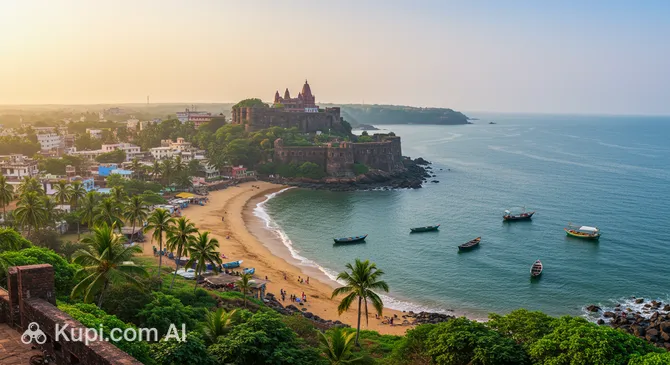
Ratnagiri. Illustration.
Source: Kupi.com AI

With a population of around 327,000, Ratnagiri serves as an important administrative center for the district. The city is known not only for its ports and developed fishing industry but also as a gateway to the colorful Konkan region. Ratnagiri's geographical position provides it with a pleasant coastal climate, ideal for beach holidays and exploring the surroundings.

Key features drawing tourists here include magnificent beaches like Ganpatipule, ancient temples, and imposing colonial forts such as Ratnadurg Fort, which offers breathtaking sea views. One cannot forget the famous Alphonso mangoes, considered among the best in the world and the pride of the region. Nature lovers will also appreciate the opportunity to visit nearby waterfalls and enjoy the freshest seafood in local restaurants.

Ratnagiri is the perfect place for those who want to immerse themselves in the slow pace of provincial India, enjoy natural beauty, and discover rich culture and history. This city is undoubtedly worth a visit to experience a unique blend of natural wonders, historical monuments, and genuine hospitality.

You can find more interesting facts on the Ratnagiri city history page.
Weather Overview

The weather in Ratnagiri features a warm tropical climate year-round. Average monthly temperatures throughout the year range from 25.4°C in January to 29.6°C in May. Summer, especially during the monsoon season from June to September, is hot and humid with heavy rainfall. For example, in July, the total precipitation is 31 mm, and almost every day is a rainy day. The winter months, from December to March, are noticeably drier, with almost no precipitation (0 mm in January, February, March, and December). Meanwhile, the air temperature remains comfortably warm, with maximum daytime values around 30-32°C (for example, up to 30.2°C in January and up to 32.6°C in March).

For a more detailed forecast and monthly weather information, you can visit the Ratnagiri Climate page.

Average monthly temperature

Average monthly precipitation

Interesting Facts

Beyond its famous beaches and mango groves, Ratnagiri hides many surprising stories and little-known details that make it a truly unique place. Here are just a few interesting facts about this Indian coastal city:

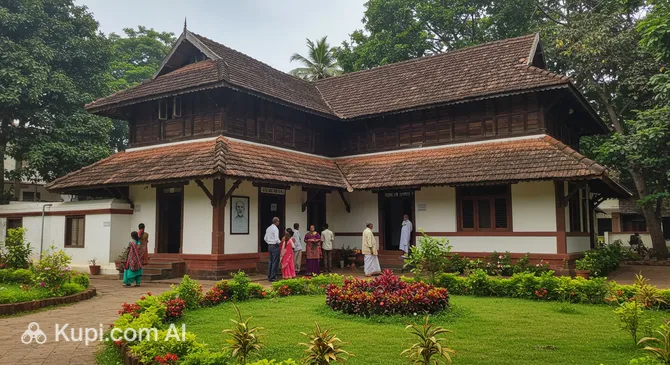
Lokmanya Tilak Birthplace. Illustration.
Source: Kupi.com AI

Traveler photos:

  • Ratnagiri is not just a city, but the true mango capital of the world! This is where the famous Alphonso variety, or "Hapus," is grown, which many connoisseurs consider the "King of Mangoes" for its unique taste and aroma. During the harvest season, typically from April to June, foodies from all over the world flock here.

  • The city is the birthplace of one of the key figures in India's struggle for independence—Bal Gangadhar Tilak, also known as Lokmanya Tilak. His legacy is carefully preserved, and you can visit the Lokmanya Tilak Birthplace Museum to learn more about this outstanding figure and his life.

  • Towering over the city is the majestic Ratnadurg Fort (often called Ratnagiri Fort), whose history dates back to the 16th century. In addition to the breathtaking panoramic views of the Arabian Sea from its walls, the fort houses ancient structures and, according to legend, even secret underground passages.

  • In the vicinity of Ratnagiri, ancient Buddhist caves can be found, which historians estimate to be over a thousand years old. These rock-cut sanctuaries, decorated with old carvings and inscriptions, still hold an atmosphere of mystery and attract researchers and lovers of antiquity.

How to Get There

You can reach Ratnagiri in various ways, combining air, rail, and road transport. This picturesque city on the Maharashtra coast is well-connected to the region's major metropolises. You can find more details on how to get to Ratnagiri, including routes and schedules, on our dedicated page.

The city of Ratnagiri itself does not have a large passenger airport with regular flights. The nearest operational airport is Kolhapur (KLH), located in the city of Kolhapur. It is about 110 km from Ratnagiri. A taxi or bus ride from the airport to the coast takes about 3 hours, traveling through the scenic mountain roads of the Western Ghats. This airport serves regional flights and is convenient for those flying from neighboring states.

For international travelers or those looking for more flight options, Pune Airport (PNQ) is an excellent choice. It is located in the city of Pune, approximately 188 km from Ratnagiri. This is a major transport hub with high passenger traffic, receiving flights from all over India and abroad. The journey from Pune to Ratnagiri takes about 5 hours by car or bus. You can also use the airport in the city of MalvanSindhudurg-Chipi (SDW), which is about 112 km away, taking around 3 hours to travel.

For convenience, here is a summary of the main airports used to reach the resort:

AirportPassenger trafficDistance
Kolhapur158 966110 km
Sindhudurg-Chipi17 618112 km
Belgaum Airport360 000187 km
Pune Airport10.5 mln188 km
Navi Mumbai International Airport20 mln223 km

Rail travel is one of the most popular and scenic ways to reach Ratnagiri. The city's railway station is an important stop on the famous Konkan Railway, which connects Mumbai, Goa, and Mangalore. Trains on this route offer passengers spectacular views of rivers, valleys, and green hills. A train journey from Mumbai usually takes 5 to 7 hours, and from Goa, about 3-4 hours.

Additionally, Ratnagiri has excellent bus connections with neighboring cities. State-run (MSRTC) and private buses, including comfortable sleepers, regularly run along National Highway NH66 (formerly NH17), which connects Mumbai and Goa. A bus trip allows you to enjoy the local character of Indian roads and arrive directly in the city center.

Main Attractions

Ratnagiri, a charming city on the Maharashtra coast, offers travelers both natural beauty and interesting cultural sites. Here, everyone will find something to enjoy, from history buffs to beach lovers.

One of the main attractions is the Lokmanya Tilak Birthplace (Museum). This is the birthplace of the prominent Indian freedom fighter, Bal Gangadhar Tilak. By visiting the museum, you can learn more about his life and contribution to the country's history, as well as see personal belongings and photographs of this iconic figure. It is a wonderful opportunity to connect with Indian history.

Lokmanya Tilak Birthplace. Illustration.
Source: Kupi.com AI

Traveler photos:

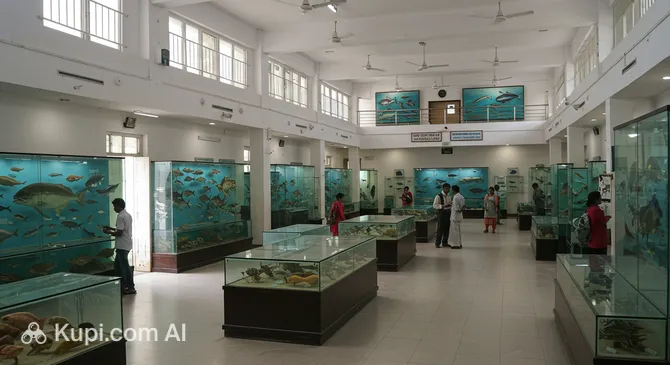
For those interested in the underwater world, the Ratnagiri Marine Fish Museum is a must-visit. It features an impressive collection of the region's marine life, including various fish, crustaceans, and other representatives of marine fauna. The museum is engaging for both adults and children, offering an educational dive into the marine ecosystem.

Ratnagiri Marine Fish Museum. Illustration.
Source: Kupi.com AI

Traveler photos:

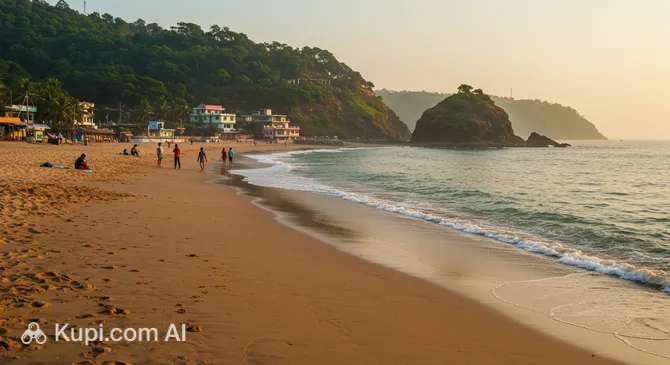
Beach enthusiasts should head to Bhatye Beach. This picturesque beach with dark sand and calm waters is perfect for a relaxing day by the sea. Here you can enjoy walks along the shore, watch the sunset, or simply relax to the sound of the waves. The beach is also popular with locals, adding to its authentic atmosphere.

Bhatye Beach. Illustration.
Source: Kupi.com AI

Traveler photos:

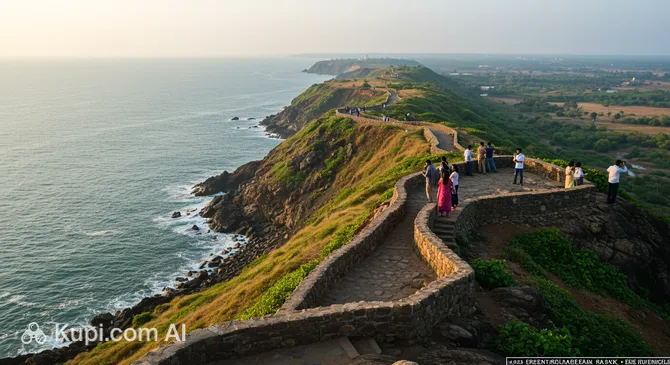
Another landmark is Thiba Point. This is a historical site where Thiba Palace once stood, where the last King of Burma, Thibaw Min, was interned. While little remains of the palace today, the point itself offers spectacular panoramic views of the Arabian Sea and the river estuary. It is an excellent spot for photographers and anyone wanting to enjoy the beauty of the coastal scenery.

Thiba Point. Illustration.
Source: Kupi.com AI

Traveler photos:

Also worth mentioning is Mandavi Beach, known as the "Black Sand" beach due to the color of its sand; it is a popular spot for evening walks and enjoying the sea breeze. Nearby is a jetty where you can watch fishing boats.

Local Cuisine

The cuisine of Ratnagiri is a true immersion into the gastronomic traditions of the Konkan region, where the stars are the freshest seafood, fragrant spices, and, of course, the famous mangoes. Local dishes are generously seasoned with coconut milk, fresh coriander, and a whole palette of spices, creating unique flavor combinations. If you are a foodie, Ratnagiri will definitely not disappoint!

The hallmark of Ratnagiri is undoubtedly the Alphonso mango, known here as the "King of Fruits." It is used to prepare not only delicious desserts but also tangy chutneys, refreshing juices, drinks, and the famous amras puree. During the mango harvest season, the city turns into a real fruit paradise with fairs and gastronomic festivals where you can try every imaginable dish made from this sunny fruit.

Seafood lovers must try the various fish curries, as well as prawn and squid dishes prepared according to traditional recipes. Street food is equally interesting: crispy potato balls called batata vada, the hearty and spicy sprouted pea stew misal pav, and various sweet coconut treats will not leave you indifferent. At local markets, you can always find the freshest seafood, exotic fruits, and spices that form the basis of Ratnagiri's colorful cuisine.

Among beverages, refreshing coconut water straight from the nut is very popular, as is the traditional tangy-salty drink solkadhi, made from coconut milk and kokum juice—it is perfect for quenching thirst on a hot day. Of course, don't forget the fresh juices made from mango and other tropical fruits.

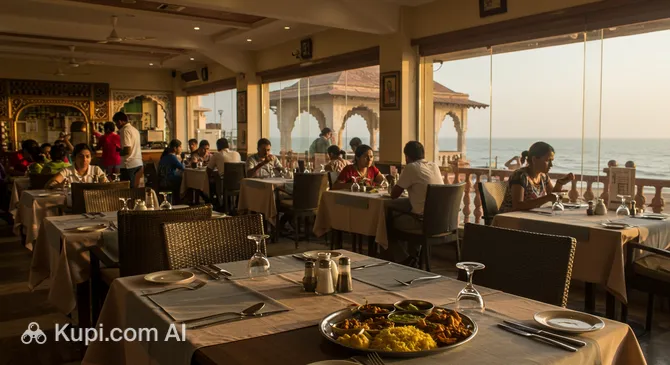
Dining culture in Ratnagiri is diverse: locals and tourists enjoy food in small authentic eateries and family restaurants as well as more modern establishments. For instance, to get acquainted with local cuisine, you can visit Hotel Prabha. Street food also plays an important role, offering a quick and tasty way to snack. And if you are lucky enough to attend a local food festival, you can not only taste the region's best dishes but also see how they are prepared by true masters of their craft.

Hotel Prabha. Illustration.
Source: Kupi.com AI

Traveler photos:

Travel Tips

Welcome to Ratnagiri! To make your trip to this charming coastal city in India as comfortable and memorable as possible, we have prepared some practical tips. By following these recommendations, you can better navigate the local culture and avoid possible inconveniences.

  1. Clothing and Essentials: Ratnagiri has a warm and humid climate, especially from March to October. Bring light, breathable clothing made of cotton or linen. Don't forget a hat, sunglasses, and sunscreen. Comfortable shoes are necessary for walking around the city and its surroundings. When visiting temples and other religious sites, choose modest clothing that covers shoulders and knees. A universal power adapter might also be useful (India uses Type D and M sockets).

  2. Transport: The main mode of transport in Ratnagiri is the auto-rickshaw—a convenient and relatively inexpensive way to travel short distances; be sure to agree on the fare in advance. Local buses also run, but they can be crowded. Taxis are less common than auto-rickshaws. Renting a car can be difficult due to local traffic conditions, so for most tourists, it is not the most convenient option.

  3. Finances: The local currency is the Indian Rupee (INR). It is recommended to exchange money at banks or authorized exchange offices. Credit and debit cards are accepted in large hotels and some shops, but for small purchases, paying rickshaws, and at markets, it is better to have cash. ATMs are fairly common. Tipping is welcome in restaurants (5-10% of the bill) and for porters, but is not strictly mandatory.

  4. Health and Safety: Pharmacies are available in the city, but not all operate 24/7. It is recommended to carry a basic first-aid kit. For serious medical assistance, contact local hospitals or clinics. Drink only bottled or boiled water. Ratnagiri is considered a relatively safe city, but always follow standard precautions: watch your belongings and avoid walking alone in poorly lit areas late at night.

  5. Communication: The official language of Maharashtra state is Marathi. Many locals also understand and speak Hindi. English is common in the tourism sector, hotels, and among educated youth, but not everywhere. Learn a few basic phrases in Marathi or Hindi, such as "Namaste" (Hello/Goodbye) or "Dhanyavad" (Thank you). A local SIM card can be purchased with a passport and visa. Wi-Fi is available in most hotels and some cafes.

  6. Local Etiquette: The greeting "Namaste" (palms pressed together at chest level) is always appropriate. Show respect for local customs and traditions. Avoid overly revealing clothing in public places. Always ask permission before taking photos of people. It is customary to remove shoes before entering temples and homes.

  7. What to Avoid: Do not point at people or sacred objects with your finger (use an open palm or your chin instead). It is considered impolite to touch another person's head, especially a child's. Also, try not to use your left hand for passing food, money, or important items, as it is traditionally considered "unclean."

  8. Additional Tip: Ratnagiri is famous for its Alphonso mangoes. If your trip falls during the season (usually from late March to June), be sure to try these incredibly delicious fruits. Also, as a coastal city, Ratnagiri offers an excellent selection of fresh seafood—don't miss the chance to taste it.

We hope these tips help you enjoy your trip to Ratnagiri and leave you with only positive impressions. We wish you an exciting journey!

Entertainment & Nightlife

Ratnagiri, a charming city in Maharashtra, offers its guests not only picturesque beaches and historical sites but also opportunities for pleasant evening leisure. While the nightlife here may not be as bustling as in major metropolises, you will still find cozy places to unwind after a busy day.

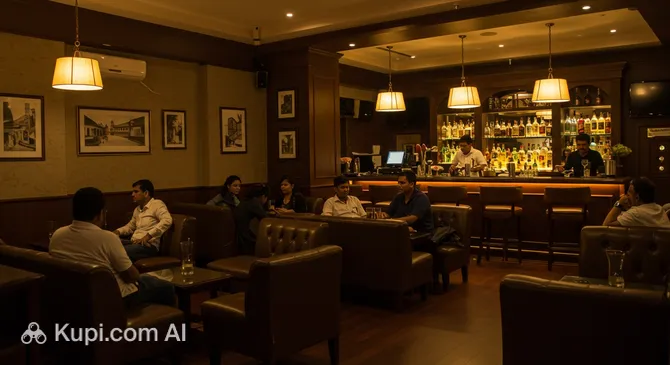
The main focus of evening entertainment in Ratnagiri is on relaxed recreation. There are no noisy districts with neon signs and numerous nightclubs, but there are bars and restaurants where you can spend a pleasant time. The atmosphere in such establishments is usually relaxed and friendly, drawing both locals and tourists. The dress code is generally casual. One place where you can enjoy drinks in the evening is the Viva Executive Bar. For a dinner that might last late into the evening, consider hotel restaurants or local eateries like Hotel Prabha, which offers local cuisine.

Viva Executive Bar. Illustration.
Source: Kupi.com AI

Traveler photos:

Regarding practical tips, the best time to visit bars is during the evening hours. Prices in Ratnagiri establishments are generally moderate. For getting around at night, you can use auto-rickshaws or taxis; it is recommended to agree on the fare in advance or use the hotel's services to call for transport. Overall, Ratnagiri is considered quite safe, but as with anywhere, it is best to stick to well-lit streets and remain alert after dark.

While specialized nightclubs or large concert venues are hard to find here, some hotels or resorts may offer evening entertainment programs for their guests. Night markets in the traditional sense are not a feature of Ratnagiri, but local shops in tourist areas may stay open until late evening.

During the day, Ratnagiri offers many interesting activities. You can explore the city's cultural heritage by visiting the Lokmanya Tilak Birthplace Museum or the educational Ratnagiri Marine Fish Museum. Of course, you cannot miss the beautiful beaches, such as Bhatye Beach and Mandavi Beach, where you can relax and enjoy nature.

Thus, Ratnagiri offers a balanced holiday: peaceful and pleasant evenings complemented by interesting daytime excursions and beach relaxation.

Parks & Museums

Ratnagiri, a charming city on the Konkan coast in Maharashtra, offers its guests not only picturesque beaches but also interesting cultural sites that allow for a deeper understanding of its history and heritage. Here you can enjoy both a peaceful holiday in nature and informative excursions to museums and historical sites.

For nature and beach lovers, Ratnagiri is a real find. One of the most popular spots is Bhatye Beach, known for its long stretch of black sand and tranquil atmosphere, perfect for walks and watching the sunset. Equally attractive is Mandavi Beach, also known as the "Gateway to Ratnagiri," which offers beautiful views and the chance to watch fishing boats. For panoramic views of the Arabian Sea and the city, visit Thiba Point. This place is named after Thiba Palace, built for the exiled King of Burma, and is a wonderful spot for photography, especially at sunset.

Bhatye Beach. Illustration.
Source: Kupi.com AI

Traveler photos:

The city is also rich in historical and cultural attractions. A key site for understanding the region's history is the Lokmanya Tilak Birthplace Museum. This is the birthplace of the famous Indian freedom fighter, Bal Gangadhar Tilak, where you can learn about his life and contribution to the country's history. Another interesting museum is the Ratnagiri Marine Fish Museum, which displays a collection of marine life, including whale skeletons and various fish species, making it educational for both adults and children.

Lokmanya Tilak Birthplace. Illustration.
Source: Kupi.com AI

Traveler photos:

Among other significant sites is the Patit Pavan Temple, which holds great religious importance for the local community. While Ratnagiri does not have large park areas in the traditional sense, its natural beauty, especially along the coast, more than compensates for this.

Thiba Point. Illustration.
Source: Kupi.com AI

Traveler photos:

Insider Tip: Beyond the main beaches, explore the lesser-known stretches of coast to the north and south of the city—you can find secluded coves and enjoy the silence there. Also, don't miss the chance to try local seafood delicacies in small coastal cafes—it is the true taste of Ratnagiri.

Getting Around

Getting around Ratnagiri can be done in several ways, although the public transport system here is quite simple and typical for cities of this size in India. The main modes of transport are buses and the famous Indian auto-rickshaws.

Buses are the most common and economical way to get around. City and suburban routes are served by both state and private bus companies. Fares are typically paid in cash directly to the conductor on the bus. The ticket price depends on the distance. Buses run along main roads, connecting various city districts and nearby settlements. Schedules may not always be strict, so be prepared for some waiting, especially on less popular routes. You can check routes and approximate departure times with locals or at bus stops, though information in English may be limited.

Auto-rickshaws (tuk-tuks) are a ubiquitous and convenient mode of transport for short and medium distances. They are particularly useful for reaching places not served by buses. It is extremely important to agree on the fare with the driver before starting the journey, as meters, if present, are not always used. Do not hesitate to haggle; it is common practice. For reference, you can ask for the approximate cost from your hotel staff or locals.

Regarding the payment system, it is almost always cash for buses. There are generally no specialized tourist passes or unified transport cards in Ratnagiri. For auto-rickshaws, payment is also made in cash to the driver at the end of the trip.

Practical tips for tourists: Always carry small bills for fares. Buses can be crowded, especially during peak hours. Most buses and auto-rickshaws start operating early in the morning and stop by late evening. Finding transport at night can be harder and more expensive. Keep an eye on your belongings in public transport.

Alternative ways to get around: Taxis: Traditional taxis are less common than auto-rickshaws. Sometimes a car can be booked through local services or your hotel. Scooter or motorcycle rental: In some tourist areas, you can find rental points, which gives greater freedom of movement, but requires an international driving permit and experience driving in Indian traffic conditions. Walking: For exploring the central areas or the Ratnagiri waterfront, walking is quite suitable.

There are no exotic or unique modes of transport, such as metros, trams, or funiculars, in Ratnagiri. The city's transport system is functional and oriented toward meeting basic travel needs.

Accommodation

In Ratnagiri, travelers will find a variety of accommodation options to suit different preferences and budgets. The city offers everything from inexpensive guesthouses and budget hotels to mid-range hotels and more comfortable resort complexes. For those looking for a homey feel, apartment or room rentals may be available.

Many tourists prefer to stay in areas close to the coast and main attractions, such as Mandavi Beach or Bhatye Beach. This provides easy access to relaxation spots and popular tourist sites. You can also find accommodation in more central parts of the city, which is convenient for reaching markets and transport hubs.

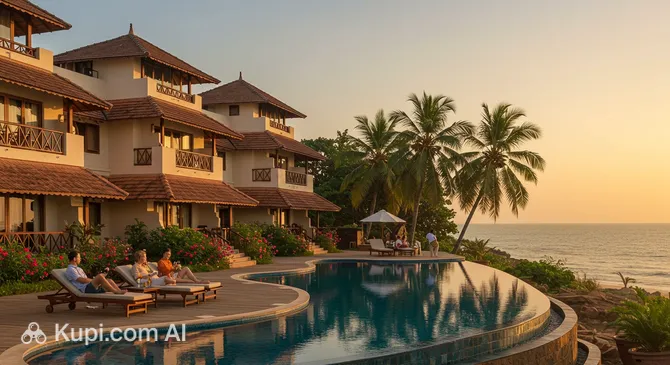
Samudra Beach Resort. Illustration.
Source: Kupi.com AI

Traveler photos:

Among the well-known accommodation options in Ratnagiri is the Samudra Beach Resort, which offers a comfortable stay for visitors. The choice of a specific hotel depends on your individual preferences for comfort level and location.

When planning a trip to Ratnagiri, especially during the peak tourist season, it is recommended to book accommodation in advance. This will help ensure availability and potentially secure better deals. Prices for accommodation range from budget to higher-end, depending on the type and level of the hotel. Booking is easily done through popular online platforms or directly on hotel websites.

Nearby Cities

For those who want to explore the surroundings, Ratnagiri serves as an excellent starting point for day trips to several interesting nearby locations:

Notable among them are Kolhapur (about 104 km from Ratnagiri), known for its ancient Mahalakshmi Temple, rich cultural heritage, and traditional crafts. Another interesting option is Satara (approximately 107 km), which attracts history buffs with its forts like Ajinkyatara and picturesque surroundings, including the famous Kaas Plateau, which is especially beautiful during the flowering season.

CityPopulationDistance
Rajapur15 63243 km
Manoli26 26452 km
Khed16 89281 km
Ghogaon11 39281 km
Kankavli12 03591 km

These nearby destinations provide a more complete picture of the diverse culture, history, and landscapes of the Maharashtra region.

Shopping & Souvenirs

Shopping in Ratnagiri offers a unique experience, focused primarily on local products and handicrafts rather than large shopping malls. The city is famous for its Alphonso mangoes, cashews, and kokum products. Here you will find many small shops and markets where you can buy fresh fruit, spices, and authentic souvenirs.

The main shopping spots are concentrated in the central part of the city and along the main roads. These are typically bustling streets with rows of small shops offering a variety of goods—from clothing and household items to local delicacies. Looking for specific "shopping streets" in the European sense might not be productive here; it is better to head for the market squares and adjacent areas.

There are few large modern shopping centers in Ratnagiri, or they may be absent altogether. Shopping here is more traditional, with an emphasis on local markets and private stalls. If you are looking for branded stores, the selection may be limited.

Markets are the heart of commerce in Ratnagiri. Be sure to visit the local bazaars, where you can buy the freshest Alphonso mangoes (in season), various grades of cashews, dried kokum and kokum syrup, as well as other local fruits and vegetables. Markets also often sell products from local artisans, spices, and inexpensive clothing.

As souvenirs from Ratnagiri, you should definitely bring back Alphonso mangoes (if the season and transport rules allow) or mango products (jams, purees, pickles). Cashews—salted, roasted, or spiced—make an excellent gift. Look for kokum products, such as syrup or dried fruit, which are used in local cooking. You can also find interesting handicrafts, such as wooden crafts or textiles with local patterns.

Shops in Ratnagiri are usually open from morning (around 10:00) until evening (19:00-20:00), and many may close for a lunch break. Markets start working earlier. The most common payment method is cash, especially in markets and small shops. Credit cards may be accepted in larger establishments and hotels, but it is always better to have enough cash with you. Tax-free returns for tourists in Ratnagiri are unlikely for most purchases, as it is not a major international trade center.

Reached the end of the page?

That means the route is fully explored