Support

Solan

About

Solan is a picturesque city nestled in the heart of the Indian state of Himachal Pradesh, at an elevation of 1,342 meters above sea level. Located just 50 kilometers south of the famous Shimla, it is surrounded by emerald hills and dense coniferous forests, creating a unique atmosphere of peace and freshness. It is an ideal destination for those seeking a getaway from the urban bustle and the hot plains of India.

Solan serves as the administrative headquarters of the district of the same name and is a vital transport hub for the region. The city is traversed by the famous Kalka-Shimla Railway, a UNESCO World Heritage site, as well as National Highway 22, which connects Chandigarh and Shimla. Despite its relatively modest population of about 39,000 people, the city feels very lively thanks to its student population, numerous markets, and hospitable residents.
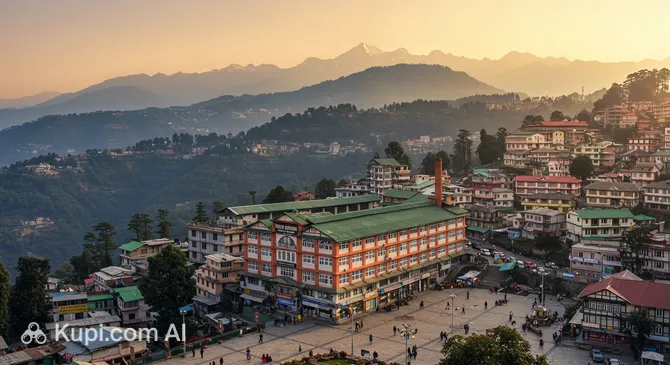
Solan. Illustration.
Source: Kupi.com AI

An amazing harmony of nature, history, and modern life reigns here. Solan is often called the "Mushroom City" for a reason: it is home to the country's largest mushroom cultivation complex, and the fresh mountain air only adds to the appetite! Additionally, its proximity to Shimla and the historic railway passing through the city make Solan an attractive point for exploring the Himalayas.

If you are looking for an authentic corner of India, wish to breathe in the scent of Himalayan pines, and discover unusual routes away from the tourist crowds, Solan will be a pleasant discovery for you.

You can find more interesting facts on the Solan city history page.
Weather Overview

The weather in Solan is characterized by warm summers, with average temperatures in June-August hovering around 24-25°C, while maximums can reach 30.5°C. This period is also the wettest, with peak rainfall in July (averaging 11 mm and about 29 rainy days) and August (averaging 10 mm and about 28 rainy days). Winters, from December to February, are cool here, with average temperatures around 9-12°C (minimums can drop to 3.7°C in January) and significantly less precipitation, especially in October, November, and December, when only about 1 mm falls.

To better plan your trip based on weather conditions, you can find more detailed information about the climate of Solan.

Average monthly temperature

Average monthly precipitation

Interesting Facts

Beyond its picturesque landscapes and hospitable atmosphere, Solan hides many surprising stories and curious details that make it truly unique. The city, known for its natural beauty, also preserves other less obvious treasures.

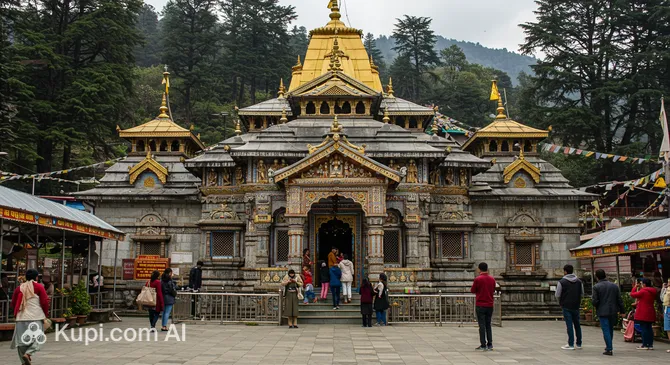
Maa Shoolini Temple. Illustration.
Source: Kupi.com AI

Traveler photos:

  • The name of the city Solan originates from the goddess Shulini Devi, in whose honor a vibrant annual festival is held. This event turns the city into a center of folk celebrations, with the primary site of veneration being the Maa Shulini Temple.

  • In the past, Solan was the capital of the princely state of Bhagat, which left its mark on the architecture and atmosphere of the old quarters, where colonial-era buildings can still be found.

  • The city proudly bears the unofficial titles of "Mushroom Capital of India" due to its large mushroom research and cultivation center, and "City of Red Gold" because of its abundant tomato harvest.

  • The famous Kalka-Shimla narrow-gauge railway, recognized as a UNESCO World Heritage site, passes through Solan. It is not just a transport route but a true engineering marvel of the early 20th century, which you can learn more about at the Solan Railway Station Museum.

How to Get There

When planning a trip to this picturesque corner of the Himalayas, it is important to map out your route in advance. The city has good transport accessibility thanks to its proximity to the region's major transport hubs. You can find out more details on how to get to Solan below, where we review the main flight and travel options.

Solan itself does not have an airport, so most travelers choose to fly into neighboring cities. The most convenient and popular option is Chandigarh Airport (IATA: IXC), located in Chandigarh, about 40 km from Solan. This is a large, modern aviation hub that receives many flights. A taxi ride from here takes about 1 hour and 20 minutes, making it the optimal choice for most tourists.

Another option is to use Shimla Airport (IATA: SLV), which is located in Shimla, just 19.5 km from Solan. Despite its proximity, it is a small airport with a limited number of flights and a high dependence on weather conditions. The drive by car takes about 50 minutes. You could also consider Dehradun Airport (IATA: DED) in Dehradun, but it is 130 km away, and the transfer will take significantly longer.

For your convenience, here is summary information on the main airports:

AirportPassenger trafficDistance
Simla25 49319 km
Chandigarh Airport3.6 mln40 km
Bilaspur30 00052 km
Bhuntar Airport29 649107 km
Dehradun Airport1.7 mln131 km

The railway connection is not just a way to reach the destination, but an adventure in itself. Solan is located on the famous Kalka-Shimla narrow-gauge line, a UNESCO World Heritage site. Travelers often take broad-gauge express trains to Kalka station and then transfer to the legendary "Toy Train," which slowly climbs into the mountains, offering breathtaking views of the hills and forests. The station in Solan itself (Solan Railway Station) is one of the key stops on this historic route.

Main Attractions

Solan, a charming city in the Himalayan foothills, offers its guests a variety of attractions that combine natural beauty, spiritual heritage, and historical interest. Here, everyone will find something for themselves, whether they are a pilgrim, an adventurer, or simply a lover of relaxing vacations.

One of the main shrines and symbols of the city is the Maa Shulini Temple. Dedicated to the goddess Shulini Devi, after whom Solan is believed to be named, this temple attracts pilgrims and tourists with its spiritual atmosphere and traditional architecture. A visit to the temple provides an opportunity to experience local beliefs and cultural traditions, especially during the annual Shulini Mela festival, which is celebrated with great fanfare.

Maa Shoolini Temple. Illustration.
Source: Kupi.com AI

Traveler photos:

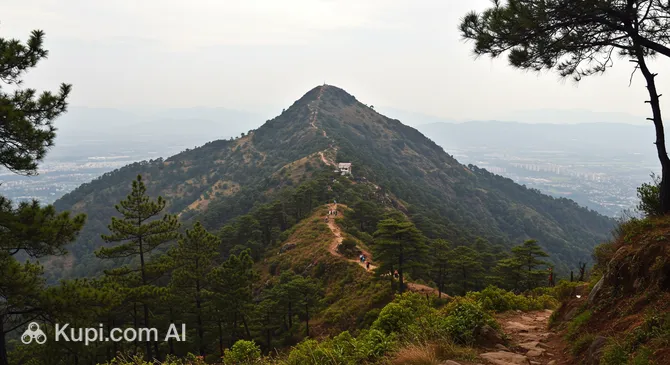
For lovers of outdoor activities and breathtaking landscapes, the Karol Tibba trek is highly recommended. This medium-difficulty route rewards you with stunning panoramic views of the surrounding valleys and snow-capped peaks. Along the way, you can explore an ancient cave shrouded in legend, adding an element of mystery and adventure to the hike. It is a great place to connect with nature and recharge your energy.

Karol Tibba Trek. Illustration.
Source: Kupi.com AI

Traveler photos:

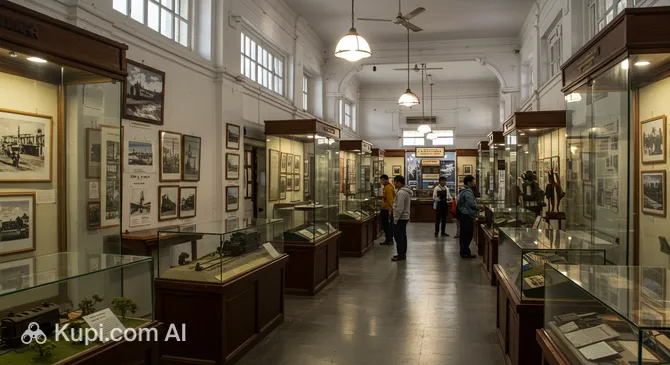
An interesting place to learn about the history of the region is the Solan Railway Station Museum. Located on the grounds of an active station that is part of the famous Kalka-Shimla narrow-gauge railway (a UNESCO World Heritage site), the museum houses artifacts and photographs telling the history of the construction and operation of this unique mountain line. It is an educational spot for everyone interested in engineering and transport history.

Solan Railway Station Museum. Illustration.
Source: Kupi.com AI

Traveler photos:

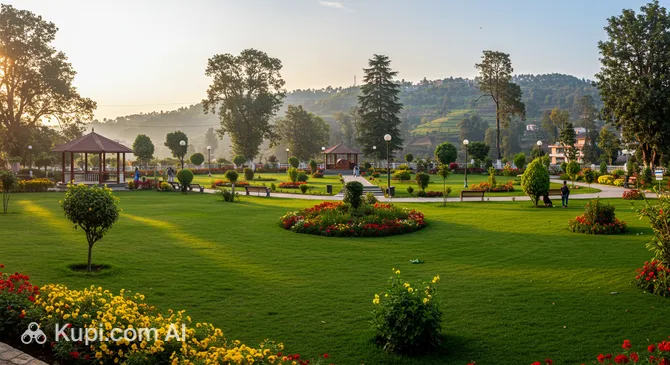
If you are looking for a place for quiet relaxation and outdoor walks, visit Jawahar Park. This well-maintained park with fountains, children's rides, and lush greenery is a popular leisure spot for both locals and tourists. Here, you can enjoy quality time with your family, have a picnic, or simply enjoy the peace and beauty of nature in the heart of the city.

Jawahar Park. Illustration.
Source: Kupi.com AI

Traveler photos:

Local Cuisine

The gastronomic scene of Solan, nestled in the Himalayan foothills, is a fascinating blend of North Indian traditions and the unique culinary customs of the mountain people. The city is rightfully proud of its fresh mushrooms, which are the hallmark of the local cuisine and appear in a wide variety of dishes, giving them a unique taste and aroma. A trip to Solan is a true discovery for foodies seeking authentic flavors.

Among the dishes you must try in Solan is siddu—fluffy steamed buns stuffed with potatoes or local cheese, served hot with ghee (clarified butter) and spicy chutneys. Another iconic dish is madra, a thick and fragrant chickpea curry with a rich set of spices, perfect for cool evenings. Of course, one cannot overlook the numerous mushroom dishes: from hearty mushroom cutlets and aromatic stir-fries to exquisite soups and curries.

Street food lovers will also find plenty of interest in Solan. Try the piquant chaats, crispy samosas, especially those with mushroom filling, and fragrant freshly baked flatbreads with herbs and spices. Popular drinks include refreshing lassi, various types of tea including local herbal blends, and freshly squeezed fruit juices. Locals may also offer traditional homemade drinks reflecting the region's character.

Food culture in Solan is closely tied to local products. At farmers' markets, you can always find the freshest vegetables, fruits, dairy products, and, of course, mushrooms. Locals prefer cooking at home or visiting small family cafes and snack bars that serve traditional dishes. Tourists can also enjoy authentic cuisine in these establishments or at numerous fairs. Special attention should be paid to culinary festivals, often dedicated to mushrooms, where you can not only taste various delicacies but also learn about local culinary traditions and artisans, fully immersing yourself in the atmosphere of Himalayan hospitality.

Travel Tips

Welcome to Solan! To make your trip to this charming city in the Himalayan foothills as comfortable and enjoyable as possible, we have prepared some practical tips. We hope they help you plan your journey better and enjoy every moment of your stay in India.

  1. Clothing and Essentials by Season: Solan is located in a mountainous region, so the weather is changeable. In summer (March-June), it is warm during the day, but evenings can be cool—bring light sweaters or a jacket. In winter (November-February), it can be cold and snow is possible, so warm clothes, including a hat, gloves, and thermal underwear, are essential. Comfortable shoes for walking on hilly terrain are your best friend. Don't forget sunscreen and sunglasses, especially on clear days. When visiting temples and monasteries, choose modest clothing that covers shoulders and knees.

  2. Getting Around: Solan is a relatively small city, and many of its central parts can be explored on foot. For longer trips, local buses connect various districts and nearby settlements. Auto-rickshaws and taxis are also common. Taxi-hailing apps may have limited coverage, so it is better to rely on local carriers. Renting a car with a driver can be convenient for exploring the surroundings, but self-driving in the mountains requires experience and caution.

  3. Financial Matters: The local currency is the Indian Rupee (INR). You can exchange currency at banks or authorized exchange offices. Major hotels and shops accept cards, but for purchases at markets, small shops, and for paying rickshaw fares, it's better to have enough cash. ATMs are available in the city. A rough daily budget can range from 1,500 to 3,000 rupees (excluding accommodation), depending on your plans. Tipping is appreciated but not always mandatory; in restaurants, it is customary to leave 5-10% if a service charge is not included in the bill.

  4. Health and Safety: There are pharmacies in Solan, but 24-hour ones may be few. If medical assistance is needed, you can go to local hospitals or clinics. Solan is considered a fairly safe city. However, follow standard precautions: keep an eye on your belongings, especially in crowded places, and avoid walking alone in poorly lit or deserted areas after dark. It is recommended to drink bottled water.

  5. Language and Communication: The main languages are Hindi and local Pahari dialects. In tourist spots, hotels, and among the youth, many understand and speak English. Learning a few simple phrases in Hindi, such as "Namaste" (Hello) and "Dhanyavad" (Thank you), will help you connect with locals. Local SIM cards (e.g., Airtel, Jio) can be purchased with a passport and visa. Wi-Fi is available in most hotels and some cafes.

  6. Local Etiquette: The greeting "Namaste" (often accompanied by a slight bow and folded palms) is the common form of politeness. Locals are generally hospitable and friendly. It is customary to remove your shoes before entering someone's home or a temple. Avoid public displays of affection. Always ask for permission before taking photos of people.

  7. What to Avoid: Try not to engage in discussions on sensitive political topics. Show respect for local customs and religious shrines: do not enter temples with shoes or in inappropriate clothing. Be cautious with strangers offering services that seem too good to be true or are overly persistent.

  8. Special Features of Solan: The city is known as the "Mushroom Capital of India" due to its mushroom cultivation. Solan also serves as a gateway for trips to other popular mountain resorts in Himachal Pradesh. Be sure to try local Himachali cuisine. Check if any local festivals or fairs are happening during your visit—it's a great opportunity to immerse yourself in the regional culture.

We hope these tips help you feel more confident and get the most out of your trip to Solan. We wish you unforgettable experiences in this picturesque corner of India!

Entertainment & Nightlife

As evening falls, Solan becomes enveloped in the tranquil atmosphere typical of mountain towns. While Solan is not positioned as a center of vibrant nightlife with numerous loud clubs, you can certainly find pleasant options for evening leisure after a busy day.

Evening entertainment in Solan is mainly concentrated around restaurants serving local Himachali and pan-Indian cuisine, as well as cozy cafes, some of which stay open until late evening. Some hotels may have their own bars or lounge areas where guests can relax with a drink in a quiet setting. If you are looking for loud discos and nightclubs, the choice in Solan will be limited, as the city is more oriented toward a peaceful and measured vacation.

The main areas for evening walks and dinners are the city's central streets, such as The Mall Road or the main bazaar square. This is where most restaurants, cafes, and shops operating in the evening hours are usually concentrated. A walk through these streets allows you to soak in the local atmosphere and enjoy the fresh mountain air.

The atmosphere of Solan in the evening is generally calm and welcoming. Most dining establishments operate until about 10:00 PM or 11:00 PM. No special dress code is usually required for visiting restaurants or cafes; casual, comfortable clothing is perfectly appropriate. The crowd here is mixed—locals spending time with their families and tourists resting after excursions.

To get around the city in the evening, it is recommended to use taxis or auto-rickshaws. These can be found at designated stands or ordered through your hotel. Public transport runs less frequently at night. Solan is considered a relatively safe city; however, standard precautions should not be neglected: try to stick to well-lit streets and avoid walking alone in deserted areas late at night.

During the day, Solan offers other interesting leisure opportunities. You can immerse yourself in the region's history by visiting the Solan Railway Station Museum. For leisurely walks and outdoor relaxation, Jawahar Park is perfect. Also worth visiting are attractions such as the Maa Shulini Temple and the scenic Karol Tibba trek if you enjoy active recreation.

Solan Railway Station Museum. Illustration.
Source: Kupi.com AI

Traveler photos:

Parks & Museums

Solan, nestled in the foothills of the Himalayas, offers its guests not only picturesque landscapes but also the opportunity to experience local culture through its parks and attractions. The city boasts well-maintained green areas for relaxation as well as interesting sites that tell the story of its heritage.

For nature lovers and outdoor enthusiasts, Solan offers several wonderful spots. One of the most popular is Jawahar Park. It is a great place for family walks, picnics, and simply relaxing in the fresh air. The park features playgrounds, well-kept alleys, and scenic corners where you can enjoy the peace and beauty of nature. For those seeking more active adventures, the Karol Tibba trek is highly recommended. This route provides unforgettable views of the surrounding valleys and mountains, as well as the chance to see the Pandava Cave, which has mythological significance. The climb can be challenging, but the reward is stunning panoramas.

Jawahar Park. Illustration.
Source: Kupi.com AI

Traveler photos:

Karol Tibba Trek. Illustration.
Source: Kupi.com AI

Traveler photos:

Although Solan does not have a large number of major museums, there are unique places that offer a glimpse into the region's history. One such place is the Solan Railway Station Museum. It is located on the historic Kalka-Shimla narrow-gauge railway, a UNESCO World Heritage site. The museum features artifacts, photographs, and documents telling the history of the construction of this amazing engineering landmark. This site will be especially interesting for those fascinated by the history of railways and the colonial era.

Solan Railway Station Museum. Illustration.
Source: Kupi.com AI

Traveler photos:

Speaking of the cultural heritage of Solan, the Maa Shulini Temple must be mentioned. This ancient temple is dedicated to the goddess Shulini Devi, the patroness of the city after whom it was named. The temple attracts not only pilgrims but also tourists with its architecture and atmosphere of tranquility. It is particularly crowded during the annual Shulini Mela festival, which takes place in June.

Maa Shoolini Temple. Illustration.
Source: Kupi.com AI

Traveler photos:

For more authentic experiences, stroll through the city's old streets or visit the local market to feel the rhythm of everyday life in Solan. It is also worth visiting the Yungdrung Dzogchen Ling Monastery (Bon Monastery) located near the city, which is an important center of Tibetan Buddhism and offers a peaceful place for meditation and cultural discovery.

Getting Around

Getting around Solan and its surroundings can be done using several modes of transport. Although the city does not have an extensive metro or tram system like large metropolises, bus services are well-developed, and other convenient ways to move around are available.

The primary mode of public transport in Solan is the bus. These include local city routes as well as buses traveling to neighboring villages and larger cities in the state of Himachal Pradesh. Buses are generally the most economical way to travel. Schedules and routes are best checked on-site at the bus station or by asking locals.

For shorter trips around the city or to reach places where buses do not go, auto-rickshaws (sometimes called tuk-tuks) are widely used. This is a popular and relatively inexpensive mode of transport. It is customary to agree on the fare with the driver in advance, before the trip begins. Taxis are also available in Solan, which are convenient for traveling with luggage, group trips, or for greater comfort. It is also best to discuss the taxi fare before boarding.

The payment system for public transport in Solan is predominantly cash-based. Bus tickets are usually purchased from the conductor directly on the bus or at the ticket counters at the bus station for intercity routes. For auto-rickshaw and taxi rides, payment is made directly to the driver. Specialized tourist travel cards or mobile apps for city transport payments are generally not available, so it is recommended to carry small bills.

Public transport in Solan usually starts early in the morning and ends in the evening. Buses may run less frequently in the evening hours and on weekends. It is always useful to check the current schedule, especially if you plan to visit remote areas. For ease of navigation, don't hesitate to ask locals for directions—they are often very willing to help.

In addition to buses, auto-rickshaws, and taxis, walking is a great way to cover short distances in central Solan, allowing you to get to know the city better. Given the hilly terrain, be prepared for climbs and descents. Car-sharing services or developed bike rental networks are less common in the city, so the main focus should be on traditional modes of transport.

Accommodation

When planning a trip to Solan, you will find a variety of accommodation options to suit any budget and preference. The city offers a choice from budget guesthouses and small family-run hotels to more comfortable mid-range accommodations. Apartments and short-term rental homes are also available, which can be a convenient option for families or groups of friends looking for more space and privacy.

For tourists, the most convenient areas to stay in Solan are those located near the city center and main transport arteries. This provides easy access to local markets, shops, and attractions such as the Maa Shulini Temple or Jawahar Park. Some travelers prefer to stay in quieter areas on the outskirts, which offer scenic views of the surrounding hills and valleys.

While Solan may not have major international hotel chains, there is a good selection of local hotels that offer a decent level of service and hospitality. Many of them are characterized by coziness and a personal approach to each guest, allowing for a deeper immersion into the atmosphere of this charming mountain town.

Accommodation prices in Solan range from budget-friendly options to mid-range and higher-end offerings, depending on the season, location, and the level of amenities provided. To ensure the best selection and prices, it is recommended to book your accommodation in advance, especially if your trip coincides with the peak tourist season or public holidays. The most common booking methods are popular online platforms and travel aggregators, though you can also consider direct booking via hotel websites or by phone.

Nearby Cities

For those looking to explore the surroundings, Solan serves as an excellent starting point for day trips to several interesting nearby locations:

For example, just 23 kilometers away is Shimla, the former summer capital of British India, which charms with its colonial architecture, scenic Himalayan views, and the famous Mall Road. It is an ideal spot for those seeking cool air and a historical atmosphere. Another interesting destination is Chandigarh, located about 36 kilometers away. This city, designed by the famous architect Le Corbusier, impresses with its modern layout, green parks, and unique architectural solutions, such as the Capitol Complex.

CityPopulationDistance
Sohta8 70915 km
Shimla206 57523 km
Phagu9 11527 km
Nayagaon9 87333 km
Panchkula211 35533 km

These nearby destinations offer a glimpse into the diverse culture and landscapes of the region.

Shopping & Souvenirs

Solan, a charming city in Himachal Pradesh, offers a fairly authentic shopping experience, distinct from the hustle and bustle of major metropolises. Here, you won't find massive shopping malls with global brands, but you can immerse yourself in the atmosphere of local markets and purchase unique regional goods. The city is famous for its woolen products, fresh fruits (especially plums, peaches, and tomatoes, for which Solan is called the "City of Red Gold"), and local handicrafts.

Most commercial activity in Solan is concentrated along The Mall Road and in the Upper Bazaar and Lower Bazaar areas. These are lively streets home to many small shops, stalls, and kiosks. Here, you can find clothing, footwear, everyday goods, as well as souvenirs and local delicacies. A walk through these streets is an interesting experience in itself, allowing you to observe local life.

Modern mega-malls are absent in Solan; shopping here maintains a more traditional character. However, you may encounter small shopping complexes or arcades where several shops offering various goods are gathered under one roof.

Local markets are the heart of commerce in Solan. In addition to the aforementioned Upper and Lower Bazaars, where everything from clothing to household goods is sold, the food stalls deserve attention. Here, you can buy the freshest seasonal fruits, vegetables, local cheeses, and spices. The atmosphere in the markets is very colorful, making it a great place to buy edible souvenirs.

When leaving Solan, it is worth bringing back traditional Himachali souvenirs. Woolen items are particularly popular: shawls, sweaters, socks, and the famous Himachali "Kullu topi" caps. Also, look for handcrafted wooden items, local jams, pickles (achaars), and preserved fruits. Tea lovers can find good varieties of local Himalayan tea here.

Shops in Solan are typically open from 10:00–11:00 AM to 7:00–8:00 PM. Some small shops may close for a lunch break. Cash (Indian Rupees) is widely accepted. In larger stores and some tourist spots, payment by bank cards is possible, as well as through popular mobile payment systems (UPI) in India.

Tax Free (VAT refund) systems for tourists on most everyday goods and souvenirs in India are generally not available or involve a complex procedure. This system is more geared toward exporting high-value goods through specialized stores.

Reached the end of the page?

That means the route is fully explored