Support

Nepali Temple

About

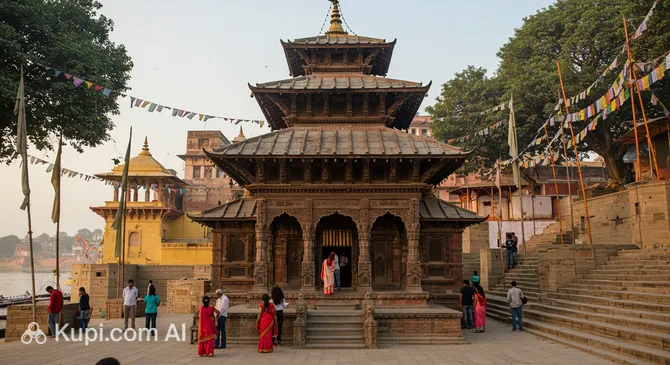
Among the many stone shrines for which ancient Varanasi is famous, the Nepali Temple (or Nepali Mandir) stands out for its unique appearance. Located in the Lahori Tola district, this temple, also known as Kathwala, is a rare example of Nepali wooden architecture in the heart of India. Unlike typical Indian temples, it is built from high-quality timber specially brought from Nepal.
\n\n
Nepali Temple
Nepali Temple. Иллюстрация. Источник: Kupi.com AI
\n\n

The structure is a magnificent replica of the famous Pashupatinath temple in Kathmandu. The main treasure of this place lies in its intricate wood carvings: the facade and interior panels are adorned with detailed scenes from Hindu mythology, depictions of deities, and mythical creatures. These ornaments create an atmosphere of ancient Nepali sanctity, making the temple a true architectural gem on the banks of the sacred Ganges.

\n\n

The temple is under the patronage of the Nepali royal family and serves as a living reminder of the close cultural ties between the two nations. Thanks to its high rating among pilgrims and tourists, this site is considered a must-visit for those seeking tranquility and wanting to see something different from the classic architecture of northern India.

Contacts

To confirm current visiting rules or special ceremonies at the Nepali Temple, it is recommended to contact local guides or the city's tourist information centers.

Below is the official information regarding the location of the site:

How to contactContact
Addressnear Lalita Ghat, Lahori Tola, Varanasi, Uttar Pradesh 221001, India

What to Do

The main reason to visit the Nepali Temple is to witness the unique art of wood carving. Visitors can spend hours examining the carved panels and gateways (toranas), where mythological stories come to life. This spot is perfect for photographers: the contrast between the dark carved wood and the vibrant colors of Varanasi creates stunning shots, especially in the rays of the rising sun.

\n\n

Inside the temple, a calm and meditative atmosphere prevails, perfect for contemplation. You can observe the daily rituals of pilgrims or talk with the priests who maintain the traditions of this place. The proximity to Lalita Ghat makes it easy to transition to a stroll along the banks of the Ganges to see the boats and solemn ceremonies on the waterfront.

\n\n

Souvenir lovers can find small shops nearby selling items with similar carvings, allowing you to take a piece of Nepali culture home with you. A visit to this temple is not just a sightseeing tour, but an immersion into the spiritual synergy of two great cultures in the heart of the sacred city.

Getting There

You can find the Nepali Temple in the heart of the old city, in the Lahori Tola area, right by Lalita Ghat. If you arrive by plane, the journey from Lal Bahadur Shastri Airport, located 25 km away, will take about 45–60 minutes by taxi. Please note that cars cannot pass through the narrow historical streets, so the final part of the journey must be covered on foot.

For getting around within the city, it is most convenient to use auto-rickshaws or cycle-rickshaws. From the famous Dashashwamedh Ghat, the trip takes only 10–15 minutes, followed by a short five-minute walk to the temple. If you are near the Kashi Vishwanath Temple, a walk through the colorful labyrinth of Vishwanath Gali alleys will take about 20 minutes.

For tourists arriving at Varanasi Junction railway station, the easiest option is to take a taxi to the point closest to the embankment. It is important to remember that parking in this area is virtually non-existent, so walking or hiring local transport is the best option for visiting this part of the Ganges waterfront.

Ближайший город: Varanasi

History & Facts

The Nepali Temple, officially known as Nepali Mandir, was built in the 19th century at the initiative of the King of Nepal. This unique structure became a symbol of the deep cultural and religious ties between the two countries. The monarch wished to create an exact replica of the famous Pashupatinath temple in Kathmandu within the sacred city of Varanasi.

For its construction, precious timber was specially brought from Nepal, and it still impresses today with its remarkable state of preservation. Traditional Nepali carving techniques used by the craftsmen of that time turned the building's facade into a true work of art. For decades, the temple and the adjacent Lalita Ghat were under the patronage of the Nepali royal family, highlighting the site's special status.

Interestingly, despite the humid climate and proximity to the waters of the Ganges, the temple's wooden elements have remained in excellent condition for centuries. This is a testament to the incredible skill of the architects and the high quality of the materials used. Today, the temple is not only a place of worship for Shiva but also an important monument to the era of active cultural exchange in South Asia.

Time Needed

For a quick look at the architecture of the Nepali Temple and its famous wood carvings, 30–45 minutes is sufficient for most tourists. This is enough time to take beautiful photos of the facade and experience the unique atmosphere of Nepali craftsmanship, which is unusual for this region.

If you plan to combine your visit with a walk along the Ganges embankment, a visit to Lalita Ghat, and observing the rituals by the river, you should allow at least 1–1.5 hours. It is best to come here at sunrise or sunset, when the soft light highlights the details of the carvings and the general hustle and bustle of the city subsides slightly.

Working Hours

The Nepali Temple is warmly open to believers and travelers at any time of the day. According to official records, the temple is open 24 hours a day, seven days a week—from Monday to Sunday.

This schedule allows visitors to choose the most comfortable time: whether it's early morning to catch the sunrise on the Ganges or late evening when the temple building takes on a particularly mysterious look in the lights of the embankment.

Круглосуточно

Nearby

Exploring the surroundings of the Nepali Temple allows you to dive deeper into the atmosphere of the sacred city and see its modern side. A stroll through the nearby ghats and streets will reveal many interesting places, from spiritual shrines to modern amusement parks.

Below are some sites in the vicinity that may interest travelers:

NameDistance
Kashi Vishwanath Temple0.3 km
Shree Annapurna Temple0.3 km
Man Singh Observatory0.3 km
Neelu Kachori Bhandar0.4 km
Darbhanga Ghat0.6 km
Panchganga Ghat0.8 km
Kashi Dham Museum0.9 km

Reached the end of the page?

That means the route is fully explored