Support

Asia-Africa Conference Museum

About

The Museum of the Asian-African Conference in Bandung is an iconic cultural and historical institution located in the heart of the city on the island of Java, Indonesia. The museum occupies the historic Gedung Merdeka building, where the famous Bandung Conference took place in April 1955, marking a turning point in the history of Asian and African countries and giving rise to the Non-Aligned Movement.
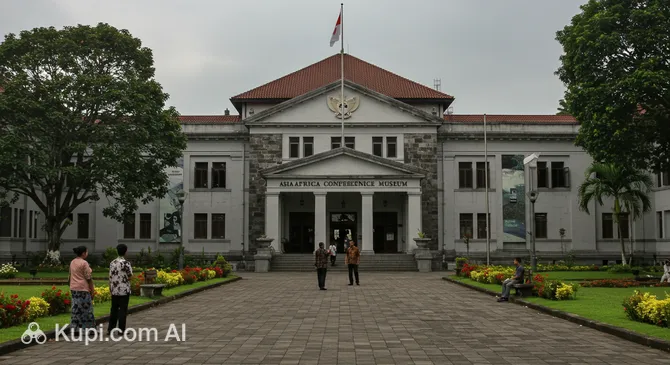
Asia-Africa Conference Museum. Illustration.
Source: Kupi.com AI

Traveler photos:

The museum's main mission is to preserve the memory of those fateful events for posterity and to promote the humanistic principles of solidarity and cooperation established by the conference participants. Its halls feature rich collections of original documents, historical photographs, personal items of the delegates, and other unique artifacts that detail the preparation, progress, and results of this important international forum.

Visiting the Museum of the Asian-African Conference provides a deeper insight into the pursuit of independence, peace, and mutual respect by the peoples of two continents in the mid-20th century. It is a place where history comes alive, offering visitors not just a viewing of exhibits, but an opportunity to touch the spirit of an era when new world realities were being formed and ideas were born that remain relevant to this day.

Contacts

For up-to-date information on opening hours, ticket prices, and available tours at the Museum of the Asian-African Conference, it is recommended to visit the museum's official website or contact local tourist information centers in Bandung. These institutions typically provide detailed information for visitors, including contact numbers and email addresses.

How to contactContact
AddressJl. Asia Afrika No.65, Braga, Kec. Sumur Bandung, Kota Bandung, Jawa Barat 40111, Indonesia
Phone number+62 22 42690705
Websitemkaa.kemlu.go.id

What to Do

At the Museum of the Asian-African Conference, visitors can take a real journey back in time. The main exhibition includes numerous historical materials: from authentic documents and personal belongings of the delegates to fascinating multimedia presentations revealing its global historical significance. The halls that meticulously recreate the atmosphere of the 1950s are particularly impressive, allowing guests to feel the spirit of that era and imagine how the key sessions took place.

In addition to exploring the main exhibition, the museum offers other opportunities for deeper immersion in the subject. You can join themed tours that help you better understand the context and significance of the conference. Temporary exhibitions are regularly held, often dedicated to the culture and traditions of the peoples of Asia and Africa, which broadens horizons and complements the main collection. For those interested in more detailed study, the museum organizes educational programs, lectures, and interactive sessions, making it an important cultural and educational center.

Getting There

Getting to the Museum of the Asian-African Conference is straightforward, as it is strategically located in the heart of Bandung. Thanks to its proximity to the city's main transport arteries, the museum is easily accessible for those using public transport as well as travelers by car.

You can use taxi services or rent a car for a comfortable ride directly to the museum entrance. It is also convenient to reach the Museum of the Asian-African Conference by public transport, with bus stops located in the immediate vicinity. Additionally, Bandung Railway Station is within walking distance, which is particularly convenient for tourists arriving from Jakarta or other major cities on Java.

If you are staying in one of the hotels in central Bandung, you will most likely be able to reach the museum on foot. Such a walk will allow you to get to know the city better, as the museum is surrounded by other attractions, popular restaurants, and shops. It is an excellent opportunity to combine a cultural program with a pleasant exploration of the urban environment.

Nearest city: Bandung

History & Facts

The Museum of the Asian-African Conference in Bandung is not just a collection of exhibits, but a living testament to one of the most significant events in 20th-century history. Its existence is inextricably linked to the famous 1955 Bandung Conference, which was the first major forum in history to bring together the nations of Asia and Africa. This event laid the groundwork for many subsequent geopolitical processes and left a deep mark on world history.

The conference took place from April 18 to 24, 1955, and was attended by representatives from 29 states and colonies of these two continents. For many of them, it was the first opportunity to assert themselves on the international stage as independent or independence-seeking forces. The Bandung Conference became a turning point in the development of the Non-Aligned Movement and played a key role in strengthening solidarity among the peoples of Asia and Africa fighting for self-determination and cooperation.

To commemorate this landmark event and convey its historical significance to new generations, the Museum of the Asian-African Conference was opened in Bandung by 1980. Symbolically, the museum is located on a street named Asia Afrika (Jalan Asia Afrika), further emphasizing its importance to the city and all of Indonesia. The museum's exhibits detail the preparation, proceedings, and outcomes of the conference, showcasing unique documents, photographs, and personal belongings of the delegates.

A visit to the Museum of the Asian-African Conference allows for a deeper understanding of the spirit of that era, the peoples' aspiration for unity and independence, and an appreciation of Bandung's contribution to world diplomacy. It is a place where history comes alive, reminding us of the importance of dialogue and cooperation between nations, making it a must-visit for anyone interested in the history of international relations and the development of Asian and African countries.

Time Needed

To fully explore the exhibition of the Museum of the Asian-African Conference and immerse yourself in the atmosphere of this historically significant site, most visitors are recommended to set aside approximately 1.5 to 2 hours. This time is usually sufficient for a careful viewing of the main exhibition halls and familiarizing yourself with the materials presented, including participation in any available interactive programs.

By planning for this amount of time, you will be able to leisurely examine the documents, photographs, and artifacts that tell the story of the preparation and execution of the famous 1955 Bandung Conference. If the museum features any interactive elements or temporary exhibitions, the specified time should also be enough to visit them without rushing. This approach will allow you to get the most complete picture of the role this event played in world history and the importance of the museum as a guardian of this memory.

Of course, the individual pace of exploration may vary: some may want to study each exhibit in detail, while others may prefer a general overview. However, the one-and-a-half to two-hour guideline is a good starting point for planning your visit to the Museum of the Asian-African Conference in Bandung to ensure your experience is both rich and informative.

Working Hours

When planning a visit to the Museum of the Asian-African Conference in Bandung, it is important to check the current opening hours in advance. Generally, museums of this importance are open to visitors throughout the year, except for certain public holidays. However, to avoid any unpleasant surprises, it is highly recommended to check the museum's official website or contact its administration directly before your trip. You can also find out if advance booking of tickets or registration for tours is required, especially if you plan to visit as part of a group or during the peak tourist season.

Typically, information about opening hours, closing days, and special events is available on the official tourism portals of Bandung or Indonesia. This will help you plan your visit in the best possible way and get the most out of your experience at this landmark historical site.

DayOpening hours
MondayClosed
TuesdayClosed
Wednesday9:00 – 15:00
Thursday9:00 – 15:00
Friday9:00 – 15:00
Saturday9:00 – 15:00
SundayClosed

Nearby

A visit to the Museum of the Asian-African Conference is undoubtedly an important event for any curious traveler interested in history. However, to make your acquaintance with Bandung even more complete and memorable, it is worth taking the time to explore the museum's surroundings. Often, it is small walks through nearby streets and visits to neighboring attractions that reveal new facets of the city and provide unexpected impressions.

The area around the Museum of the Asian-African Conference is the historical heart of Bandung, and here you can find many interesting sites that will complement your understanding of the city and its significance for Indonesia. Below is a list of some attractions located nearby, along with their distance from the museum:

NameDistance
Merdeka Building0 km
Bandung Zero Kilometer Monument0.2 km
Afterhour Billiard & Lounge1.3 km
Happy Puppy Karaoke Paskal Hyper Square1.7 km
Heritage Factory Outlet1.9 km
Gedung Sate2.3 km
Geological Museum2.6 km

Have you reached the end of the page?

So the route has been studied inside and out