Support

Yogyakarta Palace

About

In the heart of Yogyakarta, on the Indonesian island of Java, lies the Sultan's Palace, also known as the Keraton (Keraton Yogyakarta). It is not just a historical building, but the active residence of the Sultan and his family, as well as a vital cultural center for all of Indonesia. Visiting this site allows you to touch living history and feel the majesty of the Javanese monarchy.
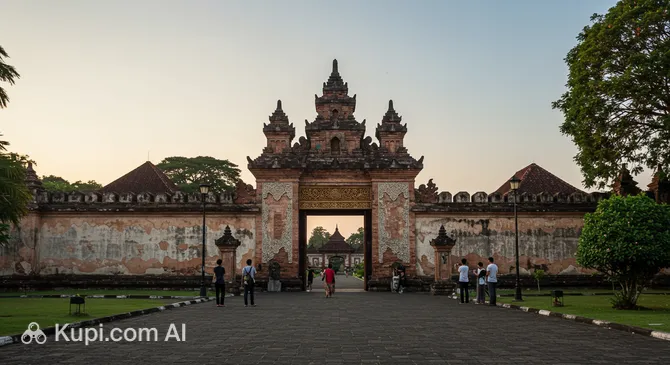
Yogyakarta Palace. Illustration.
Source: Kupi.com AI

Traveller photos:

The architectural ensemble of the palace is a magnificent blend of traditional Javanese style with exquisite ornamentation. Every pavilion, courtyard, and decorative element carries deep philosophical meaning, reflecting views on the universe and the ruler's power. Walking through its grounds, you can spend hours admiring the intricate wood carvings, gilded details, and unique architectural solutions.

The Keraton is not a static museum, but a true center for the preservation and development of Javanese culture. Traditional ceremonies, performances by dancers, and musicians playing the gamelan are held here regularly. For travelers, this is a unique opportunity to see authentic rituals and art forms that have been passed down through generations and are carefully protected within the walls of this majestic palace.

Contacts

To plan your visit and find up-to-date information on opening hours, ticket prices, and the schedule of cultural performances, it is recommended to use the official contact details for the Yogyakarta Palace. The primary contact information is provided below.

How to contactContact
AddressJl. Rotowijayan Blok No. 1, Panembahan, Kecamatan Kraton, Kota Yogyakarta, Daerah Istimewa Yogyakarta, Indonesia
Phone+62 274 373721
Websitekratonjogja.id

What to Do

Visiting the Yogyakarta Palace is a unique opportunity to immerse yourself in the living history and culture of Java. Guests are free to stroll through the numerous halls and courtyards, where impressive collections of royal relics await. The exhibits feature traditional clothing, ancient musical instruments, and unique works of art that tell the story of the sultan's family life and traditions.

Of particular interest are the museum exhibits dedicated to the rich history of the sultanate and the ruling dynasty. Here, you can gain a deeper understanding of the site's significance for the entire country. In the inner courtyard, pay attention to the unique architectural elements and sculptures, each carrying its own symbolic meaning.

One of the main highlights of a visit is the live performances. On certain days, the palace grounds host traditional Javanese dance performances and gamelan orchestra concerts. If you're lucky, you might witness one of the colorful ceremonies or rituals still performed at the palace, making the visit especially atmospheric and unforgettable.

Getting There

Yogyakarta Palace, also known as the Keraton, is conveniently located in the very heart of Yogyakarta, making it simple and accessible for tourists to visit. Thanks to its central location, the attraction can be reached from any part of the city using various modes of transport.

For travelers arriving in the city by plane, the most convenient way is to take a taxi from Yogyakarta International Airport or use ride-hailing services like Grab or Gojek. The trip to the city center does not take long, and from there, you can walk to the palace while enjoying the street atmosphere or take local transport, such as a cycle rickshaw (becak).

Additionally, the palace complex is easily accessible via the Trans Jogja city bus, which is a budget-friendly and convenient option for independent travelers. You might also consider joining an organized excursion. Many local guides include a visit to the Keraton in their tours of Yogyakarta's main attractions, which saves time on route planning.

Nearest city: Yogyakarta

History & Facts

The history of the Yogyakarta Palace, or Keraton, is closely linked to a significant historical event—the Treaty of Giyanti in 1755. This agreement, which divided the powerful Islamic Kingdom of Mataram into two sultanates, marked the beginning of the construction of a new residence. The first Sultan of Yogyakarta, Hamengkubuwono I, personally oversaw the development of the architectural plan. Construction of the complex began in 1755-1756, and from the start, it was intended to be more than just a royal home; it was designed as the political, cultural, and spiritual center of the entire region.

The palace's architecture and layout are rich in deep symbolism, reflecting traditional Javanese concepts of the cosmos. The complex of pavilions was built according to ancient beliefs regarding the connection between the world of gods, humans, and nature. Its positioning is intentional: the main facade faces north toward the sacred Mount Merapi, while the southern side looks toward the Indian Ocean, believed to be the home of the mythical Queen of the South Seas. This thoughtful planning transforms the palace into a miniature model of the universe, where every element holds its own sacred meaning.

For centuries, the palace has remained not only a symbol of the Sultans' power but also a bastion of unique Javanese culture. It is a true "city within a city," featuring its own streets, squares, workshops, and mosques. Remarkably, the Keraton remains the active residence of the Sultan and his family today. Despite this, a significant part of the complex is open to visitors, allowing everyone to touch living history and the traditions carefully preserved within its walls.

Time Needed

When planning your visit to the Yogyakarta Palace, you should allow for 2–3 hours to fully explore the complex. This time is generally sufficient to leisurely walk through the main pavilions, admire the unique Javanese architecture, and examine the palace museum exhibits, which house relics of the sultan's family. This timeframe will allow you to immerse yourself in the Keraton's atmosphere without feeling rushed.

The duration of your visit may vary depending on your interests. If you only want a quick look at the main courtyards to get a general impression, one hour might be enough. However, if you wish to dive deeper into the culture, it's worth planning for more time. Traditional dance performances and gamelan orchestra concerts take place on the palace grounds almost daily, which can significantly extend your stay. Photography enthusiasts and those who prefer to study every detail with a guide could easily spend half a day here.

Working Hours

Yogyakarta Palace is typically open to visitors daily in the morning, allowing you to combine your visit with other attractions in Yogyakarta. Standard opening hours are approximately from 08:30 to 14:00, though the complex closes earlier on Fridays, around 13:00. The palace is open year-round but may be closed during national holidays or private events for the sultan's family.

Advance ticket booking for individual visits is generally not required. However, given the popularity of the site and potential schedule changes, it is highly recommended to check the latest information on opening hours and entry fees on the palace's official website or confirm details at local tourist centers immediately before your visit. This will help you avoid any surprises and plan your trip as effectively as possible.

DayOpening hours
MondayClosed
Tuesday8:30 – 14:30
Wednesday8:30 – 14:30
Thursday8:30 – 14:30
Friday8:30 – 14:30
Saturday8:30 – 14:30
Sunday8:30 – 14:30

Nearby

A visit to the Yogyakarta Palace is just the beginning of your journey into the rich cultural heritage of Yogyakarta. Thanks to its central location, you find yourself in the heart of the historical district, with other iconic sites just a few steps away. Exploring the surroundings will allow you to dive deeper into the city's atmosphere and see how history, religion, and daily life are intertwined in this amazing corner of Indonesia.

A stroll through the nearby streets will enrich your experience and complete your picture of life in the sultanate. Colorful squares, ancient mosques, interesting museums, and bustling markets are all within walking distance of the palace complex. Below is a list of key attractions located very close by.

NameDistance
Yogyakarta Palace0.2 km
Sonobudoyo Museum Unit I0.3 km
Sonobudoyo Museum New Building0.4 km
Happy Puppy0.6 km
Taman Pintar Yogyakarta0.6 km
Vredeburg Museum0.6 km
Taman Sari Water Castle0.8 km

Reached the bottom of the page?

Looks like you know this route inside out