Support

Astaneh Ashrafiyeh

About

Astaneh-ye Ashrafiyeh is a charming city, a true oasis of cultural diversity and natural harmony, located in northwestern Iran, in the Gilan province. The city is snugly nestled in a picturesque valley at the foot of the Alborz Mountains, near the Caspian Sea coast, which gives it a special atmosphere. A mild climate and a population of about 45,000 people make it an attractive destination where the fresh sea breeze mixes with the scents of forests and mountain herbs.

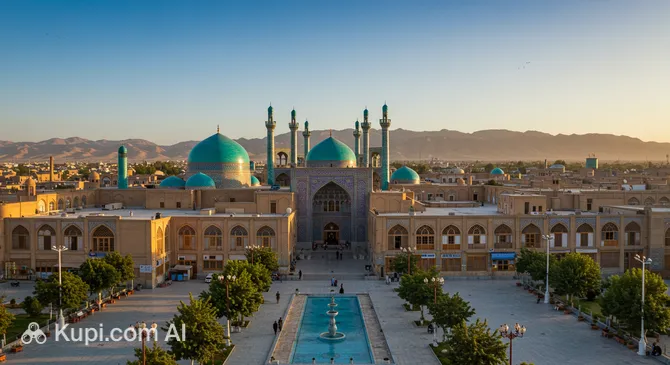
Astaneh Ashrafiyeh. Illustration.
Source: Kupi.com AI

Astaneh-ye Ashrafiyeh is famous for its hospitality and quiet, leisurely life, where traditions are harmoniously interwoven with modernity. Strolls through narrow streets with traditional-style houses, shady gardens, numerous tea houses, and artisan shops will provide unforgettable impressions. The green hills, rice fields, and emerald forests surrounding the city create unique picturesque landscapes, perfect for those seeking peace in the heart of nature.

Visiting Astaneh-ye Ashrafiyeh is a wonderful opportunity to immerse yourself in the unique atmosphere of the Iranian province. Here you can get acquainted with the rich culture of Gilan, appreciate the skill of local artisans whose products can be found in numerous shops, and, of course, enjoy the delicious local cuisine. This city, where every guest feels like a long-awaited friend, will undoubtedly leave the warmest and most authentic memories of your journey.

You can find more interesting facts on the history of Astaneh-ye Ashrafiyeh page.

Weather Overview

The climate in Astaneh-ye Ashrafiyeh is characterized by mild transitions between seasons. Expect warm summers with frequent but usually not heavy rains, and cool, rather humid winters. The average temperature in the hottest months, July and August, is 26.0°C, with maximum values reaching 28.5-28.6°C. In the coldest months, January and February, the average temperature stays around 9.0°C, while the minimum can drop to 6.1-6.3°C. Precipitation occurs throughout the year; November is one of the wettest months by volume (6 mm), while September and October stand out for the highest number of rainy days (up to 15 days). June, conversely, is the driest month with the minimum amount of precipitation (1 mm).

To plan your trip according to weather conditions, study the detailed information on the climate and weather in Astaneh-ye Ashrafiyeh page.

Average monthly temperature

Average monthly precipitation

Interesting Facts

Astaneh-ye Ashrafiyeh is not only a city with a rich history and spiritual heritage but also a place full of amazing discoveries for the curious traveler. Behind the facade of everyday life lie facts that give this corner of Iran a special charm.

  • Did you know that the name Astaneh-ye Ashrafiyeh itself is more than just a name on a map? "Astaneh" means "threshold" or "sacred place" in Persian, while "Ashrafiyeh" points to its noble and historically significant past, literally making the city the "noble threshold" to the spiritual and cultural treasures of the region.

  • Many enjoy Iranian tea, but not everyone knows that its history is closely linked to Gilan province, and Astaneh-ye Ashrafiyeh plays a key role in it. It is believed that tea plantations began their successful march across Iran from the vicinity of this city. Even today, you can touch this tradition here by attending authentic tea ceremonies.

  • Astaneh-ye Ashrafiyeh is a veritable living museum of crafts. The city is famous not only for producing the renowned Gilan carpets but also for skillful wood carving and unique painted ceramics. At local fairs, you can do more than just buy a souvenir; you can witness ancient traditions come to life in the hands of masters.

  • This city has given Iran a whole constellation of talented individuals—from poets and musicians to artists whose work has enriched the country's culture. Astaneh-ye Ashrafiyeh still vibrates with creative energy today, which is especially felt during folklore festivals where old melodies and folk tales come alive.

How to Get There

Astaneh-ye Ashrafiyeh is an important religious and cultural center in Gilan province, attracting pilgrims and tourists with its peaceful atmosphere. Since the city is relatively small, there are no direct international flights or railway lines directly into it. Travel logistics are usually built through neighboring major transport hubs. To plan your trip in detail and choose the best route, we recommend learning all the ways to get to the city.

There is no airport in the city of Astaneh-ye Ashrafiyeh itself, so travelers usually use the air harbors of neighboring cities. The closest and most convenient option is Rasht Airport (IATA: RAS), located in the city of Rasht. It is only 30.6 km from Astaneh-ye Ashrafiyeh. The journey by taxi or bus will take approximately 65 minutes. This airport serves both domestic and some regional flights, acting as a key entry point to the province.

For those arriving from abroad, the main hub is often Imam Khomeini International Airport (IATA: IKA) in Tehran. This is the country's largest airport with high passenger traffic, receiving most international flights. It is located about 233 km from Astaneh-ye Ashrafiyeh, and a car journey from there will take about 6 hours. Many tourists prefer to fly into Tehran and then take a domestic flight to Rasht or use ground transport.

For clarity, here is a summary of the main airports:

AirportPassenger trafficDistance
Rasht Airport446 00031 km
Nowshahr Airport335 377152 km
Ardabil Airport204 000178 km
Lankaran International Airport16 000192 km
Mehrabad International Airport13.8 mln214 km

As for rail connections, there is no train station directly in Astaneh-ye Ashrafiyeh. However, Iran's railway network is actively developing, and the nearest major station is in the administrative center of the province, the city of Rasht. The train journey from Tehran to Rasht is considered one of the most scenic routes thanks to the beautiful views of mountains and forests. Upon arrival at the Rasht railway station, tourists can easily reach Astaneh-ye Ashrafiyeh by taxi or local bus, as the distance between the cities is small.

Main Attractions

Astaneh-ye Ashrafiyeh, cozily situated in the Gilan province, offers travelers a unique combination of spirituality, local culture, and natural beauty. This city, known for its hospitality, holds several interesting places worth visiting to gain a deeper understanding of its character and history.

The main jewel of the city is undoubtedly the Shrine of Seyyed Jalal ad-Din Ashraf. He was the brother of the eighth Shia Imam, Ali al-Rida (Imam Reza), and the son of Imam Musa al-Kadhim, making this site one of the most important Shia pilgrimage centers in the region. The majestic architecture of the complex, with its shimmering domes and graceful minarets, leaves a lasting impression. A visit to the mausoleum is an opportunity to touch the spiritual history of Iran, appreciate the sophistication of Islamic architecture, and feel a special atmosphere of tranquility.

To feel the authentic rhythm of life in Astaneh-ye Ashrafiyeh, head to the local bazaar. Here you will immerse yourself in an atmosphere of lively trade and find the freshest local products, including the famous premium Gilan rice, aromatic teas, spices, and a variety of handicrafts. It is an excellent place not only for buying souvenirs and delicacies but also for observing the daily life of the townspeople and engaging in casual conversation with them.

The full-flowing Sefidrud River (White River), one of Iran's largest rivers, flows near the city. Its banks and the surrounding green landscapes—especially the picturesque rice fields for which Gilan province is famous—offer wonderful opportunities for outdoor relaxation. Here you can enjoy the peace, have a picnic, or simply admire the views so characteristic of this fertile and hospitable region.

Also worth noting is the Mausoleum of Dr. Mohammad Moin, an outstanding Iranian linguist and literary scholar, and the author of the famous Persian dictionary. For connoisseurs of Iranian culture and science, this site will be of particular interest as a tribute to the great educator.

Local Cuisine

The gastronomic scene of Astaneh-ye Ashrafiyeh is a true immersion into the rich and diverse cuisine of Gilan province, which is famous throughout Iran for its sophistication. The foundation of local dishes is the freshest seasonal products: rice grown in the fertile lands around the city, an abundance of vegetables, aromatic herbs, and, of course, fish from the Caspian Sea.

Be sure to try the iconic dishes of Gilan cuisine. Among them, "Mirza Ghassemi" stands out—a delicious appetizer made of roasted eggplants, garlic, tomatoes, and eggs, which has a unique smoky aroma. Another culinary masterpiece is "Fesenjan", a thick and aromatic stew, most often made from chicken or duck, with a rich walnut flavor and sweet and sour notes from pomegranate sauce. Various fish dishes cannot be ignored either: fish here is grilled, stewed with herbs, or served marinated with original sauces.

While strolling through Astaneh-ye Ashrafiyeh, don't miss the chance to get to know the local street food. Look out for "Kulucheh"—thin flatbreads with a filling of cheese and herbs, perfect for a quick snack. In the local markets, you will find not only fresh vegetables and fruits but also homemade pickles and traditional sweets based on honey, nuts, and fruits, of which the locals are very proud.

As for drinks, the main star here is undoubtedly tea. In the numerous tea houses, you will be offered freshly brewed Gilan tea, often with the addition of aromatic herbs. It is customary to drink it slowly, enjoying the taste and atmosphere, accompanied by local sweets. This is a wonderful way to relax and feel the local flavor.

The food culture in Astaneh-ye Ashrafiyeh is closely linked to traditions of hospitality and a love for fresh products. Locals prefer homemade food but also enjoy gathering in tea houses. For tourists, there are restaurants offering both traditional Gilan dishes and more familiar options. Visiting farmers' markets is not only an opportunity to buy fresh products but also to plunge into the authentic atmosphere of the city. Sometimes gastronomic festivals are held in the city, where you can sample the full diversity of local cuisine.

Travel Tips

Planning a trip to Astaneh-ye Ashrafiyeh, one of the spiritual centers of Gilan province? To ensure your journey through this interesting city in Iran goes smoothly and leaves only pleasant impressions, we have prepared some practical tips.

  1. Clothing according to weather and rules: In Astaneh-ye Ashrafiyeh, as in all of Iran, there is a dress code. Women must cover their heads with a scarf (hijab) and wear loose clothing covering their arms to the wrists and legs to the ankles. Men are advised to avoid shorts and sleeveless shirts in public places. The climate in Gilan province is humid; it can be hot in summer and cool and rainy in winter, so choose clothing by the season made from breathable fabrics. Comfortable shoes are mandatory for walking and visiting holy sites. Don't forget a universal adapter for electronics.
  2. Getting around the city: Astaneh-ye Ashrafiyeh is a relatively small city, so the main way to get around here is by taxi. You can use the services of local taxi drivers or try to find them through Iranian ride-hailing apps, if available in the city. Public transport may be represented by buses or shared taxis (savari), but for a tourist, a taxi will be a more convenient option. Renting a car for a short visit is unlikely to be necessary.
  3. Financial matters: cash only! The official currency is the Iranian Rial (IRR). It is critically important to know that international bank cards (Visa, Mastercard, etc.) do not work in Iran due to sanctions. Therefore, you must bring enough cash (US dollars or Euros) and exchange them for Rials at official exchange offices (sarrafi) or banks. ATMs for foreign cards are also unavailable. Tipping is not strictly mandatory but is always welcomed for good service (5-10% of the bill).
  4. Health and safety concerns: There are pharmacies (darukhaneh) in the city, but not all may work 24/7. It is recommended to carry a basic set of medicines. If medical assistance is needed, tourists should contact local hospitals or clinics; having travel insurance is highly desirable. Astaneh-ye Ashrafiyeh is considered a fairly safe city, but general precautions, such as keeping an eye on personal belongings, are still wise.
  5. Language and communication: The official language is Farsi (Persian). English is not widely spoken, especially among the older generation and outside major tourist centers. Learning a few basic phrases in Farsi ("Salam" – hello, "Mersi/Tashakkor" – thank you, "Bale" – yes, "Na" – no) will be very helpful in communication. For connectivity, it is better to purchase a local SIM card (e.g., Irancell or Hamrahe Avval) – this will provide access to mobile internet. Wi-Fi is available in some hotels and cafes, but not everywhere. Note that access to many Western sites and social networks may be restricted, so install a VPN in advance.
  6. Respect for local customs (Etiquette): Iranians are very hospitable. When greeting, men exchange handshakes; greet women verbally unless she extends her hand first. Show respect for elders. It is customary to remove shoes when entering mosques and homes. An important part of the culture is "taarof"—a form of politeness where you are offered something and, out of courtesy, you refuse several times before accepting. Modesty in behavior and dress is valued.
  7. What to avoid: Consumption of alcohol is strictly forbidden—its import, purchase, and drinking are illegal. Avoid photographing people without their permission, as well as government buildings and military objects. Public displays of affection between a man and a woman are not accepted. Discussing political and religious topics with strangers may be perceived ambiguously.
  8. Specialty of Astaneh-ye Ashrafiyeh: Spirituality and Gilan Cuisine: The city's main attraction is the shrine of Seyyed Jalal ad-Din Ashraf, an important pilgrimage center. Be sure to visit it, following all rules of decorum. Also, don't miss the opportunity to try the unique cuisine of Gilan province, known for its dishes of rice, fish, vegetables, and aromatic herbs. It is an unforgettable gastronomic experience!

We hope these tips make your stay in Astaneh-ye Ashrafiyeh comfortable and rewarding. This city, with its special atmosphere and hospitable residents, will surely leave a warm mark on your soul!

Entertainment & Nightlife

Evening in Astaneh-ye Ashrafiyeh offers its guests a peaceful and authentic atmosphere, far from the noisy nightlife of major metropolises. You won't find districts with numerous bars or loud nightclubs here in the conventional sense. Instead, the city provides unique opportunities for a pleasant pastime after sunset, immersing you in the local culture and traditions of Iran.

The main focus of evening entertainment in Astaneh-ye Ashrafiyeh is centered around cozy restaurants and traditional tea houses (chaikhanehs). While the city does not abound with establishments of wide international fame or detailed online listings—which makes providing specific names with tourist links difficult due to the lack of such data in available sources—you will easily find authentic places for dinner or evening tea. We recommend looking for restaurants specializing in rich Gilan cuisine; they are often found along the streets leading to the shrines or near the central bazaar. Also an integral part of evening life are the traditional tea houses, where aromatic tea and local sweets are served. They can be found in the old quarters of the city or near the Seyyed Jalal ad-Din Ashraf shrine complex. It is in these often family-run establishments that locals gather for leisurely conversations, and the best way to find them is to stroll through the areas that are lively in the evening or ask for advice from local residents.

The evening atmosphere in Astaneh-ye Ashrafiyeh is peaceful, steady, and family-oriented. Establishments are usually filled with locals, families with children, and pilgrims. There are no special dress code requirements for evening outings, however, as elsewhere in Iran, modest clothing is recommended: for men, trousers and a shirt/T-shirt; for women, clothing that covers the arms and legs, and a headscarf. Most restaurants and cafes stay open until late evening but not all night, usually closing by 22:00-23:00.

When planning your evening leisure, keep in mind that the city comes alive after the evening prayer and the drop in daytime heat, roughly after 20:00-21:00. Prices in local restaurants and tea houses are generally moderate and affordable. For getting around the city in the evening, it is most convenient to use taxi services. It is recommended to call cars through official services or ask for help at your hotel reception, if available. Public transport runs significantly less frequently at night.

In terms of safety, Astaneh-ye Ashrafiyeh is considered a fairly quiet city. Nevertheless, after dark, it is best to stick to well-lit and crowded streets and observe standard precautions. The central areas of the city, especially around the main shrines and on the main shopping streets, are generally safe for evening walks.

During the day, Astaneh-ye Ashrafiyeh offers different types of leisure. The city is primarily known as an important religious center, and its revered shrines, first and foremost the mausoleum of Seyyed Jalal ad-Din Ashraf, attract many pilgrims and culturally interested tourists. You can also visit local markets to discover the crafts and products of Gilan province, or explore the picturesque surroundings of the city, rich in tea plantations and rice fields. For cultural leisure, you can inquire about small local museums or exhibitions, though it is worth remembering that the city is largely geared towards religious tourism and quiet, contemplative relaxation.

Parks & Museums

Astaneh-ye Ashrafiyeh, nestled in the green Gilan province, offers its guests the opportunity to both enjoy natural beauty and touch the rich cultural and spiritual heritage of the region. The city is an important pilgrimage center and preserves the charm of the traditional Iranian way of life.

While Astaneh-ye Ashrafiyeh may not be famous for extensive urban parks in the conventional sense, the Gilan province itself is one continuous green oasis. The city is surrounded by lush vegetation, famous tea plantations, and emerald rice fields, creating a peaceful atmosphere for walking and relaxation. One of the main places where you can feel tranquility and enjoy the harmony of architecture and nature is the area around the Shrine of Seyyed Jalal ad-Din Ashraf. Such shrines often have well-kept courtyards or small gardens where visitors can rest in silence. Additionally, pleasant impressions can be gained from walking along the banks of the Sefidrud River, which flows nearby and contributes to the picturesque scenery of the area.

The main cultural, spiritual, and historical center of the city is undoubtedly the majestic Shrine of Seyyed Jalal ad-Din Ashraf. This is not just a place of worship, but also an outstanding historical and architectural monument that attracts pilgrims and tourists from all over the world with its exquisite Islamic architecture, magnificent mirror mosaics, and special spiritual atmosphere. Although there may not be large state museums with extensive exhibitions in the city, the spirit of history and culture is felt everywhere. You might be lucky enough to come across small private galleries or exhibitions of local crafts that vividly reflect the unique artistic traditions of Gilan province.

In addition to the aforementioned mausoleum, which is the architectural landmark of Astaneh-ye Ashrafiyeh, preserved old houses built in the traditional Gilan architectural style may be of certain interest to history buffs. This region is characterized by wooden buildings with special sloping roofs, perfectly adapted to the humid climate. An observant traveler, strolling through the streets, will be able to notice these distinctive elements in the urban landscape.

To deeply feel the authentic atmosphere of Astaneh-ye Ashrafiyeh and get to know the daily life of its inhabitants, be sure to visit the local bazaar. This colorful place is where you can find the freshest products, try local delicacies, purchase unique handmade items, and, of course, buy the famous Gilan tea. Also, don't miss the opportunity to learn more about the rich culture of tea production, as Gilan province is rightfully considered the main tea region of Iran, and this drink plays an important role in the lives of local residents.

Getting Around

When planning your movement around Astaneh-ye Ashrafiyeh, it is worth considering that it is a relatively small city, and the public transport system here will differ from that of metropolises. The core of the transport network is likely composed of buses and various types of taxis.

Buses are an affordable way to travel around the city and its surroundings. Routes usually connect key areas of the city. Fares are most often paid in cash directly to the driver or conductor upon boarding. Information on specific routes and schedules is best checked locally, as it may not always be available online. Buses usually run from early morning until evening, but the intensity of service may decrease in the late hours.

Taxis are a more comfortable and faster way to get around. In Astaneh-ye Ashrafiyeh, as in many Iranian cities, in addition to official taxis, private drivers and shared taxis ("savari") are common; these follow specific routes and pick up several passengers. It is recommended to agree on the fare with the driver in advance, before the start of the trip, especially if it is not an official metered taxi. Taxi apps similar to international ones may be less common, so the classic way of "hailing a car" on the street or finding one at a taxi stand remains relevant.

For tourists, it is useful to have small cash on hand for paying bus and taxi fares. Since Astaneh-ye Ashrafiyeh is not a very large city, many of its central parts and attractions may be accessible on foot, allowing for a better acquaintance with the city's atmosphere. Specialized tourist transport cards or complex ticket validation systems are likely absent here. Information on the most convenient ways to reach a destination can always be clarified with locals or at your hotel.

As for alternatives like car-sharing or a developed bike-rental system, they are unlikely for a city of this size. The main methods of transportation remain buses, taxis, and walking.

Accommodation

In the city of Astaneh-ye Ashrafiyeh, travelers can find various accommodation options suitable for both budget trips and those who prefer more comfort. The choice of housing here includes several categories, allowing you to choose the best option in accordance with your plans and preferences.

Mainly, small hotels and guesthouses (mehmanpazir) are available to tourists, often offering a more authentic living experience and an introduction to local hospitality. There is also the possibility of renting apartments or rooms, which can be convenient for families or long stays. Although Astaneh-ye Ashrafiyeh is not a major metropolis with an abundance of luxury five-star resorts, you can find quite comfortable middle-class hotels here offering a good level of service.

When choosing a place to stay, pay attention to areas located near the city center or main attractions, such as the shrine of Seyyed Jalal ad-Din Ashraf. This will provide you with convenient access to shrines, local markets, and transport hubs. Staying in such areas will allow you to better immerse yourself in the city's atmosphere.

Regarding the price range, you can find both budget options and mid-range accommodation in Astaneh-ye Ashrafiyeh. It is recommended to book accommodation in advance, especially if your trip coincides with religious holidays or peak tourist season, as demand for accommodation increases during these times. To search and book, you can use popular international and local online platforms, or contact hotels or guesthouses directly.

Nearby Cities

For those who want to explore the surrounding area, Astaneh-ye Ashrafiyeh serves as an excellent starting point for day trips to several interesting nearby places:

CityPopulationDistance
Lasht-e Nesha10 53913 km
Siahkal19 92414 km
Kuchesfahan10 02615 km
Kiashahr14 02217 km
Langarud79 44520 km

These nearby destinations provide an insight into the diverse culture and landscapes of the Iran region. Each of these cities offers its own unique attractions. For example, Rasht, the capital of Gilan province, is famous for its lively bazaar, rural heritage museum, and beautiful architecture. The port city of Bandar Anzali attracts tourists with the famous Anzali Lagoon, where you can watch birds and admire blooming lotuses, as well as stroll along the promenade. Langarud, located very close by, charms with its cozy atmosphere, picturesque tea plantations, and the Hashti-Pol bridge. Trips to these cities will enrich your journey with new impressions.

Shopping & Souvenirs

Shopping in Astaneh-ye Ashrafiyeh offers more of an immersion into local flavor and an introduction to traditional goods rather than a hunt for global brands. This city in Gilan province is famous for its agricultural products, especially rice and peanuts, as well as handicrafts from local artisans. Here you can find authentic goods reflecting the rich culture of Iran and, in particular, the Gilan region.

The main commercial life in Astaneh-ye Ashrafiyeh, as in many Iranian cities, bustles around the central bazaar and on the adjacent streets. This is the heart of the city's commercial activity, where many small shops and stalls are located. Here you can find almost everything: from fresh food and spices to clothing, shoes, and household items.

Large modern shopping centers in their European or American sense are not a characteristic feature of Astaneh-ye Ashrafiyeh. Shopping here maintains a more traditional way of life, focused on lively bazaars and small private shops where personal interaction with the seller is valued.

The main point of attraction for those who want to feel the true atmosphere of Oriental trade and purchase local goods is, of course, the local bazaar. This is not just a place for shopping, but a real cultural experience. At the bazaar in Astaneh-ye Ashrafiyeh, you will find an abundance of fresh local products: the famous Astaneh peanuts, select Gilan rice, seasonal vegetables and fruits, as well as aromatic spices and herbs. Sometimes you can also find interesting handicrafts here.

As souvenirs and commemorative gifts from Astaneh-ye Ashrafiyeh, it is worth bringing back, first and foremost, local delicacies. The region's special pride is its peanuts—be sure to try and buy the local variety. High-quality Gilan rice is also prized. Since Gilan province is known for its tea plantations, good local tea will make an excellent gift. Pay attention to the work of local artisans if you come across them—these could be ceramics, woven baskets, or textile products with traditional patterns. Given that Astaneh-ye Ashrafiyeh is an important religious center (the shrine of Seyyed Jalal ad-Din Ashraf is located here), you can also find themed souvenirs at the market.

Most shops and stalls at the bazaar in Astaneh-ye Ashrafiyeh usually open around 9:00-10:00 in the morning and work until the evening, often with a lunch break in the middle of the day, especially in the hot months. Evening trade can continue until 20:00-21:00. It is important to remember that Friday in Iran is the official day off, so many retail outlets may be closed or operate on a reduced schedule. The predominant method of payment is cash Iranian Rials (IRR). International bank cards (Visa, Mastercard, etc.) are generally not accepted in Iran. Therefore, tourists are recommended to have a sufficient supply of cash (e.g., US dollars or Euros), which can be exchanged for local currency at banks or official exchange offices upon arrival in the country.

The Tax Free refund system for tourists in Iran is not widely spread and, as a rule, is not applied in the shops of Astaneh-ye Ashrafiyeh. Therefore, you should not count on a VAT refund on purchases.
Reached the end of the page?

That means the route is fully explored