Support

Ramsar

About

Ramsar is a true gem of northern Iran, picturesquely situated between the dense forests of the Alborz mountain range and the gentle waves of the Caspian Sea. This city is famous for its unique atmosphere, where the natural beauty and comfort of a modern resort harmoniously combine, attracting those seeking peace and relaxation.
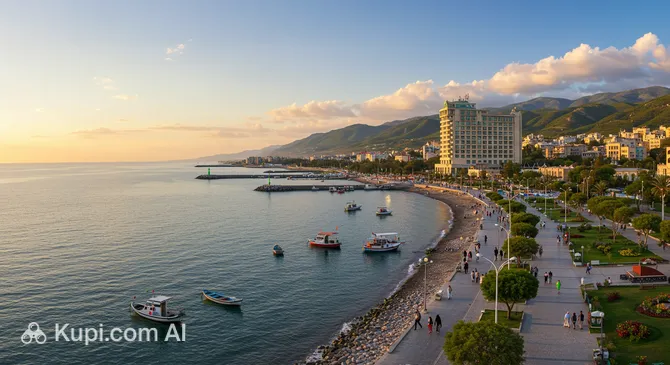
Ramsar. Illustration.
Source: Kupi.com AI

Thanks to its mild climate, lush subtropical vegetation, and incredibly clean air, Ramsar is rightfully considered one of the most attractive destinations for health and relaxation. The city, with a population of about 55,000 people, is one of the key resorts in Mazandaran Province, offering its guests a leisurely pace of life and unique Oriental charm.

Among the main reasons to visit Ramsar are its famous hot mineral springs, known for their healing properties. No less attractive are the picturesque beaches of the Caspian Sea, as well as the breathtaking views from the cable car leading to the popular "Green Roof of Ramsar" entertainment complex. Outdoor enthusiasts will also appreciate the opportunity to walk along shady boulevards and take fascinating hikes through the forested slopes of the surrounding mountains.

Ramsar is an ideal place for romantic trips, family holidays, and for everyone who appreciates the beauty of nature and the hospitality of the locals. This green and cozy city promises unforgettable impressions and many pleasant discoveries to every guest.

You can find more interesting facts on the history of Ramsar page.
Weather Overview

The climate in Ramsar is characterized by warm summers and cool, humid winters. In the summer months, especially in July and August, the average air temperature is around 23.3°C, and the maximum can rise to 25.1°C. Although precipitation during this period is low (about 2 mm per month), there can be 12 to 15 rainy days. In winter, from December to February, the average temperature fluctuates around 6.4°C - 8.9°C, with minimum values around 4.2°C. In autumn and winter, the amount of precipitation increases, reaching 7 mm in October and November, while the number of rainy days can reach 18. Expect warm summers with occasional rain and cool, fairly humid winters.

For more detailed information about the weather in different seasons, visit the Ramsar Climate page.

Average monthly temperature

Average monthly precipitation

Interesting Facts

In addition to its well-known resort charms, Ramsar hides many amazing stories and facts that make it even more attractive to travelers. This city in northern Iran is not just a picturesque place by the Caspian Sea, but also a crossroads of history, ecology, and unique local traditions.

Ramsar Palace. Illustration.
Source: Kupi.com AI

Traveler photos:

  • Global Fame through Ecology: Ramsar entered world history as the place where the "Ramsar Convention" was signed in 1971. This important international agreement is dedicated to the protection of wetlands and emphasizes the city's significance not only as a resort but also as an important ecological center.

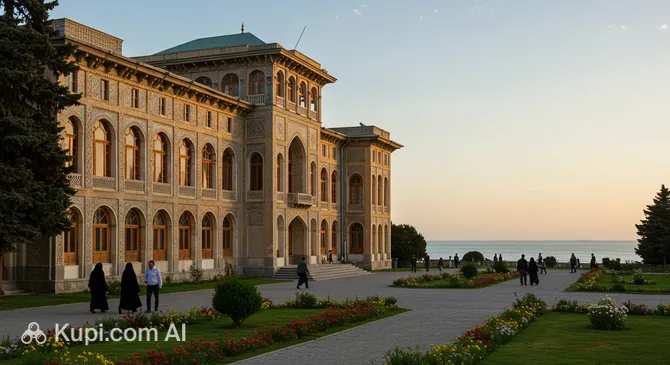
  • Royal Heritage: The city is home to the magnificent Ramsar Palace, also known as the Marble Palace (Marmar Palace). Built in the early 20th century for the Pahlavi royal family, it served as a summer residence. Today, it is a museum surrounded by beautiful gardens with rare plants where Iranian Shahs once relaxed.

  • Breathtaking Heights: The Ramsar Cable Car is considered one of the longest in Iran. It lifts passengers over dense forests, offering panoramic views of the Caspian Sea and the majestic Alborz Mountains. The cable car ride itself is already an unforgettable adventure.

  • Village from Legends: Not far from Ramsar is the picturesque village of Javaher Deh, which translates as "Precious Village." It is famous for its authentic atmosphere, traditional architecture, and stunning mountain landscapes. Local legends say that heroes of ancient Persian epics once found refuge in these parts.

How to Get There

When planning a trip to the picturesque Caspian coast, it is important to think about the route in advance. Ramsar, being a popular resort, has good transport accessibility, although direct international flights here are rare. You can find all available options and details on the getting to Ramsar page, and below we will look at the main ways to arrive through the nearest transport hubs.

Many travelers choose to fly to major cities followed by a transfer. One of the most convenient options is Rasht Airport (IATA: RAS). This airport is not in the city of Ramsar itself; it is located in the city of Rasht, about 102 km to the west. This is a regional airport with moderate passenger traffic, receiving flights from various parts of the country. The road from here to Ramsar by taxi or bus will take approximately 2.5–3 hours.

For international travelers, the main gateway to the country is Imam Khomeini International Airport (IATA: IKA). It is located in Tehran, at a distance of about 174 km from Ramsar (in a straight line; the path by road is longer). This is the largest airport in the country. A transfer from here to the coast can take from 4 to 5 hours, often traveling through beautiful but winding mountain roads.

Also playing an important role is Mehrabad Airport (IATA: THR), located within the city of Tehran (about 150 km from Ramsar). This is an incredibly busy hub serving millions of passengers on domestic lines. If you are flying to Ramsar with a transfer within Iran, there is a high probability you will end up here.

For clarity, here is a summary of the main airports through which you can reach the resort:

AirportPassenger trafficDistance
Nowshahr Airport335 37780 km
Rasht Airport446 000102 km
Mehrabad International Airport13.8 mln150 km
Imam Khomeini International Airport8.6 mln174 km
Dashte Naz Airport325 763230 km

As for rail transport, there is no railway station in the city of Ramsar itself. The railway in this region passes further south or east (through Sari). Tourists who prefer trains usually go to Tehran or Sari and then cover the remaining part of the journey by road transport.

The most common way to get to Ramsar from other Iranian cities remains intercity buses and cars. The bus network in the country is excellently developed: modern VIP buses offer a high level of comfort for a reasonable price. A car trip from Tehran through the Alborz Mountains (via the famous Chalus road or through Qazvin and Rasht) is considered an adventure in itself thanks to the breathtaking landscapes.

Main Attractions

Ramsar, nestled on the coast of the Caspian Sea, offers its guests several remarkable places worth including in a travel itinerary. One of the city's main jewels is undoubtedly Ramsar Palace, also known as the Marble Palace (Kakh-e Marmar). This magnificent structure from the Pahlavi era impresses with its exquisite architecture, rich interior decoration, and beautiful surrounding garden. Today, the palace functions as a museum where visitors can immerse themselves in history and learn about the lifestyle of Iranian rulers from the last century.

Ramsar Palace. Illustration.
Source: Kupi.com AI

Traveler photos:

Lovers of breathtaking views should definitely take a ride on the Ramsar Cable Car. It will take you to the top of the mountain, offering stunning panoramic views of the Caspian Sea, lush green forests, and the city itself. This is the perfect place for unforgettable photos and moments of peace against the backdrop of magnificent nature.

Ramsar Hot Springs are another hallmark of the city. These natural thermal waters are famous for their healing properties. Many hotels and specialized centers offer wellness baths and treatments that will help you relax, relieve fatigue, and improve your health during your holiday.

In the vicinity of Ramsar, high in the mountains, hides the charming village of Javaher Deh. This place attracts with its authentic atmosphere, traditional architecture, and, of course, magnificent mountain landscapes. Visiting Javaher Deh is an opportunity to experience the unique culture of the region and enjoy the crystal-clear air and silence away from the city bustle.

Local Cuisine

The cuisine of Ramsar is a true gastronomic journey, reflecting the richness of the Caspian coast and the fertile lands of northern Iran. Here, dishes prepared from the freshest local products await you: seafood, aromatic forest herbs, and mountain spices. The city's gastronomic scene is distinguished by a unique combination of flavors, where the sweetness of pomegranate harmoniously intertwines with the sourness of wild berries and the spiciness of herbs, creating an unforgettable experience for every gourmet.

You should definitely try the local fish, especially grilled over charcoal and served with characteristic sweet and sour sauces based on pomegranate and fresh herbs – this is the region's hallmark. Another iconic dish is "fesenjan" – an appetizing chicken or duck stewed with walnuts and pomegranate paste, creating a unique, rich flavor. Don't miss the chance to enjoy "sabzi polo" – fragrant rice with herbs, as well as various types of kebabs, which are prepared here with special skill.

Everyday meals are accompanied by fresh flatbreads, often baked right on the streets, filling the air with a tantalizing aroma. Street food in Ramsar is a separate pleasure: from hot corn on the cob to traditional sweets made from rice flour and honey. The city is also famous for its fruit markets, especially in spring and summer, when the stalls are bursting with figs, cornelian cherries, persimmons, and pomegranates. Locals skillfully turn them into fragrant jams and syrups, which make excellent edible souvenirs.

Traditional drinks in Ramsar are, first and foremost, aromatic herbal teas, which perfectly complement any meal and are considered an integral part of hospitality. Refreshing drinks and syrups based on local fruits, such as pomegranate juice, are also popular. As for alcoholic beverages, their availability for tourists is restricted in accordance with local traditions and regulations, so the focus of the gastronomic culture is on a variety of non-alcoholic options.

Locals and tourists enjoy food in a variety of places: from cozy restaurants offering classic Iranian dishes to lively city markets, where you can taste fresh products and authentic street delicacies. The market atmosphere allows you to immerse yourself in the city's daily life and discover new flavors. During holidays, culinary festivals are sometimes held in Ramsar, providing a unique opportunity to get acquainted with the gastronomic diversity of all northern Iran.

Travel Tips

Welcome to Ramsar! To make your journey to this picturesque corner of Iran on the shores of the Caspian Sea as comfortable and pleasant as possible, we have prepared some practical tips for you.

  1. Clothing and Essentials: The climate in Ramsar is humid and subtropical. In summer, bring light, breathable clothing, and for spring, autumn, and winter, bring layered sets and a waterproof jacket or umbrella. Be sure to bring comfortable shoes for walking around the city and its surroundings. Keep in mind the dress code in Iran: women are advised to wear a headscarf (rusari) and modest clothing (covering arms to wrists and legs to ankles), not form-fitting. Men should wear trousers and shirts/T-shirts (shorts are not common in public places). When visiting mosques, clothing requirements may be stricter. Don't forget sunglasses, sunscreen, and a power adapter (type C and F, 220V).

  2. City Transport: The main way to get around Ramsar is by taxi. You can hail a car on the street or try using local taxi apps like Snapp! or Tapsi (check their availability and functionality upon arrival). Always agree on the fare in advance. There is no public transport like a metro or trams in the city. Car rental is possible but may be difficult for foreigners due to local traffic specifics; for most tourist needs, a taxi will be more convenient and simpler.

  3. Finance and Currency: The official currency is the Iranian Rial (IRR). However, in daily life, prices are often quoted and transactions are made in Tomans (1 Toman = 10 Rials). It is best to exchange money at official exchange offices (sarrafi) or banks. It is critically important to know that international bank cards (Visa, Mastercard, etc.) are not currently accepted for transactions in Iran. Therefore, you must carry enough cash for your entire trip. ATMs only serve local cards. Tipping is not mandatory but appreciated in restaurants (usually 5-10%) and for good service.

  4. Health and Safety: Pharmacies (داروخانه - "darukhane") are available in the city, and some may be open 24 hours or have on-call hours. It is recommended to have a basic first-aid kit with you. Medical assistance is available to tourists, but it is highly recommended to have medical insurance covering treatment in Iran. Ramsar is considered a relatively safe city. Follow standard precautions: watch your belongings, do not display valuables, and avoid walking alone in poorly lit areas late at night.

  5. Communication and Connectivity: The official language is Farsi (Persian). English may be common among young people and in the tourism sector, but not everywhere. Learn a few basic phrases: "Salam" (Hello), "Merci" or "Tashakkor" (Thank you), "Bale" (Yes), "Na" (No). A SIM card from local operators (e.g., Irancell, Hamrahe Avval) can be purchased at the airport or at mobile shops in the city (a passport is required). Wi-Fi is available in most hotels and some cafes, but the speed may be unstable. Using a VPN may be useful for accessing certain internet resources.

  6. Local Etiquette and Customs: Iranians are very hospitable. Greetings usually involve a handshake (between men; between a man and a woman – only if the woman initiates). An important part of the culture is "ta'arof" – a complex system of etiquette where an offer (e.g., a treat or refusing payment) might be formal, and it is customary to politely decline several times. Act with restraint in public places. Always ask for permission before taking photos of locals, especially women. Do not photograph military or government facilities.

  7. What to Avoid: It is strictly forbidden to import, buy, or consume alcohol. Avoid public criticism of the government or religion. Follow the country's dress code to avoid offending local sentiments or attracting unwanted attention.

  8. Special Tip for Ramsar: The city is famous for its hot mineral springs. Do not miss the opportunity to visit one of the local spa complexes for health and relaxation. Also, Ramsar is a unique combination of the Caspian Sea and the forest-covered Alborz Mountains. Be sure to set aside time for walking along the promenade, visiting palaces, and enjoying the stunning natural views.

We hope these tips help you better prepare for your trip and enjoy every moment in Ramsar, discovering its unique beauty, culture, and the hospitality of its residents. Have a great journey!

Entertainment & Nightlife

Evening in Ramsar offers guests a calm and pleasant atmosphere for relaxation, distinct from the noisy club life of many other resorts. Here, night entertainment focuses on leisurely strolls, cozy gatherings in restaurants and cafes, and enjoying beautiful views of the Caspian Sea under the stars. It is an ideal place for those seeking relaxation and cultural enrichment in the evening.

The main centers of evening activity in Ramsar are the coastal areas and the city's main streets. Numerous restaurants, cozy cafes, and traditional teahouses (chaykhanas) are concentrated here. To find a suitable place, walk along the promenade or the lively central streets – look for establishments where locals gather or live music is played. Many places stay open until late evening, especially during the tourist season. Here you can enjoy delicious local cuisine, fragrant tea, and pleasant conversation. Prices for dinner in a mid-range restaurant are quite moderate, and a cup of aromatic tea in a traditional teahouse is very inexpensive, making evening relaxation accessible. The atmosphere is usually very welcoming and family-oriented, conducive to socializing.

While you won't find loud nightclubs or bars in the traditional European sense in Ramsar, the city offers its own unique forms of evening leisure. Instead of club life, people here value quiet conversation and cultural pastimes. Some restaurants may offer live traditional music, adding a special flavor to dinner. Evening walks along the Caspian Sea promenade or through well-kept city parks, which are often lively until late, are also popular ways for both locals and tourists to spend the evening. To find a place to your liking, look for spots popular with the locals or restaurants offering entertainment programs – these can be found along the main walking routes and central streets.

For evening outings, a special dress code is usually not required; however, it is recommended to stick to a modest style of clothing, respecting local traditions. You can get around the city in the evening by taxi, which are quite common. Ramsar is generally considered a safe city, but as with anywhere, you should take standard precautions, especially in less-lit areas late at night.

During the day, Ramsar also offers many interesting activities. The city is famous for its picturesque landscapes, thermal springs, and historical sights. A visit to the famous Ramsar Palace, the former summer residence of the Iranian Shahs and an important cultural site, is a must. You can also walk through well-maintained parks or explore the city's surroundings, rich in natural beauty. Museums and local markets can also be part of your daytime program.

Ramsar Palace. Illustration.
Source: Kupi.com AI

Traveler photos:

Thus, Ramsar offers a harmonious combination of daytime activities and quiet evening relaxation, allowing guests to enjoy the beauty and hospitality of this Iranian resort on the shores of the Caspian Sea.

Parks & Museums

Ramsar, a pearl on the Caspian Sea coast in Iran, enchants travelers with its harmonious combination of lush green landscapes and rich cultural heritage. The city offers both a peaceful holiday in nature and an immersion into history through its attractions.

One of Ramsar's main natural attractions is its picturesque Caspian Sea coastline. Walks along the shore, the fresh sea breeze, and beautiful views attract many vacationers here. In addition, the city is surrounded by dense forests and the foothills of the Alborz, creating excellent opportunities for hiking and enjoying nature. Although Ramsar does not have extensive formal parks in the traditional sense, its entire territory feels like one large green oasis. We must also mention the famous Ramsar hot springs, known for their healing properties and located amidst picturesque nature.

Ramsar Palace. Illustration.
Source: Kupi.com AI

Traveler photos:

A key cultural and historical site in the city is Ramsar Palace, also known as the Marble Palace. This former summer residence of the Pahlavi Shahs impresses with its architecture and luxurious decoration. Today, the palace functions as a museum where visitors can see original interiors, furniture, works of art, and personal belongings of the royal family, providing a unique insight into the lifestyle of the Iranian elite in the 20th century. This is undoubtedly the city's main museum attraction that should not be missed.

Besides the Palace, other historical buildings can be found in Ramsar, such as the old Ramsar Grand Hotel, which is an architectural monument of the era in its own right. Although there are few specialized art galleries here, the spirit of history and culture is felt at every step. For a more authentic experience, it is worth walking through the old streets of the city, where you can see traditional architecture, or visiting local markets where handmade crafts and local delicacies are sold. Visiting the tea plantations in the vicinity of Ramsar can also be an interesting experience, where you can learn about the process of growing and producing Iranian tea.

Getting Around

Public transport in Ramsar is represented mainly by buses and taxis, which is typical for cities of this size. Bus routes connect key areas of the city and its surroundings, offering an economical way to get around. However, it should be noted that schedules may not always be strict, and route information is available primarily in Farsi.

The payment system for buses is usually cash directly to the driver upon entry. There may not be specialized travel cards or apps for tourists, so it is recommended to have small bills with you. The fare is usually low.

Taxis are a more convenient and faster way to get around Ramsar. Both official taxi services and private drivers are present in the city. It is recommended to agree on the fare in advance, especially if you use the services of a private driver. For more predictable pricing and the convenience of ordering, you can use the mobile taxi-hailing apps popular in the region, such as Snapp! or Tapsi. Also common in Ramsar are shared taxis, known as "savari". They run on certain routes and pick up several passengers, making the trip more economical compared to an individual taxi.

One of the unique transport features of Ramsar is the famous Ramsar Cable Car (Telecabin Ramsar). It not only serves as a means of transport taking passengers to the top of the mountain but is also a popular attraction. It offers breathtaking views of the Caspian Sea and the surrounding forests, making the trip a great way to combine travel with getting vivid impressions.

Bike rental or car sharing is not as widespread in Ramsar as in major metropolises. For most tourist needs, a combination of buses, taxis, and walking will be sufficient, especially given the compactness of the city's main attractions.

Accommodation

In Ramsar, travelers can find a variety of accommodation options to suit different preferences and budgets. The choice includes cozy guest houses, private villas, apartments for rent, as well as hotels of various comfort levels, from standard to more prestigious. The city offers both budget options for thrifty tourists and more expensive offers for those who value increased comfort.

Areas located along the picturesque coast of the Caspian Sea are particularly popular among tourists, as well as those that provide easy access to the city's main attractions, such as Ramsar Palace. The choice of a specific area depends on your plans: whether you prefer a quiet holiday by the water or want to be in the center of things and closer to cultural sites.

When planning a trip to Ramsar, especially during the peak tourist season which falls in the summer months and the Nowruz holiday period, it is strongly recommended to book accommodation in advance. Early booking not only guarantees availability but often allows you to get more favorable price offers.

The price range for accommodation in Ramsar is quite wide: you can find both quite affordable options and rooms in higher-class hotels or apartments. You can book accommodation through local travel agencies, using Iranian online booking services, and often by directly contacting the owners of guest houses or hotels. Some international booking platforms may also offer options, although the selection on them may be limited.

Nearby Cities

For those who want to explore the surrounding area, Ramsar serves as an excellent starting point for day trips to several interesting nearby locations:

CityPopulationDistance
Tonekabon55 43424 km
Rudsar37 99840 km
Amlash15 04744 km
Langarud79 44553 km
Pain Chaf8 84054 km

For example, a trip to Qazvin, the ancient capital of Persia, will allow you to touch the rich history of the region and see such gems as the Chehel Sotoun Palace and the Jameh Mosque. Meanwhile, Langarud, located closer to the Caspian coast, will charm you with its tea plantations and the picturesque Mordab-e Langarud lagoon, offering a more natural and relaxing getaway.

These nearby destinations provide insight into the diverse culture and landscapes of the region. Each trip promises new experiences and an introduction to the rich heritage of Iran.

Shopping & Souvenirs

Ramsar, a charming resort town on the Caspian Sea coast in Iran, offers its guests pleasant shopping opportunities, which have their own special local flavor here. Although Ramsar is not a major center for fashion or electronics, you can find interesting local goods, souvenirs, and fresh products here. The city can delight you with handicrafts and products from the Mazandaran region.

The main trading activity in Ramsar is concentrated along the city's central streets. Here you will find many small shops, stalls, and boutiques offering clothing, shoes, household goods, and, of course, souvenirs. A walk along these streets is a pleasure in itself, allowing you to immerse yourself in the local atmosphere.

In Ramsar, you are unlikely to find the huge modern shopping malls common in megacities. However, there may be small shopping centers or passages in the city where various shops are gathered under one roof. They offer a more concentrated selection of goods, but the main focus is still on street trading and local markets.

Be sure to visit the local bazaar in Ramsar – it is the heart of the city's commerce and the best place to feel the true Iranian flavor. Here you can buy the freshest fruits, vegetables, aromatic spices, local tea, rice, nuts, as well as products of local artisans. The market is not only a place for shopping but also for socializing and observing the daily life of the citizens.

From Ramsar and the Mazandaran region, it is worth bringing back traditional Iranian souvenirs. Pay attention to the beautiful ceramic products, textiles with national patterns, small handmade carpets, or kilims. Local sweets, dried fruits, nuts (especially hazelnuts), aromatic Iranian tea, and spices such as saffron are also popular. Don't forget the wood products and wicker baskets characteristic of this region.

Shops in Ramsar are usually open from the morning (around 9:00-10:00) until the evening (until 20:00-21:00), often with a lunch break in the middle of the day, especially during the hot season. Evening shopping is quite popular. Friday in Iran is a day off, so some shops may be closed or work on a reduced schedule.

It is important to remember that international bank cards (Visa, Mastercard, etc.) are generally not accepted in Iran. Therefore, for purchases, it is necessary to have a sufficient amount of cash – Iranian rials. It is better to exchange currency at official exchange offices or banks.

The Tax Free system for tourists is not as widely distributed in Iran as in some other countries. Therefore, you should not count on this possibility when making purchases in Ramsar.

Reached the end of the page?

That means the route is fully explored