Support

Kelardasht

About

Kelardasht is a true oasis of freshness and tranquility, nestled among the majestic mountains of northern Iran in Mazandaran Province. The city stretches across a picturesque valley surrounded by dense forests and the snow-capped peaks of the Alborz range, offering breathtaking panoramic views. The air here is infused with the scent of pine and mountain herbs, and its relative proximity to the Caspian Sea makes it an attractive destination for both mountain enthusiasts and those looking to combine their retreat with a trip to the coast.
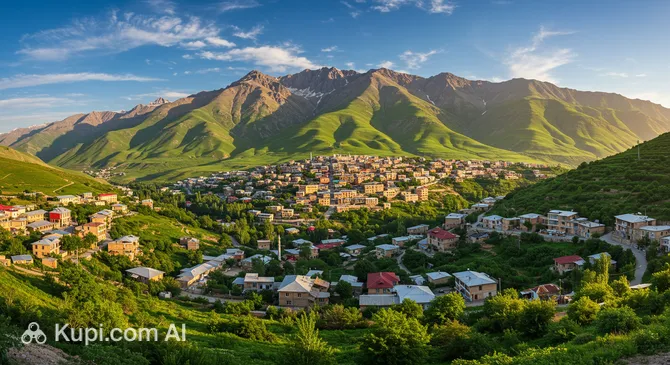
Kelardasht. Illustration.
Source: Kupi.com AI

With a population of around 13,400 people, Kelardasht maintains the atmosphere of a cozy, almost intimate town where every corner breathes peace. It is not a major administrative center, and that is precisely its charm: here, you can truly escape the urban bustle, immerse yourself in nature's embrace, and enjoy a slow pace of life. The atmosphere of Kelardasht seems designed for inspiration and hitting the reset button.

The city attracts travelers seeking harmony with nature, climbers dreaming of conquering the famous Alam-Kuh mountain, and anyone who appreciates untouched beauty. Here, you can enjoy fascinating forest walks, have a secluded picnic by a lake, and experience the hospitality of the local people. Kelardasht offers a unique blend of active recreation and quiet contemplation.

If you are looking for a peaceful getaway where you can enjoy magnificent landscapes and crisp mountain air, Kelardasht will be a real discovery for you. This picturesque corner will provide unforgettable impressions and a boost of energy.

You can find more interesting facts on the Kelardasht city history page.

Weather Overview

The weather in Kelardasht offers travelers warm summers, with average temperatures in July staying around 19.6°C (maximum values can reach 22.6°C), and cool winters—in January, the thermometer shows an average of -0.1°C (dropping to -3.8°C). A characteristic feature of the local climate is frequent but usually not too intense precipitation throughout the year. For a more detailed look at the weather conditions, we recommend visiting the Kelardasht Climate page.

Average monthly temperature

Average monthly precipitation

Interesting Facts

Beyond its picturesque landscapes and hospitality, Kelardasht hides many amazing stories and facts that make it even more attractive to curious travelers. Here are just a few of them:

  • This land holds traces of ancient civilizations—archaeological finds in the vicinity of Kelardasht testify to the settlement of these places since time immemorial, and ancient monuments still whisper stories of bygone eras.

  • Not far from the city rises the mighty Alam-Kuh, the second highest peak in Iran (4850 m), which challenges climbers not only with its height but also with the largest vertical wall in the country, making the ascent a true test.

  • In the outskirts of Kelardasht lies the picturesque Lake Valasht, enveloped not only by mountain forests but also by many local legends about its mysterious origin, making it a popular spot for relaxation and nature contemplation.

  • Kelardasht is not just a beautiful place, but also a cradle for many famous Iranian mountaineers and nature explorers. The city is also known for its festivals dedicated to the unique culture and traditions of mountain peoples.

How to Get There

You can reach this picturesque corner of Iran in various ways, but most tourists choose a combined route: a flight to one of the major cities followed by a car journey. Since there is no air hub in the mountainous terrain itself, travelers use airports in neighboring regions. You can find out more about how to get to Kelardasht by exploring all available route options.

There is no airport in Kelardasht itself, but you can fly into Imam Khomeini International Airport (IATA: IKA) in Tehran, which is about 120 km from Kelardasht. This is the country's main gateway for international flights. The journey from here by taxi or rental car takes about 3.5 hours, passing through scenic but winding mountain roads. The airport handles a huge passenger flow and has a developed infrastructure.

For domestic flights or flights from some neighboring countries, it is more convenient to use Mehrabad Airport (IATA: THR), also located in Tehran. It is slightly closer—about 91 km from the resort. A car trip from here will take about 2.5–3 hours. You can also consider arriving via Rasht Airport (IATA: RAS) in the city of Rasht (about 165 km) if you are planning a trip from the Caspian Sea side. The travel time to Kelardasht by car will be over 4 hours.

For clarity, here is a summary of the main airports:

AirportPassenger trafficDistance
Nowshahr Airport335 37735 km
Mehrabad International Airport13.8 mln91 km
Imam Khomeini International Airport8.6 mln121 km
Rasht Airport446 000165 km
Dashte Naz Airport325 763184 km

There is no direct rail connection to Kelardasht, as the complex mountain relief of Mazandaran Province limits the laying of tracks directly to the resort. The nearest major railway hubs are in Tehran or Sari. Therefore, tourists will in any case have to complete the final part of the journey by road. The most popular route follows the famous Chalus Road, which is a landmark in its own right thanks to its spectacular views of mountains and forests.

Main Attractions

Kelardasht, located in the scenic Mazandaran Province, is famous for its incredible nature and serves as a magnet for lovers of mountains, clean air, and relaxing retreats. This Iranian city offers many interesting spots where you can enjoy the beauty of the surrounding landscapes and get acquainted with the unique culture of the region.

One of the main gems of Kelardasht is undoubtedly Lake Valasht (Daryacheh-ye Valasht). This freshwater lake, nestled among green hills, is striking for its crystal-clear water and calm atmosphere. Tourists come here to go boating, have a picnic on the shore, or simply enjoy the silence and magnificent views. Lake Valasht is the perfect place for those seeking solitude with nature and a break from the city noise.

For connoisseurs of mountain peaks and active recreation, Mount Alam-Kuh is a landmark destination. It is one of the highest peaks in Iran, part of the Alborz mountain range. Alam-Kuh attracts climbers and trekkers from all over the world with its challenging routes and breathtaking panoramas. Even if you don't plan an ascent, the mountain's surroundings offer many hiking trails where you can admire alpine meadows and the rugged beauty of the mountains.

Equally remarkable is the picturesque village of Mazichal, located at an altitude that often provides a view of the "ocean of clouds." This place seems to float above the world, offering visitors incredible scenery, especially at sunrise and sunset. Mazichal attracts visitors with its authenticity, fresh mountain air, and the opportunity to see the traditional lifestyle of the locals. It is a wonderful destination for those wanting to take unforgettable photos and feel a sense of unity with nature.

In addition to these iconic spots, the Kelardasht region itself offers many opportunities for ecotourism: from walking through dense forests to exploring rushing rivers like the Sardabrud. A trip to Kelardasht promises to be full of impressions and will provide unforgettable moments for nature lovers and fans of peaceful relaxation.

Local Cuisine

The local cuisine of Kelardasht is a true gastronomic journey based on the use of the freshest local products, fragrant herbs, and authentic recipes carefully passed down through generations. It reflects the natural abundance of the region, offering guests simple yet incredibly delicious dishes that can surprise even a seasoned gourmet.

Be sure to try the famous "Kelardasht Kebab"—tender meat marinated in yogurt with herbs and grilled over an open fire. Another signature specialty is local river fish, caught in mountain streams and often cooked over coals, seasoned with aromatic herbs. Don't miss the chance to enjoy various pilafs (polo), prepared here with fresh herbs, beans, and oriental spices, as well as thick, warming soups with legumes, fresh vegetables, and herbs—an ideal choice for a cool evening.

Among drinks in Kelardasht, aromatic herbal teas are especially popular; they perfectly quench thirst and complement any meal. Locals gather herbs in the mountains to create unique tea blends. As for alcoholic beverages, in accordance with local traditions and Iranian law, their consumption and sale are restricted, so the focus is on non-alcoholic options.

Food culture in Kelardasht is closely tied to traditions of hospitality. Locals often cook at home using products from local markets, where you can always find fresh nuts, mountain honey, seasonal berries, and homemade cheeses. Tourists can experience authentic cuisine in numerous small restaurants and cafes offering traditional dishes. Street food is also popular: hot flatbreads with various fillings and herb pastries make for an excellent snack while walking around town. If you're lucky, you might catch one of the gastronomic festivals that showcase the full culinary diversity of the region.

Kelardasht's gastronomic scene attracts with its sincerity and commitment to high-quality, natural products. By trying specialties such as fragrant kebab, fresh charcoal-grilled fish, or hearty pilaf, you will not only enjoy the taste but also touch the culture and traditions of this amazing corner of Iran.

Travel Tips

Welcome to Kelardasht! This charming corner of Iran, located in Mazandaran Province, is famous for its magnificent nature. To ensure your trip goes smoothly and leaves only pleasant impressions, we have prepared some practical tips.

  1. Clothing and seasonal items: Kelardasht is in a mountainous region, so the weather can be changeable. In summer, it is warm during the day, but evenings can be cool. Bring layered clothing: light items for the day, a fleece or sweater for the evening, and a windbreaker or light jacket. Mandatory are comfortable closed shoes suitable for walking on uneven terrain. Don't forget sunscreen, a hat, and sunglasses. Given the cultural specifics of Iran, women are recommended to wear a headscarf (hijab) and loose clothing that covers the arms to the wrists and legs to the ankles. Men should avoid shorts and tank tops in public places; long trousers and shirts are preferred. Don't forget a universal power adapter for your electronics.
  2. Transport in the city and surroundings: Within Kelardasht and for trips to nearby natural attractions, it is most convenient to use taxis. It's better to agree on the fare in advance. Public transport may be limited to local shared taxis (savari). If you plan to move around a lot and explore remote corners, consider renting a car with a driver, as independent driving can be challenging.
  3. Financial matters: The official currency is the Iranian Rial (IRR). It is important to know that international bank cards (Visa, Mastercard, UnionPay, etc.) are practically not accepted anywhere in Iran due to the local banking system's isolation. Therefore, you must bring enough cash in US Dollars or Euros and exchange them for Rials at official exchange offices (sarrafi) or banks in major cities along the way or, if possible, in Kelardasht itself. ATMs only serve local cards. Tipping is not mandatory but is always welcome for good service in restaurants or for guides (usually 10-15%).
  4. Health and safety: Kelardasht has pharmacies where you can buy basic medications. However, it is recommended to carry a small first-aid kit with familiar medicines. Before your trip, it is extremely important to obtain international medical insurance that covers treatment costs abroad. Kelardasht is considered a safe place for tourists. Nonetheless, observe standard precautions: keep an eye on your belongings, especially in crowded places, and do not leave valuables unattended.
  5. Language and communication: The official language is Farsi (Persian). English is not very widely spoken, mostly by young people and those in the tourism sector. It will be very helpful to learn a few basic phrases in Farsi, such as "Salam" (Hello), "Merci" or "Tashakkor" (Thank you), "Bale" (Yes), and "Na" (No). A local SIM card (e.g., Irancell or Hamrahe Aval) can be purchased upon arrival by presenting your passport. Wi-Fi is available in most hotels and some cafes, but speed and access may be limited. Consider using a VPN for more stable access to your needed online resources.
  6. Local etiquette and traditions: Iranians are very hospitable and friendly. When communicating, it is important to show respect for local customs. When greeting men, a handshake is appropriate. When interacting with women, it is best to wait for their initiative or simply nod and smile. Note the concept of "Taarof"—a complex form of etiquette where someone might offer you something, but it is customary to refuse a few times before accepting. Always ask for permission before photographing people, especially women.
  7. Things to avoid: The consumption and import of alcohol is strictly prohibited. Avoid public displays of affection between men and women. Do not photograph government buildings, military sites, or police officers. Always dress modestly, especially when visiting villages and religious sites. Do not engage in political discussions.
  8. Enjoy nature and local flavor: Kelardasht is primarily about unique nature: mountains, forests, and clean air. Be sure to set aside time for walks, hiking, and picnics. Try local products like fresh honey, dairy, and seasonal fruits. Interacting with locals, even with a language barrier, can provide many warm memories.

We hope these tips help you better prepare for your trip to Kelardasht and get the most out of exploring this beautiful region of Iran. We wish you an unforgettable journey!

Entertainment & Nightlife

Evening in Kelardasht offers its guests an atmosphere of calm and tranquility, far from the noise and bustle of metropolitan nightlife. Surrounded by majestic mountains and dense forests, this picturesque city invites you to enjoy nature and a slow pace even after dark. Instead of loud nightclubs, you will find cozy spots for heart-to-heart conversations and pleasant pastimes.

The core of evening entertainment in Kelardasht consists of numerous restaurants and traditional teahouses (kahveh-khaneh). Here, you can immerse yourself in the world of local Mazandarani cuisine and enjoy aromatic Iranian tea with sweets among friends or family. Popular spots frequented by both locals and tourists include restaurants like Borouj or Shandiz Kelardasht, known for their food and atmosphere. Many establishments stay open until late evening, especially during the tourist season. The atmosphere is usually very hospitable and relaxed. Most evening activity is concentrated along the central streets, such as Hassan Keif Street, which is lined with many cafes and restaurants. The average bill in local restaurants and teahouses is usually moderate, offering good value for money, though prices may be slightly higher in tourist-oriented establishments.

Regarding nightclubs and bars in the conventional sense, they are not typical for Kelardasht or Iran as a whole. Evening life here is more focused on family values and quiet pastimes. Instead, residents and visitors enjoy evening strolls along lit streets, breathing in the fresh mountain air, or gathering in hospitable homes. Occasionally, the city may host local cultural events or festivals, which can also be part of the evening program. There is no specific dress code for evening outings, but as elsewhere in Iran, modest clothing is recommended.

From a practical standpoint, dinner in Iran is often quite late, so restaurants are usually full even after 8:00 PM or 9:00 PM. For moving around the city in the evening, taxis are convenient and relatively affordable. Kelardasht is considered a quite safe city, however, as in any other place, it is worth taking basic precautions, especially during night walks in less populated areas.

During the day, Kelardasht offers completely different kinds of entertainment. The city's main treasure is its stunning nature: majestic mountains, including the famous Alam-Kuh, dense forests, and picturesque lakes. Tourists come here for hiking, mountaineering, picnics, and to enjoy the crystal-clear air. You can also visit local markets selling handmade crafts, fresh local products, and souvenirs. While Kelardasht does not have large museums or world-class theaters, its charm lies precisely in the opportunity to escape the city rush and blend with nature.

Parks & Museums

Kelardasht, located in the picturesque Mazandaran Province, attracts travelers not so much with traditional urban parks and large museum complexes, but with its incredible nature and the opportunity to touch the local culture through its authentic manifestations. This region is a real find for those seeking solitude in the heart of nature and interested in a unique way of life.

The main "green lungs" and recreation zones of Kelardasht are its stunning natural surroundings. The city is literally nestled in dense forests and alpine meadows, surrounded by majestic mountain peaks, offering countless routes for hiking and enjoying the purest mountain air. One of the iconic spots is the scenic road to Abbasabad, which offers truly breathtaking panoramas of the surrounding landscapes. The Rudabarak area is equally popular, often serving as a starting point for trekking to the famous Lake Valasht or the foot of Mount Alam-Kuh. These natural corners are ideal for picnics, photo sessions, and simply contemplating the unique beauty of Iran's Caspian region. Not far from the city is Lake Valasht itself, which is a popular spot for lakeside relaxation and boat trips.

As for museums and galleries, you are unlikely to find large state institutions or widely known art spaces in Kelardasht. Cultural heritage here is revealed in a more intimate and authentic format. Special attention should be paid to local craft shops, where you can not only see but also purchase unique handmade products reflecting the centuries-old traditions of the region. Occasionally, temporary exhibitions dedicated to the history, daily life, and art of local residents may be organized in small cultural centers or even private homes. Visiting such places is a wonderful opportunity to learn more about the culture of northern Iran directly from its people.

Although Kelardasht is famous primarily for its nature, an observant traveler can find interesting historical sites in its vicinity. These could be old rural mosques with architecture characteristic of the region or ruins of ancient settlements telling stories of this land's past. Such finds will add depth and new impressions to your journey.

For a truly authentic experience, we suggest turning off the beaten tourist paths and exploring the small, cozy villages in the Kelardasht outskirts. It is there that you can fully feel the slow rhythm of local life, try traditional cuisine in small family cafes, and enjoy the sincere hospitality of the residents. Also, don't pass by the local markets—they are a treasure trove of fresh products, aromatic spices, and unique handicrafts, as well as a great place to feel the vibrant atmosphere of the region.

Getting Around

Public transport in Kelardasht, a picturesque city located in a mountainous region, has its own characteristics due to its size and terrain. There are no subways or trams like in major metropolises, but there are other ways to get around and get to know the city and its surroundings.

The core of Kelardasht's transport system consists of shared taxis (savari). This is a popular and affordable way to travel around the city and to nearby settlements. Savaris usually follow specific routes, and payment is made in cash directly to the driver. There may also be a few local bus or minibus routes connecting different parts of the city, but their schedules and frequency can be irregular. It is best to check for information about them with locals.

For more comfortable and private trips, private taxis are always available. They can be found at taxi stands or called by phone (often through your hotel). The cost of a private taxi is higher than a savari, and it is recommended to agree on the fare in advance before starting the trip. Specialized ride-hailing apps common in large cities may not be available in Kelardasht, so traditional booking methods remain the primary ones.

Given the compactness of central Kelardasht, many interesting places are quite accessible for walking. This is a great way to enjoy the fresh mountain air and local flavor. For trips to more remote areas, such as exploring the natural beauty of Mazandaran Province, you might consider renting a car, possibly with a driver, as independent driving in mountainous terrain requires experience. Bicycle rentals and car-sharing are likely not common in Kelardasht.

Tourists planning to move around Kelardasht and its surroundings actively should carry cash to pay for fares. Don't hesitate to ask for directions and clarify routes with locals—they are generally helpful and ready to assist. Knowing a few basic phrases in Farsi can also be useful when communicating with drivers.

Accommodation

Kelardasht offers a variety of accommodation options to suit the tastes and budgets of most travelers, especially those who appreciate nature and a quiet holiday. Here you will find both traditional hotels and numerous private villas, guesthouses, and apartments for rent.

The main selection of accommodation in Kelardasht is centered around picturesque natural locations and within the city itself. Many tourists prefer staying in villas or cottages with views of the mountains or forest, allowing them to fully enjoy the beauty of the region. Hotels and guesthouses are also available in the city center, providing easy access to shops and local restaurants. Overall, you can find options ranging from budget rooms in guesthouses to more comfortable and spacious villas.

While specific world-famous hotel chains may be absent, Kelardasht has decent local hotels and resort complexes offering comfortable stays. The format of renting private villas (villas) or rooms in local residents' homes is also very popular, allowing for a deeper immersion into the region's atmosphere.

Booking Tip: Kelardasht is particularly popular during the summer months and Iranian holidays, such as Nowruz (the spring equinox). During these periods, it is recommended to book accommodation in advance to ensure the best choice and prices. Finding a suitable option is usually easier during the off-season.

The price range varies from very affordable to mid-range and above average, depending on the type of accommodation, its location, and the amenities provided. You can book accommodation through popular online platforms, local travel agencies, or sometimes by contacting villa or guesthouse owners directly.

Nearby Cities

For those who want to explore the surrounding area, Kelardasht serves as an excellent starting point for day trips to several interesting nearby locations:

CityPopulationDistance
Salmanshahr9 65623 km
Hachirud10 39827 km
Nowshahr49 40335 km
Tonekabon55 43443 km
Ramsar55 00065 km

Each of these destinations offers something unique. For example, a trip to Tehran, the capital of Iran, will allow you to plunge into the bustling life of a metropolis, visit numerous museums and palaces like Golestan, and the famous Grand Bazaar. Karaj, one of Iran's largest cities, may attract you with its picturesque parks and gardens, and also serve as a starting point for exploring the Alborz foothills and visiting sites like the Amir Kabir Dam.

These nearby destinations provide an insight into the diverse culture and landscapes of the region.

Shopping & Souvenirs

Shopping in Kelardasht is, first and foremost, an opportunity to purchase unique local products and handmade items rather than a hunt for global brands. The city is not famous for large shopping centers but offers an authentic shopping experience, especially for those who appreciate eco-friendly goods and traditional crafts.

The main shopping spots in Kelardasht are concentrated along the city's central streets. Here you will find small shops offering a variety of goods: from food to household items and souvenirs. Special attention should be paid to shops selling local delicacies and handmade products. A popular place for walking and shopping is the main street passing through the city, where most stores are located.

There are no large modern shopping centers in Kelardasht. Shopping here is more traditional, centered around small private shops and local markets. The atmosphere here is calmer and more relaxed than in the big cities of Iran.

Local markets hold a special place in Kelardasht's commercial life. Here you can find fresh farm products, including the famous local honey, dairy products, fruits, vegetables, and nuts. Markets also often sell products by local artisans, such as knitwear, wooden crafts, and small rugs. Visiting such a market is not just about shopping but also a chance to immerse yourself in the local culture.

As souvenirs from Kelardasht, it is worth bringing back local honey, known for its quality and variety of flavors thanks to the region's rich flora. Traditional dairy products, such as "kashk" (a dried fermented dairy product) or local cheeses, are also popular. Look out for wool products, like warm socks or hats, as well as small wooden crafts and souvenirs depicting the region's nature. Occasionally, you can also find local herbal tea blends.

Shops in Kelardasht usually operate from the morning (around 9:00-10:00) until the evening (until 20:00-21:00), and many may close for a lunch break, especially during the hot season. The main method of payment is cash (Iranian Rials). Using international bank cards in Iran, including Kelardasht, is generally impossible due to international sanctions, so tourists are advised to carry sufficient cash.

A Tax-Free refund system for tourists in Iran, and specifically in Kelardasht, is generally not common and does not apply to most purchases.

Reached the end of the page?

That means the route is fully explored