Support

Tonekabon

About

Tonekabon is a true emerald on the Caspian Sea coast, nestled comfortably at the foot of the lush green foothills of the Elburz Mountains. This charming city is located in the Mazandaran Province of northern Iran, where the humid sea climate creates a remarkably mild and fresh atmosphere. Here, at the junction of sea and mountains, nature seems to have specially designed the perfect place for relaxation and inspiration.
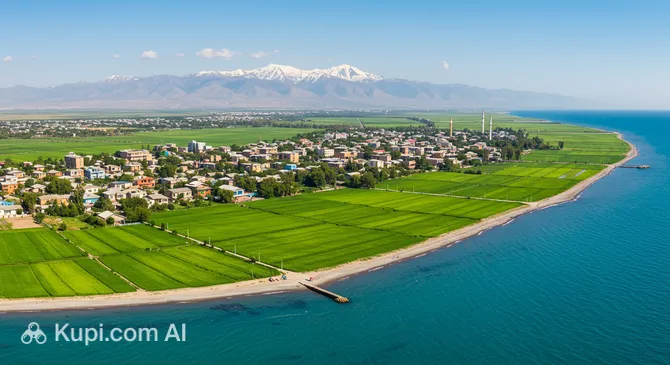
Tonekabon. Illustration.
Source: Kupi.com AI

With a population of about 55,000 people, Tonekabon retains the charm of a small provincial town while still enjoying a vibrant cultural and tourist life. It serves as an important center for all of western Mazandaran and is famous for its hospitality. Walking through its streets, you will feel the harmony between ancient traditions and modern lifestyles, while the views of the mountains and the sea are captivating at first sight.

Tonekabon attracts travelers year-round with its unique features. These include lush forests perfect for hiking, picturesque tea plantations where you can learn about the tea production process, and, of course, the endless beaches of the Caspian Sea. Visitors can enjoy strolls along the embankment, go on excursions into the mountain forests, or discover authentic local cuisine in one of the cozy restaurants.

Tonekabon is a place where everyone will find something to their liking. It is especially ideal for those tired of the hustle and bustle of big cities who seek solitude in nature without sacrificing comfort or interesting discoveries. The city serves as an ideal starting point for journeys along the Caspian coast and through the Elburz Mountains, as well as a wonderful place to experience the unique culture of northern Iran. Come to Tonekabon to experience its unmistakable atmosphere of leisure and hospitality!

You can find more interesting facts on the history of Tonekabon page.

Weather Overview

The weather in Tonekabon is characterized by warm summers with occasional rain and cool, rather humid winters. Summer months such as July and August are the warmest, with average maximum temperatures reaching 25–26°C and average minimums around 22–23°C. Despite the fact that the total rainfall in the summer period is low (averaging 2–3 mm per month), rainy days do occur (from 11 to 16 days per month).

In winter, especially in January and February, the weather becomes significantly cooler: average temperatures range from 6–8°C at night to 10–12°C during the day. Winter months also feature a moderate amount of precipitation (about 5 mm), but the number of days with precipitation remains high, reaching 15–18 days. The highest amount of rainfall occurs in autumn, in October and November (up to 8 mm), with November also being the month with the highest number of rainy days (averaging 19). For a more detailed look at weather conditions by month, we recommend exploring the Climate in Tonekabon page.

Average monthly temperature

Average monthly precipitation

Interesting Facts

In addition to its picturesque landscapes and rich history, Tonekabon holds many curious details that make it even more attractive to travelers. Here are a few interesting facts about this Iranian city:

  • Tonekabon is known as one of the main kiwi-growing centers in Iran. These juicy fruits are not only exported from here, but the city also hosts themed festivals where you can try kiwi in every possible form—from fresh fruit to jams and desserts.

  • Historically, the city was named Shahsavar, and many locals still use this name in their daily lives. It is believed that in Persian, "Shahsavar" means "rider" or "hero," reflecting the region's rich history and its martial spirit.

  • In the vicinity of Tonekabon, ancient bridges and caravanserais have been preserved, marking where trade routes between Persia and the Caucasus once passed. Legends say that merchants with silk, spices, and jewels used to stop in these places.

  • Tonekabon is the birthplace of several famous Iranian musicians and poets whose works were inspired by the beauty of the local nature. The city frequently hosts cultural evenings where traditional music is played and poems are recited in the Mazanderani language.

How to Get There

When planning a trip to this picturesque corner of the Caspian coast, it is worth thinking through your route in advance. The city itself does not have its own airport or railway station, so tourists usually use combined methods of travel via neighboring major centers. You can explore all ways to get to the city in more detail, and below we cover the most popular arrival options.

There is no airport in the city of Tonekabon itself, but you can fly into Rasht Airport (IATA: RAS) in the city of Rasht, which is located about 126 km from Tonekabon. This is the nearest regional aviation hub serving domestic flights. The journey from there by taxi or bus takes approximately 3 hours and 30 minutes, following the scenic coastline.

For international travelers, the main air gateway is Imam Khomeini International Airport (IATA: IKA) in Tehran. It is located about 158 km from Tonekabon (in a straight line), but the journey across the mountain ranges takes longer. The estimated travel time by road is about 4 hours and 15 minutes. Mehrabad Airport (IATA: THR) also operates in the capital, serving many domestic destinations; a transfer from there takes about 3 hours and 40 minutes.

For convenience, here is summary information on the main airports:

AirportPassenger trafficDistance
Nowshahr Airport335 37757 km
Rasht Airport446 000126 km
Mehrabad International Airport13.8 mln131 km
Imam Khomeini International Airport8.6 mln158 km
Dashte Naz Airport325 763208 km

As for rail connections, there is no station directly in Tonekabon. The nearest major railway hubs are in Tehran and Qazvin. Travelers often take a train to the capital or Qazvin and then cover the rest of the distance by comfortable buses or taxis ("savari"), enjoying views of the Elburz Mountains and Caspian forests.

Road links to Tonekabon are very well developed. The city is connected to other regions of the country by scenic roads, including the famous Chalus Road. Regular bus services connect Tonekabon with Tehran, Rasht, and Sari, making the trip accessible and convenient for any tourist.

Main Attractions

Tonekabon, nestled on the shores of the Caspian Sea in Mazandaran Province, offers travelers a combination of natural beauty and interesting sites. This city, also known as Shahsavar, attracts visitors with its green landscapes and opportunities for a peaceful holiday. Here are a few key attractions worth visiting in Tonekabon and its surroundings.

One of the main natural gems of the region is the Dohezar and Sehezar forests. These picturesque valleys, covered with dense forests, stretch south of the city and beckon nature lovers. Here, you can enjoy hiking along mountain trails, have an outdoor picnic, admire waterfalls, and simply take a break from the city bustle while breathing in the clean forest air. These places are ideal for ecotourism and nature photography.

In Tonekabon itself, the Cheshmeh Kileh Bridge is well worth your attention. This historical bridge, spanning the river of the same name, is not only an important transport artery but also an architectural landmark. Built during the Pahlavi era, it has become one of the symbols of the city. A walk across the bridge or along the river embankment offers beautiful views and allows you to feel the atmosphere of this coastal town.

Of course, as a seaside city, Tonekabon offers its guests Caspian beaches. Although they may vary in terms of amenities, you can always find a spot to relax by the water, enjoy the sea breeze, and witness picturesque sunsets. The Caspian coast is a great place for family vacations and water activities during the warmer months.

Not far from the city is the Chaldareh Forest Park. This is another wonderful place for reconnecting with nature. The thick forest, the cool air even on hot days, and the equipped picnic areas make it popular with both locals and tourists. You can spend several hours here enjoying the silence, the singing birds, and the beauty of the Mazandarani forests.

Local Cuisine

The gastronomic scene of Tonekabon is a true discovery for foodies wishing to get acquainted with the authentic flavors of northern Iran. The cuisine of this region is famous for its use of the freshest seafood from the Caspian Sea, an abundance of fragrant herbs, and, of course, rice, which is the basis of many dishes. Here, an amazing combination of traditions and fresh local products awaits you, capable of providing an unforgettable taste experience.

Be sure to try the famous dish "Mirza Ghassemi"—a delicious appetizer made of roasted eggplants, garlic, eggs, and tomatoes, usually served with soft fresh bread and herbs. Another culinary gem of Tonekabon is its fish dishes. Special attention should be given to "Kutab": tender fish stuffed with walnuts and pomegranate, then baked with aromatic herbs. This dish perfectly demonstrates the rich flavors of local cuisine.

For those with a sweet tooth, Tonekabon also has much to offer. They prepare delicious walnut baklava, delicate rice flour halva, and unique fruit leather (lavashak), especially made from kiwi and cherry plum. The traditional drink accompanying any meal or gathering is fragrant tea, which is served everywhere.

The food culture in Tonekabon is closely linked to local traditions and fresh produce. In the colorful farmers' markets, you can always find fresh caviar and homemade pickles. Street food is also popular—look out for stalls where traditional flatbreads are baked in a tandoor and fragrant tea is offered. A special event is the annual Kiwi Festival, where locals and tourists can try dozens of unusual dishes and drinks based on this fruit. If you are looking for a place to eat well and experience real Iranian culture, Tonekabon is an excellent choice for your gastronomic journey.

Travel Tips

Are you planning a trip to Tonekabon, a cozy city in Iran, picturesquely situated on the Caspian Sea coast and at the foot of the Elburz Mountains? To ensure your trip goes smoothly and leaves only the most pleasant impressions, we have prepared some practical tips to help you better navigate on the ground.

  1. Clothing and Essentials:

    Tonekabon is located in Mazandaran province with its humid subtropical climate. In summer, it is hot and humid, so choose light, breathable clothing made of natural fabrics. Winters are mild and rainy, so warm and waterproof clothing will come in handy. In spring and autumn, the weather is changeable, so layering is best. A key point for traveling in Iran is observing the dress code: for women, a headscarf (rousari) to cover the head and hair is mandatory, as is loose clothing that covers the arms to the wrists and legs to the ankles (for example, a manteau or long tunic with trousers). For men, trousers should be worn (shorts are not accepted) along with shirts or T-shirts with sleeves. Requirements are even stricter when visiting mosques. Don't forget comfortable walking shoes, sunscreen, a hat, and perhaps a power adapter (type C/F).

  2. Getting Around the City:

    Since Tonekabon is a small city, it is most convenient to get around by taxi. Always agree on the fare in advance, as taxi meters may be absent. Taxi-hailing apps like Snapp! (the local equivalent of Uber) are popular in Iran; check its availability in Tonekabon. Public transport may be represented by local buses and shared taxis (savari), but understanding their routes without knowing Farsi can be difficult. Car rental is possible, but take into account the local driving style and the need for an international driver's license.

  3. Financial Matters:

    The local currency is the Iranian Rial (IRR). Due to inflation, prices are often quoted in Tomans (1 Toman = 10 Rials); always clarify which unit the price is in. Important: International bank cards (Visa, Mastercard, etc.) do not work in Iran due to sanctions. You must bring enough cash in US Dollars or Euros for your entire trip and exchange them at official exchange offices (sarrafis) or banks. ATMs are useless for foreign cards. A rough daily budget might be $30–50 for a budget traveler. Tipping is not mandatory but welcomed (5–10%) in restaurants and for guides.

  4. Health and Safety:

    Tonekabon, like Iran in general, is considered quite safe for tourists. Follow standard precautions: watch your belongings and drink bottled water. Pharmacies (darookhaneh) are available in the city, but if you need specific medications, it's better to bring them with you along with a prescription. It is recommended to take out medical insurance before your trip. In small cities like Tonekabon, there are usually no designated "dangerous" neighborhoods, but it's always worth being vigilant, especially after dark.

  5. Communication and Connectivity:

    The official language is Farsi. English is not very widely spoken, especially among the older generation and outside major tourist centers. Learn a few basic phrases in Farsi: "Salam" (Hello), "Merci" or "Tashakkor" (Thank you), "Bale" (Yes), "Na" (No)—this will be very helpful in communication and appreciated by locals. For calls and mobile internet, it's best to buy a local SIM card (e.g., Irancell or Hamrahe Aval). Wi-Fi is available in hotels and some cafes, but speeds can be slow. Note that access to some Western social networks and messengers may be restricted, so a VPN might come in handy (check its current legal status).

  6. Local Etiquette and Traditions:

    Iranians are very hospitable. A vital part of the culture is taarof—a complex system of etiquette where someone might offer you something or refuse money, and you are expected to politely decline/insist several times. When greeting, men shake hands; with women, only if she extends her hand first. It is customary to remove your shoes when entering a house. Always ask permission before photographing people, especially women. Avoid public displays of affection.

  7. What to Avoid:

    Categorically avoid discussing politics, religion, and other sensitive topics, especially with strangers. Do not take photos of government buildings, military sites, or personnel—this can lead to serious trouble. The consumption, import, and purchase of alcohol are strictly prohibited by law in Iran.

  8. Additional Tip for Tonekabon:

    Tonekabon is a gateway to the natural beauty of Mazandaran. Don't miss the chance to explore the surroundings: the Caspian coast (though swimming conditions for women are specific), lush forests, the Elburz Mountains, waterfalls, and tea plantations. Be sure to visit the local markets to buy fresh fruits, vegetables, the famous Iranian rice, fish, and other local products. Spring and early summer are particularly beautiful times to visit this green region.

We hope these tips help you better prepare for your trip to Tonekabon and fully enjoy its unique atmosphere, the hospitality of the locals, and the enchanting landscapes of Mazandaran Province. We wish you an unforgettable and vibrant journey!

Entertainment & Nightlife

In the evening, Tonekabon offers its guests a special atmosphere that differs from the boisterous nightlife of major metropolises. Here, the emphasis shifts to quiet conversation, family walks, and enjoying local color in a cozy setting. The city's nightlife is more about soulful gatherings in traditional establishments than about loud clubs and bars in the Western sense.

As evening falls, residents and visitors of Tonekabon like to stroll along the Cheshmeh Kileh river embankment or through the city's central streets. The main spots for evening leisure are the numerous cafes and traditional tea houses (Chai-khanehs). It is here that you can immerse yourself in the local culture, drink fragrant Iranian tea with sweets, chat, and watch the leisurely flow of life. Prices in local cafes and tea houses are generally quite affordable; a cup of tea or coffee is inexpensive, and light snacks are also reasonably priced. Also popular are restaurants serving local Mazandarani cuisine, many of which are open until late. Dinner in a mid-range restaurant is moderately priced. Occasionally, spontaneous evening bazaars may pop up on the main streets or near markets, where you can find local goods and feel the lively atmosphere. As for live music, it is more often found in a traditional style in certain restaurants or during special events rather than in dedicated concert venues.

The atmosphere in evening Tonekabon is very relaxed and welcoming. It is common to spend time with family and friends, enjoying the pleasant weather, especially during the warmer months. Establishments usually have a calm environment conducive to conversation. Regarding the dress code, as in the rest of Iran, it is recommended to adhere to a modest style of clothing, respecting local traditions.

When planning an evening out, keep in mind that the city becomes most lively after 8:00–9:00 PM, when the daytime heat subsides. Taxis are convenient for getting around the city after dark. It is recommended to agree on the fare in advance or ensure the driver uses a meter, if available. Tonekabon is generally considered a safe city, but it is always wise to take basic precautions, especially when walking on less-lit streets.

While the names of the most popular spots are best confirmed locally with residents or at your hotel, as their popularity can change, you will easily find hospitable tea houses in Tonekabon in the city center or along the embankment, offering traditional tea and local snacks. Also, look out for restaurants with open terraces where you can enjoy dinner in the cool evening air.

During the day, Tonekabon and its surroundings offer other types of entertainment. You can explore the colorful local bazaars selling fresh produce, handicrafts, and souvenirs. Nature lovers will appreciate walks through the picturesque green surroundings or a trip to the Caspian Sea coast. The city also has parks where you can relax and enjoy the tranquility. As for theaters and museums, since Tonekabon is a relatively small city, the selection may be limited. However, you can inquire about local cultural centers or small exhibitions that might be open during the day.

Parks & Museums

Tonekabon and its picturesque surroundings offer travelers both lush green areas for relaxation in nature and opportunities to explore local culture and history.

Nature lovers should take note of several wonderful places. Within the city itself, Cheshmeh Kileh Park is a pleasant oasis where you can enjoy a walk and take a break from the city noise. However, the region's true gems are located a bit further away. The famous Dohezar and Sehezar forests are incredibly popular among tourists and locals alike. These vast forest massifs, sprawling in the foothills, offer stunning views, the purest air, and excellent trails for hiking and picnics. In the spring, many flock to the picturesque Daryasar Valley, which at this time of year is covered in a bright carpet of wild flowers, creating a truly magical sight.

As for cultural heritage, Tonekabon may not be famous for large, world-class museum complexes, but you can find charm in the local color. There are likely small museums or exhibitions in the city dedicated to the history of the Mazandaran region, ethnography, or traditional crafts. Such places can tell the story of the indigenous people's way of life and the unique features of the local culture. Often, the best way to get acquainted with the heritage is a walk through the old streets, where you can see examples of traditional architecture, and a visit to the lively local bazaars.

Historical and architectural sites in Tonekabon and its surroundings may include old houses with architecture characteristic of this region, as well as small shrines or memorial sites reflecting the long history of settlement in this fertile part of Iran.

For a more authentic experience, try visiting one of the traditional tea houses to observe local life and enjoy fragrant Iranian tea. Also, look for small craft shops where you can find unique handmade souvenirs that will serve as a wonderful reminder of your trip to Tonekabon.

Getting Around

Getting around Tonekabon is possible in several ways, although you shouldn't expect an extensive public transport system like those in large metropolises. The city is relatively small, which makes many of its parts accessible for walking, especially in the central areas.

The main mode of transport for moving around Tonekabon, as in many Iranian cities of similar size, is shared taxis, known as "savari." These are passenger cars or small minibuses that run on set routes, picking up passengers along the way. Payment is usually made in cash directly to the driver; the fare is typically low and depends on the distance or the section of the route. "Savari" is an economical and fairly fast way to get to the desired area of the city.

City buses may also operate in Tonekabon, connecting different parts of the city and possibly nearby settlements. Information on routes and schedules is best checked on-site—at bus stops or with locals. Bus fares are most often paid in cash to the driver upon boarding. Specialized travel cards or complex payment systems are usually absent in cities of this scale.

For more comfortable and direct trips, you can always use the services of a private taxi. A car can be found at special ranks, ordered by phone (if local service numbers are known), or simply hailed on the street. It is recommended to agree on the fare with the driver in advance, before starting the journey, as meters are not always used. Mobile taxi-hailing apps are generally gaining popularity in Iran, offering more predictable rates and convenient service; it's worth checking their availability in Tonekabon as well.

Tourists planning to use public transport or taxis in Tonekabon are advised to carry small denominations of cash for convenience. Don't hesitate to ask drivers or passersby for directions and prices—Iranians are usually responsive and ready to help. Public transport operating hours generally cover the daytime, from early morning until evening, but the frequency of service may decrease in the middle of the day and on weekends.

Accommodation

When planning a trip to Tonekabon, you can choose from several accommodation options suitable for different budgets and preferences. In the city and its surroundings, you can find small cozy hotels and guesthouses, as well as private rental options such as villas or apartments, which are especially popular in this region of Iran.

For tourists, the most convenient areas to stay are usually the central part of the city, which provides easy access to major infrastructure, or areas located closer to the Caspian Sea coast if you are planning a beach holiday. The choice of a specific location depends on your travel plans. Tonekabon offers hotels of various comfort levels, from more budget-friendly to mid-range options. Although specific famous hotels were not listed in the available information, you can find suitable options through online booking services or by contacting local travel agencies.

Accommodation prices vary depending on the season, comfort level, and location. In general, options can be found ranging from budget to mid-range. You can book accommodation through popular international and local online platforms, or by contacting hotels or apartment owners directly. It is recommended to book in advance, especially if your trip falls during the peak tourist season, such as during the celebration of Nowruz (the Iranian New Year) or in the summer months when demand for housing in coastal cities like Tonekabon increases significantly.

Nearby Cities

For those who want to explore the surrounding area, Tonekabon serves as an excellent starting point for day trips to several interesting nearby locations:

One such destination is Qazvin, a city with a rich history that once served as the capital of the Persian Empire. Here, travelers can dive into the past by exploring magnificent mosques such as the famous Jameh Mosque (Friday Mosque), visiting the historical Chehel Sotoun Palace, and strolling through colorful traditional bazaars. A trip to Qazvin is a wonderful opportunity to experience ancient culture, the art of calligraphy, and Iranian architecture.

Kamalshahr, located nearby, offers a different experience. This city may be of interest to those who want to see more modern urban life or get acquainted with the daily lives of Iranians away from the main tourist routes. Although Kamalshahr may not have the same abundance of ancient monuments as Qazvin, it can offer authentic local markets and a chance to observe the everyday life of the region.

CityPopulationDistance
Ramsar55 00024 km
Salmanshahr9 65632 km
Kelardasht13 40143 km
Hachirud10 39845 km
Nowshahr49 40358 km

These nearby destinations allow for a more complete understanding of the diverse culture, history, and landscapes of the region, enriching your travel experience in Tonekabon.

Shopping & Souvenirs

Shopping in Tonekabon primarily offers an introduction to local goods and the flavor of northern Iran. The city is not famous for huge shopping centers like the major metropolises, but here you can find interesting authentic products and items. The main focus is on fresh produce from the Mazandaran region, such as citrus fruits, tea, and rice, as well as traditional crafts.

The main shopping spots in Tonekabon are generally concentrated along the city's central streets and in the area of the traditional bazaar, if one is actively functioning. Here you will find small shops, stalls, and workshops offering a variety of goods—from food items to household sundries and souvenirs. A walk along these streets will allow you to feel the daily life of the city and perhaps find something unique.

Large modern shopping malls in the Western sense are not a characteristic feature of Tonekabon. Shopping here is more traditional, centered on small private stores and local markets. However, you may come across local shopping complexes offering clothing, footwear, and other everyday goods, but do not expect the scale of the capital's malls.

Particular attention should be paid to Tonekabon's local markets, if available. Traditional Iranian bazaars are the heart of urban trade and the best place to buy fresh produce: seasonal fruits (especially the famous Mazanderani citrus fruits), vegetables, herbs, spices, as well as local tea and rice. You can also often find nuts, dried fruits, and homemade sweets here. The atmosphere in these markets is usually very lively and colorful, offering true immersion into local life.

From Tonekabon and the Mazandaran province, it is worth bringing back something that reflects the local culture and natural wealth. First and foremost, look at local products: high-quality Iranian tea grown in this region, fragrant rice, as well as citrus jams, preserves, or canned goods and traditional local sweets. These make for delicious and authentic gifts.

Also, look for handmade crafts. You might find interesting wood carvings, ceramics, or textiles with local patterns if they are produced nearby. Sometimes you can find woven items characteristic of the Caspian regions. Don't forget about spices and herbs: while saffron is more famous in other parts of Iran, it is available for purchase here too, along with a variety of dried herbs used in Persian cuisine. Such souvenirs will not only be a pleasant reminder of your trip to Tonekabon but also a useful acquisition.

Shops in Tonekabon usually open in the morning, from around 9:00–10:00 AM to 1:00–2:00 PM, after which many close for a lunch break. Evening trade resumes around 4:00–5:00 PM and continues until 8:00–9:00 PM. On Friday, which is a weekend in Iran, most shops may be closed or operate on a reduced schedule. As for payment, the main method is cash in Iranian Rials (IRR). International bank cards (Visa, Mastercard, etc.) are generally not accepted in Iran. Therefore, tourists need to carry enough cash to make purchases.

The Tax-Free refund system for tourists in Iran is currently not widespread and is practically not applied to most everyday goods or souvenirs. Therefore, when shopping in Tonekabon's stores and markets, you should not count on the possibility of a VAT refund.

Reached the end of the page?

That means the route is fully explored