Support

Qazvin

About

Qazvin is a city where antiquity meets modernity, and Eastern exoticism intertwines with hospitality. It is nestled at the foot of the Alborz Mountains, approximately 150 kilometers west of Tehran, in the heart of northwestern Iran. Thanks to its strategic position on the historic Silk Road, Qazvin has been a crossroads of trade routes, cultures, and traditions for centuries, leaving a vivid mark on its appearance and atmosphere.
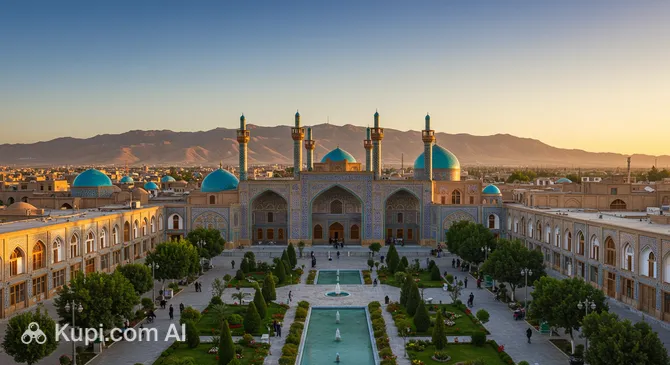
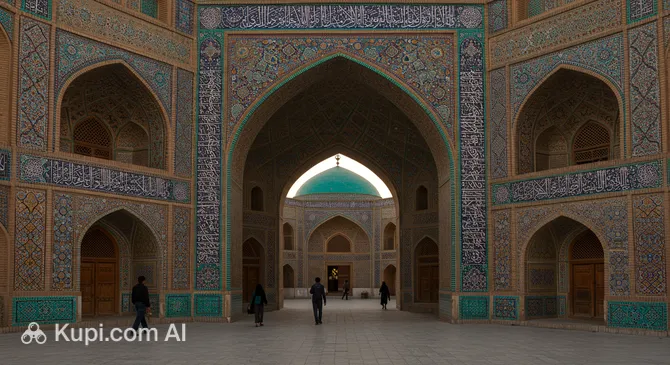
Qazvin. Illustration.
Source: Kupi.com AI

With a population of 402,748 people, Qazvin is a major administrative center and the capital of the province of the same name. The city is known for its calm yet lively atmosphere: bustling traditional bazaars, cozy teahouses, ancient mosques, and modern streets all coexist here. Walking through Qazvin, it is impossible not to notice its architectural diversity—from majestic mosques, such as the famous Jameh Mosque, to ancient caravanserais and elegant city gates, like the Ali Qapu Gate.

For the traveler, Qazvin is a real treasure trove of experiences. The city captivates not only with its historical monuments but also with its unique Persian gardens, which create oases of tranquility, as well as its proximity to majestic natural and historical sites. One such iconic place is the legendary Alamut Castle, a trip to which will be an unforgettable adventure for history buffs and lovers of picturesque landscapes.

Qazvin is a place where everyone will find something for themselves: connoisseurs of history and architecture, gourmands looking for new flavors, nature lovers, and all those seeking authentic experiences. Discover Qazvin – a city with a rich past and a welcoming present!

You can find more interesting facts on the history of Qazvin page.
Weather Overview

The weather in Qazvin is characterized by noticeable seasonal fluctuations. In summer, especially from June to August, it is hot and very dry. The average temperature during these months is 22-24°C, and maximum values can reach 29-31°C. Precipitation in the summer period is practically non-existent, and the number of rainy days is minimal. Winters in Qazvin (December-February) are cold, with an average temperature of about 0-3°C, while minimum temperatures can drop to -4°C. A small amount of precipitation falls in the winter months, averaging 2-3 mm, with about 8-11 days of precipitation.

Spring and autumn are transitional seasons with milder temperatures: in spring, the temperature gradually rises from 7°C in March to 16°C in May, and in autumn, it decreases from 20°C in September to 8°C in November. Expect hot and arid summers and cold winters with little precipitation in Qazvin. For more detailed planning of your trip, we recommend studying the climate of Qazvin.

Average monthly temperature

Average monthly precipitation

Interesting Facts

In addition to its famous attractions, Qazvin hides many amazing stories and little-known details. This ancient city is ready to share its secrets with curious travelers.

Chehel Sotun Palace. Illustration.
Source: Kupi.com AI

Traveler photos:

  • Qazvin was not always a provincial city. In the 16th century, during the reign of the Safavid dynasty, it proudly held the title of capital of Persia. It was here that a special architectural style was born and developed, which later became the hallmark of many Iranian cities. Fragments of former greatness, such as the Chehel Sotun Palace and ancient mosques, still serve as reminders of the city's golden age.

  • Qazvin is home to one of the largest single-dome water reservoirs in Iran – Sardar-e Bozorg Ab Anbar. This impressive structure, built in 1812, is not just a historical monument but also a testament to the ingenious engineering solutions of the past used to provide the city with water.

  • Not far from Qazvin, in the Alborz Mountains, was the famous Alamut fortress – the citadel of Hassan-i Sabbah, the legendary leader of the Nizari Ismailis, also known as the Assassins. Although the fortress itself lies in ruins, the stories and legends associated with it and its founder still capture the imagination.

  • One of the unique and charming traditions of Qazvin is the celebration of spring and autumn festivals in the old gardens that once surrounded the city in a tight ring. These gardens, many of which are recognized as national monuments, still serve today not only as places of rest but also as centers of cultural life where folk festivals are held.

How to Get There

There are various ways to reach this historic city, although most tourists prefer a combined route through the country's capital. You can find all ways to get to the city on a separate page, and below we will look at the main transport hubs that will help you plan your trip.

There is no operating civilian airport in the city of Qazvin itself that accepts regular passenger flights. The nearest air harbors are located in neighboring large cities. The main hub for international travelers is Tehran Imam Khomeini International Airport (IATA: IKA), located in Tehran. It is approximately 142 km from Qazvin. This is the country's main international airport, receiving flights from all over the world. The journey from here by taxi or bus along the freeway will take about 2 hours.

For domestic flights, it is more convenient to use Mehrabad Airport (IATA: THR), which is also in Tehran, about 135 km from Qazvin. This is a major hub with very heavy passenger traffic, serving flights from almost all corners of Iran. The travel time to Qazvin by car is approximately 1.5–2 hours. If you are traveling from the north of the country, you can consider Rasht Airport (IATA: RAS) in the city of Rasht. It is located 121 km from Qazvin, but the road passes through mountainous terrain, so the transfer may take a bit longer.

For clarity, here is summary information on the main airports:

AirportPassenger trafficDistance
Rasht Airport446 000121 km
Mehrabad International Airport13.8 mln135 km
Nowshahr Airport335 377138 km
Imam Khomeini International Airport8.6 mln142 km
Hamadan Airport42 000204 km

Railway communication is also a popular way to get to Qazvin. The city is located on the main railway line connecting Tehran with the northwest of the country (Tabriz) and further with Turkey. Trains in Iran are comfortable and reliable. A train journey from Tehran takes little time and allows you to enjoy the views. Qazvin Railway Station is located in the southern part of the city, from where it is easy to reach the center by taxi.

In addition, Qazvin is well-connected to other regions by a network of highways. The Tehran-Qazvin freeway provides fast and comfortable access by private car or intercity buses, which depart very frequently from Tehran's West Terminal (Azadi).

Main Attractions

Qazvin, a city with a rich history that was once the capital of the Persian Empire, preserves many traces of its glorious past. Travelers will find unique architectural monuments and places that immerse them in the atmosphere of the ancient East. Here are just a few of the main attractions worth including in your Qazvin itinerary.

One of the most impressive attractions is the Sa'd al-Saltaneh Caravanserai. It is one of Iran's largest and best-preserved urban caravanserais, built at the end of the 19th century. The complex is striking for its size, numerous courtyards, elegant arches, and domes. Once a bustling center of trade, today it houses craft workshops, cozy teahouses, and souvenir shops, offering visitors a unique opportunity to touch history and purchase products from local artisans.

Sa'd al-Saltaneh Caravanserai. Illustration.
Source: Kupi.com AI

Traveler photos:

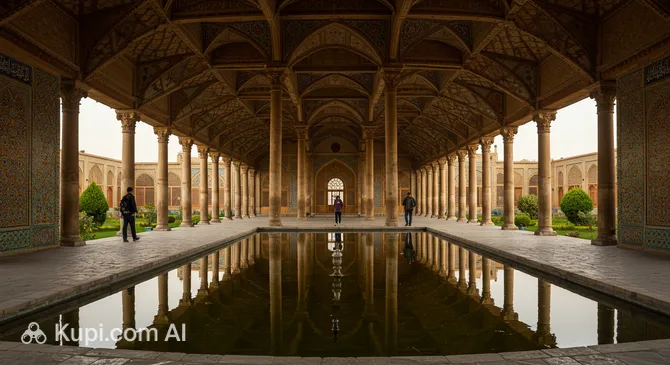
Equally interesting is the Chehel Sotun Palace (also known as the Kolah Farangi Pavilion). This elegant two-story pavilion, built during the Safavid era and later rebuilt by the Qajars, is a beautiful example of Persian palace architecture. The name "Chehel Sotun" translates to "Forty Columns," although there are actually fewer – the effect of multiplicity is created by the reflection of the columns in the pool in front of the palace. Inside, magnificent frescoes and skillful mirror work await visitors. Today, the palace building houses the Qazvin Calligraphy Museum, which presents exquisite examples of Persian writing.

Chehel Sotun Palace. Illustration.
Source: Kupi.com AI

Traveler photos:

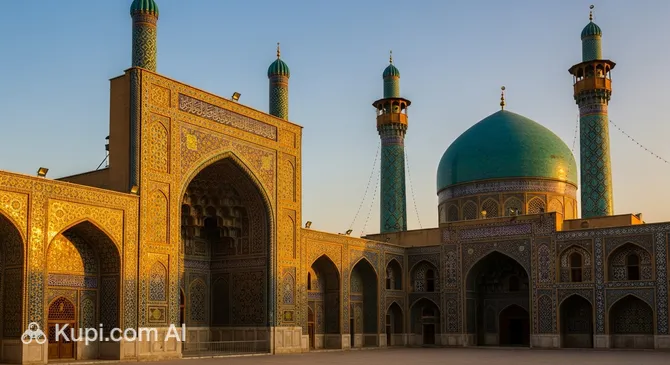
An important pilgrimage site and architectural gem is the Shahzadeh Hossein Shrine. This sacred complex is dedicated to Imamzadeh Hossein, the son of the eighth Shiite Imam Ali al-Ridha, and dates back to approximately the beginning of the 13th century, although it was subsequently expanded and decorated many times. The mausoleum attracts pilgrims and tourists with its majestic turquoise dome, exquisite mosaics, mirror inlays, and spiritual atmosphere.

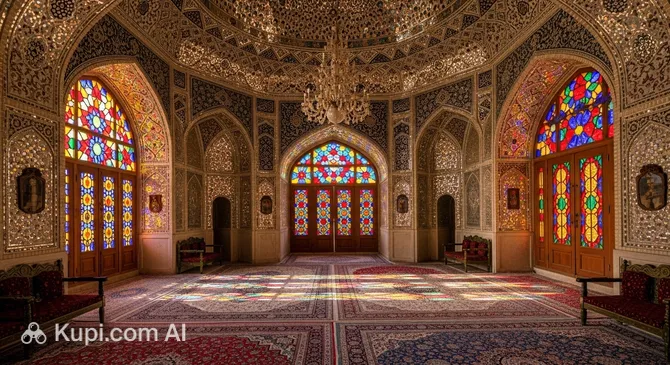
To get acquainted with traditional Persian residential architecture, it is worth visiting the Aminiha Historic House. This magnificent mansion, built in the 19th century for the wealthy merchant Haji Mohammad Hasan Amini, is a striking example of rich decoration and thoughtful layout. The house is famous for its spacious halls decorated with stained glass, stucco, paintings, and mirror mosaics. The southern halls, intended for receiving guests, are especially impressive; they are connected by sliding ornamented doors, allowing for the creation of one large space.

Local Cuisine

The cuisine of Qazvin is a bright reflection of Iran's rich culinary traditions, offering travelers an unforgettable gastronomic experience. Here, centuries-old Persian recipes are combined with local specialties, creating unique tastes and aromas that attract foodies from all over the world.

The main gem of the local gastronomy, which is a must-try, is Gheymeh Nesar. This exquisite festive dish is an aromatic stew, most often made from lamb with chickpeas, tomatoes, and fragrant spices. It is served with fluffy rice skillfully decorated with golden saffron, sweet and sour barberries, crunchy almonds, and pistachios, turning the dish into a true work of culinary art. It is often served at weddings and other celebrations and is rightfully considered the signature dish of Qazvin.

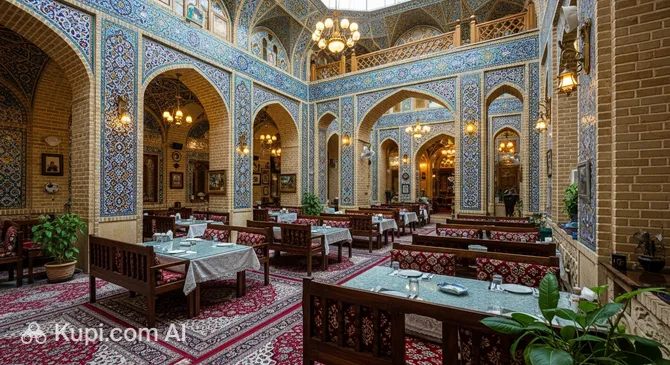
Nemooneh Restaurant. Illustration.
Source: Kupi.com AI

Traveler photos:

Sweet lovers will be delighted by the famous Qazvin baklava, distinguished by its special tenderness and variety of fillings. Thin layers of dough soaked in honey syrup and rose water hide aromatic nuts underneath. You can also find other traditional sweets in local markets, such as gaz (similar to nougat with nuts) and the crispy kalach, which is perfect with tea.

As for drinks in Qazvin, as in all of Iran, aromatic black tea is particularly popular and is an integral part of any meal and social interaction. It is drunk hot, often with sugar cubes or local sweets. It is also worth trying the traditional refreshing sherbets – drinks based on fruit juices, rose water, or herbal infusions.

The food culture in Qazvin is diverse. You can get acquainted with authentic dishes both in traditional restaurants, such as the Nemuneh Restaurant, which is popular among locals and tourists, and by tasting street food. City bazaars, such as the historic Sa'd al-Saltaneh Caravanserai, offer not only fresh products but also the chance to try hot flatbreads, kebabs, roasted chickpeas, and local cheeses. This is a real gastronomic theater where you can immerse yourself in the atmosphere of Eastern hospitality.

Qazvin's gastronomic scene is not just about food, but a whole cultural phenomenon that sometimes manifests vividly at city food festivals. By trying Gheymeh Nesar, enjoying the taste of local baklava, and diving into the lively atmosphere of the bazaars, you will discover the true spirit of this ancient city. Qazvin offers a unique combination of traditional flavors and hospitality that will stay in your memory for a long time.

Travel Tips

Welcome to Qazvin, an ancient city with a rich history and culture! To make your journey through this interesting corner of Iran as comfortable and memorable as possible, we have prepared some practical tips.

  1. Clothing and Essentials: The climate in Qazvin is continental: summers are hot, and winters are quite cold. In summer, choose light, breathable clothing made of natural fabrics. In winter, you cannot do without a warm jacket, hat, gloves, and a scarf. For spring and autumn, layered clothing works best. Comfortable shoes are extremely important for walks through historical quarters and attractions. Don't forget sunglasses and sunscreen in the warm season, as well as a universal adapter for electrical appliances (Type C and F sockets are used in Iran). Remember that Iran has strict dress code rules: women must cover their heads with a scarf (hijab) and wear clothing that hides the figure (long sleeves, pants, or ankle-length skirts). Men should wear long pants; shorts are not accepted in public places. When visiting mosques, requirements may be even stricter.
  2. City Transport: The main mode of public transport in Qazvin is the bus. For more comfortable travel, you can use a taxi. It is recommended to use official taxis or popular Iranian ride-hailing apps like Snapp! or Tapsi (check their availability and features for foreigners upon arrival). Always agree on the price of the trip in advance or make sure the driver has turned on the meter. Car rental is possible but may be difficult due to local driving specifics; for most tourists, a taxi will be a more convenient option.
  3. Finances: The official currency is the Iranian Rial (IRR). However, in everyday life, prices are often quoted in Tomans (1 Toman = 10 Rials). Always clarify which unit the price is in. It is better to exchange currency at banks or official exchange offices (sarrafi). Important: International bank cards (Visa, Mastercard, etc.) do not work in Iran due to sanctions. You need to carry enough cash (US Dollars or Euros for exchange) for your entire trip. Iranian ATMs also do not serve foreign cards. An approximate daily budget can range from 30 to 50 US Dollars, not including major purchases. Tipping is not mandatory but welcomed in restaurants (5-10% of the bill) and for guides.
  4. Health and Safety: Pharmacies (darukhaneh) are easy to find in Qazvin; some may operate 24/7. It is recommended to have travel medical insurance that covers expenses in Iran. Qazvin is considered a fairly safe city for tourists. Nevertheless, follow standard precautions: keep an eye on your personal belongings, especially in crowded places, and avoid walking in poorly lit and deserted areas after dark. Drink only bottled water.
  5. Communication: The official language is Farsi (Persian). English is not widely spoken, mainly in the tourism sector and among young people. Learn a few basic phrases in Farsi: "Salam" (Hello), "Merci" or "Tashakkor" (Thank you), "Lotfan" (Please), "Bale" (Yes), "Na" (No). A local SIM card can be purchased from operators like Irancell or Hamrahe Aval (a passport is required). Wi-Fi is available in most hotels and some cafes, but speeds can vary. A VPN may be needed to access some internet resources.
  6. Local Etiquette: Iranians are famous for their hospitality. The greeting between men is a handshake. A handshake between a man and a woman is possible if the woman initiates it first. A traditional gesture of respect is to place your right hand over your heart. Follow the dress code in public places. You should only photograph people, especially women, with their permission. The famous Iranian custom of "Taarof" (a form of etiquette where an offer or refusal is not always straightforward) can be confusing at first; if you are persistently offered something (e.g., a treat or to not pay for a service), it is customary to politely decline several times before accepting.
  7. What to Avoid: It is strictly forbidden to photograph government and military facilities, as well as police and military personnel. Avoid public discussions on political and religious topics. The consumption and import of alcohol into Iran are prohibited by law.
  8. Qazvin Specialties: The city is known as one of the historical capitals of calligraphy in Iran. Be sure to visit the Chehel Sotun Palace and the majestic Jameh Mosque. Also, don't miss the chance to try famous local sweets, such as Qazvin baklava. Note that many shops may close for a long lunch break.

We hope these tips help you better prepare for your trip and fully enjoy your stay in hospitable Qazvin, discovering its unique atmosphere and cultural heritage!

Entertainment & Nightlife

Evening Qazvin offers travelers a chance to immerse themselves in an atmosphere of Eastern hospitality, which differs from the usual European nightlife. You won't find loud nightclubs and bars in the classic sense here; however, the city remains active after sunset, offering its own unique opportunities for relaxation and socializing. The main focus of evening entertainment is centered around cozy restaurants, traditional teahouses, and leisurely strolls along illuminated streets.

The main centers of evening activity in Qazvin are the restaurants, where you can enjoy exquisite Persian cuisine in a pleasant and welcoming setting. Many establishments stay open until late evening, becoming meeting places for both locals and tourists. Dinner prices in most Qazvin restaurants are pleasantly affordable, ranging from budget options in small cafes to moderate prices in more prestigious establishments, making it possible to find an option for any budget. For example, you can visit Nemuneh Restaurant, known for its authentic cuisine, or stop by Armani Restaurant for a pleasant dinner. The atmosphere in such places is usually family-oriented, calm, and conducive to long conversations. Sometimes, you can hear live traditional music in restaurants, which adds a special Eastern flavor to the evening.

Nemooneh Restaurant. Illustration.
Source: Kupi.com AI

Traveler photos:

Although there are no specific "nightlife districts" with a concentration of bars in Qazvin, popular restaurants and cafes are often located along central streets or near historical attractions, which are beautifully illuminated at night. Evening bazaars, if open, can also be an interesting place for a walk, where you can observe local life and buy unique souvenirs. An integral part of the social culture of Iran is traditional teahouses (chai-khaneh). These are wonderful places to spend an evening enjoying aromatic tea, local sweets, and casual conversation.

When planning your evening leisure in Qazvin, keep in mind that dinner here, as in many Eastern countries, often starts quite late. For getting around the city in the evening, the most convenient option is a taxi. It is recommended to use official taxi companies or trusted ride-hailing apps. Overall, Qazvin is considered a safe city for evening walks, but you should always take standard precautions, especially in less busy and poorly lit areas.

During the day, Qazvin reveals its rich historical and cultural treasures to its guests. You can spend time exploring numerous architectural monuments, such as the magnificent Chehel Sotun Palace or the unique Aminiha Historic House. It is also worth visiting local museums to get a deeper understanding of the region's history and culture, or simply taking a walk through the green city parks, enjoying the calm and peaceful atmosphere of this ancient Iranian city.

Parks & Museums

Qazvin, a city with a rich history and culture, offers its guests not only an introduction to ancient monuments but also the opportunity to relax in cozy green corners and immerse themselves in the world of art and traditions in its museums. Here, everyone will find something for themselves, whether it's a quiet walk in a garden or a fascinating journey through the pages of history.

For those seeking relaxation in nature, Qazvin offers several interesting options. One of the largest and most popular places is Barajin Forest Park, located on the outskirts of the city. This vast park is an excellent place for picnics, walks, and enjoying fresh air, offering picturesque views of the surroundings. Another favorite vacation spot for citizens and visitors is Mellat Park. This well-maintained city park with shaded alleys, playgrounds, and rest areas is ideal for family walks and peaceful pastimes. In the city itself, you can also find more traditional public gardens and squares reflecting Persian gardening traditions, where locals and tourists find refuge from the hustle and bustle of the city. These green oases, often decorated with fountains and flower beds, are an integral part of Iranian urban culture.

Qazvin's cultural heritage is vividly represented in its many historical buildings, many of which now function as museums. One of the most iconic places is the Chehel Sotun Palace. This Safavid-era pavilion, located in the city center, once served as a place for the Shah's receptions. Today it houses a calligraphy museum where you can see magnificent examples of Persian script, and the building itself is a beautiful example of Persian palace architecture.

No less impressive is the Sa'd al-Saltaneh Caravanserai – one of the best-preserved urban caravanserais in Iran. This huge 19th-century complex with its courtyards, arches, and domes was an important trade center. Today it has been restored and turned into a lively cultural space with craft workshops, teahouses, and shops, allowing visitors to feel the atmosphere of an ancient Eastern bazaar.

For a deeper immersion into the life of wealthy citizens of past centuries, it is worth visiting the Aminiha Historic House. This beautifully preserved traditional Persian house, with its exquisite paintings, mirror halls, and cozy inner courtyards, provides an insight into the rich culture and architecture of the Qajar era. It is often used for cultural events and exhibitions, functioning as a house-museum.

Aminiha Historical House. Illustration.
Source: Kupi.com AI

Traveler photos:

Among other significant architectural and spiritual monuments, the Shahzadeh Hossein Shrine stands out. This revered pilgrimage site is known for its magnificent architecture, especially the impressive mirror mosaics decorating the interiors. The mausoleum attracts not only believers but also connoisseurs of Islamic art and architecture.

Shahzadeh Hossein Shrine. Illustration.
Source: Kupi.com AI

Traveler photos:

To get a truly authentic experience, stop by one of the traditional teahouses (chai-khaneh) located within the Sa'd al-Saltaneh Caravanserai or in the old quarters of the city. This is a wonderful opportunity not only to relax and drink aromatic tea but also to observe local life. Also, don't miss the chance to walk through the city bazaar, where you can find unique souvenirs and local delicacies.

Getting Around

Getting around Qazvin is quite convenient using the local public transport system. Although the city does not boast an extensive metro network like some metropolises, the existing options allow tourists to reach the main attractions and districts of the city.

The primary mode of public transport in Qazvin is buses. They run on many routes, connecting various parts of the city. The bus network is well-developed and covers both central streets and more remote areas. Schedules may not always be strict, but buses run quite frequently, especially during the day. Payment for bus fare is usually made either in cash, given to the driver or conductor, or using local transport cards, if available. It is recommended to have small bills for convenience.

In addition to buses, taxis are widely used in Qazvin. This is a faster and more comfortable way to get around, especially if you are traveling with luggage or in a group. There are official taxis that can be called by phone or found at special stands, as well as private drivers. Shared taxis (sometimes called "savari") are also popular; they follow specific routes and pick up passengers along the way. The cost of a taxi ride is usually negotiable or calculated by a meter if one is present and turned on. Always confirm the cost of the trip before it begins, especially if using private drivers.

The payment system for public transport in Qazvin can vary. Buses generally accept cash. Information on the availability and ways to purchase transport cards is best checked on-site, for example, at newsstands or from drivers. Fares are usually low. Public transport operating hours typically cover most of the day, from early morning to late evening, but the intensity of service may decrease at night.

Practical tips for tourists:

  • Before taking a bus, try to clarify the route number you need. Locals are usually very willing to help.
  • Carry small change for fare payment.
  • If you plan to use public transport frequently, inquire about the possibility of purchasing a travel pass or transport card – it may be more economical.
  • During rush hours, buses can be crowded.

Regarding alternative modes of transport, in addition to taxis, you can get around Qazvin on foot, especially if you are exploring the historical city center where many attractions are within walking distance. Information on car-sharing systems or developed bike rentals in Qazvin is limited, so taxis and buses remain the main options for most tourists.

Accommodation

In Qazvin, travelers will find various accommodation options to suit different preferences and budgets. Choices range from traditional Iranian guest houses, offering an authentic experience, to more modern hotels with a standard set of amenities. You can also consider renting apartments, especially if you are traveling with a family or planning a long stay.

When choosing a place to stay in Qazvin, pay attention to areas located near the main attractions and transport hubs. The central part of the city generally offers convenient access to historical sites, such as the majestic Sa'd al-Saltaneh Caravanserai or Chehel Sotun Palace, as well as to restaurants and shops. Staying in these areas will allow you to easily explore the city on foot.

Sa'd al-Saltaneh Caravanserai. Illustration.
Source: Kupi.com AI

Traveler photos:

Although specific famous hotels were not provided in the current list, Qazvin offers options for every taste. The price range can vary from budget guesthouses to mid-range hotels and more comfortable options. To find and book accommodation, it is recommended to use popular online platforms and travel aggregators where you can check reviews, photos, and current prices. Direct booking via hotel websites is also an option, where available.

To guarantee the availability of a suitable option, especially during the peak tourist season or during local holidays, it is recommended to book accommodation in advance. This will not only ensure you the best choice but can also help you save money, as prices may rise as the check-in date approaches.

Nearby Cities

For those who want to explore the surroundings, Qazvin serves as an excellent starting point for day trips to several interesting nearby locations:

CityPopulationDistance
Eqbaliyeh55 0669 km
Alvand93 83612 km
Bidestan18 06012 km
Khak-e Ali104 41723 km
Takestan80 29936 km

Among these cities, a few are particularly noteworthy. Alvand, located just 12 km away, is one of the closest industrial and residential centers where you can see the modern life of the region. Khake-Ali, situated 23 km away, offers a more peaceful atmosphere and a glimpse into the local lifestyle of a small Iranian town. A bit further, 65 km away, is Nazarabad, a larger city where you can visit local markets and feel the rhythm of life in a provincial center.

These nearby destinations provide an insight into the diverse culture and landscapes of the region.

Shopping & Souvenirs

Shopping in Qazvin offers tourists a chance to immerse themselves in the atmosphere of traditional Persian trade, although modern shops can also be found here. The city is not famous for huge shopping centers, but its charm lies in historical markets and stalls selling products by local craftsmen and authentic goods.

The main place for shopping in Qazvin is undoubtedly its historical bazaar. This is not just a commercial point, but an entire complex with a centuries-old history where you can wander for hours through the rows, looking at the goods. Shops and stalls can also be found on the central streets of the city adjacent to the main attractions. One such notable place where trade is still bustling today is the Sa'd al-Saltaneh Caravanserai. This magnificently restored complex is an attraction in itself, and its numerous rooms and courtyards house craft workshops, souvenir shops, and traditional teahouses.

Sa'd al-Saltaneh Caravanserai. Illustration.
Source: Kupi.com AI

Traveler photos:

Although Qazvin is not known for large modern shopping centers in the Western sense, you can find small shopping complexes and department stores offering clothing, shoes, and everyday goods. However, the main focus for tourists should still be on the more authentic shopping locations.

Qazvin's main market is its traditional bazaar, which is the heart of the city's commercial life. Here you can find everything from spices, sweets, and fresh produce to carpets, textiles, ceramics, and metalwork. The atmosphere of the bazaar itself is a unique experience. Special attention should be paid to the already mentioned Sa'd al-Saltaneh Caravanserai, which is actually part of the large bazaar complex and offers a wonderful selection of souvenirs and handicrafts in a historical setting.

Items worth bringing back from Qazvin include traditional Iranian souvenirs. Particularly popular are:

  • Handmade carpets and kilims, for which Iran is famous.
  • Ceramics and painted dishes with national patterns.
  • Copper and brass products (dishes, lamps, decorative items).
  • Traditional textiles: printed tablecloths (ghalamkar), silk scarves.
  • Oriental sweets (baklava, nougat, Turkish delight), pistachios, saffron, and other spices.
  • Miniatures on bone or mother-of-pearl.

These goods are best sought at the bazaar and in the craft shops in the Sa'd al-Saltaneh Caravanserai.

Shops and stalls at the bazaar in Qazvin are usually open from the morning (around 9:00-10:00) until the evening (19:00-21:00), and many may close for a lunch break in the middle of the day. Friday in Iran is a day off, so many shops, especially in the bazaar, may be closed or operate on a shortened schedule. The main method of payment is cash in Iranian Rials. International bank cards are generally not accepted in Iran, so tourists need to carry enough cash with them.

The Tax Free system for tourists in Iran is currently not widely distributed and does not apply to most goods purchased in regular shops and markets.

Reached the end of the page?

That means the route is fully explored