Support

Tomb of Nader Shah

About

The Nader Shah Afshar Mausoleum (Persian: آرامگاه نادرشاه) is an impressive memorial complex erected in honor of the powerful Persian ruler Nader Shah. Located in the city of Mashhad, Iran, this mausoleum is one of the most important architectural and historical landmarks. It is a striking example of the monumental style characteristic of Pahlavi architecture and attracts both locals and tourists.
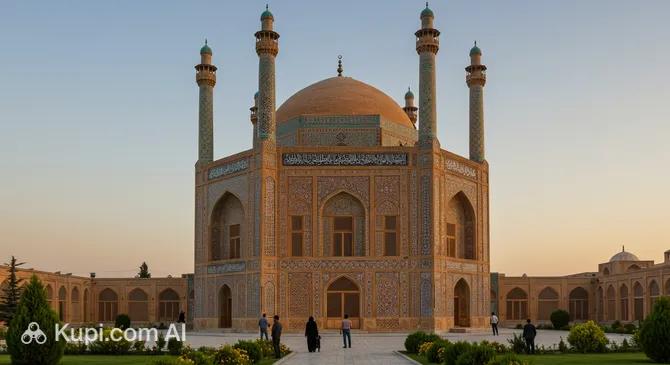
Tomb of Nader Shah. Illustration.
Source: Kupi.com AI

Traveler photos:

The main building of the mausoleum is constructed from granite, giving it a particular strength and majestic appearance. The architectural design is based on strict rectangular and square shapes that define the look of the entire complex. This choice emphasizes the monumentality of the structure and its significance.

The territory of the complex includes not only the mausoleum itself but also a beautifully planned garden. Here, you can see skillfully designed water features, small pools, and babbling streams created according to a special design that harmoniously complements the architecture. The author of this iconic structure is the talented architect Houshang Seyhoun, who drew on the rich traditions of Iranian architecture while designing it, succeeding in creating a truly memorable monument.

Contacts

To get the most up-to-date information on the opening hours of the Nader Shah Mausoleum and available visit options, we recommend checking the official tourism resources of Mashhad or visiting tourist information centers directly in the city. Usually, such significant historical sites can be reached by public transport or taxi, as well as through organized tours of Mashhad.

How to contactContact
AddressMashhad, استان خراسان رضوی مشهد چهارراه شهدا، Shirazi Ave, باغ نادری، Iran
Phone number+98 51 3222 4888

What to Do

A visit to the Nader Shah Mausoleum in Mashhad offers an immersion into the history and architecture of Iran. Guests can explore the architectural complex itself, which is a prime example of the Pahlavi style. Special attention should be paid to the design of the garden surrounding the mausoleum. Here, you can see thoughtfully designed water elements, such as pools and streams, created according to a specific model that gives the place a special atmosphere of peace and harmony.

A central element of the visit is exploring the collection of the Naderi Garden Museum, located within the complex. The museum presents artifacts and exhibits that tell the story of Nader Shah's reign and his era. This allows visitors to gain a deeper understanding of the historical context and the significance of this figure for Iran.

Strolling through the grounds of the memorial complex is an opportunity to enjoy unique architectural solutions and thoughtful landscape design that reflect Iran's rich cultural traditions. Visitors can spend time studying the details of the buildings, photographing picturesque corners of the garden, and simply enjoying the peaceful setting of this historical site.

Getting There

The Nader Shah Mausoleum is located in Mashhad, one of the largest and most significant cities in Iran. Thanks to its central location in Mashhad, reaching this attraction is quite simple, and you will have several options to choose from.

If you prefer public transport, Mashhad has an extensive bus network, with many routes passing through the city center or very close to the mausoleum. This is an economical way to get around and also allows you to observe the city's daily life. It is best to check specific routes and stops on-site, for example, at your hotel or by asking locals.

Another convenient way to reach the Nader Shah Mausoleum is by taxi. Taxis in Mashhad are relatively affordable and are a good option if you value comfort, are traveling with luggage, or simply want to reach your destination without transfers. A taxi ride from most hotels in the city center will not take much time.

Nearest city: Mashhad

History & Facts

The Nader Shah Mausoleum in Mashhad is not just a tomb, but a monument to one of the most prominent and controversial figures in the history of Iran, Nader Shah Afshar. It was during his reign in the 18th century that the city of Mashhad reached its peak of prosperity and influence. Nader Shah himself initiated the construction of the mausoleum, which was originally intended to be built in the opulent style characteristic of the Mughal era, reflecting the ruler's grandeur and ambition.

However, history made its own adjustments to these grand plans. The construction of the mausoleum was interrupted by a tragic event: in 1747, Nader Shah was assassinated as a result of a conspiracy by his own officers. Because of this, his tomb remained unfinished for many years. The modern memorial complex we see today was created much later, in the 20th century, during the Pahlavi dynasty. This later project reflects the architectural trends of its time, which differ from the original design.

Mashhad, where the mausoleum is located, is itself an essential religious and cultural center of Iran. The city is famous primarily for the Imam Reza Shrine (Haram-e Razavi), the main Shia holy site. Nevertheless, the Nader Shah Mausoleum holds an important place among the city's attractions, drawing those interested in the turbulent history of Persia and the personality of this remarkable, albeit ruthless, conqueror. The complex includes not only the tomb itself but also a museum dedicated to the life and deeds of Nader Shah.

Time Needed

To explore the Nader Shah Mausoleum in Mashhad, most visitors typically need 1 to 2 hours. This time is generally sufficient to see the main structure of the mausoleum, including the central hall with the tomb, and to examine its architectural features, sculptures, and bas-reliefs dedicated to the life and conquests of Nader Shah.

If you plan a deeper immersion, such as visiting the two museum halls located within the complex (one dedicated to weapons from the Nader Shah era and the other to historical artifacts and documents) or if you want to take a leisurely stroll through the surrounding grounds and take photos, your visit may take longer. In that case, it is worth allowing up to 2-3 hours to explore all the details of this significant Iranian historical monument without rushing and to soak in its atmosphere.

Working Hours

When planning a visit to the Nader Shah Mausoleum in Mashhad, it is important to check the current opening hours in advance. Generally, such memorial complexes have a set schedule that may change depending on the season or special events. Currently, exact information regarding opening hours and whether pre-booking is required for tickets is unavailable.

We recommend checking the official website of the attraction, if available, or contacting local tourist information centers in Mashhad before your visit to get the latest information. This will help you plan your visit in the best possible way and avoid potential inconveniences. It is also worth confirming whether the mausoleum is open year-round or if there are seasonal restrictions.

9:03 – 18:28

Nearby

A visit to the Nader Shah Mausoleum in Mashhad will undoubtedly be a highlight of your trip to Iran. However, to make your experience even more enriching and complete, it is worth taking the time to explore the surroundings of this iconic landmark. Often, it is the small discoveries nearby that allow you to delve deeper into the city's atmosphere and see it from different angles.

Near the mausoleum, there are other interesting sites that can complement your understanding of the culture and history of Mashhad. Walking through the nearby streets or visiting neighboring attractions will allow you to form a more complete picture of this amazing city. Below is a list of some of them, along with their distance from the Nader Shah Mausoleum:

NameDistance
Astan Quds Razavi Museums1 km
Green Dome1.2 km
Darugheh Historical House1.4 km
Pesaran Karim Restaurant1.5 km
Arman Shopping Center1.7 km
Ferdowsi Shopping Center3.5 km
Mashhad Garden4.6 km

Things to see in nearby cities

Have you reached the end of the page?

So the route has been studied inside and out