Support

Fatima Masumeh Shrine

About

The Fatima Masumeh Shrine, located in the holy city of Qom in Iran, is one of the most revered Shia shrines and an essential pilgrimage center. Every year, millions of believers from all over the world come here to honor the memory of Fatima Masumeh, the daughter of the seventh Shia Imam, Musa al-Kadhim, whom Shia Muslims deeply revere as a saint.
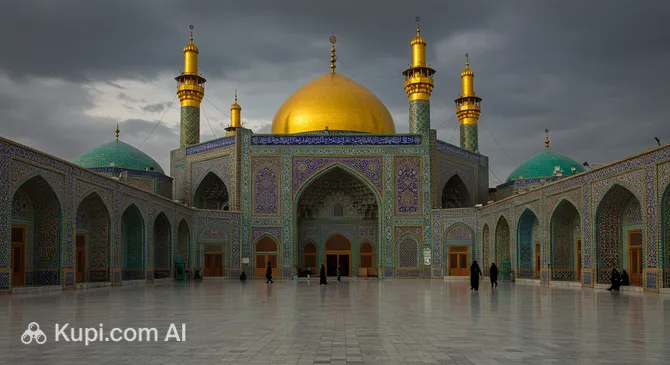
Fatima Masumeh Shrine. Illustration.
Source: Kupi.com AI

Traveler photos:

This majestic complex is not just a place of worship but also an outstanding monument of Persian architecture. Visitors are struck by the splendor of its golden dome, which shines brightly in the sun, its graceful minarets reaching toward the sky, and the rich decoration of the facades and interiors adorned with intricate mosaics and calligraphy. Spacious courtyards create an atmosphere of tranquility and encourage reflection.

The Fatima Masumeh Shrine is not only the spiritual heart of Qom, but also one of its main symbols, reflecting the rich history and culture of the region. A visit to this sacred place leaves a lasting impression, allowing you to touch a deep religious tradition and admire the craftsmanship of ancient architects. It is a place where spirituality and beauty merge, attracting both pilgrims and art lovers from all over the world.

Contacts

To clarify current information regarding visiting hours for the Fatima Masumeh Shrine, as well as to obtain other details, we recommend contacting the official tourist portals of the city of Qom or local information centers.

Since this is one of the key shrines, information about it may also be available on resources dedicated to the cultural heritage of Iran.

The shrine is a significant landmark in the city, and reaching it is usually straightforward by following signs to this famous site or using local transport.

How to contactContact
AddressQom, Iran
Phone number+98 25 3717 5305
Websiteamfm.ir

What to Do

When visiting the Fatima Masumeh Shrine in Qom, you immerse yourself in an atmosphere of holiness and admire the unique architecture of this significant Shia site. First and foremost, pay attention to the magnificent golden dome that rises majestically over the complex. The eye is drawn to the skillful painted mosaics dating back to the 14th century, as well as the elegant calligraphic inscriptions from the Quran decorating the walls. The magnificent gates, considered a pinnacle of Qajar era craftsmanship, deserve special attention. Exploring the complex, you will find several courtyards and see the octagonal sanctuary where Fatima Masumeh rests.

Various religious rites take place regularly in the shrine, including Quran readings and collective prayers, which any visitor who follows the rules of conduct can witness. This is a unique opportunity to experience the living traditions and spiritual life of Iran. For those wishing to gain a deeper understanding of the history of this place and the life of Fatima Masumeh herself, guided tours are available. Guides will tell you about the significance of the shrine and its architectural features.

Many pilgrims come here with special requests, as it is believed that prayers uttered within the shrine's walls possess special power. According to local beliefs, the shrine provides patronage to women seeking happiness in family life and motherhood. Even if you do not share these religious beliefs, a visit to this place will leave a deep impression thanks to its beauty, scale, and spiritual atmosphere.

Getting There

The Fatima Masumeh Shrine is located in the city of Qom, which is situated approximately 120 kilometers south of Tehran, the capital of Iran. There are several ways to reach Qom from Tehran. Buses and trains run regularly, with the journey taking about one and a half to two hours. You can also take a taxi. For those arriving in Iran via Tehran's international airport, there are direct bus routes and taxis to Qom.

In Qom itself, the Fatima Masumeh Shrine is located in the historic center, making it easily accessible. You can reach the shrine by city public transport or take a walk from the central streets. Guided tours are often organized for tourists, including visits to the shrine and other important attractions in Qom, which can be a convenient option for a first acquaintance with the city and its holy sites.

Nearest city: Qom

History & Facts

The history of the Fatima Masumeh Shrine in Qom dates back to the 9th century. It began with a modest canopy erected over the burial site of Fatima Masumeh at the behest of her father. Over time, this place began to attract many believers, becoming a major site of veneration. A tomb was built around the original grave, which subsequently became the final resting place for other women from the lineage of Imam Musa al-Kadhim.

Over the centuries, the complex of the Fatima Masumeh Shrine has been repeatedly rebuilt and expanded, reflecting changing eras and rulers. Particularly significant changes occurred during the reigns of the Safavid and Qajar dynasties. By the 13th and 14th centuries, the shrine was already richly decorated with exquisite mosaics and skillful calligraphy, testifying to the high level of craftsmanship at the time.

The shrine acquired its modern appearance, with its characteristic four courtyards and majestic octagonal sanctuary in the center, at the beginning of the 19th century. These architectural transformations completed the formation of one of the most impressive Islamic complexes. Today, the Fatima Masumeh Shrine is not only an outstanding monument of Islamic architecture in Iran but also one of the most important centers of pilgrimage for Shia Muslims from around the world, drawing visitors with its spiritual atmosphere and historical heritage.

Time Needed

To fully enjoy the atmosphere and see the Fatima Masumeh Shrine in Qom in detail, it is recommended to set aside 2 to 4 hours. This time is generally sufficient for a leisurely introduction to the architecture, interior decoration, and the surrounding grounds of the complex.

If you plan not only to see the main halls but also to immerse yourself in the spiritual atmosphere of the place, sit in the courtyards, watch the pilgrims, or visit additional rooms in the complex, you should aim for the upper end of this time range. For a more superficial tour of the main highlights, two hours may be enough.

Ultimately, the duration of your visit will depend on your personal interest in the history, architecture, and religious significance of this unique place. However, to get a full impression, it is better not to rush and to allocate enough time for a calm exploration.

Working Hours

The Fatima Masumeh Shrine in Qom is an important pilgrimage site and is generally open to visitors daily. Access to the shrine is usually possible from early morning until late evening. However, it is important to note that the exact opening hours may change. This is especially true during religious holidays or depending on the time of year, as general information indicates.

For individual visits to the shrine itself, prior ticket booking or special registration is usually not required. Nevertheless, to avoid misunderstandings and plan your visit in the best way possible, it is strongly recommended to check the current schedule immediately before your trip. You can try to find information on official resources, if any, or find out upon arrival in Qom through local information centers or representatives of tourist services. The shrine is open for visits year-round, but flexibility in planning, considering possible schedule changes, will always be a plus.

5:00 – 21:00

Nearby

A visit to the Fatima Masumeh Shrine is certainly the centerpiece for many travelers arriving in Qom. However, to make your acquaintance with this ancient city more complete and memorable, it is worth taking the time to explore its surroundings. Near the main sanctuary are other interesting sites, each revealing the culture and history of the region in its own way.

Exploring nearby attractions will allow you to dive deeper into the atmosphere of Qom, see different facets of its life, and perhaps discover something completely unexpected. This is a great opportunity to expand your impressions and make your trip to Iran even more rewarding.

NameDistance
Jamkaran Mosque7.3 km
Alavi Public Park8.7 km
Mehr-o-Mah Tourist Complex11.2 km
Maral Setareh Rest Area27.9 km

Have you reached the end of the page?

So the route has been studied inside and out