Support

Ali Qoli Aqa Historical Bath

About

In the heart of the ancient city of Isfahan lies a true treasure of the Safavid era — the Ali Gholi Agha Historical Bathhouse. This magnificent architectural monument, built in 1713, is part of an old complex that includes a mosque and a bustling bazaar. Today, it is not just an ancient building but a unique cultural heritage museum that opens its doors to a world of Oriental traditions and exquisite style.
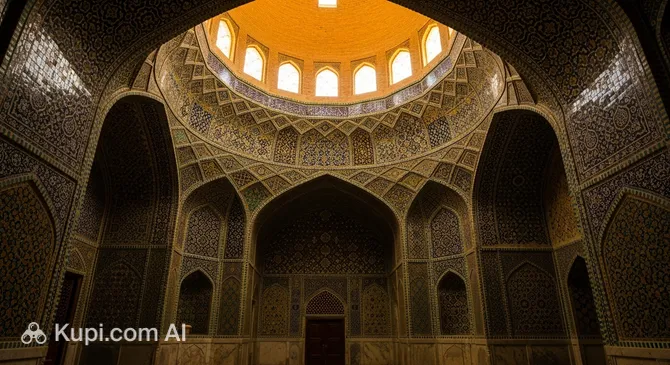
Ali Qoli Aqa Historical Bathhouse
Ali Qoli Aqa Historical Bathhouse. Иллюстрация. Источник: Kupi.com AI

The significance of this place for Iran can hardly be overstated. The hammam, covering over 900 square meters, impresses with its layout: here you can see the sarbineh (a spacious dressing room that also served as a place for prayer and conversation) and the garmkhaneh — the hall for hot water treatments. The interiors are decorated with intricate mosaic tiles featuring vibrant floral patterns that create the feeling of a spring garden even within stone walls.

Visiting the Ali Gholi Agha bathhouse is an opportunity to see how a public space was transformed into a work of art. Every detail here, from the underfloor heating system to the domes with openings for natural light, is thought out to the smallest detail, making it a must-see for connoisseurs of history and beauty.

Contacts

To clarify current information about visiting the museum or hosting special events, you can use the following contact details:

How to contactContact
AddressIsfahan Province, Isfahan, Bid Abadi St, Иран
Phone+98 31 3337 5777
Websiteisfahan.ir

What to Do

Once inside the museum, you can take a journey through time, moving from the cool waiting rooms to what were once steaming bathing areas. The main highlight is admiring the mosaics: the walls are decorated with tiles featuring incredibly detailed floral and animal motifs characteristic of the Isfahan school of design.

It is fascinating to observe how social life in the hammam was organized. In the sarbineh, visitors not only left their clothes but also relaxed, drank tea, and socialized. Note the absence of steps in many transitions — this architectural feature makes the Ali Gholi Agha bathhouse unique among similar structures of that period.

You will learn a lot about the profession of dallaks — masters who, in the old days, combined the roles of masseurs, barbers, and even healers. The museum's exhibition clearly demonstrates bathhouse items, massage tools, and oil vessels, allowing you to vividly imagine the purification rituals that existed three centuries ago.

Getting There

The historical bathhouse is located in the Bidabad district, on Bid Abadi St. This location is within walking distance of many central attractions, including the famous Chahar Bagh district. If you are staying in the center, a walk to the hammam will allow you to better feel the atmosphere of the old city.

The most convenient way to get there from other districts is by taxi. A ride from Imam Square will take about 10–15 minutes. You can also use buses going to central stops and walk a bit from there. If you are arriving from the airport, the drive will take approximately 20–30 minutes.

When planning your route, keep in mind that traffic in Isfahan's historical center can be heavy, and parking spaces near the bathhouse are limited. Therefore, public transport or a taxi is often a more practical choice for tourists.

Ближайший город: Isfahan

History & Facts

The construction of the hammam was completed in 1713. It was commissioned by Ali Gholi Agha, an influential eunuch who served at the court of Shah Soltan Hossein. The construction of the bathhouse was part of a large-scale urban development project: a bazaar, a mosque, and a caravanserai appeared nearby, turning the area into a thriving social center.

During the Safavid era, Isfahan was famous for its advanced infrastructure. According to travelers of the time, there were nearly three hundred public bathhouses in the city. Cleanliness in Islamic culture has always been considered "half of faith," so hammams played a key role not only in hygiene but also in the social life of society.

Interestingly, the bathhouse was not divided into male and female sections — visitors of different genders used it during strictly designated hours. Here, people didn't just wash; they discussed news, made deals, and the services of local masters (dallaks) included massages, haircuts, and even simple medical procedures.

Today, this site is included in Iran's list of national monuments. Although no longer used for its original purpose, it is carefully preserved as a museum, allowing us a glimpse into the daily life of 18th-century Persians.

Time Needed

To comfortably explore all the halls of the "Ali Gholi Agha Historical Bathhouse" museum, 1 to 2 hours are usually required. This time is enough to leisurely admire the delicate mosaics, study the water supply system, and soak in the atmosphere of the ancient hammam.

If you are interested in architecture or the history of daily life, set aside a little more time to study the information stands and photograph the decorative elements. The museum's compactness makes it easy to fit into a busy day of sightseeing in Isfahan.

Working Hours

Currently, according to available information, the attraction has the status of being closed temporarily. This may be due to restoration work or updates to the exhibition.

Before planning your visit, it is highly recommended to check the current schedule on the official city website or clarify information at local tourist centers in Isfahan to ensure your visit is successful.

Nearby

Exploring the surroundings of the Ali Gholi Agha bathhouse allows you to dive deeper into the city's culture and find entertainment for every taste. After visiting the historical museum, you can head to one of the nearby recreation areas or amusement parks.

Below are some interesting places located relatively close by:

NameDistance
Seyyed Mosque0.5 km
Chehel Sotoun Palace1.3 km
Ali Qapu Palace1.5 km
Naqsh-e Jahan Square1.5 km
Isfahan Music Museum1.6 km
Imam Ali Square1.6 km
Sheikh Lotfollah Mosque1.6 km

Reached the end of the page?

That means the route is fully explored