Support

Chehel Sotoon Palace

About

An embodiment of Oriental elegance, Chehel Sotoun Palace (or Chehelsotoon) is one of the most striking examples of 17th-century Persian architecture. Located in the heart of Isfahan, this site is included in the prestigious UNESCO World Heritage list as part of the "Persian Gardens." The palace's name translates from Persian as "Forty Columns", which holds an elegant riddle for the observant traveler.
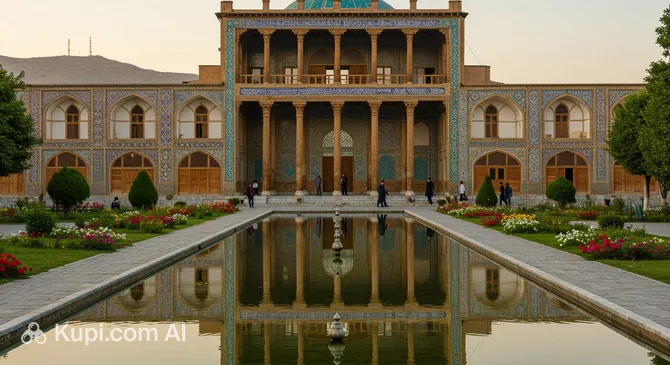
Chehel Sotoun Palace
Chehel Sotoun Palace. Иллюстрация. Источник: Kupi.com AI

In reality, the building's facade is adorned with 20 slender octagonal columns carved from solid cedar trunks. However, the secret lies in the long reflecting pool located right in front of the entrance: reflecting in the water, the columns double, creating the illusion of forty supports. The majestic structure, surrounded by a garden spanning several hectares, served as a venue for official receptions and a retreat for the rulers of Iran.

The palace architecture is stunning in its detail: the four central columns rest on massive stone bases decorated with intricate carvings of lions. After a major fire in the 18th century, the interiors were enhanced with mirror mosaics, which, combined with historical frescoes, create an atmosphere of authentic Oriental grandeur inside.

Contacts

To confirm the latest information before your visit or to organize a group tour, you can use the official contact details of the site.

How to contactContact
AddressEsfahan, استان اصفهان اصفهان دروازه دولت) خیابان سپه، Imam Hossein Square، Iran
Phone+98 31 3222 0181

What to Do

A visit to Chehel Sotoun is, above all, an opportunity to experience the art of the Safavid era. Be sure to take the time to explore the main hall, whose walls are decorated with large-scale frescoes depicting historical battles and lavish court celebrations. These pictorial canvases literally allow you to peer into the past and see how rulers and ambassadors looked hundreds of years ago.

Today, the building houses an archaeological museum exhibition. Here you can examine a rich collection of ancient ceramics, manuscripts, and magnificent Persian carpets, each of which is a work of art. The fine craftsmanship of past masters and unique patterns provide a deep insight into the cultural heritage of the region.

Don't forget to head out to the central pool to catch the very optical effect that gave the palace its name. A walk through the shaded garden with century-old trees will be a pleasant break from the city bustle, allowing you to feel the harmony between architecture and nature that was so highly valued in classical Persian gardens.

Getting There

This magnificent residence is located in the heart of the city's historical center, making it easily accessible for most travelers. The main entrance is situated near Imam Hossein Square and the bustling Sepah Street, which leads directly to the famous Naqsh-e Jahan Square.

The most convenient way to reach the site is by taxi or by using the metro (the nearest station is Imam Hossein). If you are staying in the central part of the city, the walk to the palace complex will take very little time and allow you to enjoy the atmosphere of the ancient streets. For those arriving from Tehran, the journey by car or bus is about 340 kilometers south along a scenic route through the Iranian plateau.

Many tourists prefer visiting the palace as part of organized tours that include hotel transfers and guide services. The site's coordinates for navigation are: 32°39′27″ N 51°40′20″ E, which will help you easily find your way when moving around the city independently.

Ближайший город: Isfahan

History & Facts

Construction of the palace began in 1647 by order of Shah Abbas II. The ruler intended this site to be a refined pavilion for relaxation and hosting formal state ceremonies. It was here that foreign ambassadors and high-ranking delegates were received, with the aim of impressing them with the luxury and power of the Safavid Empire.

There was also a tragic moment in the building's history: a devastating fire occurred here in 1707. However, this event led to a renewal of the palace's appearance—during the subsequent reconstruction, the columns were decorated with mirror mosaics, which today are considered one of the most memorable interior details. By 1870, the complex underwent several more architectural changes while maintaining its grandeur.

Chehel Sotoun Palace is inextricably linked to the city's golden age when it served as the capital of Persia. We know of the historical significance of the receptions held within these walls thanks to the notes of the famous French traveler Jean-Baptiste Tavernier, who described the Shah's festivities with particular enthusiasm. Today, this monument is included in the UNESCO World Heritage list as part of the "Persian Gardens" ensemble.

Time Needed

To leisurely explore the palace interiors, study the museum exhibits, and walk along the shaded garden alleys, most visitors need about 1.5 to 2 hours. This is quite enough time to examine the unique frescoes and wait for the moment when the sun creates the perfect glints on the water's surface for that iconic "forty columns" photograph.

If you plan to study the archaeological finds and ceramics in the museum halls in detail, it is worth setting aside a bit more time. A visit to Chehel Sotoun is often combined with a tour of Naqsh-e Jahan Square, so it is convenient to plan your visit for the morning or pre-sunset hours when the lighting makes the architecture particularly expressive.

Working Hours

Chehel Sotoun Palace is open to visitors daily, offering guests a fairly wide window of time for a visit. The operating schedule remains consistent throughout the week, which is convenient when planning your city itinerary.

Opening hours:

  • Monday: 9:00 – 20:30
  • Tuesday: 9:00 – 20:30
  • Wednesday: 9:00 – 20:30
  • Thursday: 9:00 – 20:30
  • Friday: 9:00 – 20:30
  • Saturday: 9:00 – 20:30
  • Sunday: 9:00 – 20:30

9:00 – 20:30

Nearby

Isfahan is famous for its concentration of historical and entertainment sites, so after a walk through the palace gardens, it is worth spending time at other interesting locations. Exploring the surroundings will help you better feel the versatility of this city, which combines ancient traditions and modern leisure spaces.

In the immediate vicinity of the palace, there are park areas and family leisure centers that will be a great addition to your cultural program. Below are some interesting places nearby:

NameDistance
Hasht Behesht Palace0.5 km
Ali Qapu Palace0.5 km
Isfahan Music Museum0.5 km
Naqsh-e Jahan Square0.5 km
Shah Mosque0.6 km
Sheikh Lotfollah Mosque0.6 km
Seyyed Mosque1.1 km

Reached the end of the page?

That means the route is fully explored