Support

Jame' Mosque of Isfahan

About

The majestic Jameh Mosque of Isfahan is more than just a place of worship; it is a true open-air architectural museum. Located in Iran, it is rightfully considered one of the oldest and most significant mosques in the region, showcasing the evolution of Islamic architecture over twelve centuries.
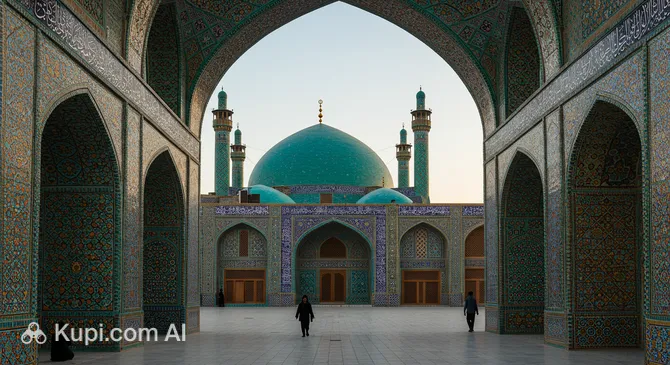
Jameh Mosque of Isfahan
Jameh Mosque of Isfahan. Иллюстрация. Источник: Kupi.com AI

One of the landmark's primary architectural features is its famous double-layered ribbed domes. This engineering innovation of its time became a benchmark for builders throughout Central Asia. Since 2012, this unique complex has been officially included in the UNESCO World Heritage List.

The complex, also known as the Friday or Congregational Mosque, is a living chronicle of history. Every element—from the brickwork to the exquisite mosaics—reflects the aesthetics and grandeur of successive dynasties.

Contacts

To plan your visit to this historical masterpiece, it's helpful to have up-to-date contact information. You can check the details of the complex or contact representatives using the information below.

How to contactContact
AddressIsfahan Province, Isfahan, Majlesi St, MM9P+V3C, Iran
Phone+98 31 3445 6400
Websiteisfahanjamehmosque.com

What to Do

Strolling beneath the vaults of this grand complex, you can take a fascinating journey through time. Architectural styles from different eras coexist here in a surprising way: from the austerity of the Abbasids to the elegance of the Safavids. Be sure to notice the delicate stone carvings and mosaics decorating the courtyards.

Special attention should be given to the ribbed domes, which are considered the pinnacle of engineering for their period. Their geometry and the play of natural light inside the halls create a unique atmosphere of tranquility and majesty. Exploring the various parts of the mosque will allow you to trace how the tastes and traditions of Eastern masters changed over the centuries.

Since the monument is located right next to the Grand Bazaar, a visit here perfectly combines with a walk through the market stalls. This is a great chance to immerse yourself in the bustling life of the city immediately after the silence and coolness of the ancient prayer halls.

Getting There

Finding this architectural monument is easy, as it is located in the historic center, in close proximity to Imam Ali Square. Until the 17th century, this area was the heart of urban life, and the unique atmosphere of the old city is still preserved here.

The most convenient way to reach the site is by taxi from central districts or by public transport heading to Majlesi St. If you are already in the Grand Bazaar area, simply follow the signs—the mosque is located at its eastern edge, allowing you to combine shopping with a cultural program.

For those who prefer walking, the route from Imam Ali Square takes only a few minutes. This is a great opportunity to see traditional buildings and immerse yourself in the daily rhythm of local life.

Ближайший город: Isfahan

History & Facts

The history of this site dates back to 771 AD, when the first structure was laid on the grounds of the current complex. For over twelve centuries, the mosque has been continuously transformed, expanded, and restored, turning it into a true encyclopedia of Persian architecture.

The Seljuks played a particularly important role in the monument's history during the 11th century. After the city became their capital, the Friday Mosque was turned into a major imperial project. Despite the fires and internal unrest of that era, architects created masterpieces here intended to demonstrate the grandeur and power of the empire.

Interestingly, even when Shah Abbas moved the center of public life to the new Imam Square in 1602, the Jameh Mosque retained its high status. It remained a vital spiritual and cultural landmark, preserving the spirit of antiquity and the architectural continuity of generations within its walls.

Time Needed

To fully appreciate the scale and artistic details of this grand structure, a typical visitor will need 1.5 to 2 hours. This is enough time to leisurely explore the main courtyards and prayer halls and study the unique decor.

If you are an art history enthusiast or a professional photographer, you could easily spend half a day here. The morning light filtering through the vaults creates a stunning play of shadows that changes every minute, revealing new angles for photography and deep contemplation of the architecture.

Working Hours

The doors of this historical complex are open to guests daily from 06:00 to 20:00. This wide time range allows you to choose the most comfortable moment for your visit: whether it's early morning, when it is particularly quiet, or in the evening hours when the midday heat subsides.

Please keep in mind that during Friday prayers or on significant religious holidays, access for tourist viewing may be limited or restricted. It is recommended to plan your visit on weekdays to quietly enjoy the beauty of the architecture without the extra bustle.

6:00 – 20:00

Nearby

Exploring the surroundings of the Congregational Mosque will help you get a deeper feel for the city's character and diversify your journey. Near the historic quarters, you can find both quiet walking areas and modern entertainment centers for the whole family.

NameDistance
Imam Ali Square0.3 km
Naqsh-e Jahan Square1.5 km
Sheikh Lotfollah Mosque1.5 km
Ali Qapu Palace1.6 km
Shah Mosque1.7 km
Ali Qoli Aqa Historical Bathhouse1.7 km
Chehel Sotoun Palace1.9 km

Reached the end of the page?

That means the route is fully explored