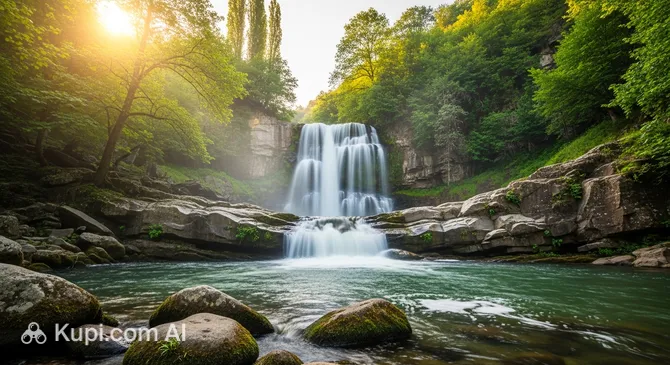
Hidden among the majestic peaks of the Zagros Mountains, Yasuj Waterfall is a true gem of the central region of Iran. This stunning natural wonder is located near the city of Yasuj at an altitude of approximately 1,831 meters above sea level, right at the foot of the famous Dena peak.
Yasuj Waterfall. Illustration.
Source: Kupi.com AI
Traveler photos:
The waterfall is considered one of the most significant natural landmarks in Kohgiluyeh and Boyer-Ahmad Province. Its powerful flows are fed by the region's abundant water resources, turning the surrounding area into a blooming oasis. Thanks to its strategic position and the natural protection of the mountains, this area has preserved its unique ecosystem and pristine beauty for centuries.
Today, this site is recognized as an important destination for ecotourism. Tourists are drawn here not only by the waterfall itself but also by the lush vegetation of the foothills and the opportunity to experience the majesty of the wilderness in one of the most ecologically clean areas of the country.
Contacts
For those planning to visit this natural spot independently, it is helpful to know the exact coordinates of the site. Although the waterfall is a natural attraction, it has an officially recorded location in the international navigation system.
Below are the contact details and location information to help you find your way to this picturesque spot in Kohgiluyeh and Boyer-Ahmad Province.
The main reason to visit this site is the chance to connect with untouched nature. Visitors can take leisurely walks along the slopes of the Zagros, which are densely covered with ancient oak trees. These spots are perfect for landscape photography, especially in the morning hours when the sunlight pierces through the waterfall's mist.
Outdoor enthusiasts should head out on a hike through the scenic route of the Hezar Darreh gorge, a name that poetically translates as "Thousand Valleys." Exploring the mountain trails allows you to see rare plant species and enjoy panoramic views of Dena peak.
In addition to contemplating the landscapes, a visit to the waterfall offers a chance to learn about the culture of the Lurish tribes. The local people, who have inhabited these lands for many centuries, have preserved unique traditions reflected in the local cuisine and crafts often found in the surrounding settlements.
Getting There
The journey to the waterfall begins from the center of Yasuj, which is situated on the banks of the Beshar River. The most convenient way to reach the site is by taxi or a rental car, as the path winds through the scenic foothills of the Zagros mountain range.
The drive to the attraction is an excursion in itself: you will pass through dense oak forests and deep mountain gorges. While public transport is limited in this mountainous area, a taxi ride from the city center takes very little time.
For those who prefer maximum safety and insight, hiring a local guide is recommended. This is especially relevant if you plan to venture off the main trails, as mountain routes can be challenging for solo travelers without proper navigation experience.
Nearest city: Yasuj
History & Facts
The area surrounding the waterfall is steeped in history dating back to ancient times. Nearby lies the Tel-e Khosrow archaeological mound, where excavations have confirmed the existence of settlements as far back as the 2nd–1st millennia BC. According to the legends of the great epic "Shahnameh," it was in these mountains that the mythical King Kay Khosrow passed his power to his successor.
The strategic importance of the region cannot be overstated—for centuries, it served as a key pass through the Zagros Mountains. Historians believe that the famous Battle of the Persian Gates took place in the vicinity of modern-day Yasuj. In this battle, the Persian satrap Ariobarzanes and his forces offered desperate resistance to the army of Alexander the Great.
The name of the city itself is also interesting: according to one version, it translates as "The place where jasmine blooms." For many centuries, these fertile lands and mountain springs served as a summer haven for nomadic Lurish tribes, who continue to preserve their unique traditions and culture in the region today.
Time Needed
To simply admire the cascading water and take beautiful photographs, you will need about 2 hours. However, most travelers prefer to stay longer to enjoy the cool air and have a small picnic in the shade of the trees.
If you plan to explore the mountain trails leading to the Zagros peaks or walk through the neighboring canyons, it is worth dedicating a full day to your visit. This will allow you to appreciate the full majesty of the local flora and fauna without rushing.
Working Hours
Since the waterfall is a natural site, it is open to visitors 24/7, seven days a week. You can arrive early in the morning to catch the sunrise in the mountains or visit in the evening.
Despite the open access, it is recommended to plan your visit during daylight hours for safety while navigating the mountain trails. Before your trip, it is also worth checking official tourism portals in Iran for the latest information on road conditions or any seasonal restrictions.
Open 24 hours
Nearby
If you decide to spend a day in nature, exploring the surroundings of the waterfall will be a great addition to your trip. Many parks and squares are located nearby, allowing you to dive deeper into the atmosphere of this mountainous region of Iran.
In the immediate vicinity of the main location, you will find both natural sites and places for family recreation. Here is a list of some notable spots worth visiting: